Select Category


AI Summary
4 key insights · 1 expert tipAn interior design style is the visual and functional language your home speaks and makes it feel a certain way. This quick guide breaks down 9 popular interior design styles, from modern and contemporary to traditional and industrial, so you can identify what you are drawn to before you brief an interior designer.
KEY INSIGHTS
- What does an interior design style mean, and how to choose one before you start a renovation?
- Popular interior design styles (lighting + colour palette + materials + furniture + who it suits)
- What separates modern from contemporary interior design style (the most confused pair)?
- How to mix two interior design styles in your home without them fighting each other?
 DESIGNCAFE EXPERT TIP
By our design team
DESIGNCAFE EXPERT TIP
By our design team
Nivedita Thaker, Studio Manager at DesignCafe Experience Centre, Bengaluru, says, “Pick a dominant interior design style for shared spaces (living room, dining room) and let private spaces (bedrooms) flex towards what each person actually likes”
Skim through this practical guide to choosing an interior design style that fits your home and not just your Pinterest board.
Walk into an interior design consultation without knowing whether you lean toward minimalist or contemporary, industrial or traditional interior design style, and you will spend most of the first meeting just figuring that out instead of designing your dream home. Understanding one’s style saves time and creates clarity during the initial briefing process. This quick guide walks you through 9 trending interior design styles, with the defining features of each and more to make your decision-making easier.
What Is An Interior Design Style?
An interior design style is a consistent set of design choices that repeats across a space and gives it a recognisable identity through elements like colour palette, lighting, materials, furniture shapes and ornamentation. Most Indian homes we’ve designed at DesignCafe become an intentional blend rather than a textbook example of any one style. For example, a traditional Indian interior design base with modern kitchen and storage systems.
How To Choose An Interior Design Style?
How do you actually live?
An interior design style that photographs well but demands constant tidying will clash with your daily routine, like all-white minimalism with two young kids. Be honest about maintenance tolerance and not just visual preference, and then choose the right interior style.
What do you respond to visually?
Save 15 to 20 images of rooms you like, literally ignoring the room type. If most of what you have saved is warm wood, brass and pattern, then you are leaning towards a traditional or bohemian interior design style. If it is white walls, hidden storage and one accent colour, then you are leaning towards a minimalist or modern interior design style.
What is your budget ceiling?
Some interior design styles are naturally cheaper to execute well, while others rely on detailing and materials that add up to costs quickly. Matching the interior style to your estimated budget early helps you avoid a mid-project compromise. Use a home interior cost calculator to get an approximate estimate for your home interiors project.
A Quick Framework: Pick the interior style your living room design should follow first since it sets the entire tone for the rest of the home, and then decide room by room how far bedrooms and private spaces can diverge from it.
Reinvent Your Living Room With These Stunning Design Styles


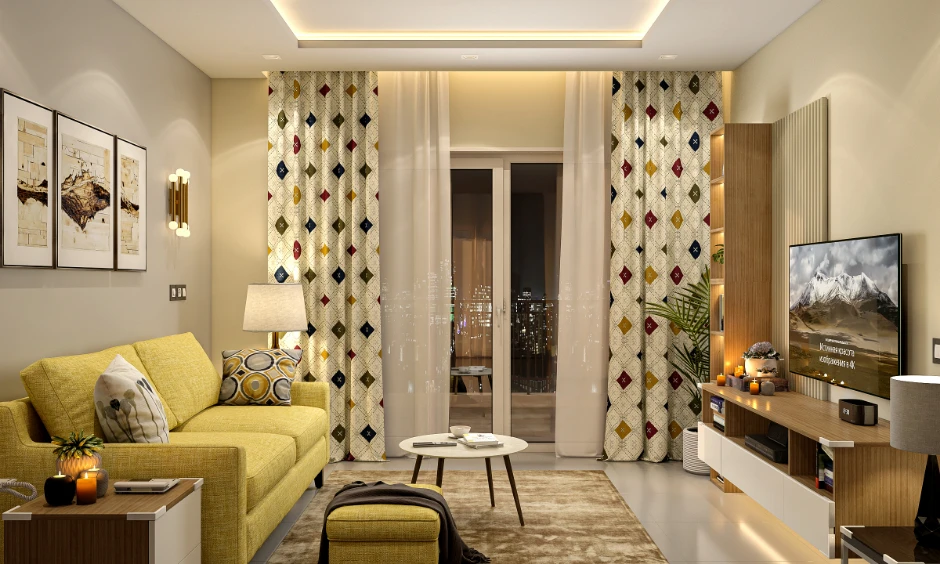
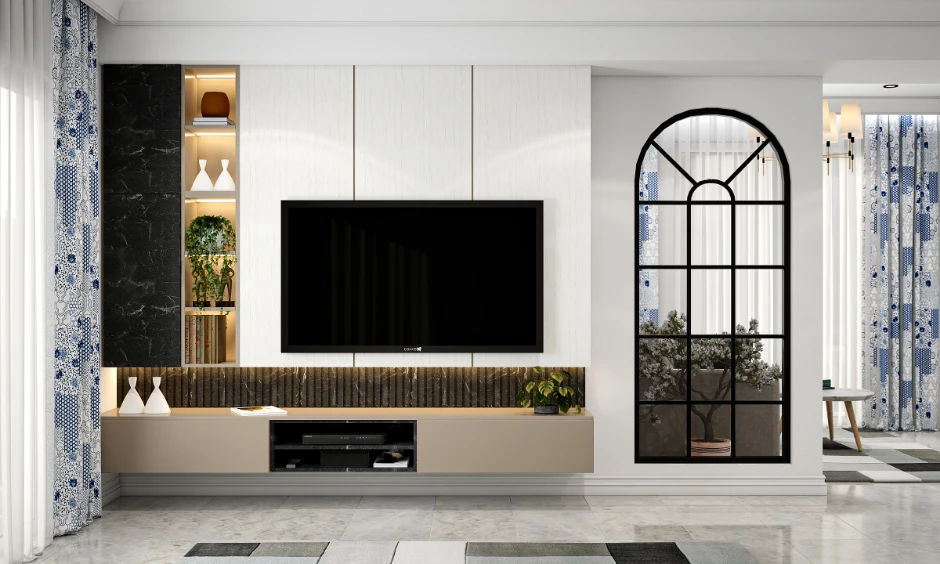
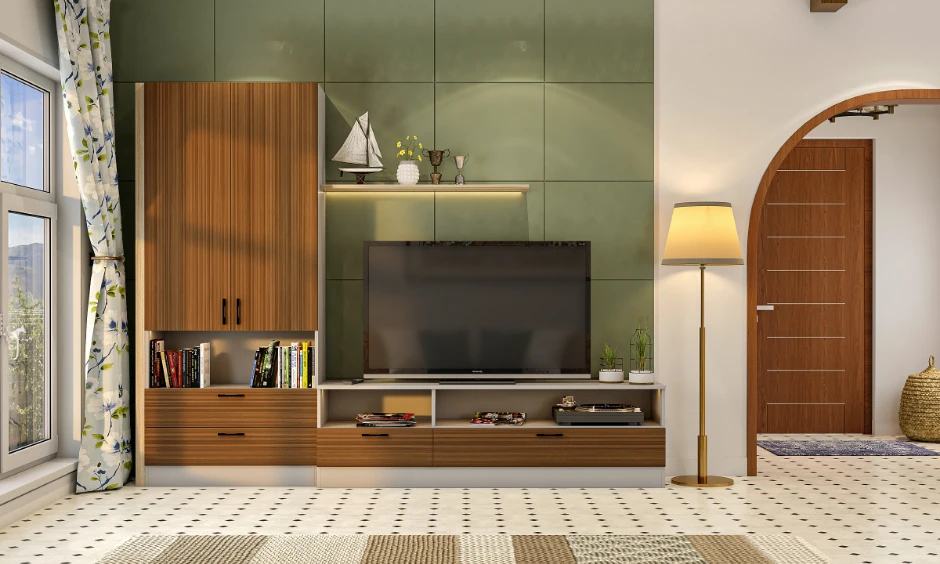
9 Popular Interior Design Styles That Inspire Homeowners
1. Modern Interior Design
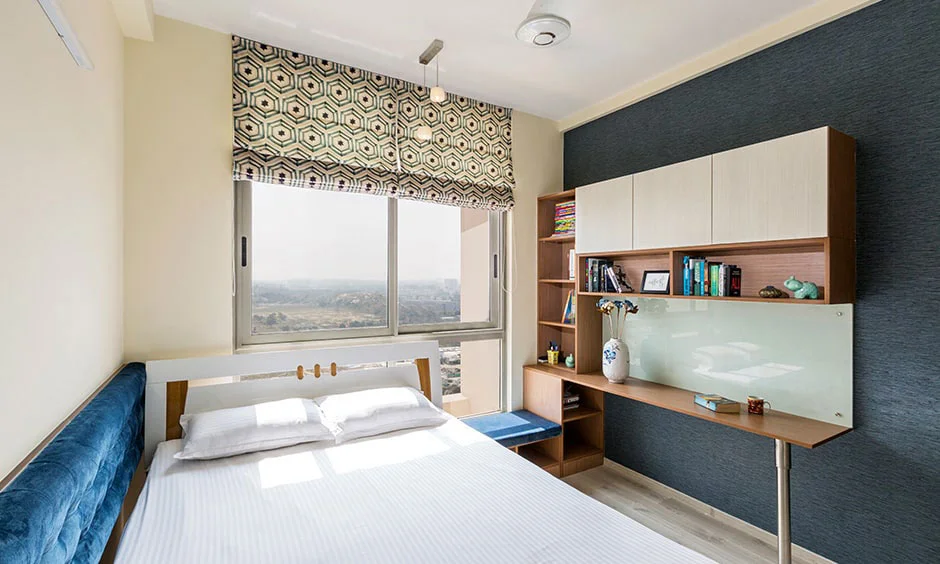
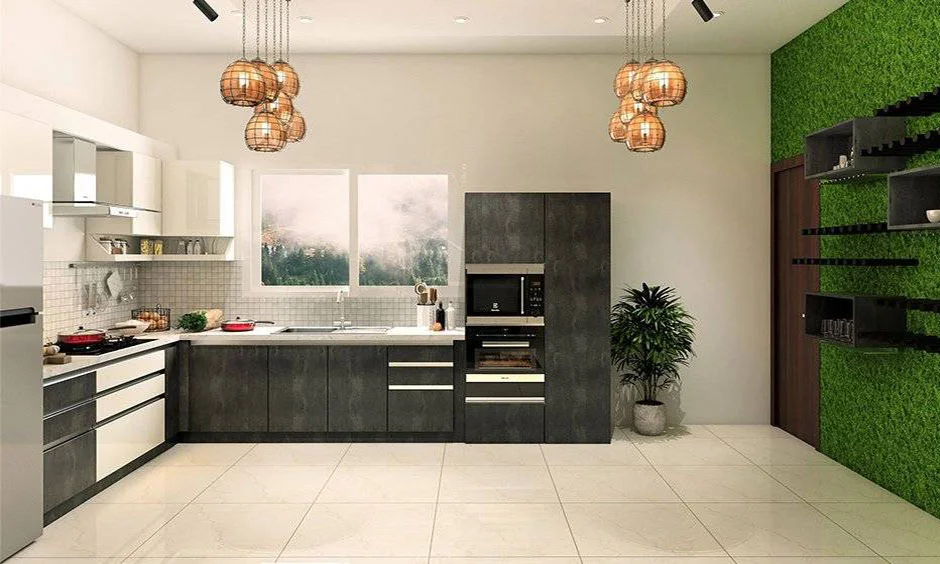
Modern interior design refers to a specific style rooted in the early-to-mid 20th century. It is shorthand for clean-lined, uncluttered interiors with a subdued material and colour palette.
- Colour palette: Neutral base (white, grey) with one or two accent colours used sparingly.
- Materials used: Glass, chrome, polished or matte lacquer, steel and engineered stone.
- Furniture shape: Straight lines, geometric forms, thin and exposed legs, minimal ornamentation.
- Lighting choices: Recessed and linear fixtures, statement pendants used as sculptural accents.
- Defining features: Concealed and handleless storage, negative space treated as a design element.
- Who it suits: People who want clean lines, spatial restraint, and structural clarity that photographs well and ages slowly.
2. Contemporary Interior Design
Contemporary interior design defines what is current right now – it keeps evolving with time. The overall look borrows the modern restraint but softens it with curves, texture and warm tones.
- Colour palette: Warm neutrals (beige, browns) with one deep accent (olive, navy).
- Materials used: Linen, natural stone, warm woods alongside the matte metal.
- Furniture shape: Mix of straight and curved forms rather than modern’s strict geometry.
- Lighting choices: Layered lighting (ambient, task, accent) rather than a single fixture.
- Defining features: Organic shapes, textured wall finishes, art or wall art as a focal point.
- Who it suits: People who want a modern contemporary interior look that has a timeless vibe.
Modern vs Contemporary: What’s The Difference?
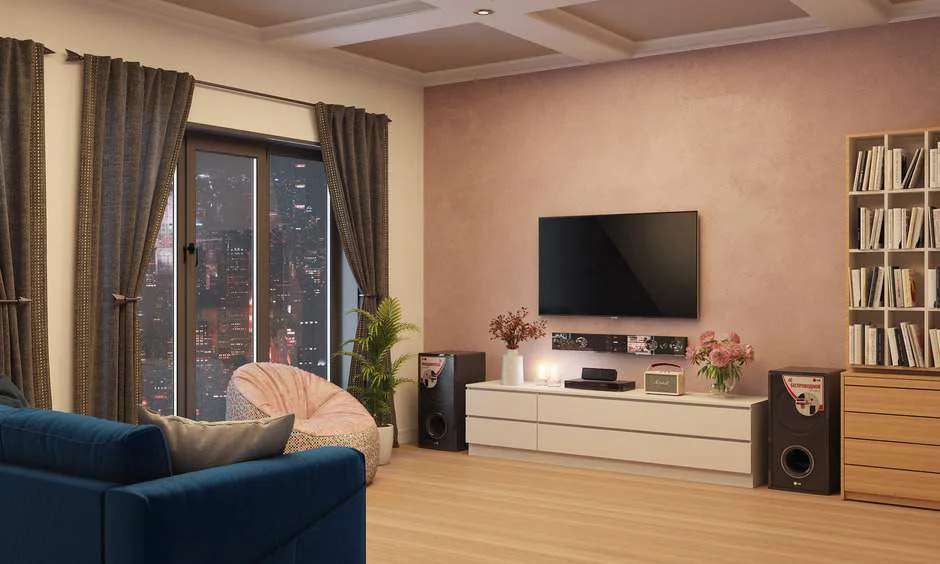
This is the single most common point of confusion in interior design terminology, and the distinction is simpler than it looks. In practice, modern style is fixed, and contemporary style is evolving. A room can be both, and a designer briefed on one versus the other will make different material and furniture calls.
3. Minimalist Interior Design
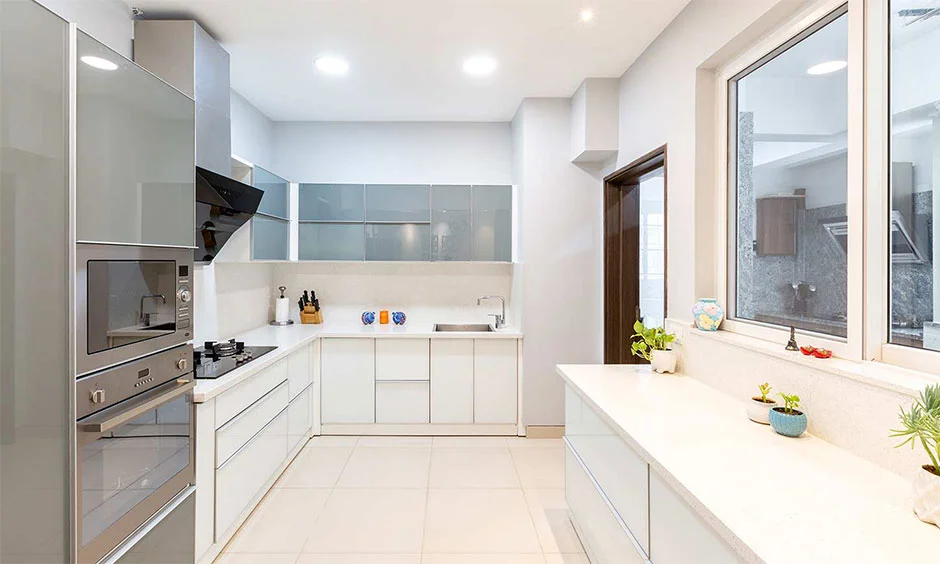
Minimalist interior design takes modern restraint further by reducing a room to only what is functionally necessary. A modern minimalist approach questions every object’s right to be in the room.
- Colour palette: Monochrome/near-monochrome (white, off-white, black) with no accent colour.
- Materials used: A tightly limited palette (two/three materials) like white lacquer and natural wood.
- Furniture shape: Low-profile, unadorned, built-in or wall-mounted to reduce visual footprint.
- Lighting choices: Concealed lighting or cove lighting are favoured over visible fixtures.
- Defining features: Deliberately treated empty walls, storage that dissolves into the architecture.
- Who it suits: People who prefer less over more, and it works well in small Indian apartments.
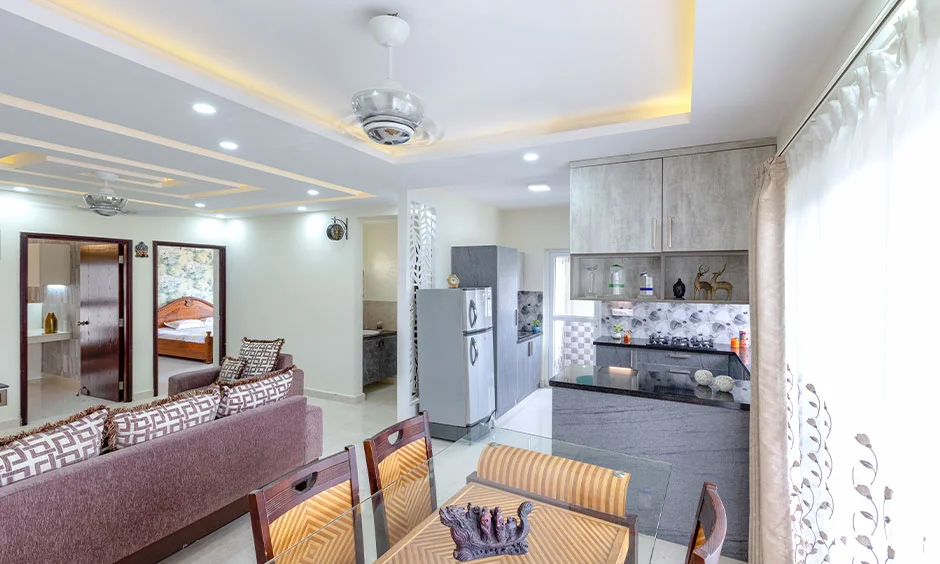
4. Traditional Interior Design
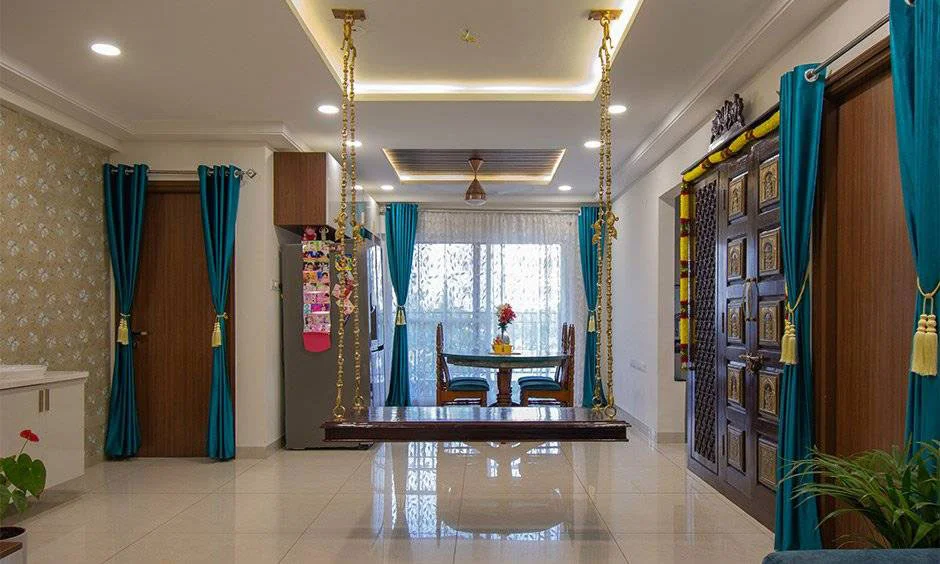
Traditional interior design emphasises wood joinery, architectural symmetry, and heirloom qualities. Great detailing, craftsmanship, symmetry, richer materials, colours and patterns are part of its vocabulary.
- Colour palette: Warm and saturated tones (maroon, deep gold) set against wooden tones.
- Materials used: Solid wood with grain, brass hardware, natural stone flooring, handwoven textiles.
- Furniture shape: Substantial with carved or turned legs, upholstered pieces with rolled arms.
- Lighting choices: Chandeliers, brass fixtures, warm-toned bulbs, decorative lighting.
- Defining features: Jaali (lattice) work, temple-inspired mouldings, hand-block prints.
- Who it suits: Families who want a home that reads as rooted and generationally durable.
5. Modern-Classic And Classic Interior Design
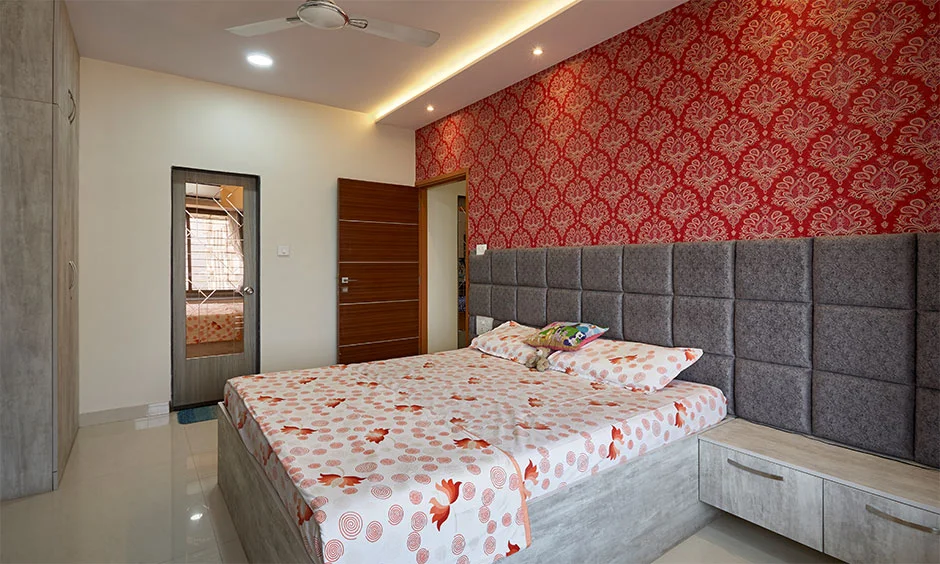
Classic interior design emerges from the European period styles and translates them into formal and richly detailed interiors. Modern-classic interior design is a softer, more livable version of it.
- Colour palette: Classic interiors lean on deep colours (burgundy, navy) while modern-classic interiors lean on soft neutrals with restrained gold or brass detail.
- Materials used: Solid wood panelling and silk upholstery in classic interiors, while quartz and linen in modern-classic interiors.
- Furniture shape: Classic interiors use curved legs, tufted upholstery, and symmetrical arrangements, while modern-classic interiors pare it back to clean lines with classic proportions.
- Lighting choices: Classic interiors use crystal or fluted-glass chandeliers and wall sconces, while modern-classic interiors swap crystal for a simplified fluted-glass fixture.
- Defining features: Cornices, panelled walls, fluting, arched details.
- Who it suits: Homeowners who want an elegant interior design with a sense of occasion in formal living and dining areas, but without committing to the maintenance and cost of a fully classic interior.
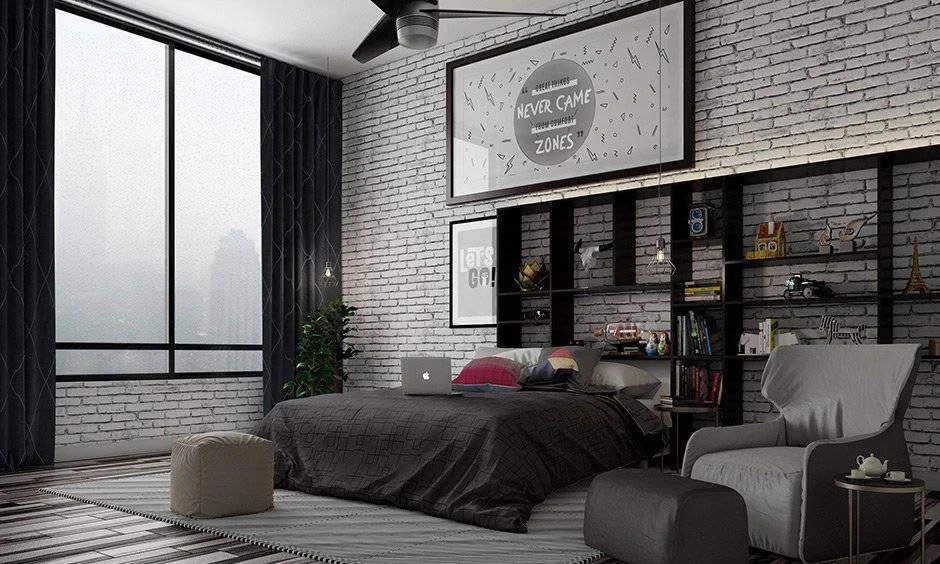
6. Industrial Interior Design
Industrial interior design takes its cues from warehouses and urban lofts, thereby celebrating raw materials, visible structure and an intentionally unfinished character.
- Colour palette: Charcoal, black, muted neutrals, warmed with tan or cognac leather.
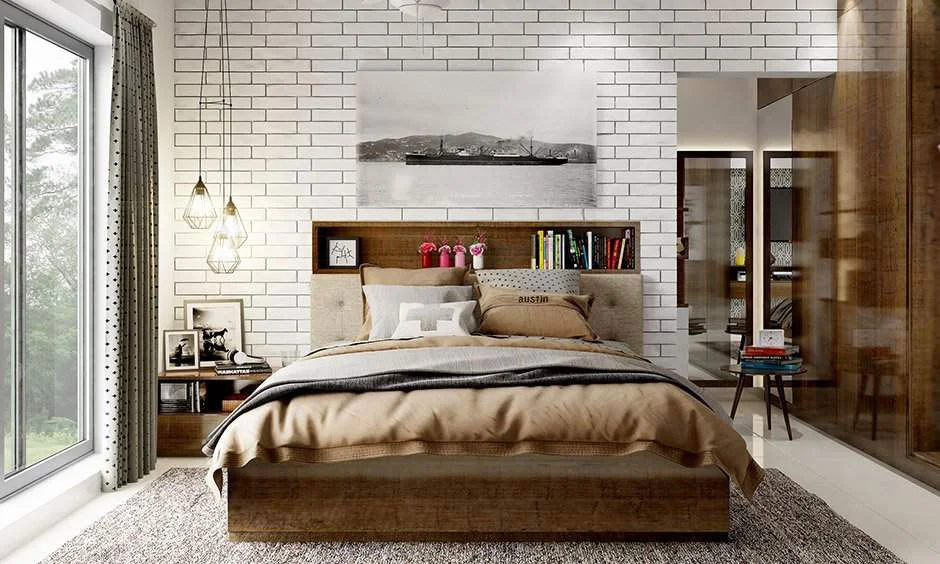
- Materials used: Exposed brick or concrete, reclaimed wood, metal and exposed ductwork.
- Furniture shape: Practical and utilitarian with metal frames, visible joinery and sturdy proportions.
- Lighting choices: Exposed-bulb pendants, caged fixtures, industrial floor lamps, metal task lighting.
- Defining features: Unfinished surfaces, visible structural elements, deliberate lack of concealment.
- Who it suits: Homeowners who appreciate raw materials, urban character, slightly edgy aesthetic.
7. Scandinavian Interior Design
Scandinavian interiors are built around simplicity, functionality and warmth. They have a light, uncluttered look, but soft textures and natural materials keep them from feeling stark.
- Colour palette: White and pale wood tones complemented by soft greys and muted pastels.
- Materials used: Light oak and ash, wool, linen, natural fibres and matte-finish ceramics.
- Furniture shape: Clean-lined and functional with tapered legs and a light visual footprint.
- Lighting choices: Natural light is prioritised, supported by warm and soft-glow fixtures.
- Defining features: Functional simplicity, cosy textiles, uncluttered surfaces and plants.
- Who it suits: Homeowners who prefer calm, organised, bright and timeless spaces.
8. Rustic And Farmhouse Interior Design
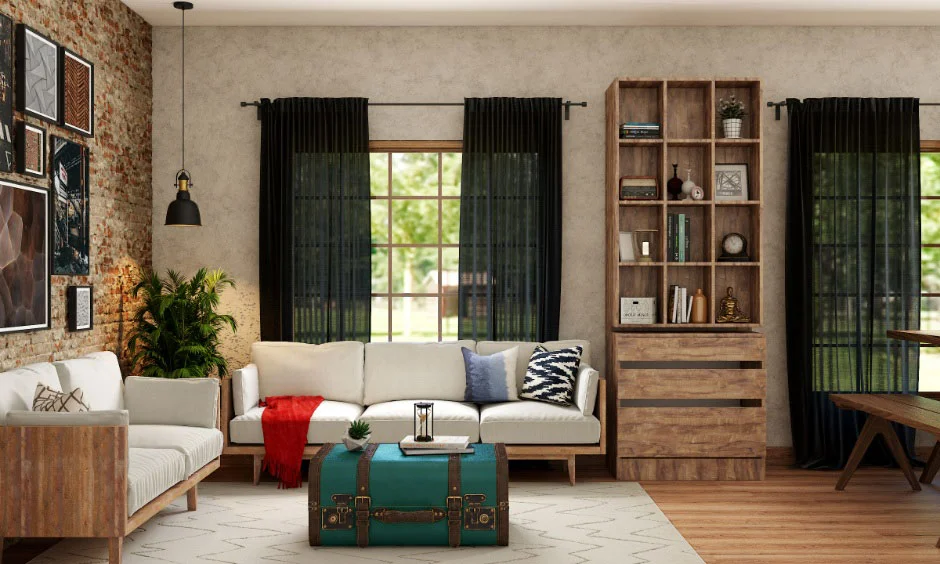
Rustic and farmhouse interiors draw inspiration from rural homes, traditional craftsmanship and the beauty of natural materials. The result is warm, comfortable and deliberately unfussy.
- Colour palette: Earthy neutrals (cream, beige, sage green, warm brown, muted terracotta).
- Materials used: Distressed wood, natural stone, wrought iron, cotton, woven materials.
- Furniture shape: Solid and oversized with generous proportions inspired by farmhouse furniture.
- Lighting choices: Wrought-iron chandeliers, lantern-style pendants and warm-toned lighting.
- Defining features: Visible wood grains, open shelving, handcrafted details, natural imperfections.
- Who it suits: Homeowners who want a warm and timeless home with a natural connection
9. Eclectic Interior Design
Eclectic interior design deliberately combines styles, eras, colours and cultural influences in one carefully curated space. Successful eclectic interiors still rely on balance and intention.
- Colour palette: Varied and expressive but connected by a dominant colour/repeated material.
- Materials used: Vintage brass sits alongside modern lacquer; a traditional rug anchors a modern chair.
- Furniture shape: The sense of cohesion comes through scale, proportion, colour and placement.
- Lighting choices: Statement fixtures from distinct periods are mixed knowingly to create contrast.
- Defining features: One or two strong anchor pieces in the room and furniture layered with intention.
- Who it suits: Homeowners with a strong individual taste who enjoy mixing the old and new.
How To Mix Two Interior Design Styles In Your Home Without Clashing?
Very few Indian homes commit to one interior design style in every room, and they shouldn’t have to. You can mix two interior design styles in your home without clashing by following tips like:
- Pick 1 dominant interior style and 1 supporting interior style only for a striking contrast, because three or more styles create confusion.
- Let one element carry the mix. For example, if you are combining traditional and modern, let the furniture stay modern, and the textiles/lighting carry the traditional reference (or vice versa).
- Keep the colour palette consistent even when the two styles differ because a shared colour thread across mismatched furniture is what makes eclectic mixing look intentional.
- Match the ceiling height and room formality to the style weight. Heavier and more ornamented styles (classic, traditional) need either scale or restraint elsewhere to avoid feeling crowded.
How To Choose An Interior Style By Room And Budget?
- Living Room Interior Design: This is usually the highest-formality space and the best place for your dominant interior design style. Traditional, classic, or luxury interior styles tend to work well here and in the drawing room if entertaining matters to you.
- Bedroom Interior Design: This is the most personal room in the house and the easiest place to diverge from the rest of the home. Scandinavian or minimalist bedrooms are common in otherwise traditional homes since restraint tends to suit rest better than ornament.
- Kitchen Interior Design: Function should lead the aesthetics in the kitchen more than any other room in your home. Modern and contemporary style suit kitchens well because concealed storage and clean surfaces are the most practical choices for a working kitchen.
- Budget-Conscious Approach: Minimalist and Scandinavian styles are ideal for budget-conscious homeowners because they rely on restraint. Classic and luxury interior design styles cost more to execute convincingly because the detailing is where the budget goes.
Wrapping Up
The interior design style that you choose should hold up to how you actually live in the home space and not just how it looks in a photograph. Talk to an interior designer today at DesignCafe and turn your style preferences into a working design plan for your home.
FAQs
1. What are the most popular interior design styles for 2026?
Modern, minimalist, contemporary, traditional, industrial and Scandinavian are among the most popular interior design styles in Indian homes and apartments today. Luxury and eclectic interior design styles are also gaining ground for homeowners who want a more individual look.
2. What are the trending colour palettes and textures for 2026?
Indian homeowners are moving away from stark white and all-grey interiors toward warmer and earthier palettes like terracotta, olive and warm beige alongside a renewed interest in visible craft and natural texture over polished finishes. Quiet luxury and warm minimalism are both gaining ground, and biophilic touches (natural materials, more daylight, planting) are showing up across nearly every style.
3. How do you identify your interior design style?
Save 15 to 20 images of rooms that you are drawn to without filtering by any room type and then look for repeated patterns in colour, material and furniture shape across them. The repeated pattern you are drawn to is a strong indicator of your interior design style.
4. What is the difference between modern and contemporary interior design?
Modern interior design refers to a fixed historical design style from the early-to-mid 20th century, while contemporary interior design refers to whatever interior style is trending today and evolves with each decade. A room can borrow elements from both interior styles, but they are not the same.
5. Which interior design style is best for Indian homes?
No single interior style is best for most Indian homes; instead, they become a considered blend. Indian and traditional interior design suits homes that want warmth and craftsmanship, while modern and minimalist interior design suits smaller apartments where visual restraint helps the rooms feel larger and brighter.