Select Category


AI Summary
7 key insights · 1 expert tipWaterproof plywood has become one of the most dependable materials for modern modular kitchens. It is engineered to withstand humidity, spills, steam, and daily wear that regular plywood cannot handle. This guide takes you through types of waterproof plywood, how each performs in real kitchen conditions, typical price ranges, and the factors that influence durability. If you are building or renovating your kitchen, these insights will help you choose materials that look good and stay strong for years.
KEY INSIGHTS
- Why waterproof plywood performs better than regular plywood in kitchens.
- Key differences between BWR, BWP, and marine-grade plywood.
- How to match plywood type to your kitchen’s usage zones.
- The price range of waterproof plywood and the factors affecting pricing.
- How laminated waterproof plywood enhances durability and hygiene.
- Common kitchen problems caused by using the wrong plywood.
- A quick checklist to help you select the right plywood for long-term performance.
 DESIGNCAFE EXPERT TIP
By our design team
DESIGNCAFE EXPERT TIP
By our design team
Ishwarya Subramanian, Design Manager, Coimbatore DesignCafe Experience Centre, says, “Choose BWP plywood for most kitchen structural units to maintain long-term stability. Reserve marine plywood only for zones with direct and constant water exposure. Always check for ISI certification, and ensure edges are sealed properly during installation to prevent moisture from entering the core.”
Your kitchen works hard. The right plywood works harder. Read along to learn why waterproof plywood is a kitchen must-have.
A kitchen is constantly exposed to water, steam, heat, and spills. Over time, these small exposures determine the longevity of your furniture. This makes waterproof plywood a must-have element for kitchens. It offers protection that keeps your cabinets strong, stable, and long-lasting, even in demanding daily use.
Unlike regular wood, waterproof plywood sheets are engineered to resist moisture absorption, which prevents swelling, bending, and structural damage. They are widely used in modern modular kitchens where durability and hygiene matter just as much as design. Understanding the applications, types, pricing, and long-term performance of waterproof plywood helps you make the best decision for your home.

What Is Waterproof Plywood And Why Do Kitchens Need It?
Most kitchen problems build up slowly through moisture absorption. Waterproof plywood is designed to stop that process at the source.
It is an engineered wood made by pressing multiple layers of wood veneers using strong synthetic resins that resist water penetration. This structure ensures the board remains stable even in humid, wet conditions. Unlike regular plywood, which expands when exposed to moisture, waterproof plywood retains its shape and strength over time. Factory-pressed sheets avoid the manual alignment defects common with carpenter-built frames. This keeps your kitchen durable and mess-free for a long time.
Why Kitchens Depend On It:
Kitchens are exposed to steam, spills, cleaning liquids, and constant temperature changes. Without moisture-resistant materials, cabinets near sinks and cooking zones deteriorate quickly.
How Waterproof Plywood Differs from Regular Plywood?
Regular plywood absorbs moisture, leading to swelling and deformation. Conversely, waterproof plywood is treated to resist water damage and maintain structural stability even in high-humidity zones.
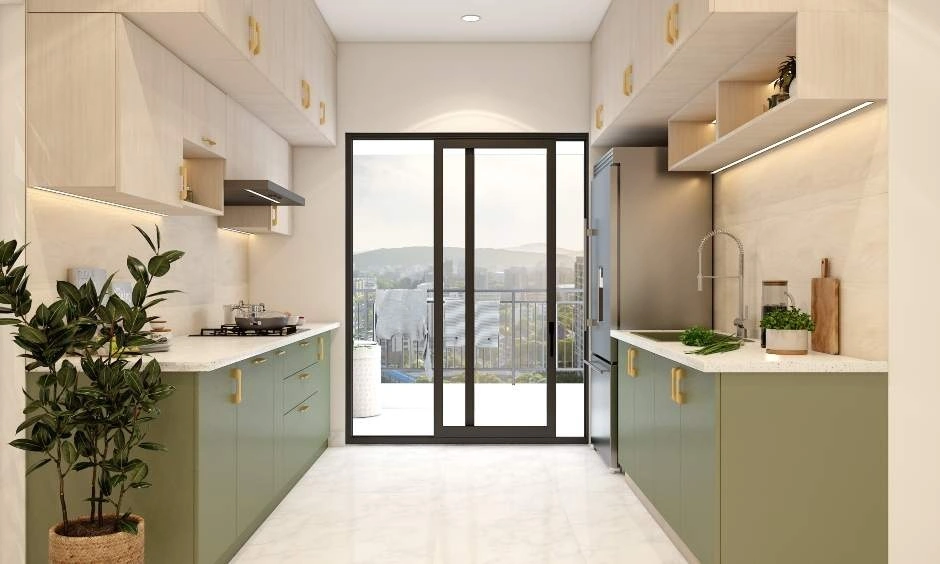
Waterproof Plywood Leads To Long-Lasting Kitchen Performance: Here’s How
A kitchen doesn’t fail only because of design but also because of material breakdown. Waterproof plywood solves the most common issues that homeowners face, such as:
1. Constant Exposure To Moisture And Steam: Every time you cook or wash utensils, steam spreads across the cabinets. Over time, this weakens regular wood structures. Waterproof plywood is built to handle this daily exposure without damage.
2. Protection From Accidental Spills: Water, oil, and cleaning liquids often seep into the edges of cabinets. Waterproof plywood prevents internal absorption, keeping the core structure intact.
3. Long-Term Strength And Stability: The biggest advantage is durability. High-quality waterproof plywood for kitchen use ensures doors stay aligned, hinges remain tight, and surfaces remain stable for years.
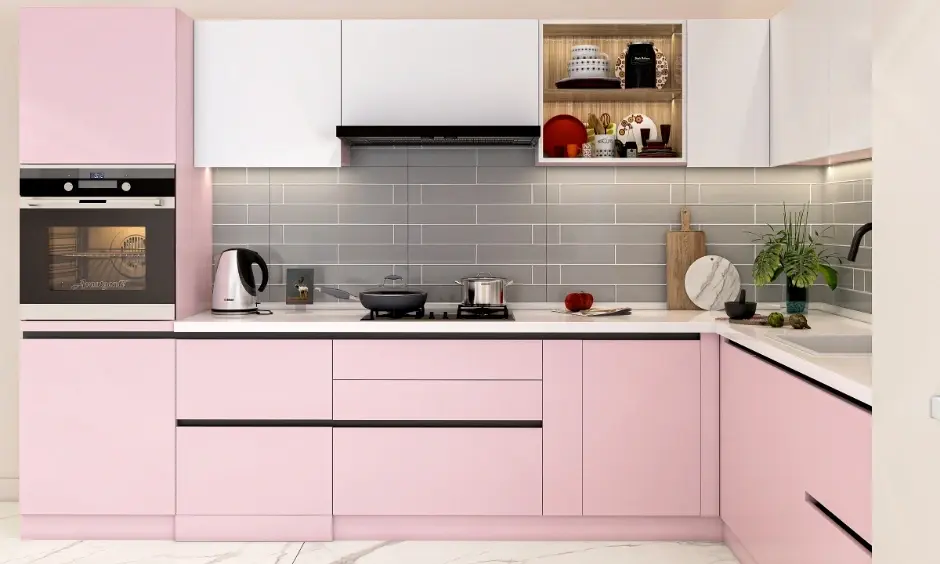
How To Choose Between Different Types Of Waterproof Plywood?
Not all waterproof plywood performs the same. Each type is designed for a specific level of exposure and usage intensity. Here’s what you should know before buying:
1. BWR (Boiling Water Resistant) Grade Plywood: BWR plywood is treated with moisture-resistant adhesives that allow it to withstand occasional water exposure.
It is commonly used in:
- Kitchen shutters
- Wall cabinets
- Dry storage zones
It performs well in moderately humid conditions but is not designed for continuous water contact. However, use BWR plywood only in upper cabinets or dry zones to extend its lifespan.
2. BWP (Boiling Waterproof) Grade Plywood: BWP plywood offers significantly improved performance and durability. It is made from phenolic resins, which make it highly resistant to water, boiling, and humidity.
It is best suited for:
- Under-sink cabinets
- Heavy-use kitchen units
- High-moisture zones
This is often considered the best waterproof and termite-proof plywood for Indian kitchens due to its balanced performance. If you are building a full modular kitchen, BWP should be your default choice for structural units.
3. Marine Plywood for Extreme Durability: Marine plywood is the highest-grade waterproof plywood available. It is designed for environments with constant water exposure.
It is used in:
- Premium kitchen installations
- Wet zone cabinetry
- High-end modular kitchens
Its dense construction makes it extremely durable but also more expensive than other options. Marine plywood is ideal for luxury kitchens or homes in coastal regions with high humidity.
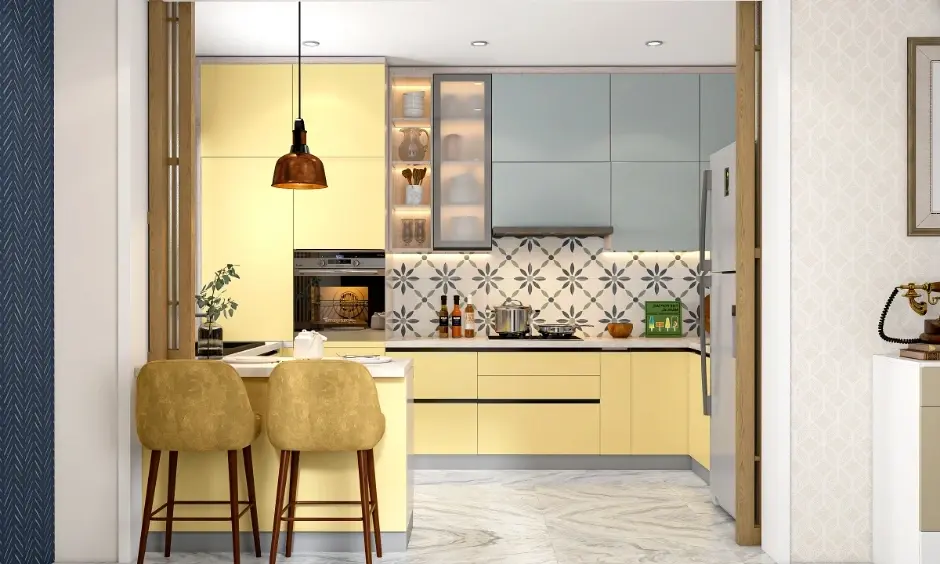
How To Select The Best Waterproof Plywood For Kitchen Use?
Choosing between BWR, BWP, and marine plywood depends on usage patterns, not just budget.
- BWR is suitable for light usage and dry zones.
- BWP is the most balanced and widely used option for kitchens.
- Marine plywood is best for extreme durability and premium applications.
For most homes, BWP waterproof plywood sheets offer the best combination of strength, affordability, and long-term reliability.
Expert Insight: A smart kitchen doesn’t use a single type of plywood throughout. It’s recommended to mix grades by zone to improve both performance and cost efficiency.
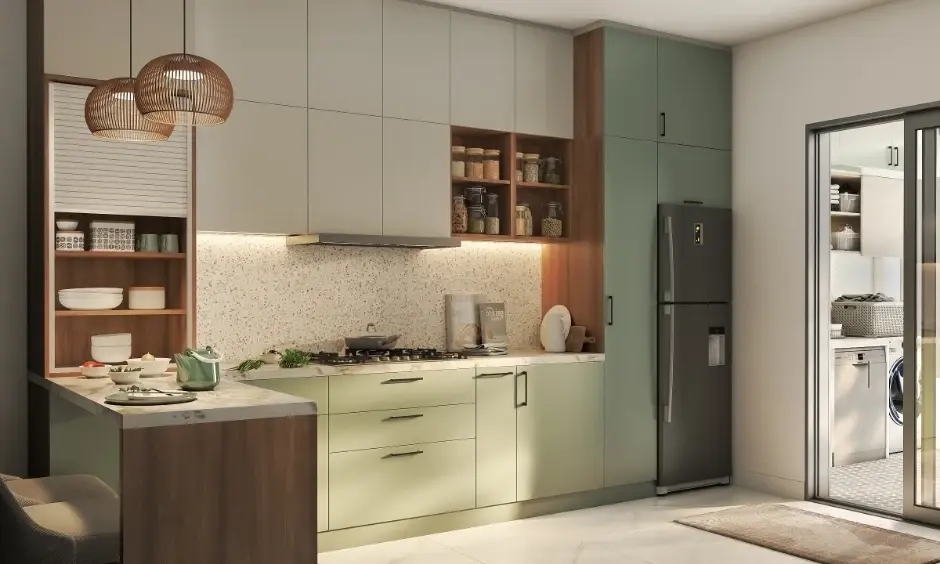
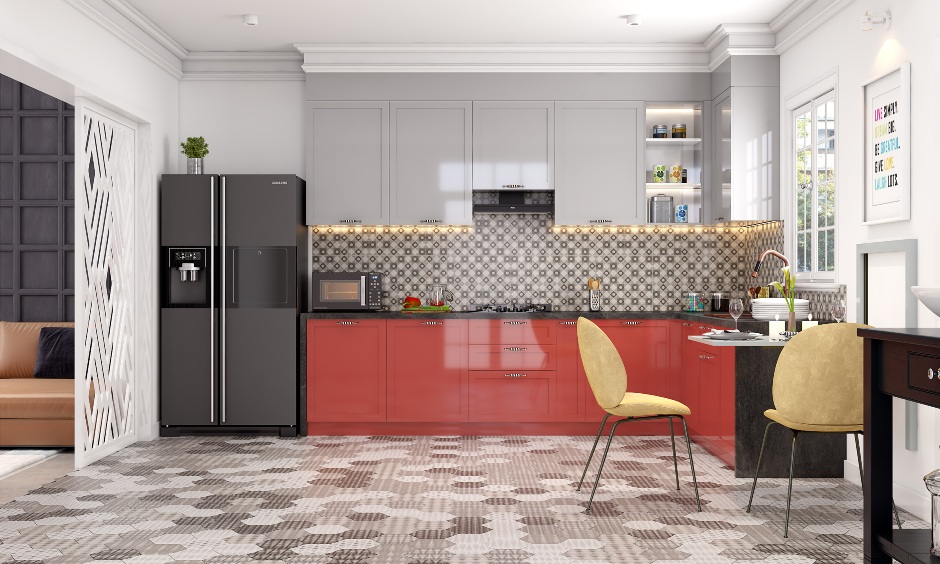
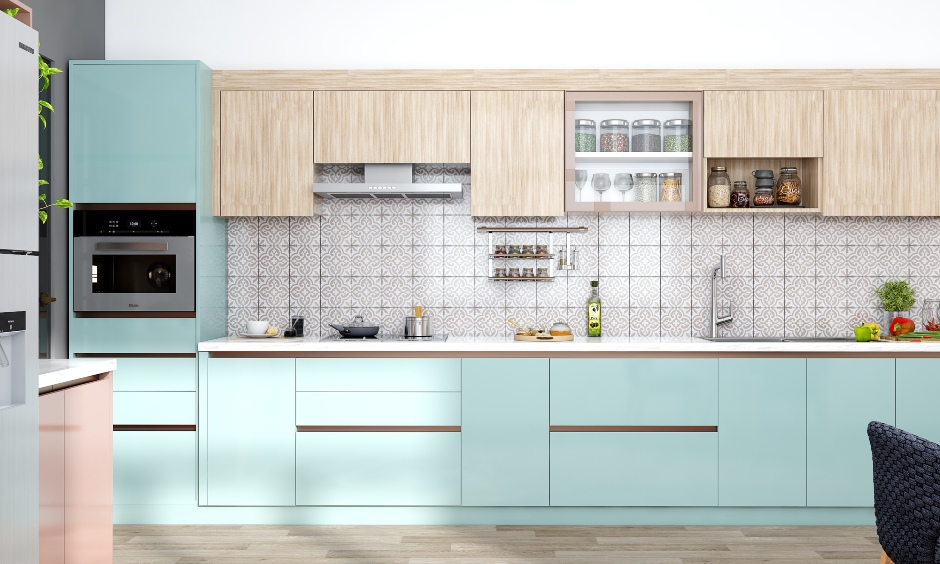
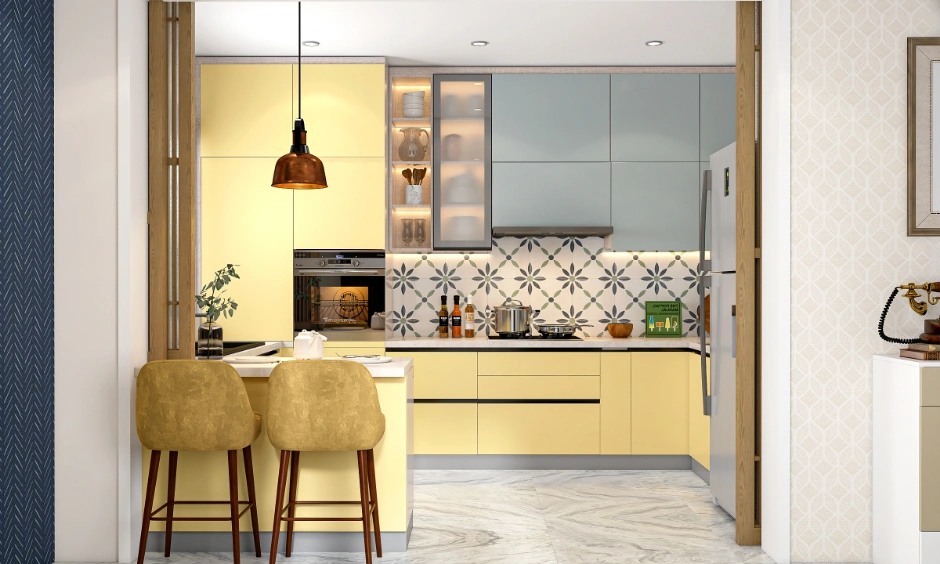
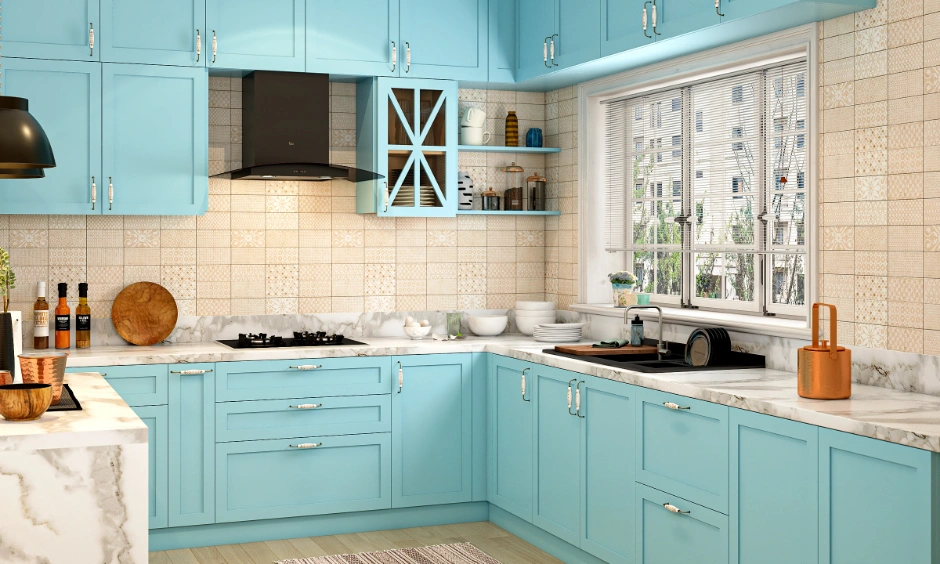
Trending Modular Kitchen Interior Designs

Cost Of Waterproof Plywood In India
Waterproof plywood prices per square foot vary by grade, thickness, and manufacturing quality.
Typical Price Ranges
- BWR plywood: INR 60 – INR 120 per sq. ft.
- BWP plywood: INR 100 – INR 180 per sq. ft.
- Marine plywood: INR 150 – INR 250+ per sq. ft.

Factors That Affect Pricing
- Thickness (12mm, 16mm, 19mm)
- Resin quality used in bonding
- Brand certification and ISI compliance
- Moisture and termite resistance levels
When getting plywood, compare the warranty and ISI certification as well.
Waterproof Plywood Sheets And Laminated Options For Modern Kitchens
Contemporary kitchens rely heavily on both durability and aesthetics, and finishing plays a key role here.
What Are Waterproof Plywood Sheets?: These are pre-manufactured boards used for cabinets, drawers, and modular units. They ensure consistency in thickness, strength, and finish across the kitchen layout.
Benefits Of Waterproof Laminated Plywood:
Waterproof laminated plywood adds a protective surface layer over the base material. The non-porous surface allows stains to be wiped clean without damaging the core structure.
It offers:
- Scratch resistance
- Stain protection
- Easy cleaning
- Enhanced visual appeal through matte depth or unbroken surface textures
Consider using laminated plywood for visible surfaces and plain waterproof plywood for internal structures to balance cost and design.
Common Kitchen Problems When Waterproof Plywood Is Absent
Using regular plywood in kitchens often leads to avoidable long-term damage caused by constant moisture exposure, such as:
- Swelling Due To Moisture Absorption: Water seepage from sinks and spills causes plywood edges to absorb moisture and expand. This leads to misaligned cabinet doors and loose fittings over time.
- Warping And Structural Bending: Continuous humidity causes uneven expansion and contraction in wood, leading to bent shelves, distorted shutters, and misalignment.
- Termite And Fungal Damage: Moist conditions encourage termite activity and fungal growth, weakening the plywood’s internal structure from within.
How To Choose The Right Waterproof Plywood For The Kitchen?
Choosing the right waterproof plywood for the kitchen involves selecting the right grade, thickness, and finish for each area to ensure long-term durability and performance. Here’s what to check:
1. Check ISI Certification
Always begin by checking IS:710 certification, especially for BWP plywood. This ensures the material meets industry standards for boiling water resistance and is suitable for high-moisture kitchen environments.
2. Choose Correct Thickness
Thickness plays a key role in strength and durability.
- 12mm: Best for light cabinet shutters and overhead units
- 16mm: Ideal for most standard kitchen cabinets
- 19mm: Recommended for heavy-duty storage and load-bearing units
3. Match Plywood To Usage Zones
Not all areas of the kitchen face the same level of moisture. Use BWP plywood for sink areas and other wet zones, while BWR plywood is suitable for dry storage areas and upper cabinets.
4. Focus on Edge Sealing Quality
Even the highest-quality waterproof plywood sheets can fail if the edges are not sealed properly. Proper edge banding prevents moisture from entering the core, significantly extending the life of the cabinets.
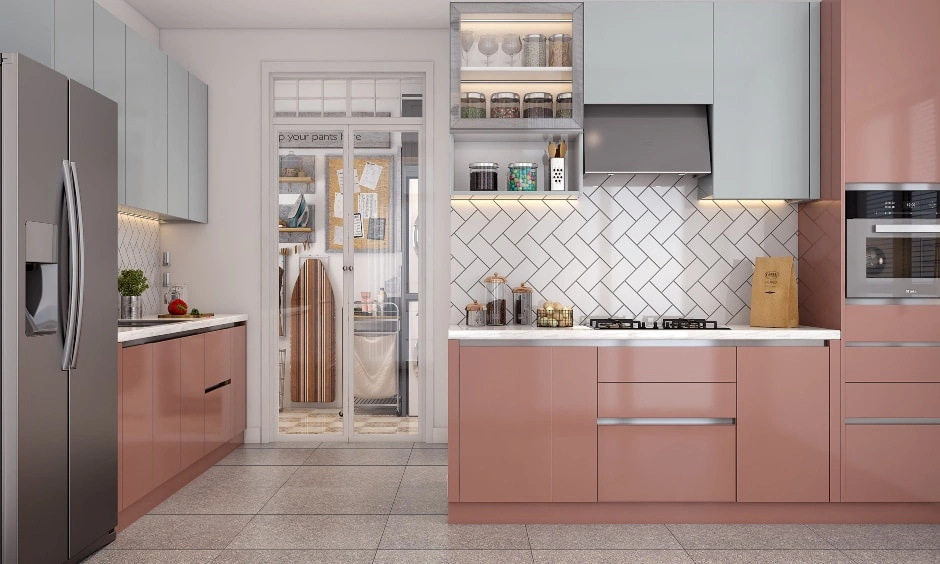
A kitchen may look beautiful on the surface, but its real strength lies in the materials behind the cabinets and storage. That’s why choosing the right waterproof plywood matters. It keeps cabinets sturdy, shutters aligned, and interiors looking polished for years.
Whether you choose BWR, BWP, or marine plywood, the goal is simple: build a kitchen that runs smoothly without constant repairs or replacements. The real value of a kitchen lies not in how new it looks, but in how well it performs every day. Get started on your dream kitchen: Book A Free Consultation With DesignCafe Today!
FAQs
1. What is waterproof plywood, and is it good for kitchens?
Waterproof plywood is a moisture-resistant engineered wood designed to handle water exposure, humidity, and steam. It is highly suitable for kitchens because it prevents swelling, warping, and long-term structural damage.
2. What is the price of waterproof plywood per square foot in India?
The price usually ranges between ₹60 and ₹250+ per sq. ft., depending on the plywood grade, thickness, brand quality, and moisture resistance level.
3. What thickness of waterproof plywood is best for kitchen use?
For most kitchen cabinets, 16mm plywood works best. However, 19mm plywood is recommended for heavy storage units and load-bearing sections.
4. Is BWP waterproof plywood worth it for kitchens?
Yes, BWP plywood is worth the investment for kitchens because it offers excellent water resistance, durability, and long-term reliability in moisture-prone areas.
5. How long does waterproof plywood last in kitchens?
High-quality BWP or marine plywood can last 15 to 25 years when properly installed and well-maintained.
6. Are waterproof plywood sheets better than laminated plywood?
Both serve different purposes. Waterproof plywood sheets provide structural strength and moisture resistance, while laminated plywood adds surface protection, design, and easier maintenance.