Select Category



AI Summary
6 key insights · 1 expert tipChoosing between a storage bed and non-storage bed becomes easier when you know how they differ in space utilisation, comfort, maintenance, and design. This blog breaks down the essentials so you can pick a bed that supports your lifestyle instead of adding visual or physical bulk to your room. You’ll understand where each option works best, how materials influence performance, what to prioritise for daily use, and how to choose what feels right for your bedroom.
KEY INSIGHTS
- The purpose and function of storage and non-storage beds in modern homes.
- How each option affects space, comfort, cleaning, and overall room aesthetics.
- When to pick storage beds based on storage needs, room size, and lifestyle.
- When non-storage beds are the better fit for ventilation and minimal layouts.
- Key materials to consider and how they influence durability and cost.
- Pricing differences and practical expert cues to make the right decision.
 DESIGNCAFE EXPERT TIP
By our design team
DESIGNCAFE EXPERT TIP
By our design team
Ishwarya Subramanian, Design Manager, Coimbatore DesignCafe Experience Centre, shares, “Choose a bed only after mapping your storage behaviour. If you reach for items daily, drawer-style storage works well. If you store seasonal or bulky items, hydraulic storage offers better convenience. In well-ventilated rooms, non-storage beds maintain airflow more effectively and keep the mattress fresh for longer.”
A clear, practical guide to help you choose the right bed based on space, lifestyle, comfort, and long-term use.
A bed frame occupies roughly 30–40% of a bedroom’s usable floor area, making that footprint a critical design decision. A bedroom without storage can make even spacious rooms feel cramped. That’s where a storage bed can help. It uses the space under your mattress to store bedding, clothes, and daily essentials, keeping the room cleaner without adding extra cupboards.
The other option is to choose a non-storage bed to keep things visually light, open, and simple. The better choice really comes down to how you live, how much you store, and the kind of bedroom design you want to come home to every day. A smart bed choice helps balance physical utility and visual breathing room.

What Is A Storage Bed?
A storage bed is a functional design that features built-in compartments for bedding, clothes, and seasonal essentials. It helps reduce clutter and maximise unused space under the bed.
The most common types include:
- Bed With Storage Drawers: Easy pull-out storage for daily-use items.
- King-Size Bed With Hydraulic Storage: Lift-up mechanism for a large hidden storage space.
Expert Tip: Hydraulic storage beds are best for heavy storage needs, but drawer beds are easier for frequent access and organisation.

What Is A Non-Storage Bed?
This is a simple bed structure without built-in storage compartments. It focuses purely on sleep comfort, ventilation, and a clean design layout.
It is also commonly called a bed without storage, offering open space beneath the frame. These beds are perfect for homes where storage is already available through wardrobes or where minimal aesthetics are prioritised.
Expert Tip: Non-storage beds improve airflow under the mattress, which helps maintain hygiene in humid climates.

Understanding The Key Differences Between A Storage Bed And A Non-Storage Bed
To choose correctly, it is important to compare the two options across everyday use factors.
| Factor | Storage Bed | Non-Storage Bed |
| Space Utilisation | Maximises under-bed space for storage | Open space, no storage utility |
| Cost Comparison | Higher due to built-in mechanisms | More affordable and simpler |
| Durability & Maintenance | Moving parts may require care | Easier to maintain, fewer parts |
| Aesthetic Appeal | Functional, slightly bulkier | Minimal, airy, visually light |
| Accessibility | Easy, but depends on its type (drawer/hydraulic) | No storage access limitations |
If your home lacks built-in storage, a storage bed offers better long-term space efficiency, even with a higher initial cost.
When To Select A Storage Bed?
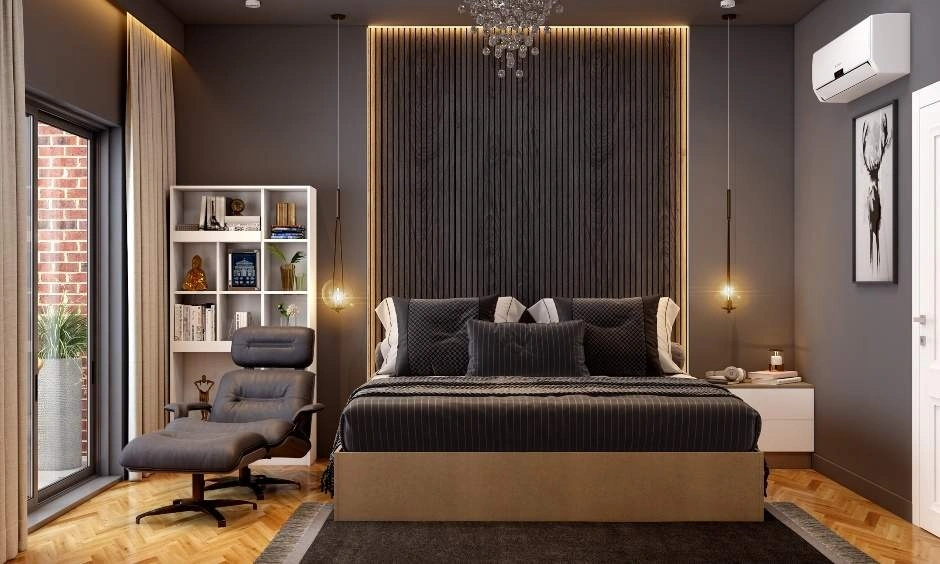
A storage bed is ideal when space is limited, but storage needs are high. For instance, a bed with storage drawers or a hydraulic bed is best for:
- Small apartments with limited wardrobe space.
- Urban homes with compact bedrooms.
- Families needing seasonal storage for bedding or clothes.
A king-size bed with storage drawers or hydraulic storage is useful in master bedrooms where maximum space utilisation is needed.
However, you should choose drawer storage if you access items frequently. On the contrary, go for hydraulic storage if you store bulky or seasonal items. Do consider the capacity of hydraulic lifts to handle the bed frame along with heavy mattresses.

Premium Bedroom Interior Designs




Prefer A Non-storage Bed When…
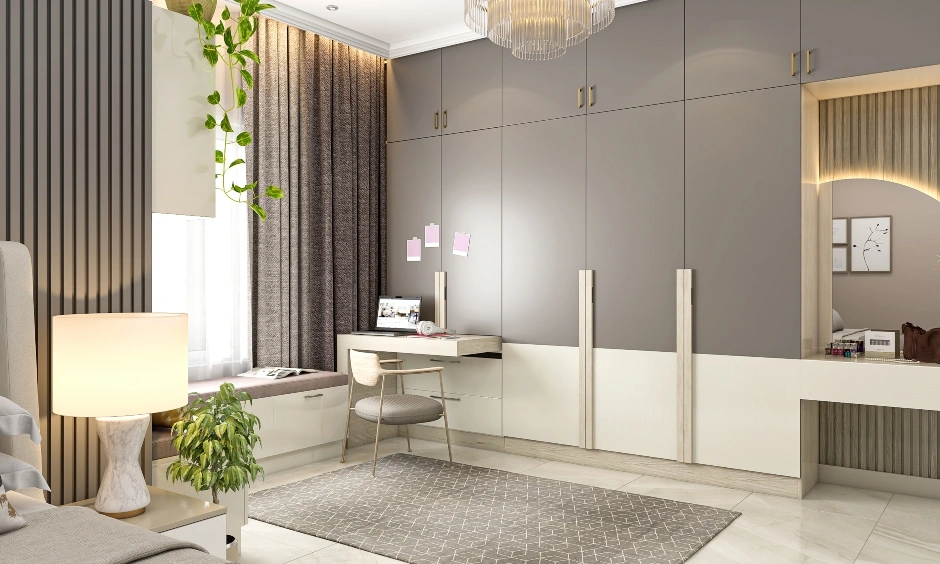
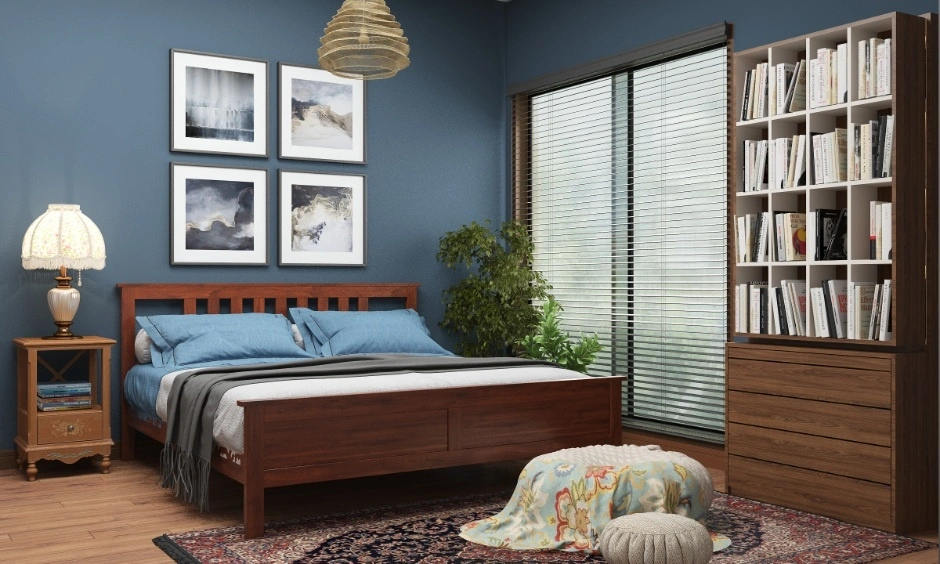
A non-storage bed works best in open and spacious interiors where storage is not a concern.
A bed without storage is ideal for:
- Large bedrooms with separate wardrobes.
- Minimalist interior designs.
- Homes that prioritise ventilation and open floor space.
A king-size bed without storage also gives a lighter visual appeal, making rooms feel more breathable. While they are the favoured traditional choices, homeowners have to deal with dust trapped beneath them, especially in low-clearance conditions. Consider pairing non-storage beds with under-bed cleaning access tools or robotic cleaners for seamless hygiene maintenance.
How To Make The Best Material Choice For Bed Design?
Material choice plays a major role in durability and performance. Here’s how to make the right decision:
1. Solid Wood Options For Long-Term Strength
Solid wood beds remain the most reliable choice, more so for long-term durability. A wooden king-size bed offers strong load-bearing capacity and holds up well even with daily use. It is ideal for families or heavy-use bedrooms where stability matters more than anything else.
2. Engineered Wood For Budget-Friendly Living
An engineered wood frame is more affordable and works exceptionally well for light-to-moderate use. It suits rental homes or secondary bedrooms, but may not be ideal for hydraulic storage systems or heavy-weight loads over time.
3. Moisture Resistance And Climate Considerations
In humid or coastal cities, prefer moisture-resistant finishes. Properly treated wood prevents swelling, warping, and long-term structural damage. It’s useful for storage beds where compartments stay closed for longer durations.
Expert Tip: Always check for kiln-dried solid wood when choosing hydraulic storage beds, as it reduces moisture damage and frame warping.

Comparing Prices Of Storage Vs. Non-storage Beds
Cost is one of the biggest factors in deciding between the two options.
A storage bed generally costs more due to added mechanisms and materials. Prices vary based on type and build:
- Basic Bed With Storage Drawers: Mid-range pricing depending on material.
- King-Size Bed With Hydraulic Storage: Pricier due to the lifting mechanism and engineering.
A non-storage bed is more affordable and typically focuses only on the frame and headboard, making it cost-effective for budget-conscious buyers.
Long-Term Value Insight: Storage beds offer better value in compact homes, while non-storage beds reduce long-term maintenance costs.

How to Choose the Right Bed: Expert Tips to Consider
Choosing between storage and non-storage beds becomes easier when the options are evaluated correctly.
- Room size matters most; small rooms benefit from storage beds.
- If you already have wardrobes, a non-storage bed is sufficient.
- Hydraulic beds are suitable for heavy storage but require careful handling.
- Drawer beds are better for everyday access and organisation.
- Always consider cleaning convenience before final purchase.
Leave at least 1.5 to 2 feet of walking space around your bed to ensure comfort and easy movement.

Final Verdict: Which Bed Is Right For You?
A storage bed is the smarter option for compact homes, urban apartments, and users who need extra storage without adding furniture. It offers functionality, organisation, and better space efficiency.
On the other hand, a non-storage bed is ideal for spacious homes, minimalist interiors, and users who prefer a clean, open bedroom layout. It enhances airflow, reduces visual clutter, and is easier to maintain.
The ideal choice here depends on your lifestyle and space needs. If you often run out of storage or keep rearranging things, go for a storage bed. If your room already feels organised and you prefer a lighter layout, a non-storage bed would be a wise choice. Our designers can help you make the best choice that suits your lifestyle. Book A Free Consultation Today!
FAQs
1. Is a storage bed or a non-storage bed more durable?
Non-storage beds are generally more durable due to a simpler structure and fewer moving parts. The durability of storage beds depends on the build quality and mechanism type.
2. Is a wooden storage bed better than a non-storage bed?
A wooden storage bed is better if you need both storage and durability, while a non-storage bed is better for simplicity and airflow.
3. Are king-size beds with storage better than king-size beds without storage?
They are better for compact rooms as they maximise space, but non-storage king beds are better for large, minimal bedrooms.
4. Which is more space-saving: a storage bed or a non-storage bed?
A storage bed is more space-saving as it utilises under-bed space efficiently to store items that you don’t use daily.
5. Are king-size beds with storage harder to clean?
Yes, they require slightly more effort, especially hydraulic storage beds, as compartments need periodic cleaning.
6. Are beds with storage drawers more practical than hydraulic storage beds?
Drawer beds are more practical for frequent access, while hydraulic beds are better for bulky and long-term storage.