Select Category



AI Summary
7 key insights · 1 expert tipChoosing between ceramic and porcelain tiles can be confusing, as both offer beautiful finishes and a range of design options. The key differences are in their composition, durability, and moisture resistance, making each better suited for specific spaces in your home. This guide explains what you need to know to choose tiles confidently, whether for a bedroom, kitchen, or bathroom.
KEY INSIGHTS
- Porcelain and ceramic tiles serve different purposes. While both offer attractive finishes, porcelain is denser, more durable, and better suited for moisture-prone and high-traffic areas.
- Choose porcelain for bathrooms, kitchens, and busy zones. Its low water absorption, stain resistance, and strength make it a practical long-term investment.
- Choose ceramic for bedrooms, living rooms, and decorative walls. It is more affordable, easier to install, and available in a wider variety of colours, patterns, and textures.
- Cost should be evaluated alongside performance. Ceramic tiles have lower upfront costs, while porcelain often delivers better long-term value through reduced wear and maintenance.
- Match the tile to the space, not just the design. Factors like foot traffic, moisture exposure, slip resistance, and maintenance requirements are just as important as aesthetics.
- Avoid common tile-selection mistakes. Using glossy tiles in wet areas, ignoring slip resistance, or selecting tiles based only on trends can lead to costly issues later.
- The best choice is often a combination of both. Many homes benefit from using porcelain in functional spaces and ceramic in decorative or low-traffic areas, creating the right balance between performance, style, and budget.
 DESIGNCAFE EXPERT TIP
By our design team
DESIGNCAFE EXPERT TIP
By our design team
Jeffrin Alex, Design Manager, MTR DesignCafe Experience Centre, suggests, “Porcelain works well for high-usage zones because of its dense body and low porosity, especially in bathrooms and kitchens. If you're selecting tiles for areas where comfort and warmth matter more than toughness, ceramic can be an excellent choice. It offers more design flexibility and works beautifully for bedrooms and living spaces when paired with proper grout and finishing.”
Porcelain and ceramic tiles may look alike, yet they behave very differently once laid in real spaces. Understand the differences to help you pick tiles that suit your home’s functional needs.
Most homeowners compare porcelain and ceramic tiles when choosing flooring, and it’s easy to see why. Both are versatile with many designs, but their performance differs once installed.
A tile that works beautifully in a living room may not perform well in a bathroom or kitchen. Some areas need strength and moisture resistance, while others prioritise comfort, appearance, or budget. While porcelain and ceramic are both fired clay-based tiles, understanding the differences between them will help you make smarter decisions.

What Are Ceramic Tiles?
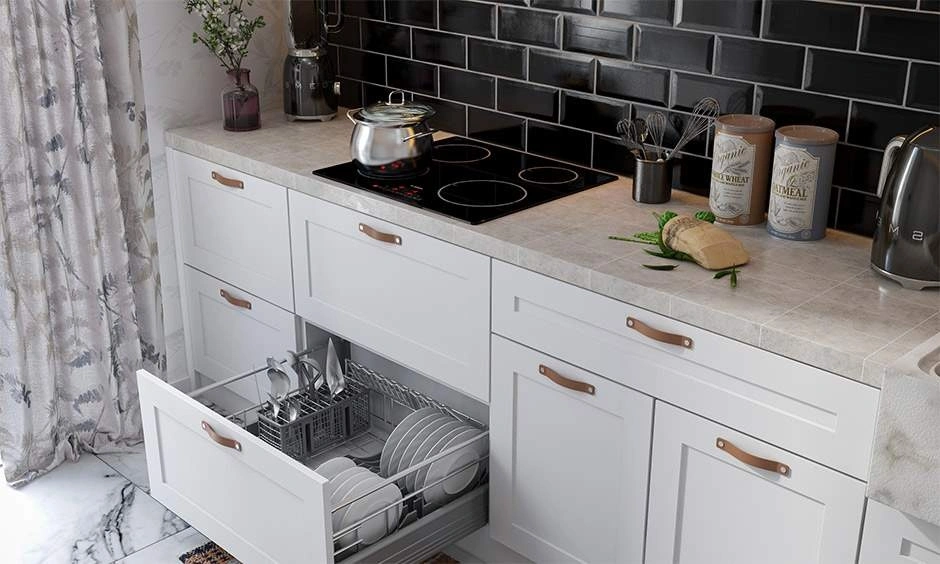
Ceramic tiles are made from natural clay, sand, and water, then fired in a kiln at high temperatures to create a hard surface. They are generally lighter, slightly softer, and easier to cut compared to porcelain. These tiles are well-suited for:
- Bedrooms
- Living rooms
- Decorative walls
What Are Porcelain Tiles?
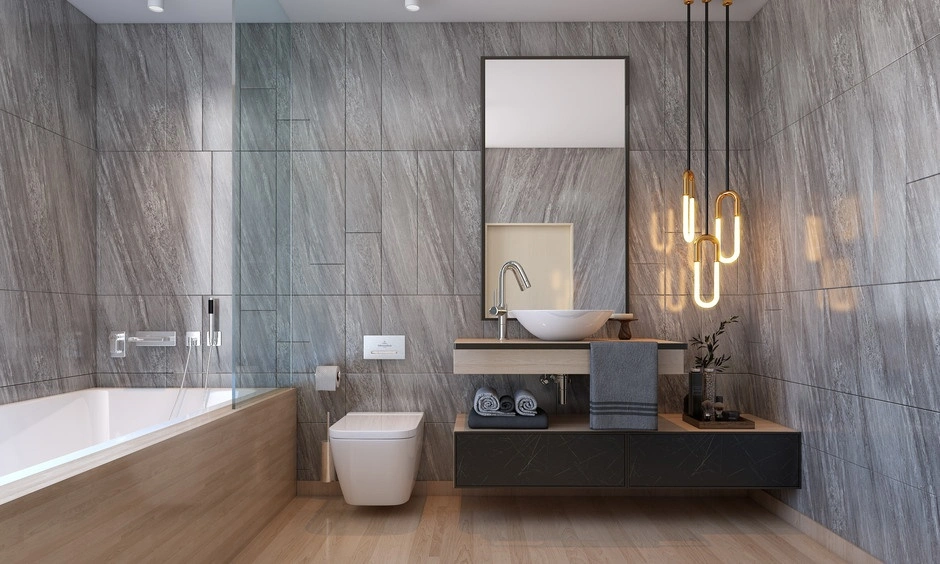
Porcelain tiles are made using refined clay, usually kaolin, and fired at much higher temperatures than ceramic tiles. It’s often mixed with minerals like feldspar. This process creates a denser, less porous, and highly durable tile surface.
Porcelain is moisture-resistant. Hence, it’s ideal for areas which are exposed to regular spills, humidity, or heavy usage, such as:
- Bathrooms
- Kitchens
- High-traffic and outdoor areas
What Is the Difference Between Porcelain and Ceramic Tiles?
These tiles can look identical, but their composition and performance differ. Here are the main differences:
| Feature | Porcelain Tiles | Ceramic Tiles |
| Water Absorption | Less than 0.5% | 3–7% |
| Hardness | Very high (PEI 4–5) | Moderate (PEI 2–3) |
| Weight | Heavier | Lighter |
| Ease of Cutting | Requires a wet diamond cutter | Easier to cut |
| Installation Cost | Higher (specialist needed) | Lower |
| Tile Cost | INR 60 to INR 300+ per sq. ft | INR 25 to INR 120 per sq. ft |
| Ideal For | Bathrooms, kitchens, outdoor areas | Living rooms, bedrooms, walls |
| Heat Resistance | Excellent | Moderate |
| Maintenance | Very low | Low |
| Colour Through Body | Yes (full-body porcelain) | No (glazed surface only) |
Different areas of your home have different functional needs, which is why choosing tiles based only on appearance can lead to problems later. Here’s what you should consider when choosing tiles space-wise:

Porcelain vs Ceramic: Best Tile For Each Space
1. Flooring Areas
Flooring experiences constant movement, furniture weight, spills, and cleaning, so durability becomes extremely important. Porcelain tile flooring is usually the stronger option because of its dense surface and high resistance to scratches, stains, and moisture.
Choose matte porcelain for better grip and dust-hiding. This suits homes with heavy traffic, open layouts, children, or pets. Ceramic tile flooring is better suited to moderately used spaces, such as bedrooms and guest rooms. However, it may chip more easily under heavy impact compared to porcelain.
2. Bathroom Spaces
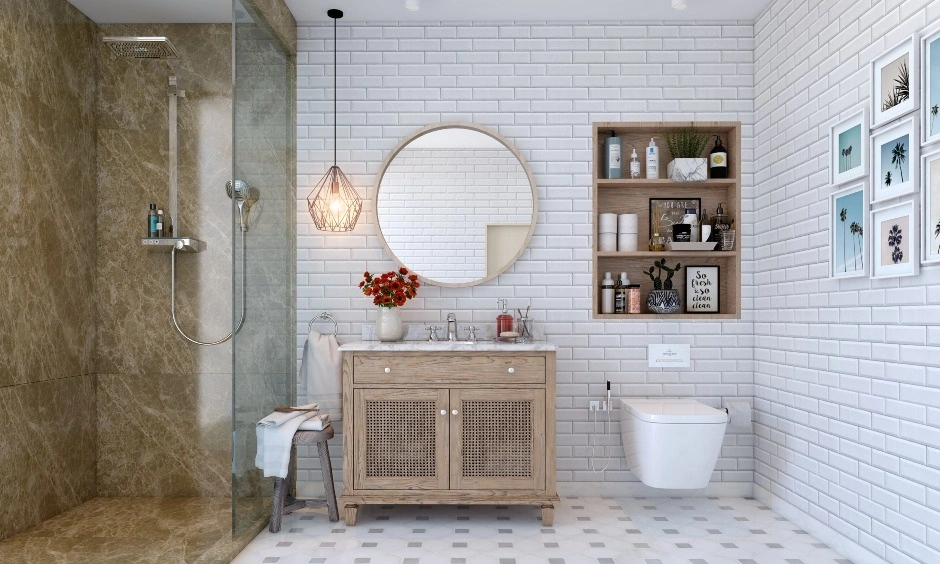
Bathrooms need tiles that can handle moisture and humidity. A porcelain tile for bathroom floor is often the better long-term choice because it absorbs less water and is more durable. You can also consider textured porcelain, as it improves slip resistance.
A ceramic tile for bathroom floor can be a cost-effective option for smaller or low-traffic bathrooms. However, it requires proper sealing to prevent moisture damage over time. Larger tiles require minimal grouting, thus saving you from mould exposure.
3. Kitchen Areas
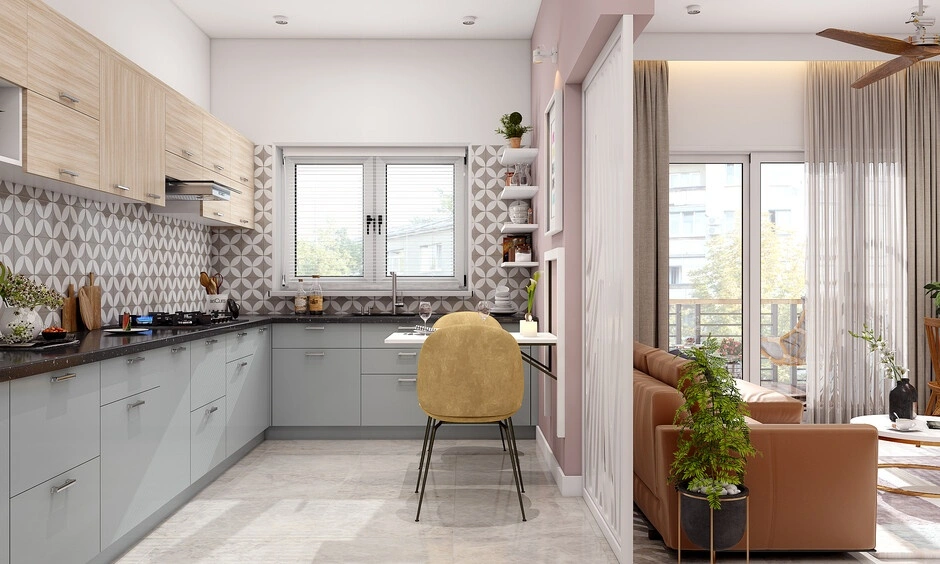
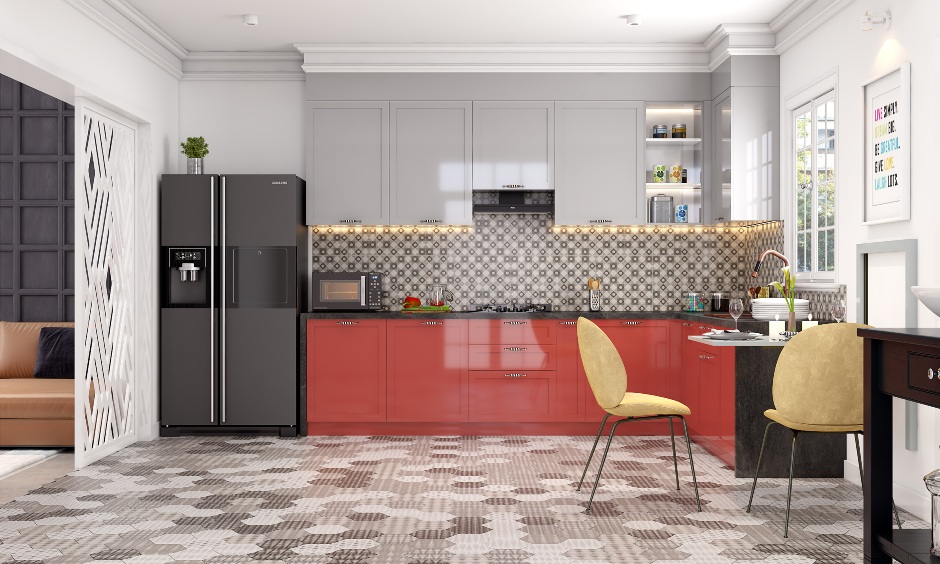
Kitchen tiles should balance practicality and aesthetics, especially in spaces exposed to spills, heat, and daily foot traffic. Porcelain kitchen tiles, especially the large-format ones, are preferred for their stain resistance, durability, and seamless appearance.
If budget and design variety are priorities, a ceramic tile kitchen floor can be a smart option for moderately busy kitchens.
4. Wall Applications
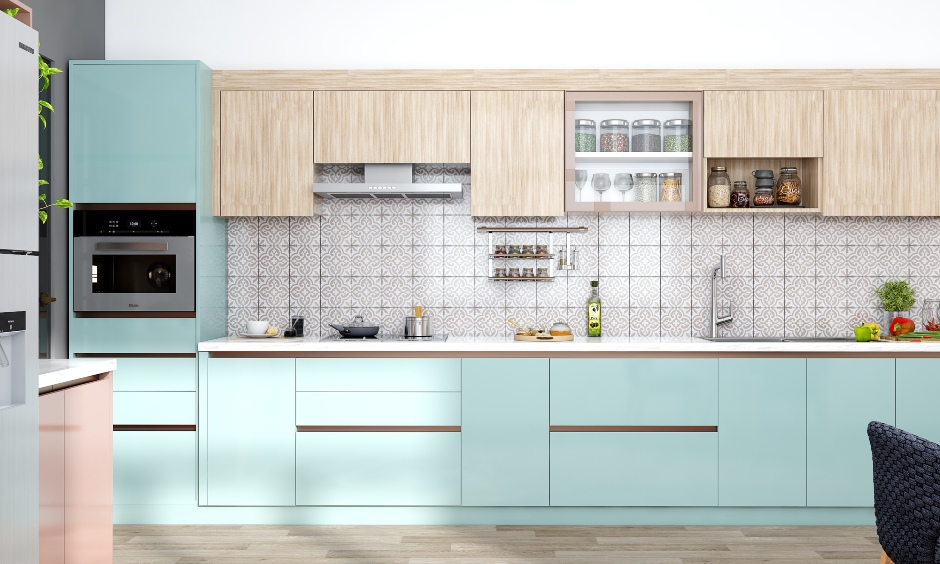
Wall tiles experience less wear, so the choice depends more on maintenance and appearance. Porcelain wall tiles are ideal for moisture-prone areas like bathrooms and backsplashes. They resist stains and water more effectively while offering a more premium finish.
Conversely, ceramic wall tiles are preferred for decorative spaces due to their lightweight construction and wide range of textures, colours, and patterns. They are commonly used for accent walls and feature areas.
Jeffrin Alex says, “We usually recommend saving ceramic tiles for vertical accents—like a textured mandir backdrop—where they don’t face foot traffic.”
5. Living Room Spaces
Living room flooring should complement the space while supporting daily movement with ease. Porcelain tiles offer a refined, durable finish. They can handle heavy furniture as well. For example, high-gloss vitrified porcelain tiles mimic marble without the high maintenance of real Italian stone.
In comparison, ceramic tiles for living room areas are more economical and offer greater design flexibility. They are suitable for homes with moderate foot traffic and homeowners who prioritise decorative variety over heavy-duty performance.
Comparing Cost, Installation, Long-Term Value and Maintenance
While design and finish often influence tile selection, the following factors play an equally important role:
- Cost Difference: Ceramic tiles are generally 30%–50% more affordable than porcelain tiles, both in material and labour costs.
- Installation: Ceramic tiles are lighter and easier to cut, making installation quicker and more cost-effective. On the contrary, porcelain tiles require experienced installers, stronger adhesives, and proper levelling to avoid cracks or hollow flooring later.
- Long-Term Value: Porcelain offers better long-term durability because it resists stains, moisture, scratches, and edge chipping more effectively. Ceramic performs well in moderate-use areas but may wear more quickly in high-traffic areas.
- Maintenance Compared: Both tiles are relatively easy to maintain with regular sweeping and mopping. Using pH-neutral cleaners and re-grouting occasionally helps keep the surface and joints looking fresh for years.
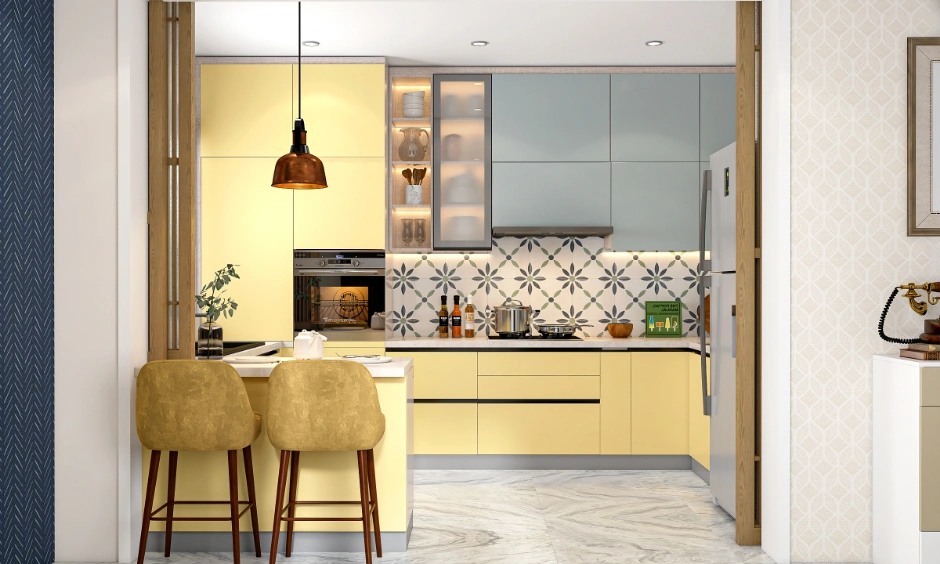
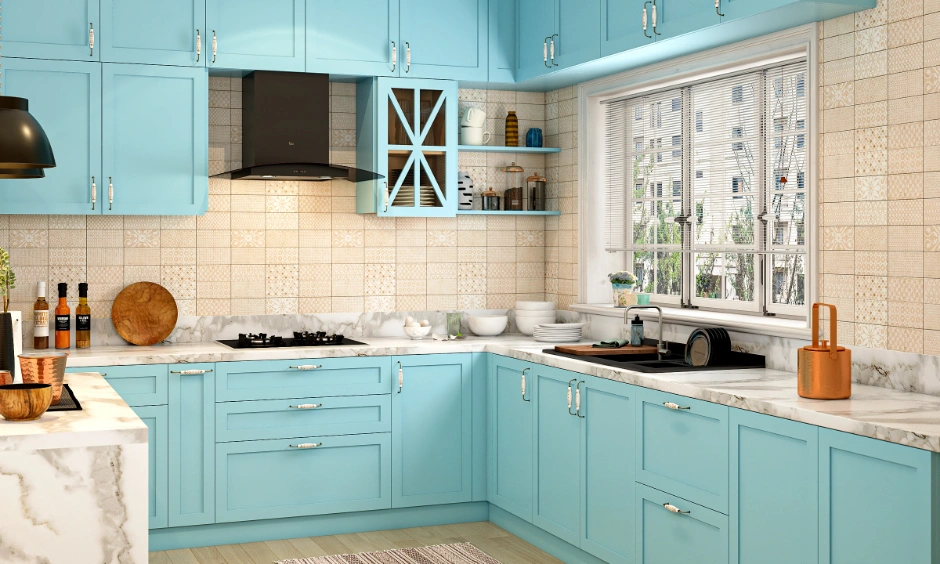
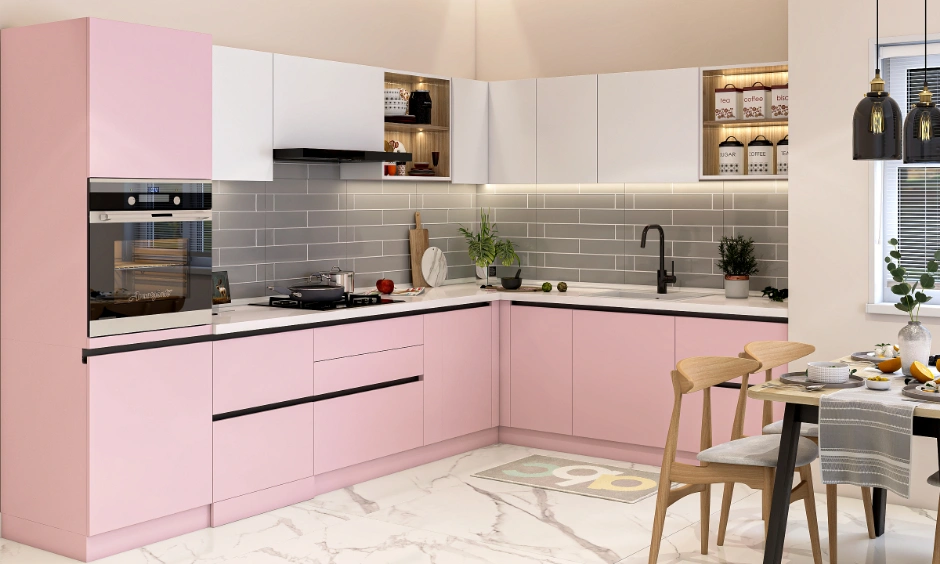
Trending Modular Kitchen Interior Designs

How to Choose Ceramic Tiles Or Porcelain Tiles? A Quick Decision Checklist
Before deciding, review this quick checklist with your interior designer.
- Is the area wet or exposed to water? → Choose porcelain.
- Is it a high-traffic floor or a rental property? → Choose porcelain.
- Is it a wall, a low-traffic room, or a tight budget? → Ceramic works well.
- Do you want large-format, seamless looks? → Porcelain.
- Do you want bold patterns, colours, or handmade finishes? → Ceramic offers more variety.

The Biggest Mistakes People Make While Choosing Porcelain vs Ceramic Tiles
Most homeowners choose tiles solely for their appearance, only to regret it later. Here are a few common mistakes that you should avoid:
- Choosing glossy tiles for wet floors.
- Ignoring slip resistance.
- Using wall tiles on the flooring.
- Prioritising trends over practicality.
- Selecting tiles without considering maintenance.
- Skipping proper expansion joints at walls and every 4–6 metres of floor.
- Not using tile adhesive; relying on cement instead.
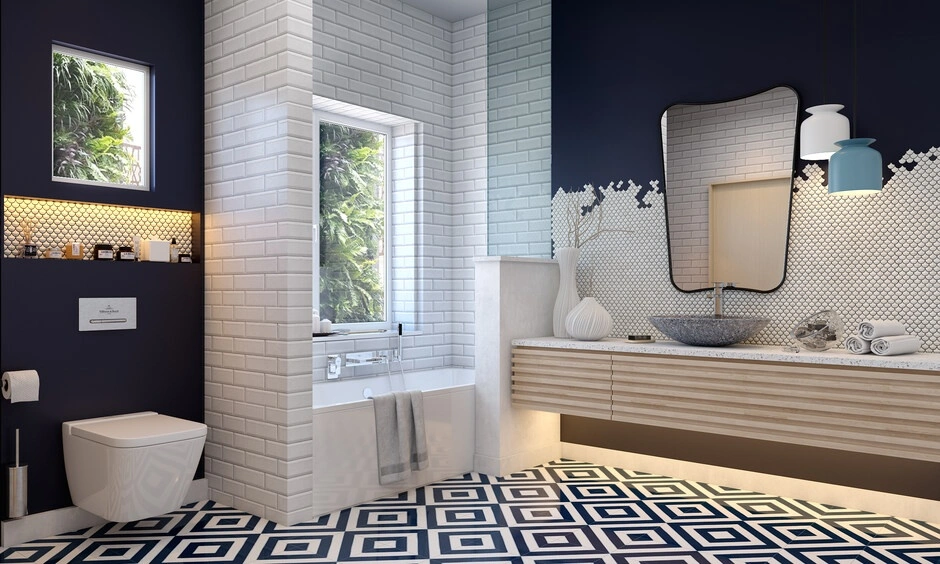
Choose Tiles That Perform as Beautifully as They Look
In the porcelain vs ceramic debate, there’s no clear winner. Each tile works differently for each space. Porcelain performs better in high-traffic, moisture-prone areas due to its durability and resistance. Ceramic offers visual variety, easier customisation, and a more cost-efficient approach for everyday interiors.
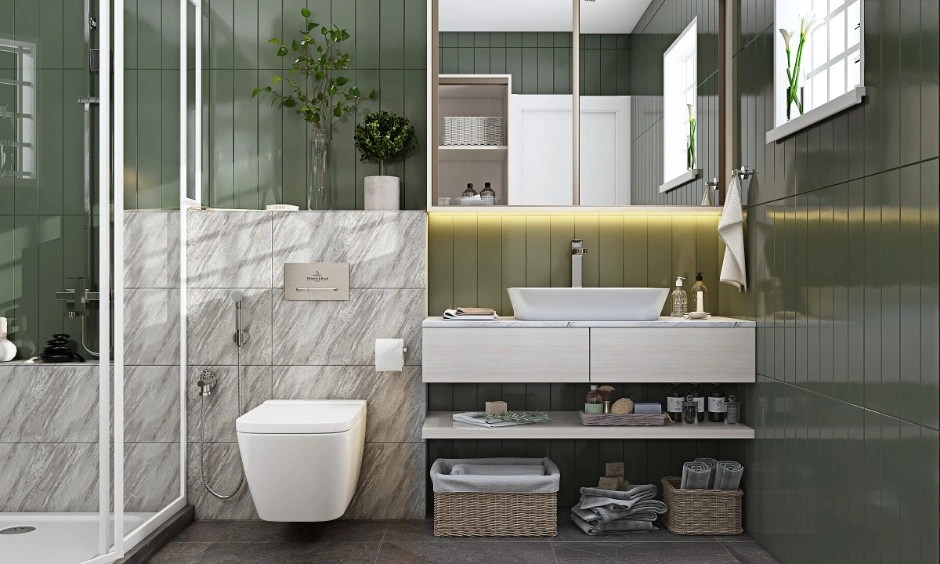
When chosen thoughtfully, the right mix of tiles does more than elevate aesthetics. It improves comfort, simplifies maintenance, and helps your home function better in the long run.
FAQs
1. What is the main difference between porcelain and ceramic tiles?
Porcelain tiles are denser, less porous, and more durable than ceramic tiles. Ceramic tiles are lighter, easier to install, and more budget-friendly.
2. Which is better: porcelain vs ceramic for bathroom floors?
Porcelain is generally the better choice for bathroom floors because it absorbs less moisture and offers better durability in wet areas.
3. Is porcelain tile flooring better than ceramic tile flooring?
Porcelain tile flooring performs better in high-traffic and moisture-prone spaces due to its strength and stain resistance. Ceramic works well in moderately used areas.
4. Can I use ceramic tiles on the kitchen floor instead of porcelain?
Yes, ceramic tiles can be used for kitchen floors, especially in moderately used kitchens. However, porcelain offers better durability and stain resistance for heavy daily use.
5. Which is more durable in porcelain vs ceramic tiles?
Porcelain tiles are more durable due to their dense composition and greater resistance to scratches, moisture, and wear.
6. Are porcelain tiles more expensive than ceramic tiles?
Yes, porcelain tiles are usually more expensive than ceramic tiles in terms of material and installation costs. However, they often provide better long-term value.