Select Category


AI Summary
7 key insights · 1 expert tipMost Indian homes place the TV too high without realising how much it affects comfort. This guide explains the ideal TV unit height from floor for different screen sizes, room layouts, and seating setups so your living room feels comfortable, balanced, and easier to watch every day.
KEY INSIGHTS
- The ideal TV unit height keeps the screen centre aligned with seated eye level.
- Different screen sizes require different TV heights from floor measurements.
- Low-height TV units work better in compact apartments and small living rooms.
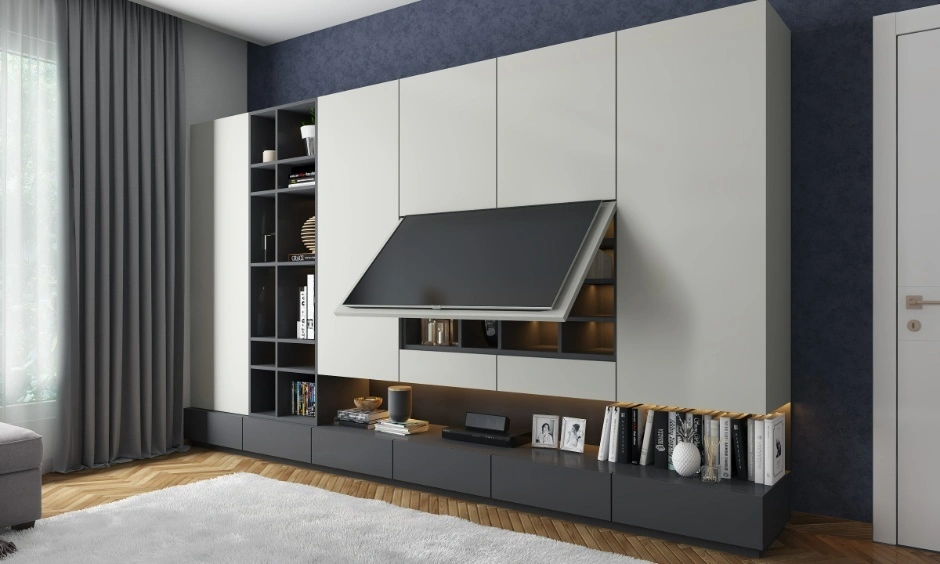
- Full-height TV units and double-height TV unit designs suit taller walls and duplex homes.
- Proper TV installation height reduces neck strain, glare, and eye fatigue.
- Floating TV units remain one of the biggest TV unit design trends for 2026.
- Storage planning matters just as much as screen placement in modern Indian homes.
 DESIGNCAFE EXPERT TIP
By our design team
DESIGNCAFE EXPERT TIP
By our design team
Vaishali Awasthi, Studio Manager, DesignCafe, suggests, “Before finalising your TV unit height, sit on your sofa for 10 minutes the way you normally watch TV. Most people sit lower and recline more than expected. Designing around your actual posture gives far better viewing comfort than relying only on standard measurements.”
Your TV unit height from the floor determines if evenings feel relaxing or painful – here’s exactly what works in real Indian homes.
Most Indian homes mount the TV too high.
The result? Neck strain, uncomfortable viewing angles, and eye fatigue.
The right TV unit height keeps the screen aligned with your seated eye level for relaxed viewing. This guide will help you find the ideal setup for your home and provide dependable design principles to get the best out of your screen time.

What Is The Ideal TV Unit Height From The Floor?
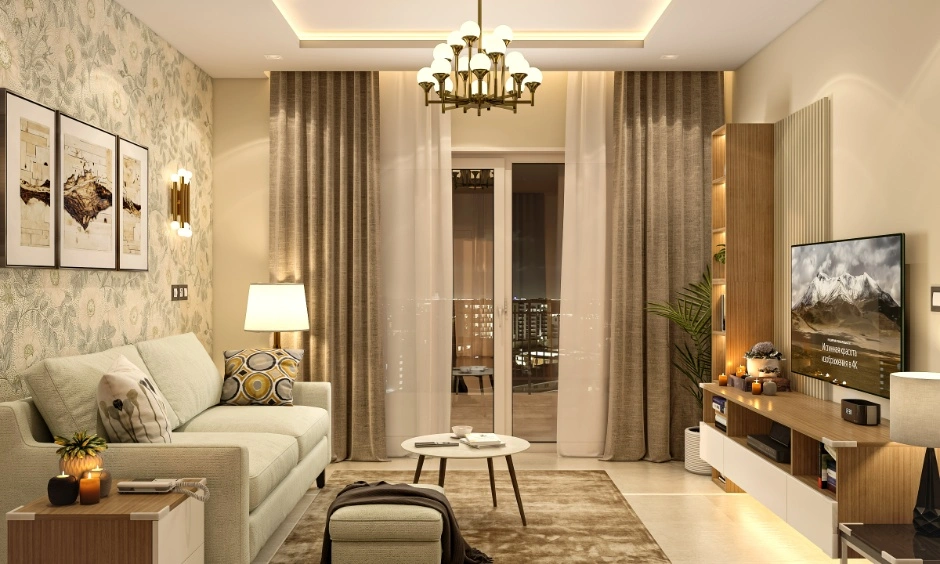
The ideal TV unit height from the floor puts the centre of your TV screen at eye level when seated. This simple rule prevents neck strain for the whole family.
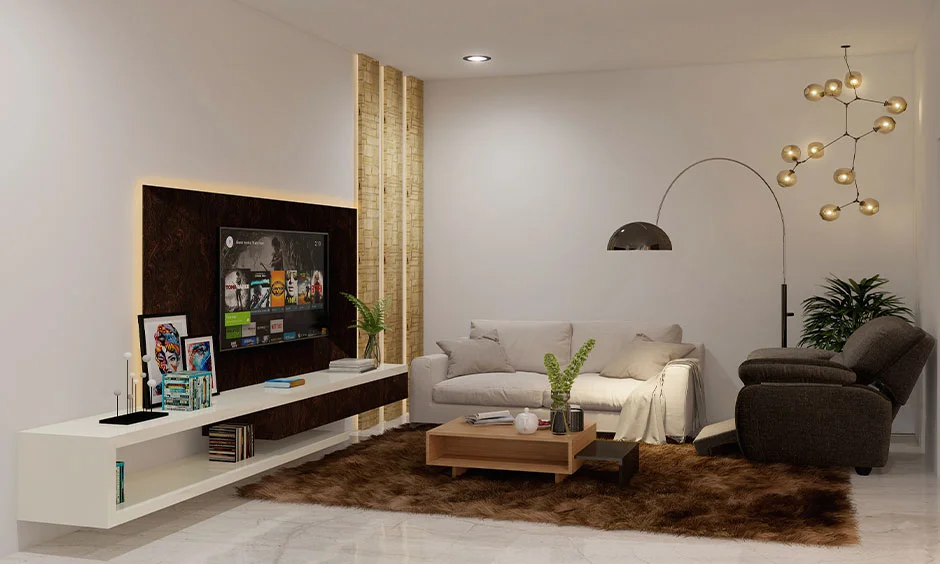
In most Indian living rooms, it means the bottom of the TV sits 18 to 24 inches from the floor.
TV Unit Standard Height Guidelines (By Screen Size)
Different screen sizes require slightly different TV heights for floor placements. Use this table as your quick guide.
| Screen Size | Ideal Centre Height from Floor | Bottom of TV Height |
| 32–43 Inch | 36-40 inches | 18-22 inches |
| 50–55 Inch | 40-44 inches | 22-24 inches |
| 65 Inch and Above | 42-48 inches | 24-28 inches |
How To Calculate the Perfect TV Height (Step-by-Step)?
You do not need special tools.
Step 1: Sit on your usual sofa and measure from the floor to eye level.
Step 2: Measure the height from the floor to your eye level.
Step 3: Find the exact height of your TV screen.
Step 4: Subtract half the TV height from your eye level.
Step 5: That number is where the bottom of the TV should sit.
| Eye Level Height − (TV Height ÷ 2) = TV Bottom Height |
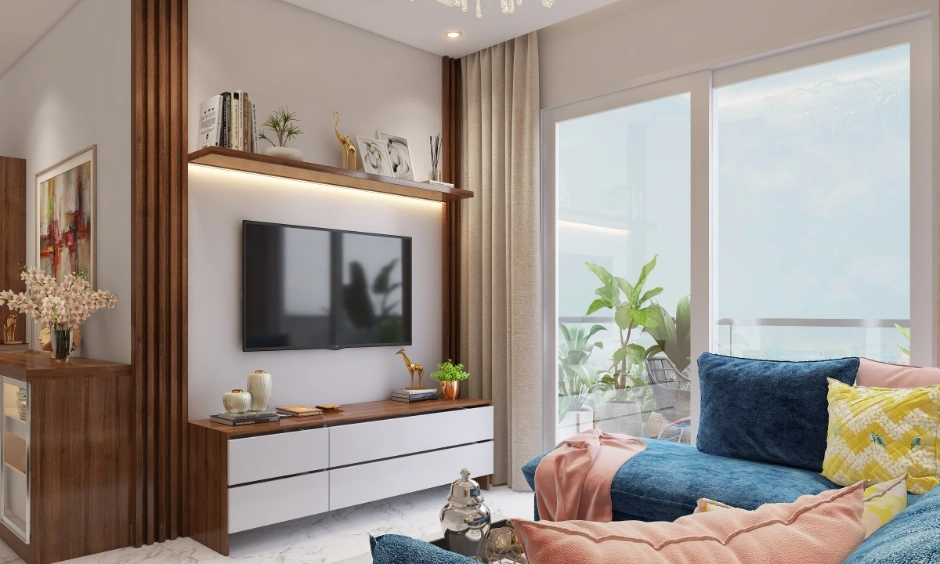
Modern Living Room Interior Designs


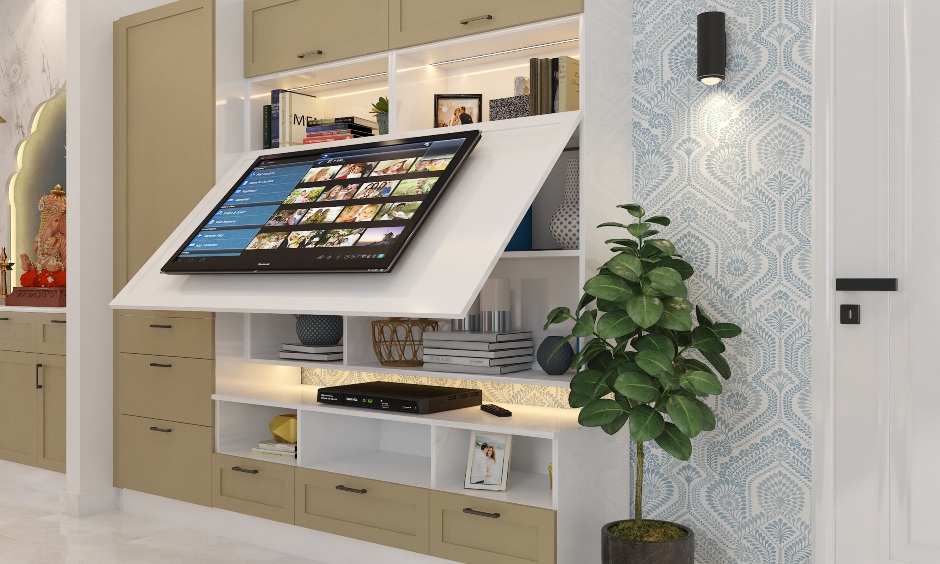
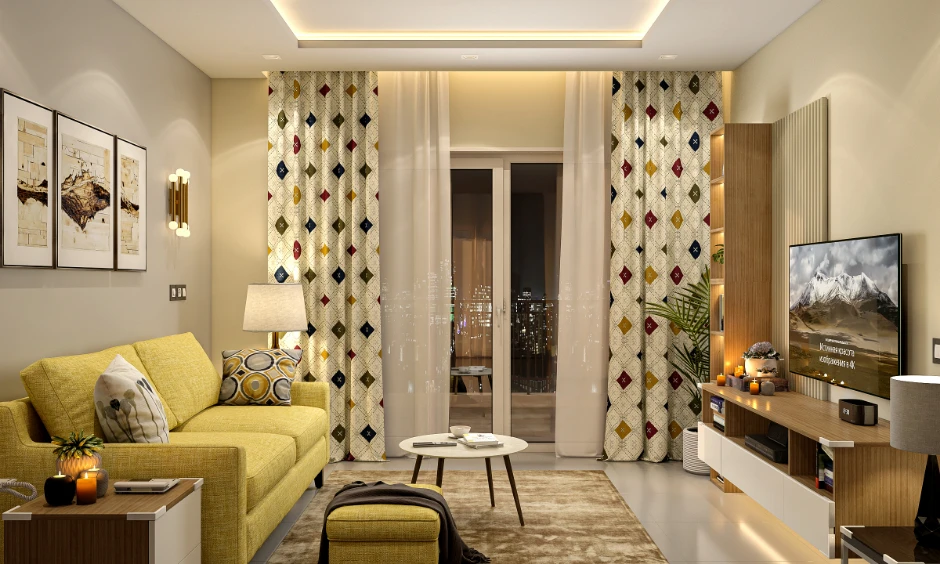
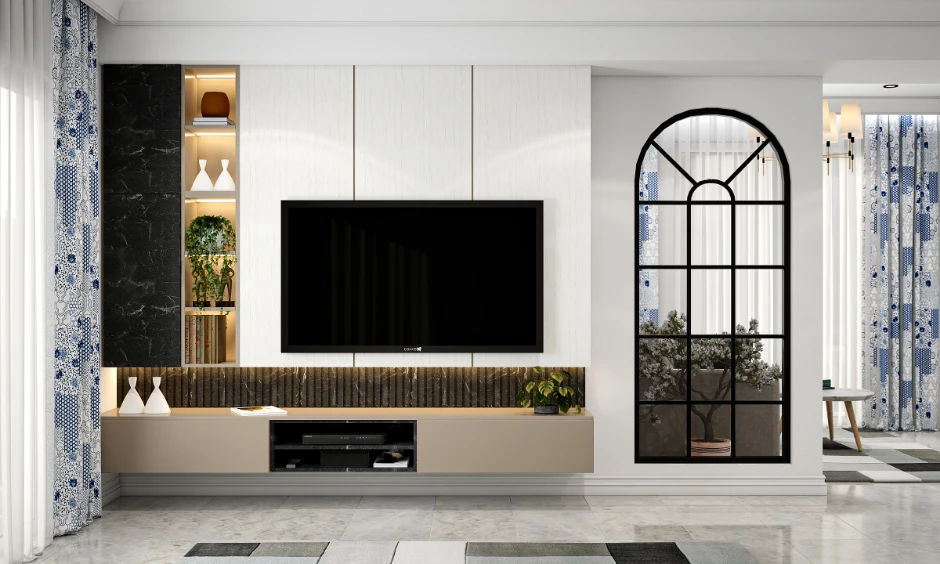
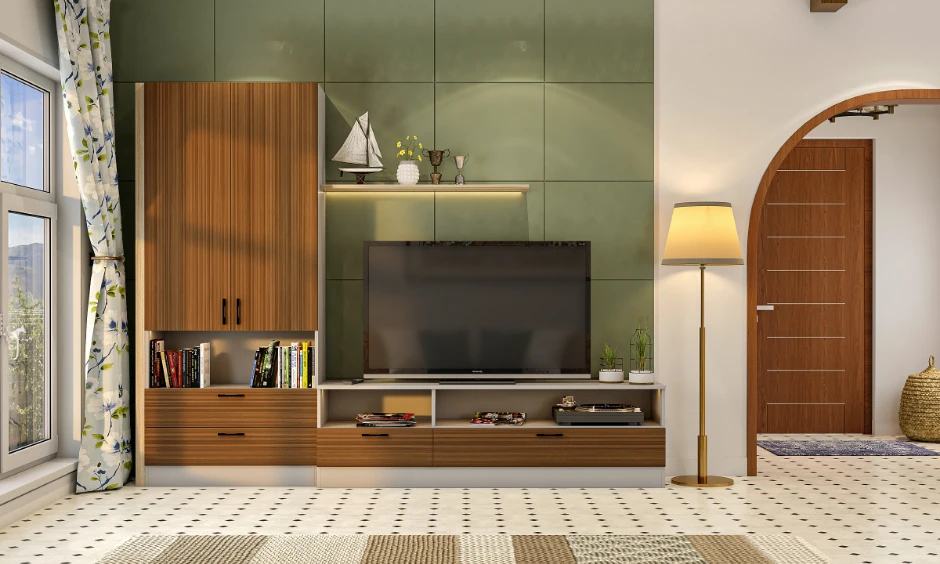
Factors That Affect Ideal TV Installation Height
Several factors influence the ideal height for your TV unit. For instance:
- Your sofa height changes the perfect placement. Higher sofas call for a slightly higher TV unit.
- Room size also matters a lot. Small spaces feel better with a lower TV unit height from the ground.
- Family heights vary, so use the average eye level. Always test with your daily seating position first.
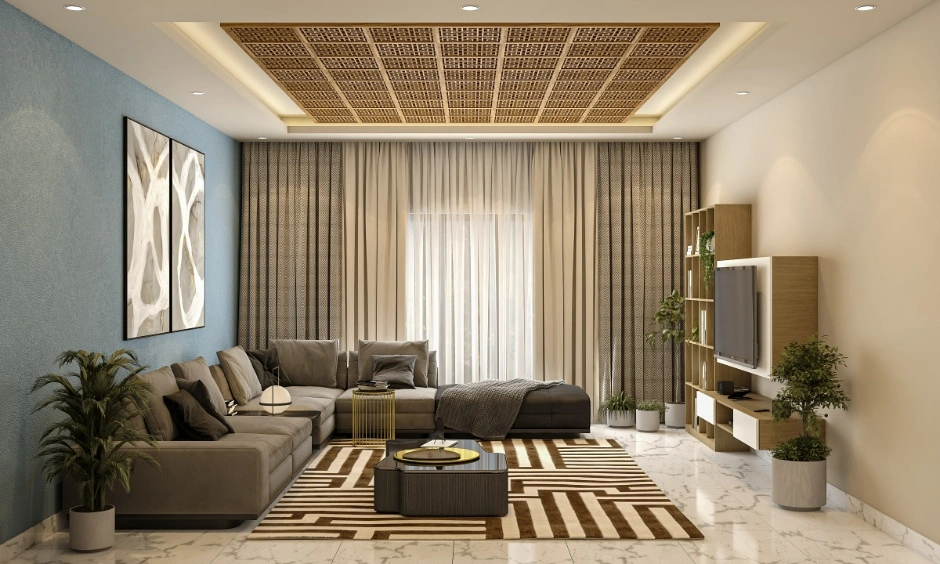
Wall-Mounted TV vs TV Unit: Height Differences
Wall-mounted TVs offer easy fine-tuning. You adjust the exact TV installation height in minutes.
A TV unit adds storage but locks the height. Many families combine both for the best of both worlds.
| Feature | Wall-Mounted TV | TV Unit Setup |
| Height Flexibility | Very high | Fixed once built |
| Storage | None | Built-in drawers and shelves |
| Stability | Good with proper mount | Very stable |
| Best For | Clean modern look | Families needing extra space |
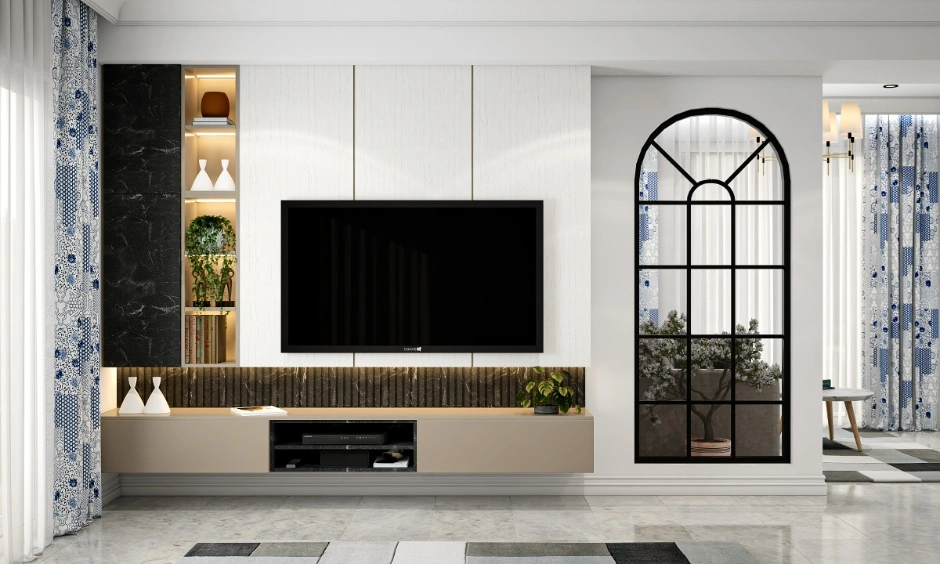
Different Indian Homes Demand Different TV Unit Height
Most Indian apartments have 9 to 10-foot ceilings, so TV placement can easily make the room feel balanced or awkward.
A standard height of a TV unit between 20 to 24 inches works well in most homes. Smaller apartments usually benefit from a low-height TV unit because it keeps the space visually lighter.
In villas and duplex homes, a full-height TV unit suits taller walls better. A double-height TV unit design also helps large living rooms feel more connected and proportionate.
Natural light matters too. In cities like Bengaluru, Mumbai, and Kolkata, proper TV height from the floor can reduce glare from large windows during daytime viewing.

Common Mistakes To Avoid For TV Installation Height
Many people place the TV too high for photos. It looks stylish but causes real neck pain later. So, here are some common mistakes you should avoid while setting up your TV.
| Mistake | What Happens | What to Do Instead |
| TV set too high above the unit | Neck strain | Keep the centre at eye level |
| No measurement before buying | Wrong height after install | Measure the sofa and eyes first |
| Ignore cables and ventilation | Overheating or a messy look | Choose units with holes and gaps |
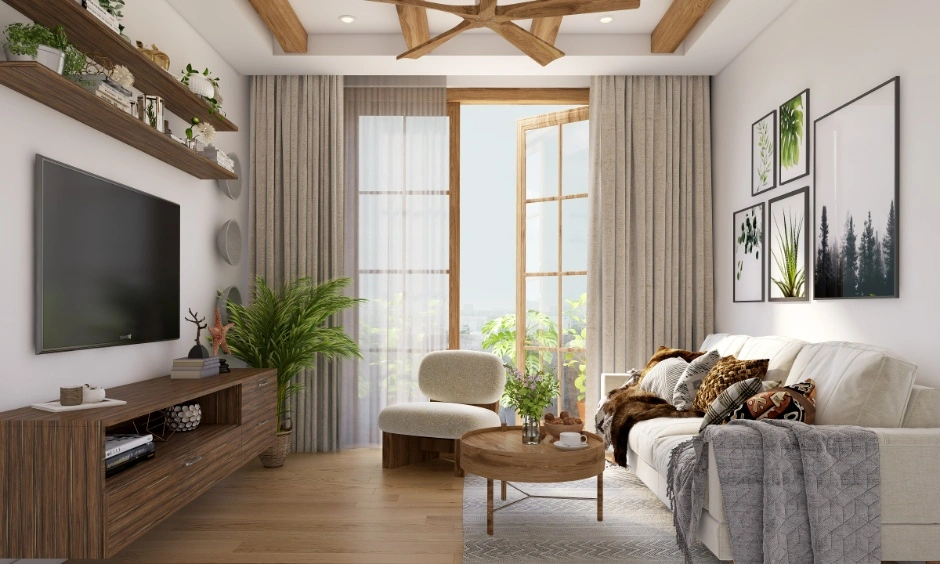
Storage And Functional Considerations For Ideal TV Height From Floor
Most TV units end up storing far more than a TV – remotes, routers, charging cables, speakers, gaming accessories, extra batteries, and other junk. The clutter builds up quietly over time. Choose media consoles that balance weight and can house complex wiring infrastructure or media peripherals neatly out of sight.
A unit with deep closed cabinets keeps everyday mess hidden and makes the living room feel calmer instantly. Smaller open shelves are useful too, but for books and décor items.
In compact apartments, bulky furniture takes up precious floor space and makes the space feel more cramped. So, floating shelves and wall mounting work better.
Moreover, a full-height TV unit adds extra vertical storage for books, decor pieces, and concealed utilities.
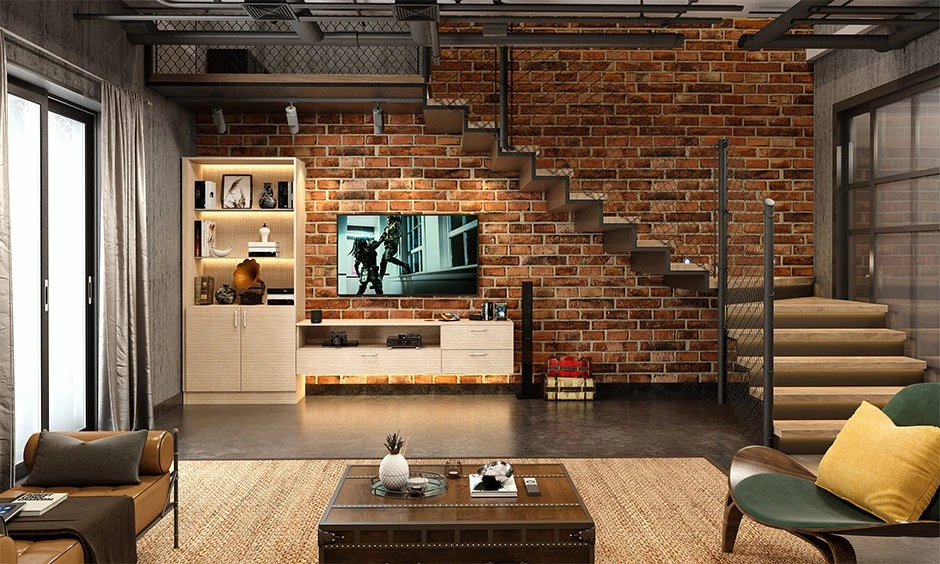
Latest TV Unit Height Design Trends (2026)
Floating TV units continue to trend because they free up floor space and make compact living rooms feel visually lighter.
Warm matte wood finishes and muted greys blend especially well with modern Indian homes without overpowering the space. Matte surfaces or fluted timber panelling reduce ambient screen reflections across open-plan apartment layouts.In larger homes, double-height TV unit designs create a stronger visual statement while adding open shelves for books, plants, and décor pieces.
Hidden strip lighting inside these units adds depth and gives the wall a cleaner, more polished finish at night.
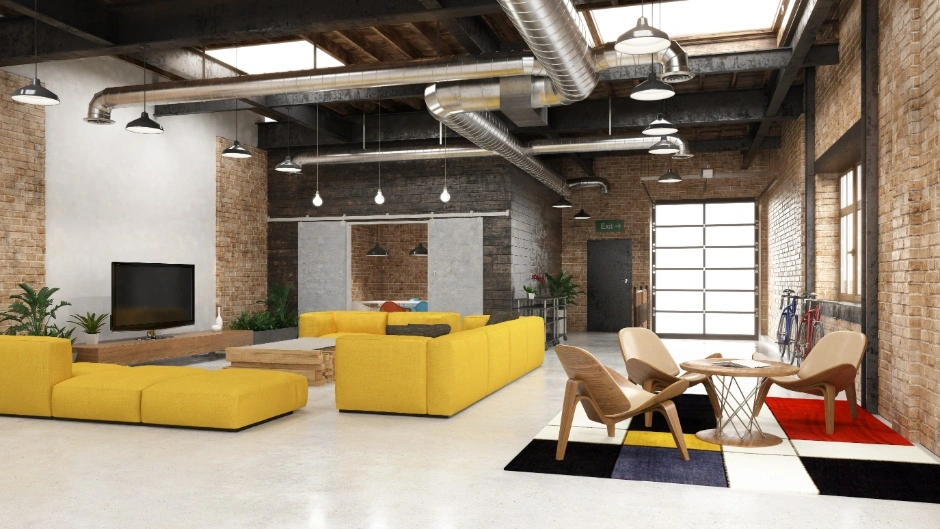
Quick TV Unit Height from Ground: Tips for Perfect Viewing
- Sit in your normal spot and mark eye level on the wall.
- Keep the TV 1.5 to 2 times the screen size away in inches.
- Avoid direct sunlight on the screen.
- Use a tilting mount for better angles.
- Check the view from every seat in the room.
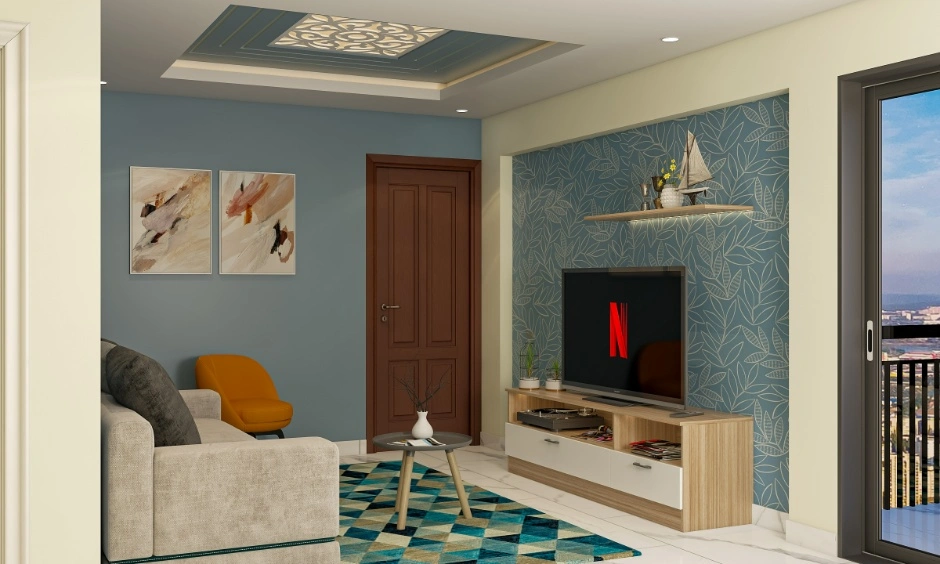
Conclusion
The right TV unit height from floor makes your living room the most comfortable space in your home. Small measurements now save years of neck pain and unhappy evenings. A well-proportioned console anchors a wall space even when the screen is dark.
Ready to get your TV unit height perfect? Book a free consultation with DesignCafe designers today.
For more design ideas, check out our blog section.
FAQs
1. What is the standard height for a TV unit in a living room?
The standard height keeps the TV screen centre at your seated eye level, usually 40-42 inches from the floor.
2. How do you calculate the correct TV height from the floor?
Sit on your sofa, measure the floor to the eyes, then set the TV centre to match that height.
3. What is the ideal TV height for different screen sizes (32”, 43”, 55”, 65”)?
32-43 inch: 36-40 inches centre; 50-55 inch: 40-44 inches; 65 inch: 42-48 inches from floor to screen centre.
4. What is the ideal TV unit height for small living rooms?
A low-height TV unit with a screen centre at 38-42 inches keeps the room feeling open and comfortable.
5. How does room size influence TV placement height?
Larger rooms allow slightly higher placement, while smaller rooms need a lower TV unit height from floor for close viewing.
6. What is the most comfortable viewing angle for watching TV?
Your eyes should rest near the screen centre with no more than 15 degrees of upward or downward tilt.
7. Is it better to wall-mount a TV or place it on a unit?
Wall-mounting gives flexible height, while a TV unit adds storage – most homes use both together for best results.