Select Category


AI Summary
6 key insights · 1 expert tipA centre table for living rooms does far more than fill the space between sofas. It influences circulation, anchors the seating arrangement and affects how spacious or balanced a room feels. Choosing the right design means understanding scale, material, shape and daily usage. This guide explains how to select a centre table that complements both your home and your lifestyle.
KEY INSIGHTS
- The right centre table for living room layouts is shaped as much by proportion as aesthetics.
- A wooden centre table for living rooms adds warmth and works with a wide range of interior styles.
- Glass and marble tables influence how a room feels visually, making them suitable for different spatial requirements.
- Round tables improve circulation in compact layouts, while rectangular forms complement larger seating arrangements.
- Storage, nesting and foldable features can make everyday living more comfortable in smaller homes.
- The most successful centre tables respond to movement patterns, sofa dimensions and lifestyle needs rather than trends alone.
 DESIGNCAFE EXPERT TIP
By our design team
DESIGNCAFE EXPERT TIP
By our design team
Priyanka Sharma, Senior Interior Designer, DesignCafe Bengaluru, who specialises in urban apartment interiors and family homes, recommends starting with proportion before style. "Most homeowners choose a centre table based on appearance. We begin with circulation space, sofa dimensions and how the family uses the room. Once the proportions are resolved, selecting the material and design becomes significantly easier."
From material choices to proportions and placement, here’s how to choose a centre table that feels right for your home and the way you live.
A centre table for living room isn’t simply a decorative addition. It establishes visual balance, affects movement across the room, and often becomes the surface people interact with most. A design that looks impressive in a catalogue can feel oversized in an apartment or impractical for everyday use once it enters a real home.
Successful selection requires balancing structural scale, material resilience, and daily foot traffic.

Why Does A Centre Table For Living Room Design Matter?
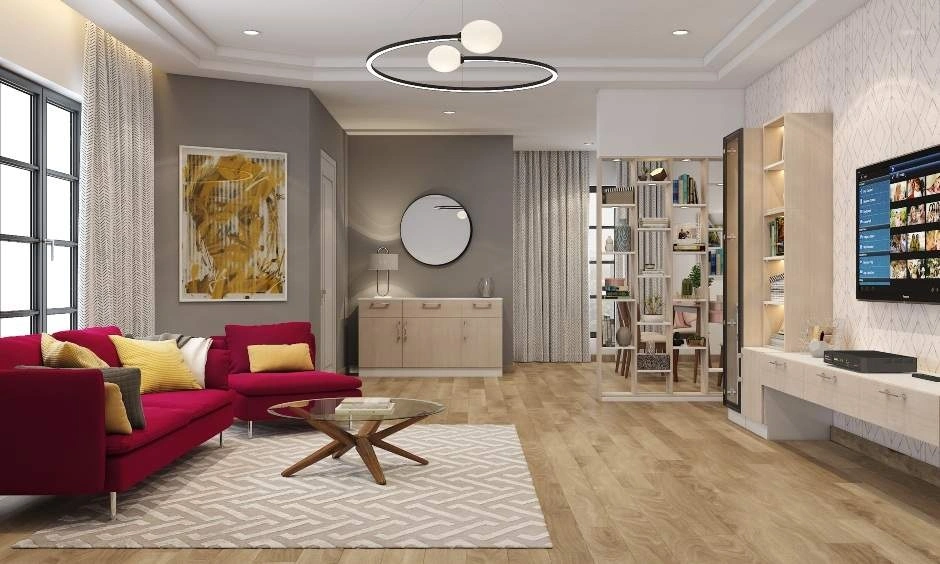
A centre table acts as the visual anchor of a seating arrangement. It connects sofas, accent chairs and rugs into a unified composition while providing a convenient surface for everyday essentials.
Its influence extends beyond function. The wrong dimensions can interrupt movement and make a room feel crowded. The right proportions create comfortable circulation paths and strengthen the overall layout.
Living Room vs Drawing Room: Does The Centre Table Change?
Yes.
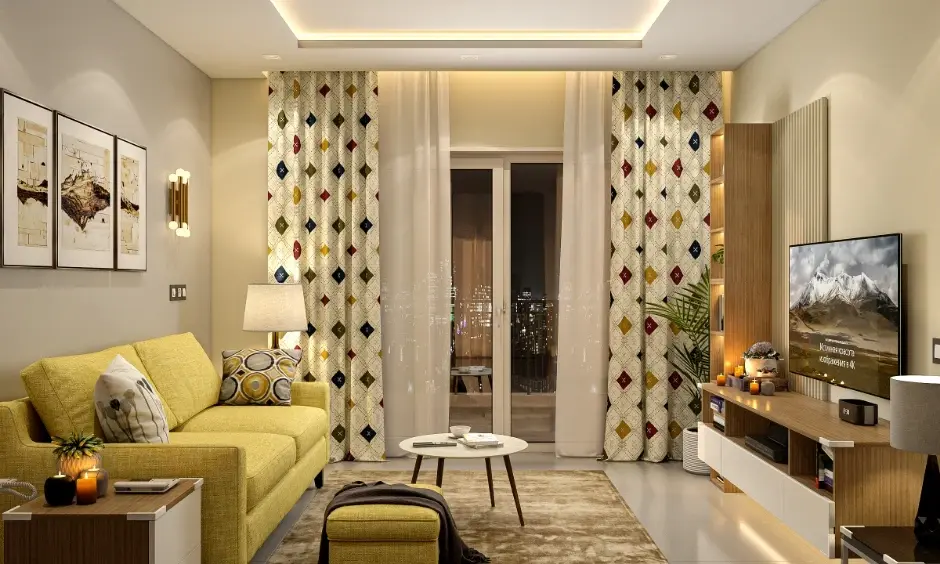
A centre table for a formal drawing room often prioritises material expression and visual impact. Marble tops, sculptural bases and statement silhouettes are commonly used because the space is designed primarily for guests.
A living room centre table, on the other hand, needs to support daily routines. Storage, durability and ease of movement become equally important considerations. The selection process shifts from purely aesthetic decisions to a balance between appearance and usability.
Modern Centre Table Designs for Living Room: Material Choice & Lifestyle
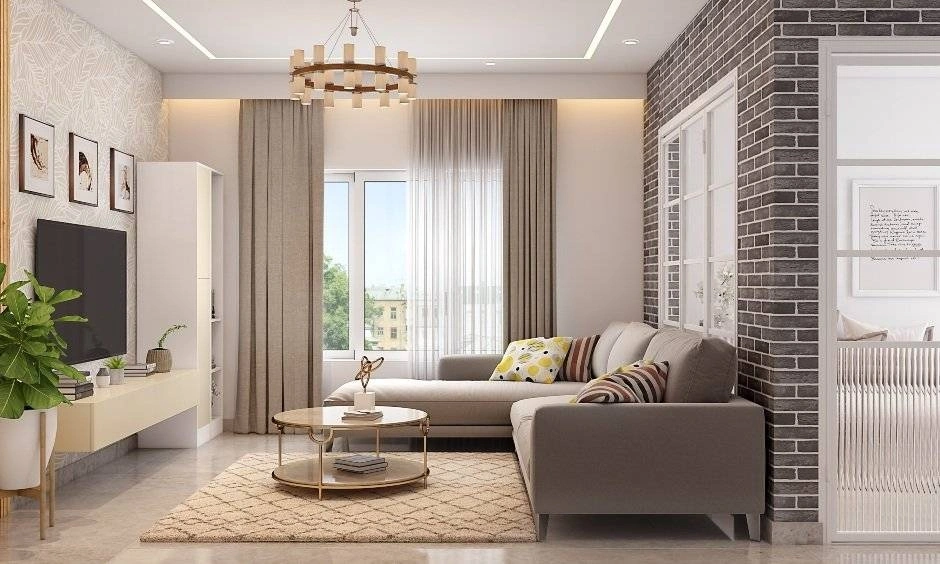
Material influences more than appearance. It affects maintenance, durability, visual weight and how the table interacts with surrounding furniture.
Wooden Centre Table for Living Room Interiors
A wooden centre table for living rooms remains one of the most enduring choices for the character it brings to a space.
Unlike synthetic finishes, natural wood introduces grain patterns, tonal variation and texture that make a space feel layered rather than flat. In contemporary apartments, oak and ash finishes pair particularly well with minimalist upholstery, while darker walnut tones add depth to larger layouts.
A wooden centre table design for living room settings works especially well when you want the furniture to feel grounded without drawing excessive attention.
Wood is ideal for:
- Family homes with regular usage
- Scandinavian-inspired interiors
- Contemporary living rooms
- Homes seeking low-maintenance furniture
Many of today’s latest centre table design concepts combine timber with metal detailing, fluted surfaces, or concealed storage, creating pieces that feel practical yet remain visually refined.
Glass Centre Table for Living Room Layouts
A glass centre table for living rooms changes how a room is perceived. Rather than occupying visual space, glass allows sightlines to travel uninterrupted across the room. This quality becomes particularly valuable in compact apartments where every element contributes to the perception of openness.
Glass tables also allow rugs, flooring materials and architectural details beneath them to remain visible, helping preserve visual continuity.
They are particularly effective for:
- Compact living rooms
- Minimalist interiors
- Homes with statement rugs
- Spaces where visual lightness is important
Tempered glass remains the preferred option because it offers significantly greater durability than standard glass.
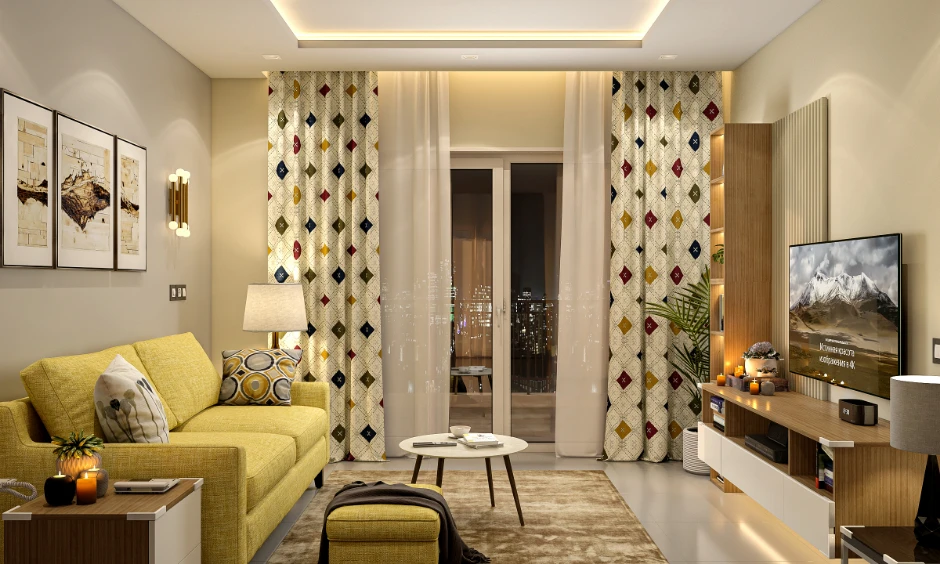
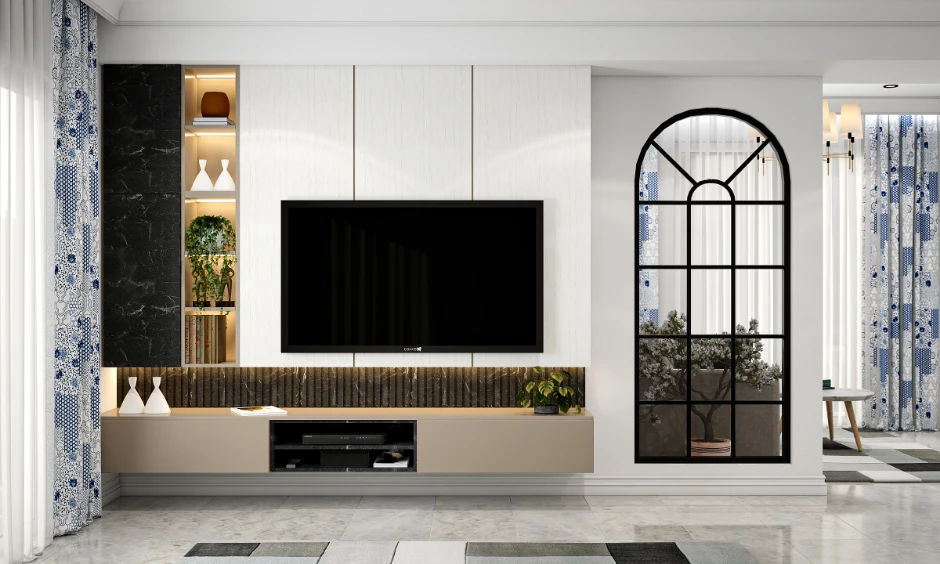
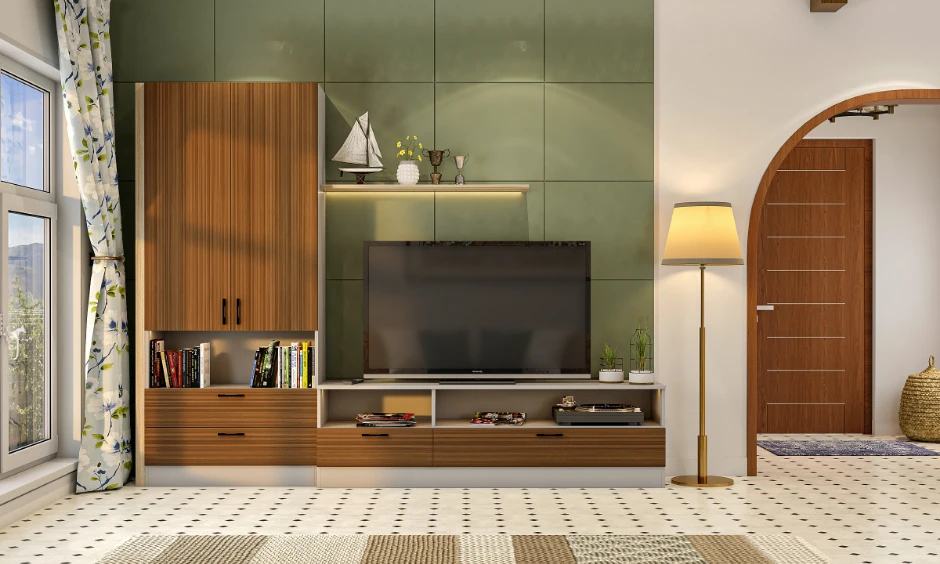
Modern Living Room Interior Designs


Marble Centre Table For Statement Living Rooms
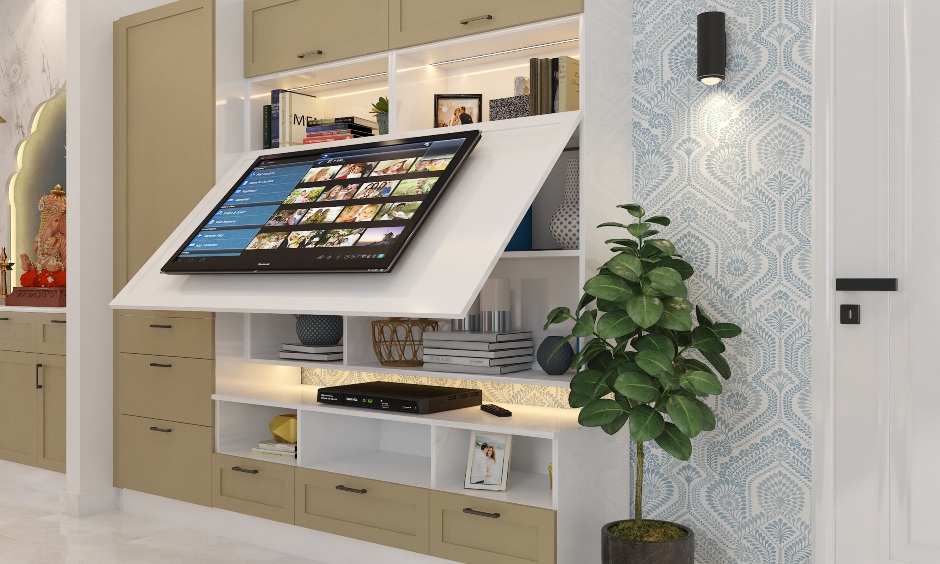
A marble centre table introduces material richness that few alternatives can match. However, its appeal extends beyond luxury. Marble brings natural veining and variation that make each piece unique. The surface often becomes a focal point within an otherwise restrained interior palette.
When selecting marble, homeowners should understand the difference between sealed and unsealed surfaces. Sealed marble offers better resistance to everyday staining, making it more practical for Indian households where frequent entertaining is common.
Marble works particularly well in:
- Luxury apartments
- Contemporary premium residences
- Formal entertaining spaces
- Neutral-toned interiors
Contemporary Centre Table Designs For Modern Homes
A contemporary centre table prioritises adaptability and simplicity. Current designs are noticeably different from the bulky tables that dominated living rooms a decade ago. Today’s forms favour lighter visual profiles, softer edges and multi-functional features that respond to changing lifestyles.
Popular characteristics include:
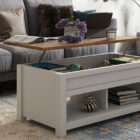
- Nested tables that slide beneath one another
- Hidden storage compartments
- Mixed material construction
- Rounded edges
- Minimal silhouettes
The evolution reflects a broader shift in interior design. Furniture is increasingly expected to support flexibility rather than occupy space permanently.
Centre Table for Living Room: Mistakes To Avoid
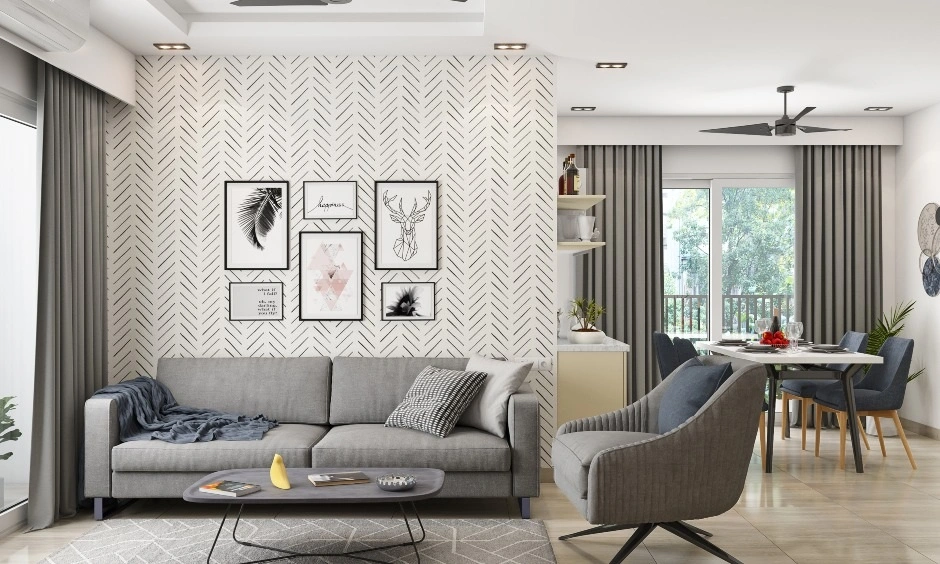
A centre table may look beautiful in a showroom, but a few common mistakes can make it feel out of place once it reaches your home. The most frequent issue is choosing a table based solely on appearance without considering scale. An oversized table can restrict movement, while one that’s too small may feel disconnected from the seating arrangement. The most frequent error is decoupling a table’s footprint from the scale of the surrounding upholstery.
Many homeowners also overlook the need for clearance space, making the living room difficult to navigate comfortably. Material selection is another common misstep. A marble centre table may look stunning, but could require more maintenance than a busy family household can realistically manage.
Similarly, delicate glass surfaces may not be ideal for homes with young children. The best centre tables strike a balance between proportion, practicality and design, responding to how the room is actually used rather than simply following trends.
Here’s What Homeowners Are Choosing In 2026
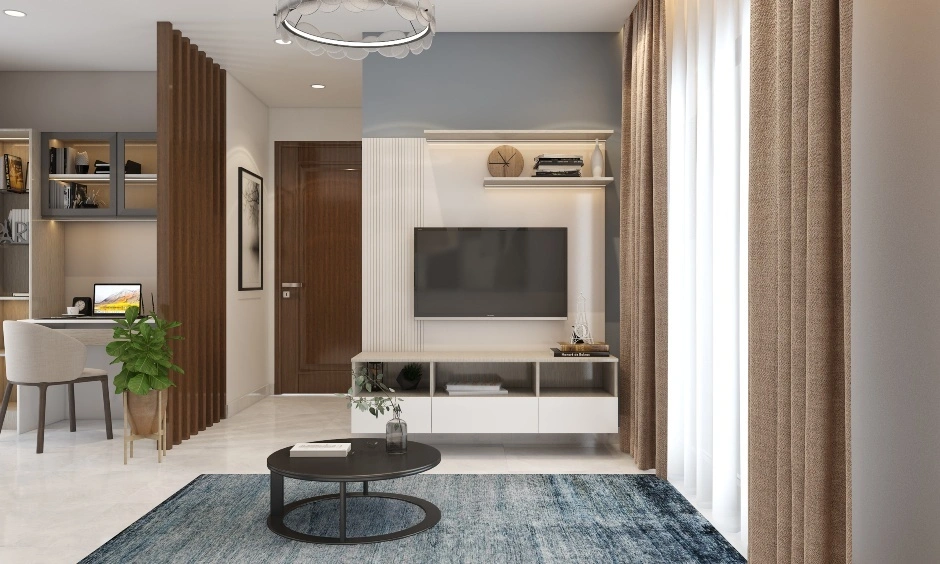
The latest centre table design trends reveal a preference for flexibility, softer geometry and material contrast.
Modern Centre Table Designs for Living Room
Modern centre tables increasingly favour rounded profiles and layered forms.
Sharp corners are being replaced by softer silhouettes that improve circulation and create a more relaxed visual rhythm. Radius edges physically clear path dimensions in compact walkways, reducing edge collision in high-traffic family rooms. Designers are also pairing contrasting materials, such as wood and stone or metal and glass, to add depth without relying on ornamentation.
Luxury Centre Table Design Trends
A luxury centre table today is defined less by extravagance and more by craftsmanship.
Natural stone tops, sculptural bases and carefully proportioned forms have become more desirable than heavily embellished furniture. The focus has shifted towards quality materials and thoughtful detailing.
Foldable Centre Table For Living Room Apartments
As urban homes become more compact, the foldable centre table has gained popularity.
These designs offer flexibility for homeowners who need spaces to perform multiple functions throughout the day. Foldable and expandable tables can adapt to entertaining, work or everyday family use without permanently occupying valuable floor area.
Small Centre Table For Living Room Layouts
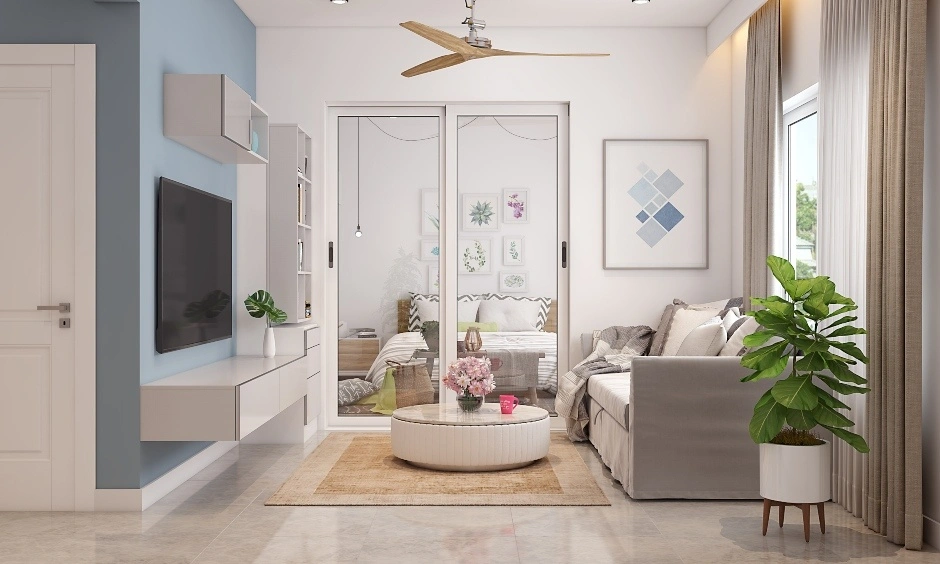
A small centre table for living room spaces often performs better than a large statement piece. In compact apartments, maintaining comfortable circulation is more important than maximising surface area. A smaller table paired with side tables frequently creates a more balanced and practical arrangement.

A Centre Table For Living Room Should Feel Like It Belongs
The best centre tables rarely demand attention. Instead, they bring a sense of balance to the living room, connecting the seating arrangement, supporting everyday activities and making the space feel complete. Whether you are drawn to a wooden centre table for its warmth, a marble centre table for its material richness or a contemporary centre table with flexible functionality, the most important consideration is how it responds to your home.
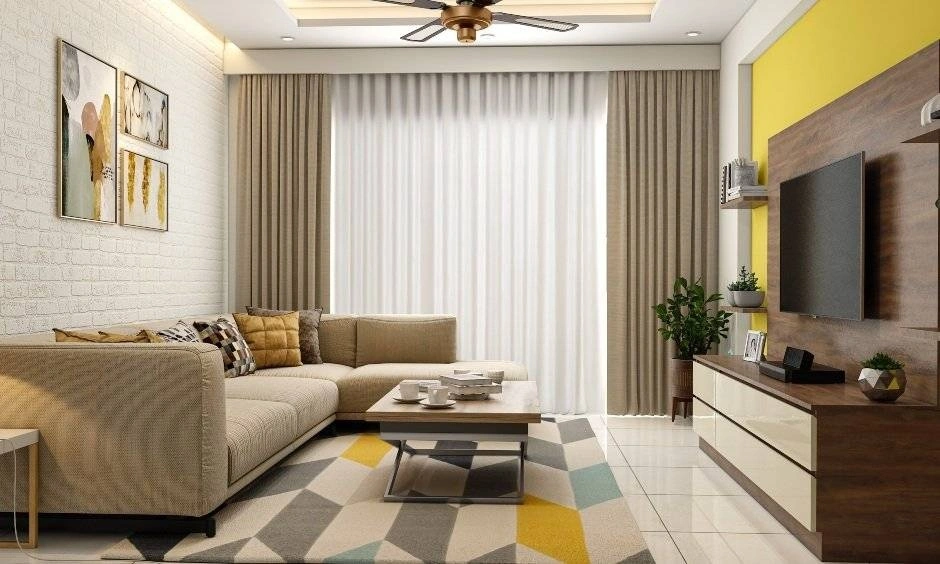
A well-chosen table respects the proportions of the room, allows comfortable movement and reflects the way you live. Trends will continue to evolve, but thoughtful decisions around scale, material and usability never go out of style. When these elements come together, a centre table becomes more than a piece of furniture; it becomes a natural part of the living room’s story. Book A Free Consultation With The Design Experts At DesignCafe.
FAQs
1. What is the best centre table for living room?
The best centre table depends on your room size, seating layout and lifestyle. A wooden centre table for living room spaces remains one of the most versatile options because it offers durability, warmth and compatibility with a wide range of interior styles. For contemporary homes, glass and marble designs can also work well when chosen in the right proportion.
2. What shape centre table is best for small living rooms?
A round centre table for living room layouts is often the most practical choice for smaller spaces. The absence of corners improves movement around the seating area and makes the room feel less crowded. Round tables also create a softer visual flow, particularly in apartments where circulation space is limited.
3. Are glass centre tables suitable for everyday use?
Yes. A glass centre table for living room spaces can be suitable for daily use when made from tempered glass and paired with a sturdy base. Glass tables help maintain open sightlines across a room, making them particularly useful in compact living areas. Regular cleaning is required to keep fingerprints and smudges under control.
4. How do I choose the right centre table for living room size?
A good rule is to select a table that is approximately two-thirds the length of your sofa. Leave at least 18 inches of clearance between the table and surrounding seating to ensure comfortable movement. The table should feel connected to the seating arrangement rather than isolated within the room.
5. Is a wooden centre table good for modern living rooms?
Absolutely. A wooden centre table design for living room interiors works exceptionally well in modern homes because it introduces natural texture and visual warmth. Contemporary designs often combine timber with metal, stone or fluted detailing, creating a refined look that complements minimalist furniture.
6. What is the ideal height of a centre table for living room?
The ideal centre table height is the same as, or up to two inches lower than, the sofa seat height. Since most sofa seats are around 17 to 19 inches high, centre tables typically fall within a similar range. This proportion makes everyday activities such as placing drinks, books or decorative objects more comfortable.