Select Category


AI Summary
3 key insights · 1 expert tipThe right layout, furniture, and decor can transform your bedroom into a space that promotes relaxation and rejuvenation. With thoughtful planning, you can achieve a perfect balance of comfort and aesthetics.
KEY INSIGHTS
- Prioritise comfort, functionality, and personal style to create a bedroom that reflects your needs.
- Follow foundational design rules such as a neutral colour palette, balanced lighting, and decluttered spaces, but know when to break them to infuse unique personality and creativity.
- Adapt design principles to your room’s size, style, and purpose, ensuring each element serves a functional and aesthetic role.
 DESIGNCAFE EXPERT TIP
By our design team
DESIGNCAFE EXPERT TIP
By our design team
As shared by Megha Kathuria, Studio Manager at DesignCafe, HSR Layout, Bangalore, “When designing a bedroom, focus on functionality and comfort. Opt for a clutter-free layout, invest in quality bedding, and use soft lighting to create a warm, inviting atmosphere.”
Designing your dream bedroom is easier than you think. Follow our go-to rules to create a cosy, stylish, and functional retreat tailored to your needs.
Designing a bedroom needs the right foundation, a solid plan to follow, and a generous splash of creative flair to make it truly yours. We all want a cosy space to retreat to at the end of the day, and interior designers rely on a few tried-and-true rules to make that happen. But the most memorable spaces often come to life the moment you ignore a fw pointers from the rulebook.
This guide shares our absolute favourite, go-to guidelines for creating a dreamy, functional bedroom layout. Then, we will show you exactly when it is perfectly okay to break them so you can build a space that showcases your unique personality.
Let us find the balance of smart design and outlier creativity.

Why Bedroom Design Matters More Than You Think?
You spend a third of your life in bed. That alone is a huge reason to care about bedroom design.
- The Connection Between Design and Sleep Quality
A cluttered, brightly lit room tells your brain to stay awake. When you figure out how to design bedroom spaces properly, you actually signal to your body that it is time to rest. Good lighting, soothing colours, and the right layout all contribute to deeper, more restful sleep.
- How Your Bedroom Reflects Your Personal Style
Your bedroom is your ultimate personal sanctuary. Unlike the living room, which you share with guests, this space is just for you. Knowing how to decorate your bedroom allows you to showcase your true personality, whether you love sleek modern lines or soft bohemian layers.
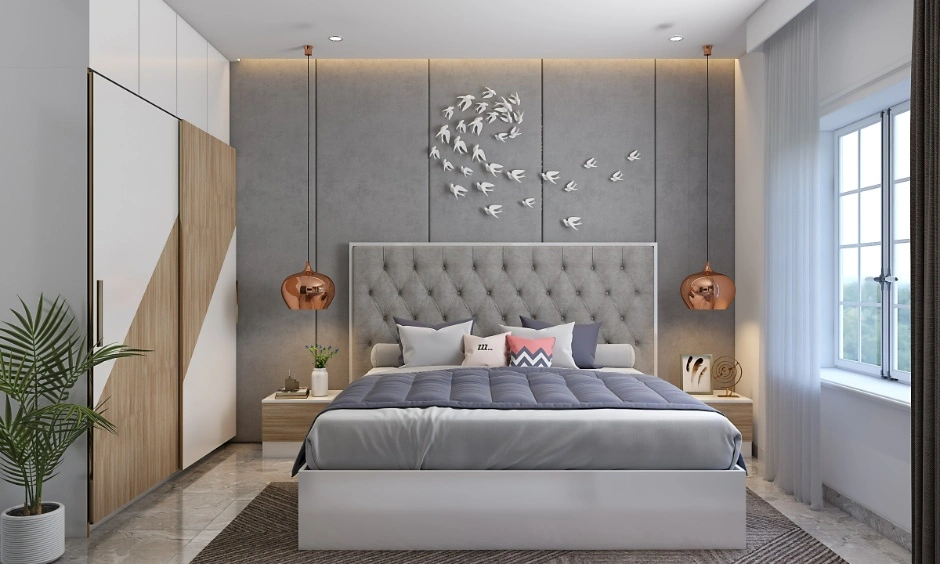
Our 5 Go-To Rules To Design A Bedroom
When people ask us how to design their bedroom, we always point them to these five foundational rules.
Rule 1: Create a Calm, Neutral Foundation
If you want to know how to decorate a bedroom that feels relaxing, start with a neutral base.
Why Neutrals Work? – Soft whites, warm beiges, and gentle greys create a soothing backdrop that doesn’t overstimulate your eyes.
How to Choose a Neutral Colour Palette? – Follow the 60-30-10 rule bedroom style. Use 60% dominant neutral colour (walls), 30% secondary colour (furniture/rugs), and 10% accent colour (pillows/art).
How to Add Depth without Chaos? – Use different textures like linen, velvet, and knit blankets to keep neutrals from looking flat.
Rule 2: Prioritise Comfort Over Trends
Trends fade, but a bad back lasts a long time.
Why Comfort Is Non-Negotiable? – The most important part of ‘how to design bedroom interiors’ is the bed itself.
How to Balance Style and Practicality? – You can invest in a gorgeous velvet headboard; just make sure the mattress underneath it is high-quality. Consider the structural relationship between headboard scale and mattress depth before making your choice.
How to Invest In Quality Basics? – Spend your budget on a great mattress, breathable sheets, and supportive pillows first.
Rule 3: Balance Light And Darkness
Lighting is everything when you design a bedroom.
How to Layer Lighting for Different Times? – You need overhead lights for getting dressed, and soft bedside lamps for reading. Using A combination of bright and soft lighting keeps your bedroom functional.
Opt for Blackout Solutions for Better Sleep – Invest in blackout curtains or shades. Darkness triggers melatonin production for better sleep.
Natural Light & Window Treatments – Let the sunshine in during the day to keep the room feeling fresh and airy. You can choose window treatments like Venetian blinds or Zebra blinds to adjust the amount of natural light you want to let in.
Rule 4: Choose Quality Over Quantity
Do not pack your room with too much stuff.
How to Declutter Your Bedroom? – Figuring out how to decorate bedroom spaces means knowing what to remove. Keep surfaces clear. Fewer pieces with explicit footprints preserve the room’s baseline clearance zones.
Invest in Key Pieces – Stick to a bed, nightstands, and a dresser. Placing too many pieces can make the room look chaotic. A nightstand’s depth should correlate with the depth of the bed frame to avoid blocking walkways.
The Impact of Fewer, Better Items – One beautiful, solid wood dresser looks much better than three cheap, wobbly storage bins. Similarly, choose fewer, better ones. You can also invest in multi-functional pieces for smart living.
Rule 5: Define Zones (Sleep, Work, Dressing)
If you have a large space, create distinct areas.
How to Separate Functions in Small Spaces?
Lean on multi-tasking furniture, like a slim desk that doubles as a nightstand or a bench with hidden storage. Position each piece with purpose, so your bed, workspace, and dressing area each claim a corner of the room without overlapping.
How to Create Visual Boundaries Without Walls?
You don’t need to build anything to mark a zone. A rug under the bed, a tall bookshelf beside the desk, or a change in paint colour can quietly signal where one area ends, and the next begins. Lighting helps too, so give each zone its own glow.
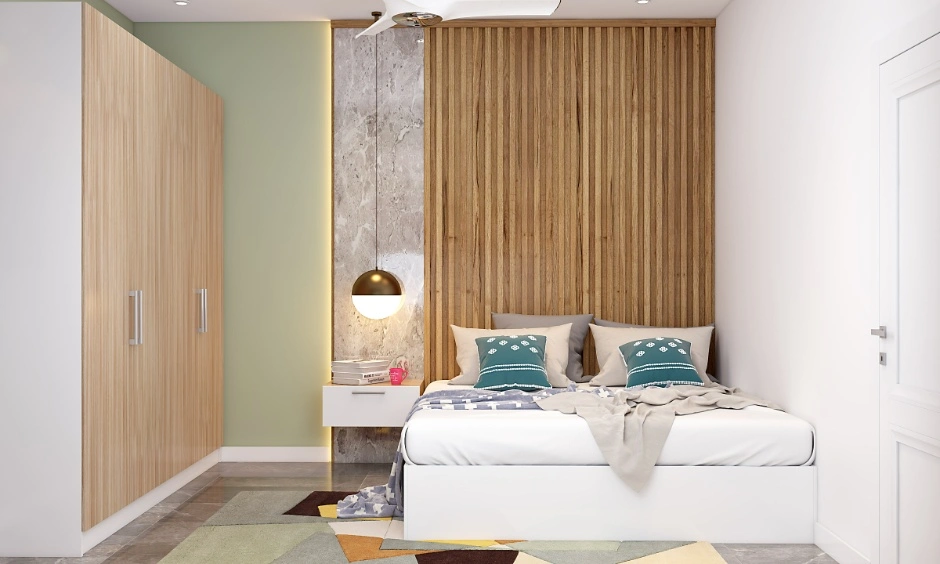
Trending Bedroom interior Designs

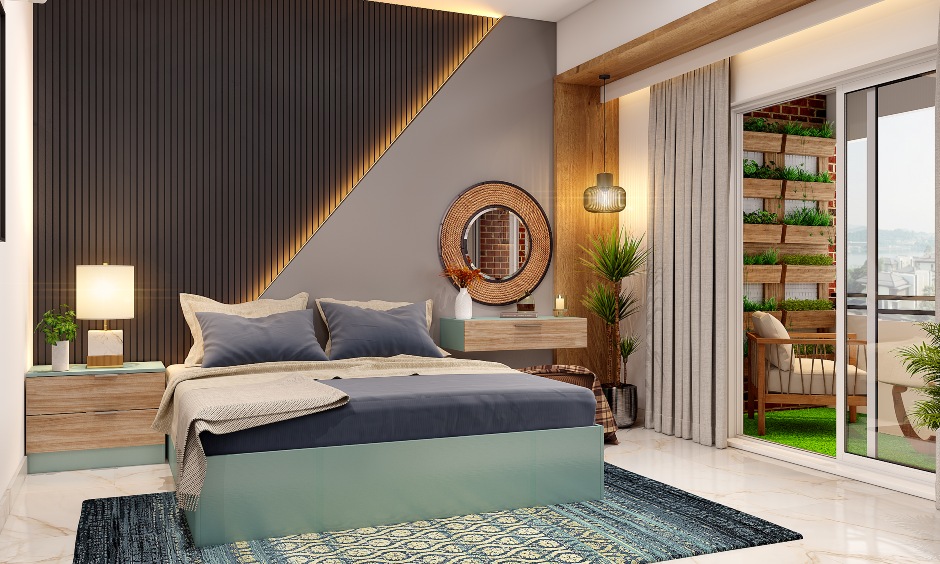

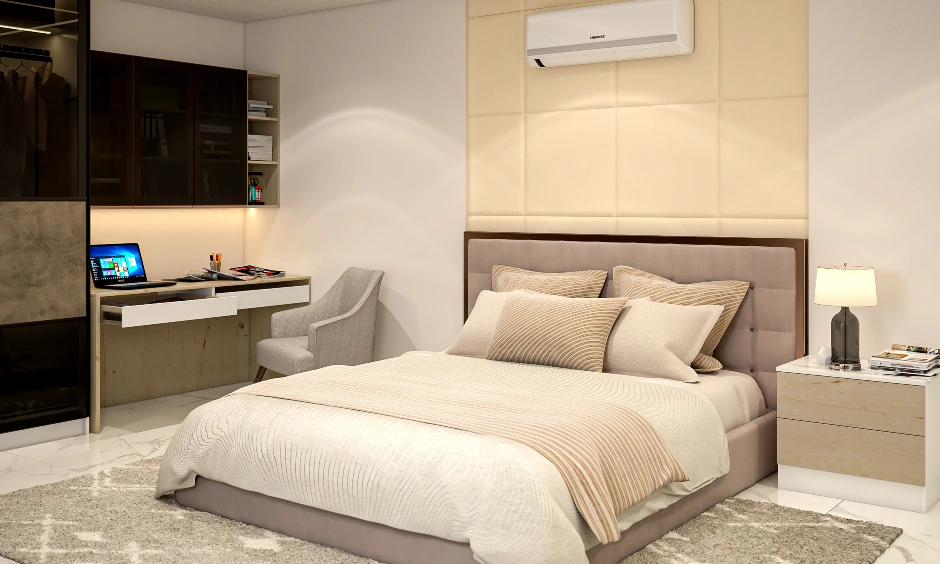
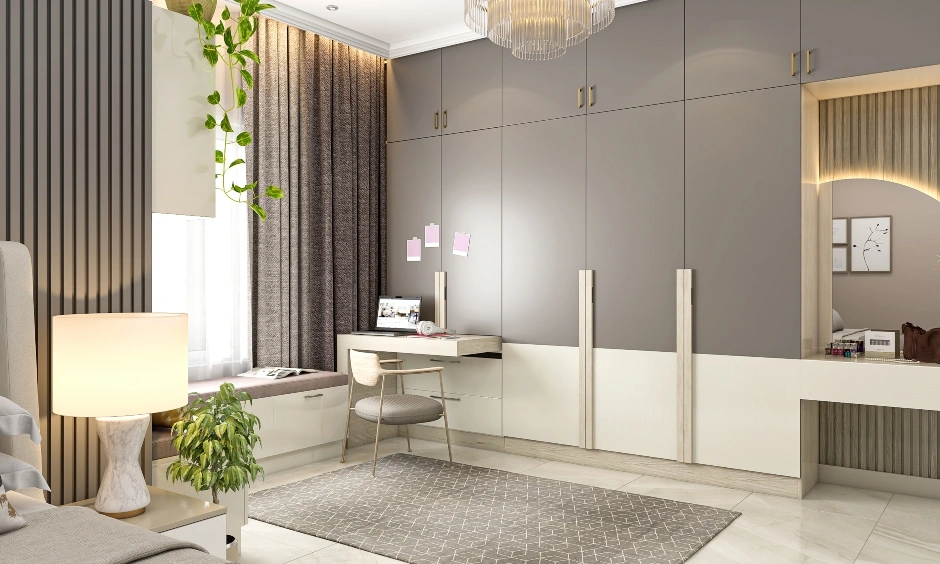
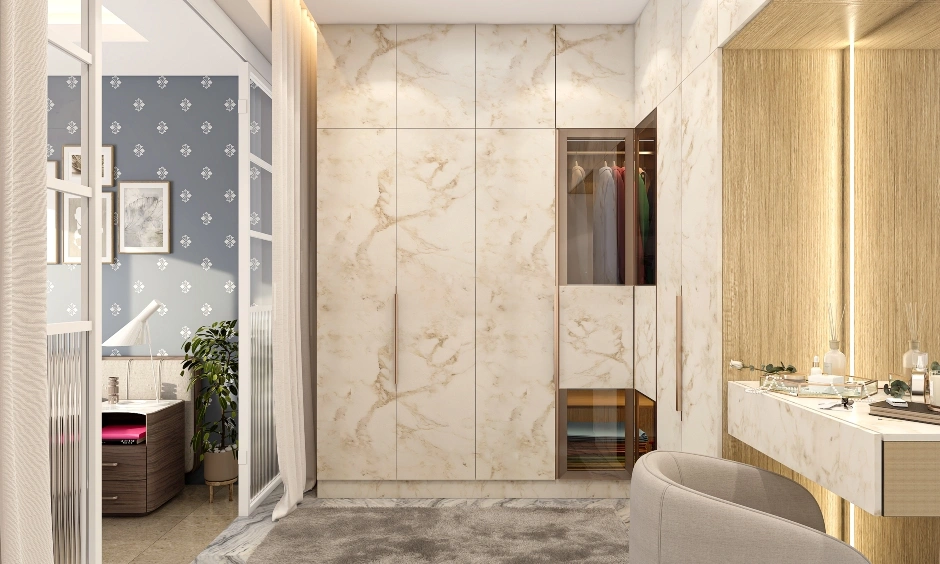
Layout Tips for Multi-Functional Bedrooms
Start by mapping your daily flow, then place zones where they make sense, keeping your desk near natural light and your bed away from busy traffic paths. Use vertical space for storage, and angle furniture to define areas while keeping walkways clear and easy.
Expert Tip: Leave at least 30 to 36 inches of space around the sides and foot of your bed so you do not stub your toes in the dark.
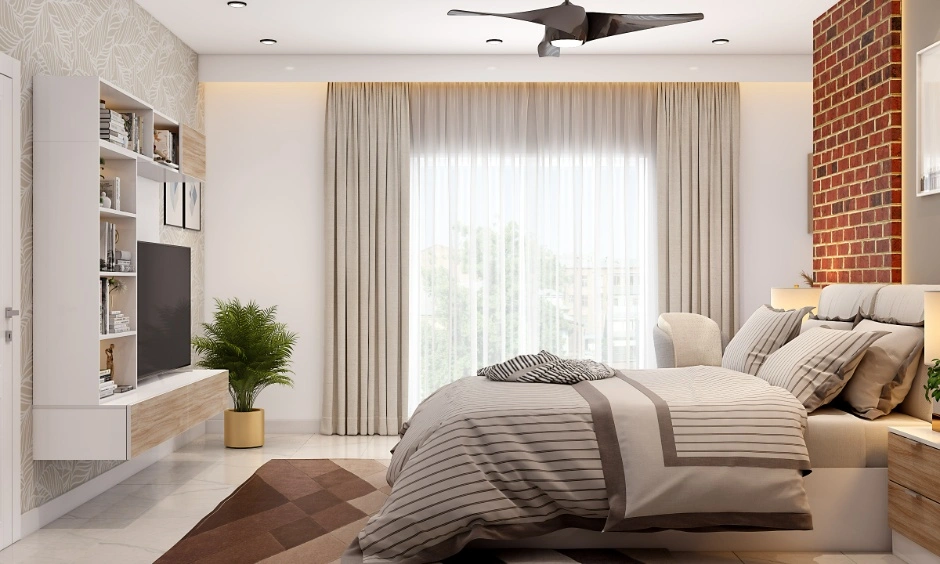
When Is It Okay To Break These Rules?
Sometimes, knowing how to design a room means knowing when to rebel.
Breaking Rule 1: Bold Colours & Patterns
If dark, moody greens or vibrant wallpapers make you happy, go for it. A dark, saturated wall can alter the perceived boundaries of a room, requiring a counterweight of light-reflective textile finishes to maintain balance.
Breaking Rule 2: Embracing Trends
Love a trendy, funky lamp? Buy it. Just keep the expensive, permanent fixtures classic. The inclusion of tech charging zones has also altered the traditional bedside table footprint.
Breaking Rule 3: Maximalist Lighting
Want a giant crystal chandelier? If you design bedroom spaces with drama in mind, hang that chandelier proudly.
Breaking Rule 4: Collections & Personality
If you collect vintage art or books, display them. Personality always beats perfection.
Breaking Rule 5: Open-Plan Living
Sometimes, in a studio apartment, your bed is next to your sofa. Use a folding screen to create a fake wall instead.
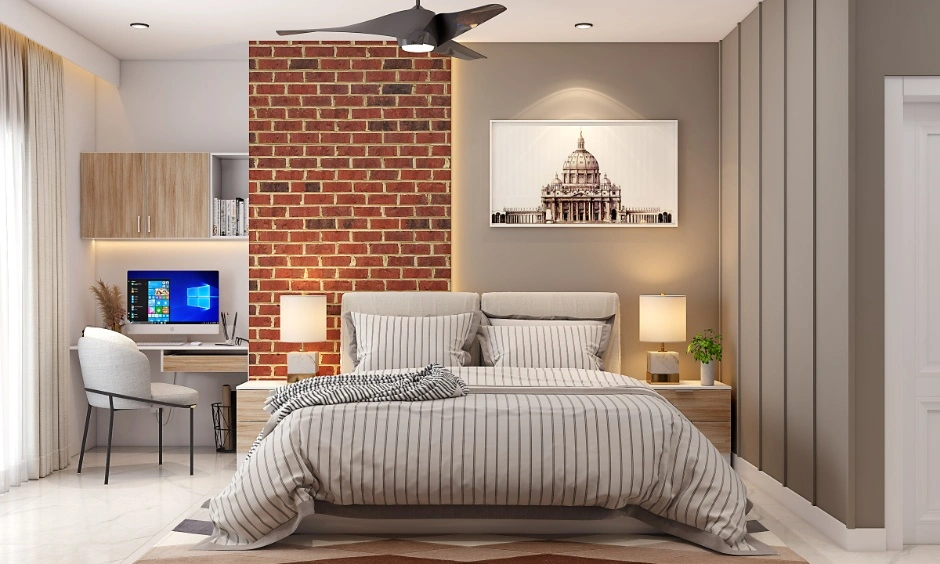
Common Bedroom Design Mistakes (Even With Rules)
Even with the best bedroom ideas, mistakes happen.
1. Overcrowding – Forgetting bedroom furniture spacing rules makes a room feel like a storage closet.
2. Ignoring Proportion & Scale – A massive King bed in a tiny room looks ridiculous. Scale your furniture to the room size.
3. Neglecting Storage Solutions – If you do not plan for clothes and shoe storage, your room will always be messy.
4. Poor Furniture Placement – Pushing every piece of furniture against the walls creates a weird, empty dance floor in the middle.
5. Bedroom Design By Style: How Rules Adapt – How you apply these rules depends on your personal vibe.
6. Minimalist Bedrooms: Use Rules As Strict Guidelines – Use the rules as strict guidelines. Stick to the 60-30-10 rule room formula perfectly. Keep surfaces totally bare.
7. Maximalist Bedrooms: Use Rules As Starting Points – Use the rules as a starting point, then pile on the patterns, colours, and textures.
8. Eclectic Bedrooms: Use Rules à la Carte – Pick and choose rules à la carte. Maybe you follow the bedroom walkway clearance rules but totally ignore the neutral colour rule.
9. Modern, Traditional, Bohemian, Scandinavian – No matter the style, use rules to prioritise your comfort and needs.
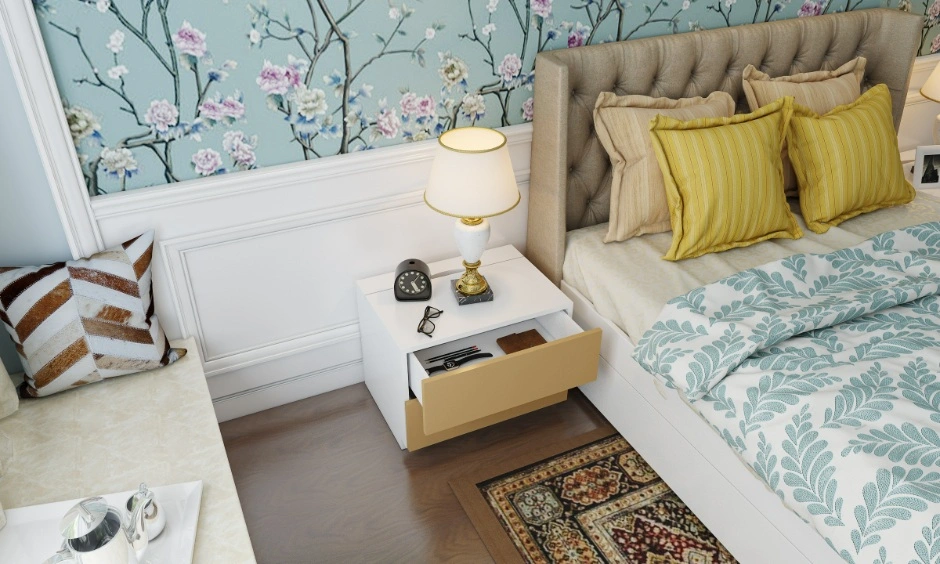

Bedroom Design for Different Situations
Every space has unique needs.
1. Small Bedroom Design – When figuring out how to design your bedroom in a tight space, use vertical storage and under-bed drawers.
2. Master Bedroom Design – You have room to play. Add a seating area or a grand rug.
3. Guest Bedroom Design – Keep it simple and hotel-like. Focus on great pillows and a luggage rack.
4. Shared Bedroom Design – For couples or siblings, symmetry is key. Give each person their own nightstand and reading light.
5. Budget-Friendly Bedroom Design Tips – You do not need to be rich to know how to design interior spaces beautifully.
6. Start Small & Build Over Time – Buy your bed first, then add the dresser and nightstands months later.
7. DIY vs Investment – You can paint the walls yourself, but splurge on a good mattress.
8. Where to Splurge – Splurge on bedding, pillows, and the mattress. Save on rugs, art, and bedside lamps.
Expert Tip: If you want to know how to decorate a bedroom on a budget, check out local thrift stores for solid-wood dressers and other bedroom decor.
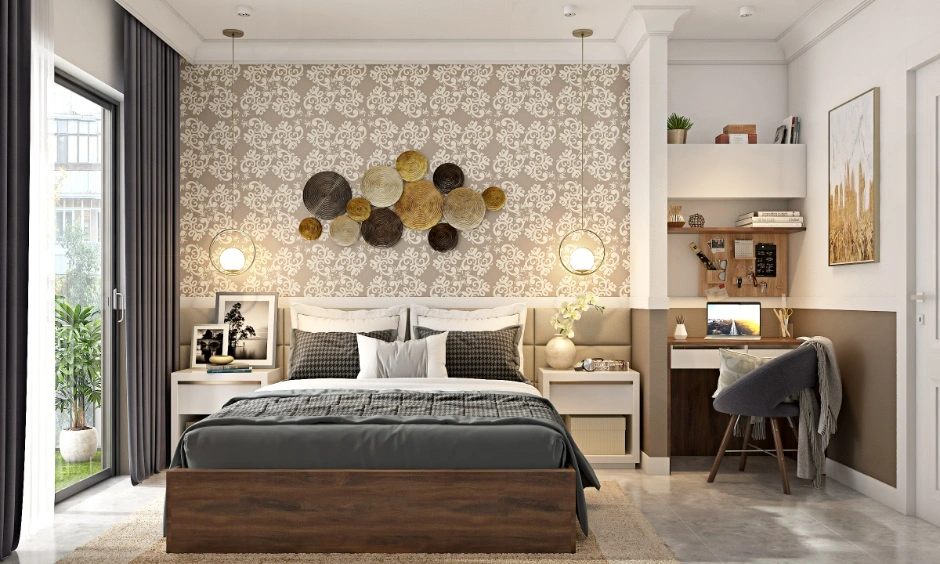
Dream It. Design It. Love It.
If you are feeling ready to bring your vision to life but need a little expert guidance, we’ve got your back. Book An Appointment With DesignCafe for a free design consultation, and let’s create a personalised space that’s both practical and Pinterest-worthy. Your dream bedroom is a click away.
FAQs
1. What are the best rules for creating balance and symmetry?
When decorating your bedroom, use matching nightstands and lamps on either side of the bed. This instantly creates a balanced, calming focal point.
2. How much clearance space is needed around the bed?
To keep things comfortable, strictly follow bedroom furniture spacing rules. You need a minimum of 30 to 36 inches of walking space around the bed.
3. How do I choose the right nightstand height and size?
Your nightstand should be roughly even with the top of your mattress. This makes it easy to reach your phone or a glass of water while lying down.
4. When is it okay to put a workspace in the bedroom?
If you have no other choice. When designing a bedroom layout with a desk, place it as far from the bed as possible, facing away from where you sleep.
5. How to zone a bedroom for multiple functions?
Use area rugs, different lighting, and clever furniture placement to create zones. A small armchair in a corner with a floor lamp easily creates a distinct reading zone.