Select Category


AI Summary
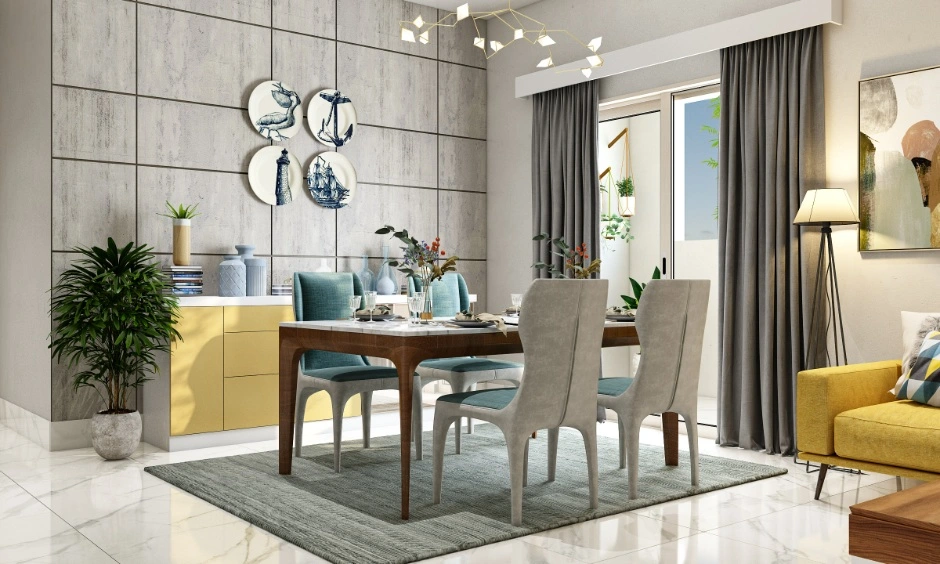
3 key insights · 1 expert tipInterior design finishes are the key to adding personality, texture, and style to your home. From walls to floors and ceilings, the right finishes can elevate your interiors and create a cohesive look. With endless materials and textures to choose from, you can craft spaces that are both functional and visually stunning.
KEY INSIGHTS
- Interior design finishes play a dual role, enhancing aesthetic appeal and also protecting structural materials from wear and tear.
- Thoughtful selection of finishes can transform the look and functionality of spaces, with options ranging from timeless terracotta tiles to modern, eco-friendly materials like lime-based paints.
- Balancing durability, maintenance, and visual harmony is critical when choosing finishes.
 DESIGNCAFE EXPERT TIP
By our design team
DESIGNCAFE EXPERT TIP
By our design team
As shared by Megha Kathuria, Studio Manager at DesignCafe Studio, HSR Layout, Bangalore, “When selecting interior finishes, focus on durability and maintenance. Combine contrasting textures like matte and glossy to add depth, and always consider the room’s lighting to enhance the overall effect.”
Discover the magic of interior design finishes that transform your home into a masterpiece. From textures to materials, learn how to create stylish, functional, and personalised spaces effortlessly!
Have you ever walked into a room and thought, “Wow, this looks amazing, but I just can’t pinpoint why?” The secret usually lies in the details. More specifically, it lies in the interior finishes. Choosing the right top layer for your walls, floors, and cabinets can completely transform a bland space into a stunning masterpiece.
If you are currently staring at a massive pile of material samples and feeling completely overwhelmed, hold on.
We are here to help you navigate the world of interior finishing. By the end of this guide, you will understand exactly how to mix and match different finishing materials like a seasoned pro. Read on and give your home the beautiful top coat it deserves.
Why Interior Design Finishes Matter?
You might think that picking a sofa or a dining table is the most important part of decorating. However, interior finishes actually set the entire stage for your furniture. They dictate the mood, the light reflection, and the overall vibe of the room. Finishes bridge the gap between structural necessity and visual intent
Beyond just looking pretty, interior finishing materials serve a highly practical purpose. They protect your underlying structural materials from moisture, dirt, and daily wear and tear. A great floor finish, for example, prevents your beautiful hardwood from getting destroyed by pet claws and spilt coffee. Good interior finishing saves you money on future repairs.
Types Of Interior Design Finishes
Interior finishes refer to the final visible surfaces in your room. To make it easy, let us break them down into the main architectural categories:
- Wall Finishes: This includes everything from classic eggshell paint and bold wallpaper to textured plaster and wood panelling. These finishes dictate the colour story of your space.
- Floor Finish: Your options here range from glossy polyurethane on hardwood to matte porcelain tiles, cosy carpets, and polished concrete. A durable floor finish is crucial for high-traffic areas.
- Ceiling Finishes: Do not forget to look up. Ceiling finishes can include flat matte paint, tin tiles, exposed beams, or even high-gloss lacquer for a dramatic effect.
Expert Tip: To make a room feel taller, choose ceiling finishes that reflect light, like a satin paint or a subtle pearlescent glaze. It instantly draws the eye upward.
Interior Finishes By Material Type
Every material in your home requires a specific treatment to look its best.
Let us look at how different materials are finished across your space:
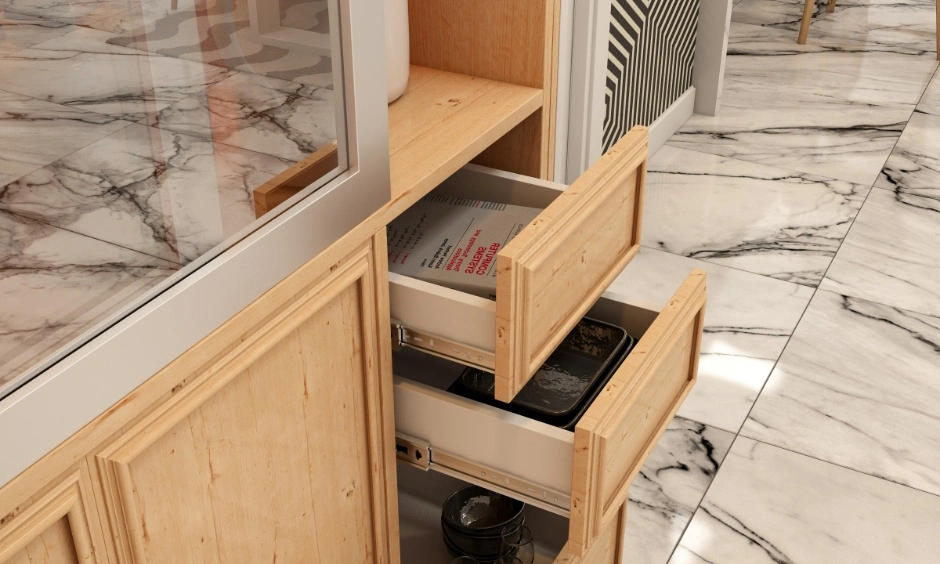
- Wood: Protecting natural timber is essential. Popular wood finishing materials include stains, varnishes, oils, and waxes. A good wood finish brings out the natural grain and adds warmth to your room.
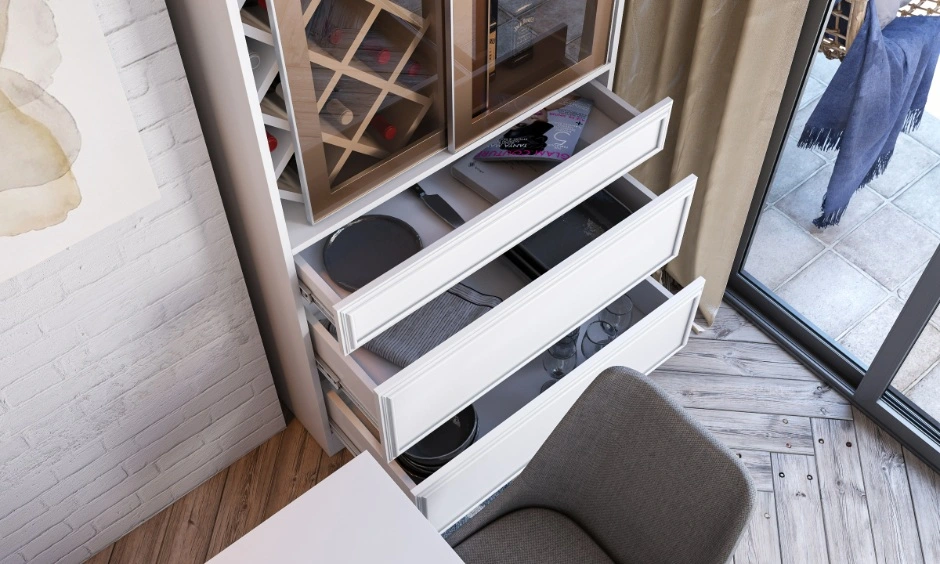
- Cabinetry: Kitchen and bathroom cabinets often use painted, stained, or thermofoil finishes.
- Metal And Hardware: Faucets, cabinet pulls, and light fixtures come in various metallic finishes like brushed nickel, polished brass, matte black, and oil-rubbed bronze.
- Fabric: Upholstery finishes include stain-resistant treatments and a range of textures, such as velvet, linen, and performance fabrics.
Trending 3BHK Interior Designs


Finish Textures And Their Effect
The texture of your finishing materials drastically changes how a room feels. It is all about how light interacts with the surface.
- Matte: These surfaces absorb light. A matte wood finish hides scratches and dust beautifully, making it perfect for busy households.
- Satin or Eggshell: A happy medium. It offers a subtle sheen that is easy to wipe clean, making it a popular choice for living room wall finishes.
- Glossy/High-Gloss: These highly reflective surfaces bounce light around the room. They look glamorous but will show every single fingerprint and smudge. High-gloss surfaces maximise light bounce but demand higher maintenance in high-touch zones
Choosing Interior Finishing By Room Type
You cannot use the exact same types of interior finishes in every single room. Functionality plays a massive role in your decision-making process.
- Kitchens: You need highly durable, wipeable surfaces. Opt for semi-gloss paint on the cabinets and a heavy-duty floor finish like sealed tile or luxury vinyl.
- Bathrooms: Moisture is the enemy here. Choose water-resistant wall finishes like ceramic tiles or specialised bathroom paint to prevent mould.
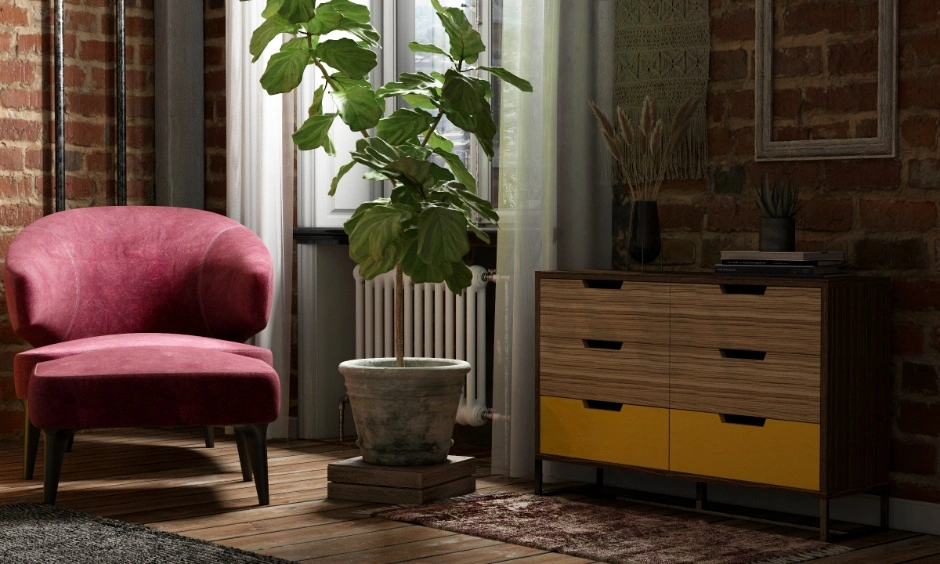
- Living Rooms and Bedrooms: Here is where you can prioritise comfort. Softer wood finishing materials, cosy carpets, and flat paints work beautifully in these relaxing zones.
Expert Tip: Always mix your hardware finishes in the kitchen. Using unlacquered brass for cabinet pulls and matte black for your faucet adds a curated, designer touch rather than a predictable ‘out-of-the-box’ look.
Popular Interior Design Finishes In 2026
1. Lime Wash and Roman Clay
Natural, mineral-based finishes add subtle movement and incredible depth to flat drywall. Unlike standard flat paint, lime wash creates a soft, suede-like texture that feels warm, breathable, and beautifully historic.
Application: Brush mineral-based finish onto bedroom or living room walls to create a cosy, earthy focal point that shifts gently as natural light moves across the room.
2. Tumbled and Unlacquered Brass
High-shine metals are taking a backseat to the muted, vintage appeal of tumbled and unlacquered brass. This ‘living finish’ intentionally develops a darker, richer patina over time, giving your hardware a timeless, lived-in character.
Application: Swap out your builder-grade kitchen cabinet pulls and bathroom faucets for tumbled brass to instantly bring warmth and elegance to your cabinetry.
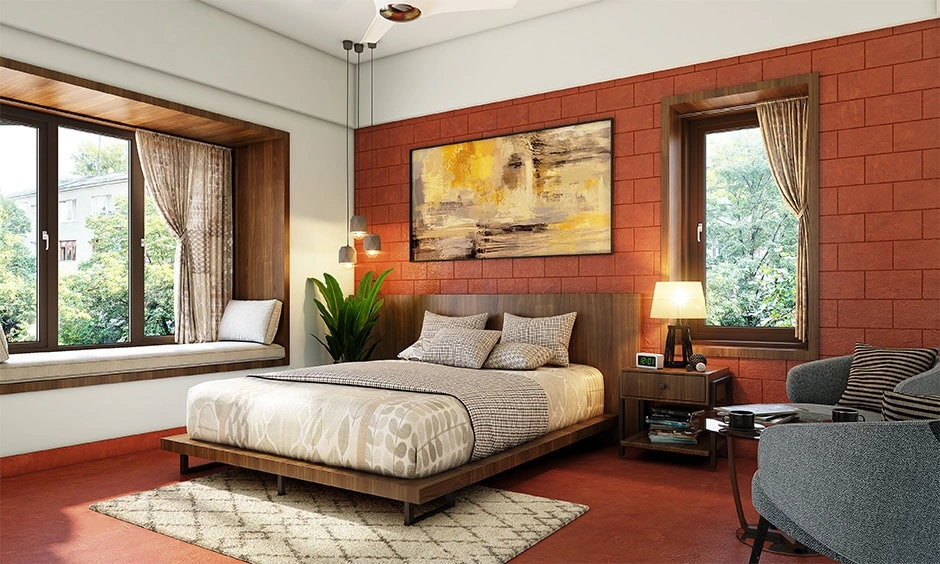
3. Authentic Terracotta
Earth tones are dominating this year, and authentic terracotta brings a baked, sun-drenched warmth to any room. Its slightly porous, beautifully imperfect surface adds grounding energy and rustic charm that synthetic materials simply cannot replicate.
Application: Lay terracotta tiles in a bedroom, kitchen, or sunroom to seamlessly bridge the gap between your indoor and outdoor living spaces.
4. Fluted and Ribbed Wood
Flat-panel wood is actively being replaced by fluted and ribbed textures that add 3D architectural interest. This slatted finish creates vertical lines that draw the eye upward, tricking the brain into thinking your ceilings are much taller than they actually are.
Application: Apply fluted wood panelling to the back of your kitchen island, a floating bathroom vanity, or as a striking accent wall behind your headboard.
5. Glazed Zellige Tiles
Handcrafted Moroccan Zellige tiles offer a perfectly imperfect, highly glazed finish. They are low-fired terracotta tiles. Because artisans bake these tiles traditionally, no two pieces look exactly alike. They reflect light in highly irregular ways, creating a shimmering, dynamic surface. Authentic Zellige is a premium, artisanal investment compared to standard glazed tiles.
Application: Install these as a kitchen backsplash or a floor-to-ceiling shower surround to add rich, organic texture and a pop of artisanal colour.
Sustainable And Eco-Friendly Finishes
If you want to keep your home healthy, pay close attention to the interior finishing materials you choose. Many conventional paints and varnishes release harmful chemicals into the air for months after application.
Always look for low-VOC or zero-VOC (Volatile Organic Compounds) interior finishing materials. You can also explore natural wood-finishing materials such as pure tung oil or beeswax. For your walls, clay-based paints and natural lime washes are fantastic, earth-friendly alternatives to traditional acrylic paints.
Budget Considerations For Interior Finishes
Decorating a house is expensive, but you can stretch your budget by knowing where to splurge and where to save on interior finishes.
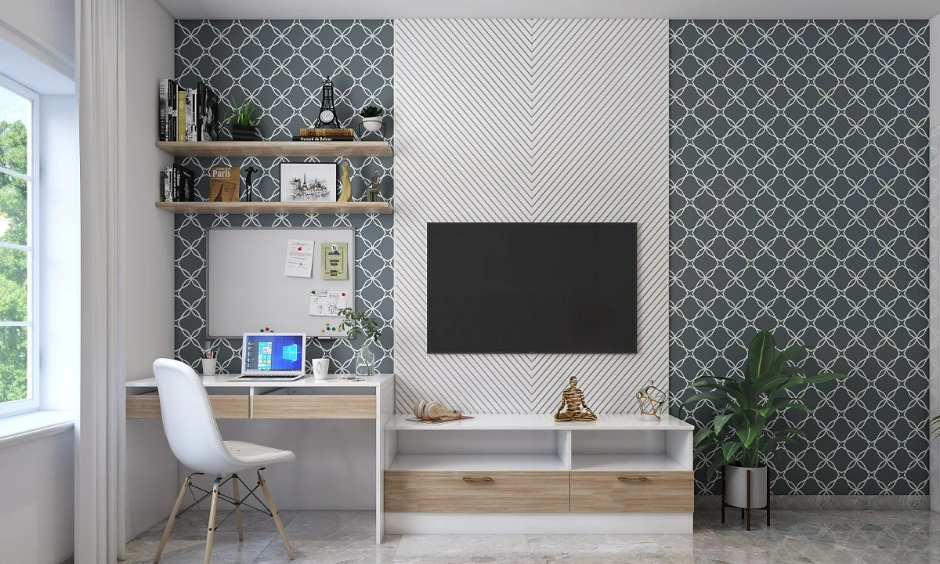
- Where to Splurge: Always spend good money on your floor finish and cabinetry. These are heavily used items that need to withstand daily abuse.
- Where to Save: You can absolutely save money on wall finishes. Paint is highly affordable and easy to change if you get tired of it. Similarly, ceiling finishes do not need to be extravagant to look clean and fresh.
Common Mistakes When Choosing Finishes
Even the best designers make mistakes, but you can avoid these common pitfalls when selecting your types of interior finishes:
- Ignoring Lighting: A wood finish might look warm and honey-toned in the store, but turn completely orange under your home’s LED lights. Always test samples in your actual space!
- Matching Everything: Do not buy furniture sets where every single piece has the exact same wood finish. It looks flat and boring. Mix light and dark woods for a layered look.
- Forgetting Maintenance: A gorgeous polished marble countertop looks amazing until you spill lemon juice on it. Always research the upkeep required for your chosen finishing materials.
Make Your Dream Home a Reality
Ready to bring your dream interior to life? With endless options for materials, textures, and styles, the right finish can transform your space into something truly extraordinary. Whether you’re leaning toward sleek contemporary vibes or timeless rustic charm, it’s all about finding what resonates with you.
At DesignCafe, your vision can translate into reality. Book a free design consultation to elevate your interiors and create a home that is both functional and fabulous.
FAQs
1. What is the difference between finishes and materials?
Materials are the core building blocks, like the actual oak wood or drywall. Finishes are the final protective and decorative layers applied on top, like the stain on the wood or the paint on the wall.
2. How do I choose finishes for small spaces?
To make a room feel larger, use reflective interior finishes. Glossy tiles, satin paints, and lighter floor finishes bounce light around the room, creating an illusion of more space.
3. Are matte finishes better than glossy?
It depends on your lifestyle! Matte finishes hide dust, scratches, and fingerprints better, making them great for busy homes. Glossy finishes look more glamorous but require constant wiping to keep clean.
4. Can finishes be changed later?
Most interior finishes can definitely be updated! You can easily paint over wall finishes, swap out cabinet hardware, or sand down and apply a new wood finish to your floors or furniture.