Select Category


AI Summary
5 key insights · 1 expert tipThink about the last time you walked into your living room and felt, “Something is missing.” Sometimes, it is not the furniture or décor—it is the colours. The right shades can make a familiar room feel warmer, brighter, calmer, or more spacious. But choosing colours that actually work together can be tricky. Should you choose timeless beige, calming green, bold navy or something contemporary? From simple two-colour palettes to layered three-colour combinations, this guide explores colour combinations for the living room that can help you create a space that feels beautiful, balanced and genuinely yours.
KEY INSIGHTS
- Consider room size and natural light before choosing colours.
- Match wall colours with furniture, flooring and décor.
- Use lighter shades to create an open appearance.
- Balance bold colours with neutral tones.
- Treat the ceiling as part of the overall colour scheme.
 DESIGNCAFE EXPERT TIP
By our design team
Nikita Thapar, Interior Designer, DesignCafe, suggests, "Paint a large patch on the real wall and check it at 8 am, 4 pm and at night. Most people change their shortlist by the second look."
Your room, your vibe. Find living room colour combinations that make the space feel personalised.
Ever noticed how some living rooms instantly feel cosy, while others feel a little too loud or too bland?
Colour plays a big part in that. Warm shades can make a room feel inviting, while cooler tones bring a calmer feel. Bright colours add energy, while muted shades keep things relaxed.
Choosing a living room colour combination is not just about making the room look good. It is about creating a space you will actually enjoy living in.

How To Choose The Right Colour Combination For Your Living Room?
- Consider the size and natural light of the room: Small rooms with limited daylight usually work better with lighter shades. If your room gets plenty of natural light, you can experiment with deeper colours without making it feel closed in.
- Match colours with your furniture and flooring: Your walls do not exist in isolation. Check your sofa, flooring, curtains and wood finishes first, then choose shades that work with what you already have.
- Choose colours based on the mood you want: Want calm? Try adding neutrals or soft greens. Want more character? Deeper blues, earthy tones and warmer shades can bring the room to life.
- Balance light and dark shades: Dark colours can add depth, but too much can make a room feel heavy. Balance a strong shade with white, cream or beige to keep things feeling fresh.
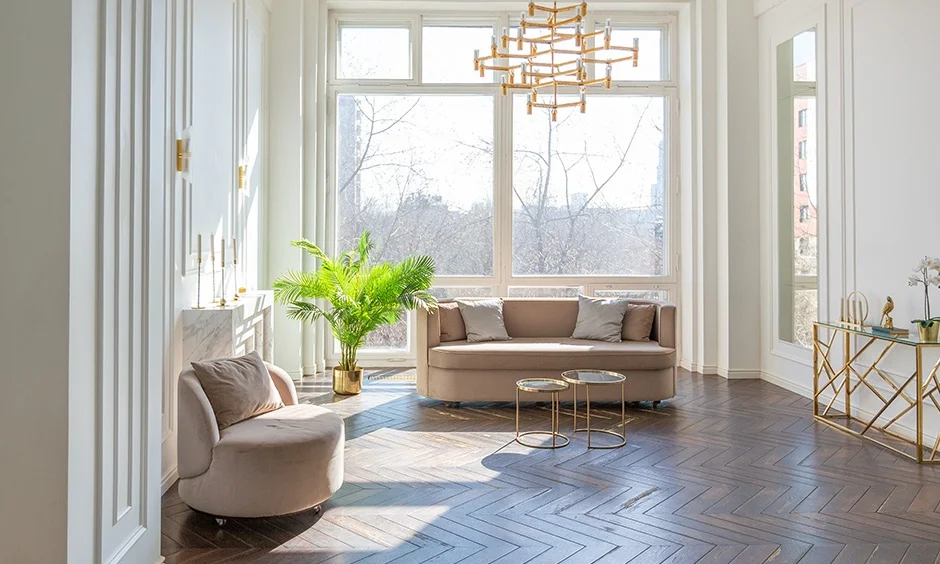
Best Colour Combinations For Living Room Walls
- White & Warm Beige: A Timeless Look: The white and warm beige combination is classic. It works with any interior style as a neutral backdrop. Pair them with bright and colourful accents and décor pieces.
- Grey & White For A Modern Living Room: The grey and white combination is a popular choice among minimalism enthusiasts. These colours keep the room looking cleaner. Use wood or warm-toned accessories to balance the coolness.
- Sage Green & Cream For A Calming Space: Sage green and cream are increasingly popular among urban dwellers. Sage brings a soft natural feel, while cream keeps the room bright.
- Navy Blue And White: A Sophisticated Look: Navy adds depth without taking over the room. The trick is to use it on only one wall. Use white to balance the darkness of navy blue.
- Terracotta And Off-White For A Warm Indian Home: Terracotta brings an earthy element to your space even if you live in the urban jungle. Off-white adds overall brightness.
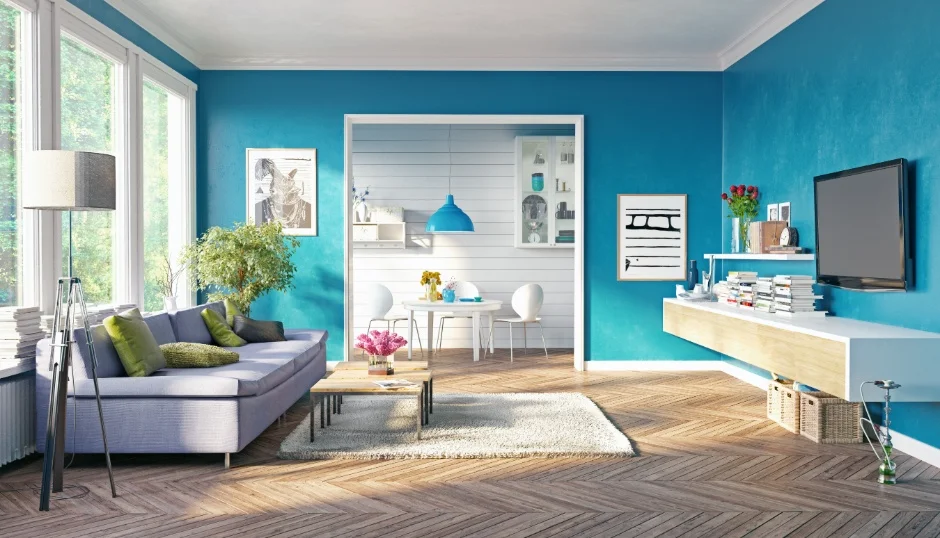
Two-Colour Combination For Living Room Walls
- Beige and White: Beige and white are the two most popular colours in Indian homes, and for good reason. Keep the walls beige and the trim, ceiling and skirting white. Those white edges bounce daylight back into the deeper corners of your living room. Pair them with oak furniture and a cotton flatweave rug.
- Peach and Cream: Peach and cream is a softer alternative to the usual white-on-white. Cream adds a warmth that white can’t achieve. Add wood or veneer for furniture, and keep the lighting warm. Basic white tubelights drain peach of its colour.
- Green and Beige: The green and beige combination works only when the green has a warm undertone. For example, olive, sage and moss share beige’s yellow undertone, so they complement each other. Most Indian flats already have beige vitrified flooring, so one painted green wall is all you need.
- Blue and White: If you have marble or light-coloured tile flooring, go for blue and white walls. Use the blue as an accent colour, so the white has something to balance on. For this two-colour combination, go for chrome or brushed steel fittings.
- Grey and Yellow: Grey on its own makes your room look like a hospital wall. Yellow is the quickest fix. If not wall colour, adding a mustard armchair, a pair of cushions or a single panel behind the TV is usually enough.
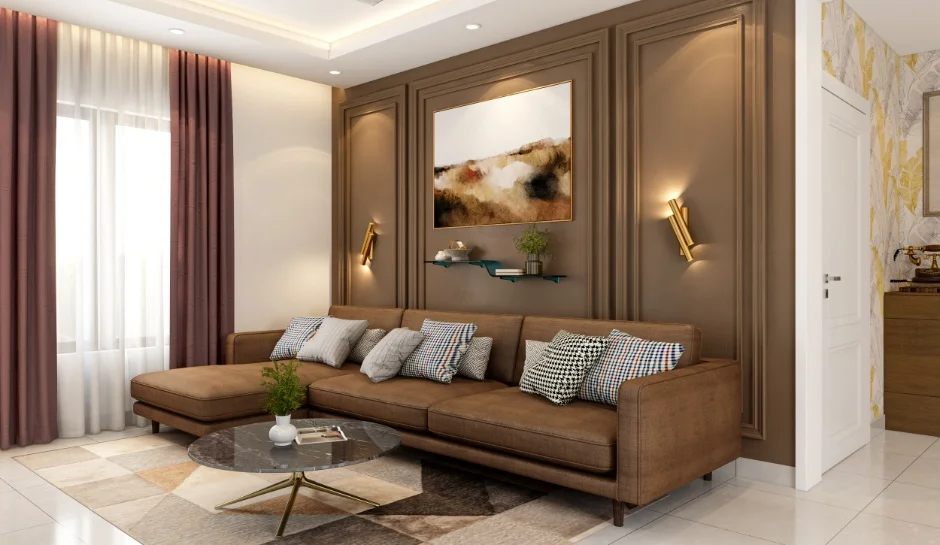
- Brown and Cream: This combination is made for wooden furniture. Cream on the walls softens the room’s vibe, and brown perfectly complements the teak, cane and jute furniture. Go for warm white lighting to keep the cream from looking orange.
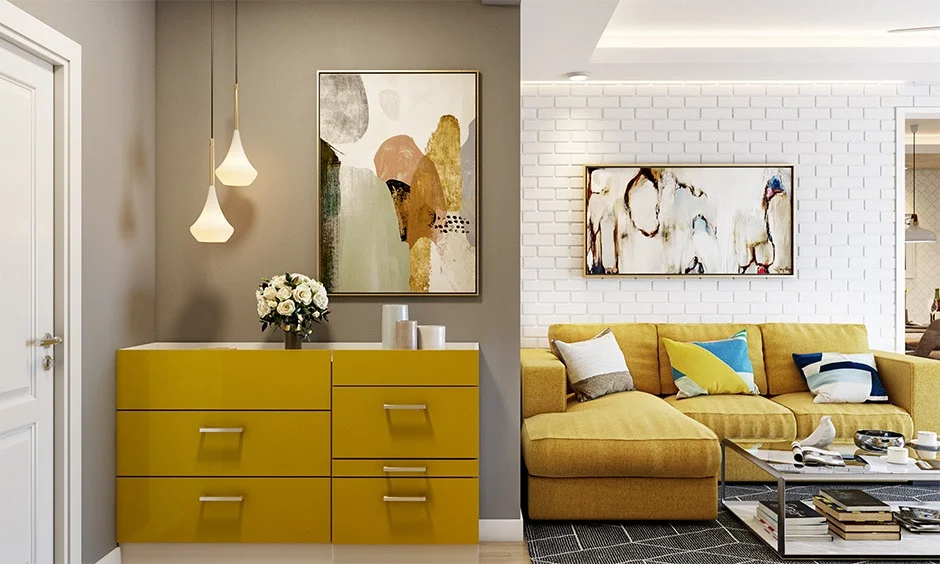
Light Colour Combinations For Living Room
- White & Beige: White and beige make a room feel lighter and visually more open.
- Cream and Light Brown: Cream keeps things bright, while light brown grounds the room.
- Pastel Blue and White: Pastel blue brings a soft hint of colour without making the room feel busy.
- Pink and Ivory: Blush pink and ivory create a gentle palette that feels modern and understated.
- Light Green and Cream: Light green and cream bring a soft, nature-inspired feel to the room.
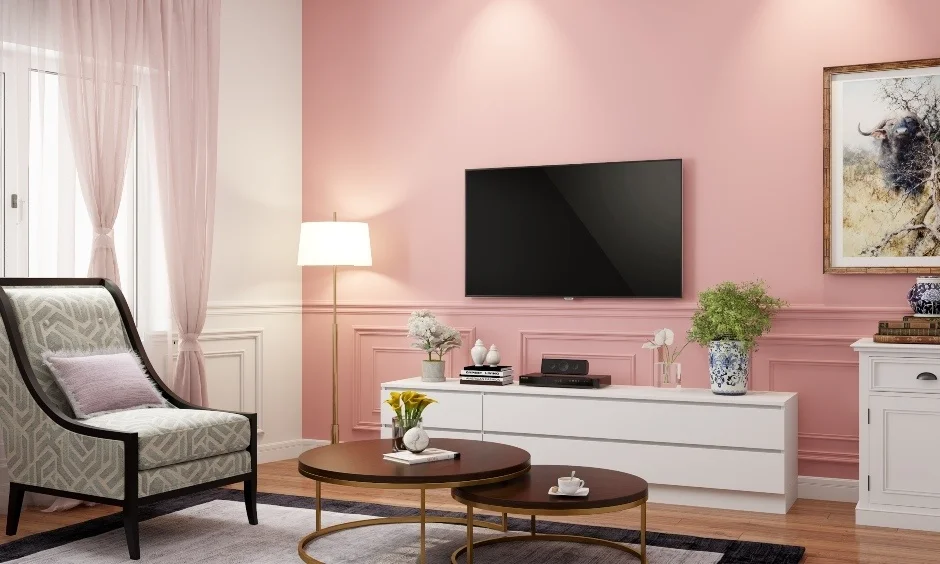
Modern Colour Combinations For Living Room
- Charcoal Grey and White: Charcoal creates contrast, while white keeps the overall look crisp.
- Olive Green and Beige: Olive green adds depth, while beige keeps the palette warm and balanced.
- Navy Blue and Grey: Navy and grey create a deeper, contemporary look without going overboard.
- Greige and Warm White: Greige gives you the best of grey and beige, while warm white keeps things airy and bright.
- Terracotta and Muted Green: Terracotta and muted green bring earthy colour into a modern setting.
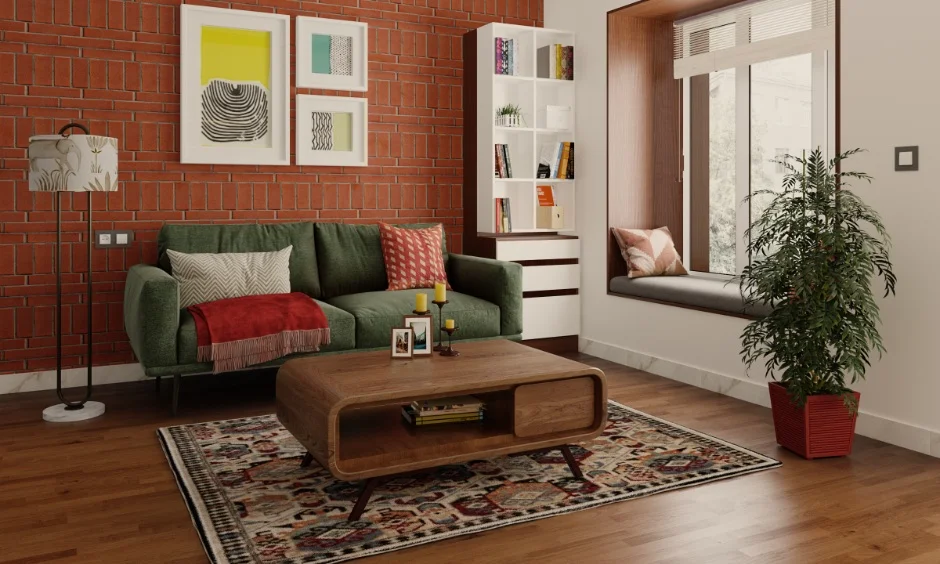
Latest Three-Colour Combinations For Living Room
- Beige, White & Olive Green: Let beige set the base, use white for brightness and bring in olive green as the accent.
- Grey, White & Mustard: Grey and white keep things neutral, while mustard adds a much-needed hit of colour.
- Terracotta, Cream & Brown: This earthy mix works especially well with wooden furniture and warm textures.
- Sage Green, Beige & White: Sage green adds colour without being loud, while beige and white keep things balanced.
- Navy Blue, White & Wood Brown: Navy brings contrast, while white and wood brown add a grounding element.
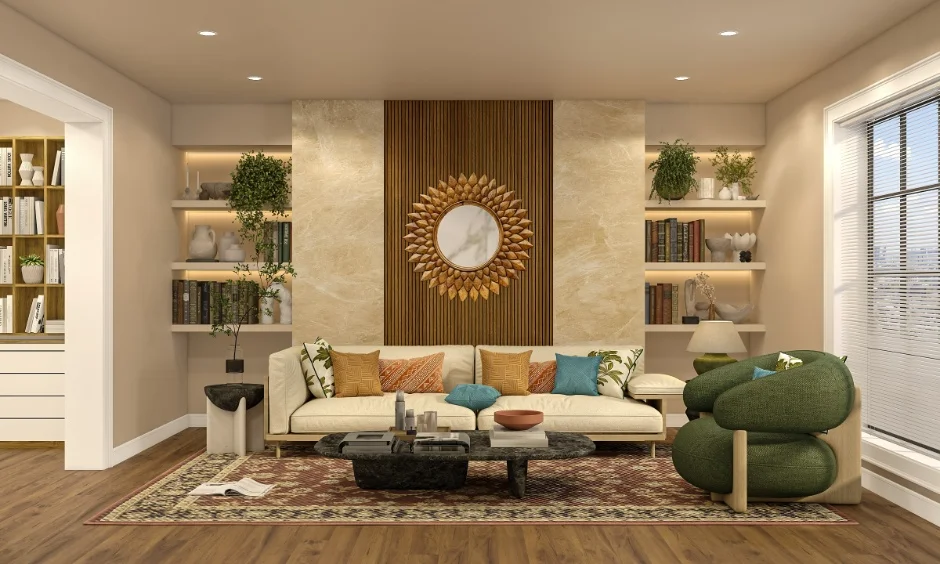
Simple Colour Combination Ideas For Living Room
- White and beige for a minimalist look: White and beige create a clean base that works across different furniture styles.
- Cream and brown for a cosy ambience: Cream keeps the room bright, while brown adds depth.
- Grey and white for a clean finish: A simple combination that works particularly well in contemporary spaces.
- Green and white for a natural feel: Green adds personality, while white keeps the room feeling fresh.
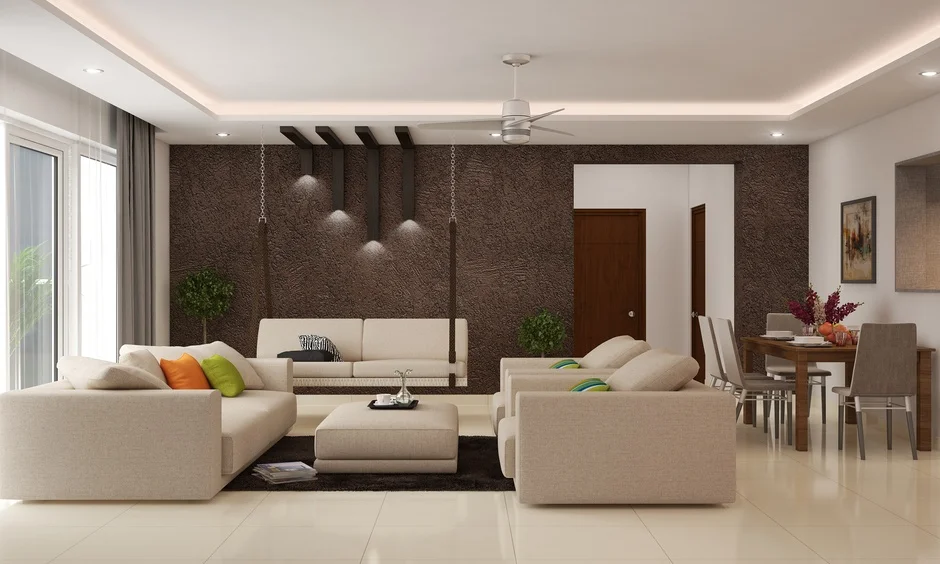
False Ceiling Colour Combination For Living Room
- White & Warm Beige: Use warm beige on the flat central panel, white in the cove recess. The two surfaces stay side by side without any conflict, which suits rooms that already have beige or cream walls.
- White & Grey: Most false ceilings here are white because that is the contractor’s default. Grey is the most cost-effective way to make yours look chosen. But limit it to the outer band and keep the centre white, since the centre reflects light into the room. Below 9 feet, use the palest grey you can find or skip it completely.
- Cream & Brown: A wooden ceiling pairs beautifully with a cream outer band. It lets the wooden tray shine without making the room feel dark. Since brown absorbs light, keep the panel small and run a cove strip around its edge.
- White with Wooden Accents: Rafters or a slatted band add texture a painted ceiling cannot. Keep them over one zone, usually the seating or the dining table, and leave the rest white. A 3000K strip behind the slats brings out the grain.
How To Match Ceiling Colours With Wall Colours?
Think of the ceiling and walls as one palette. If your walls are dark or bold, keep the ceiling lighter to give the room some visual breathing space.
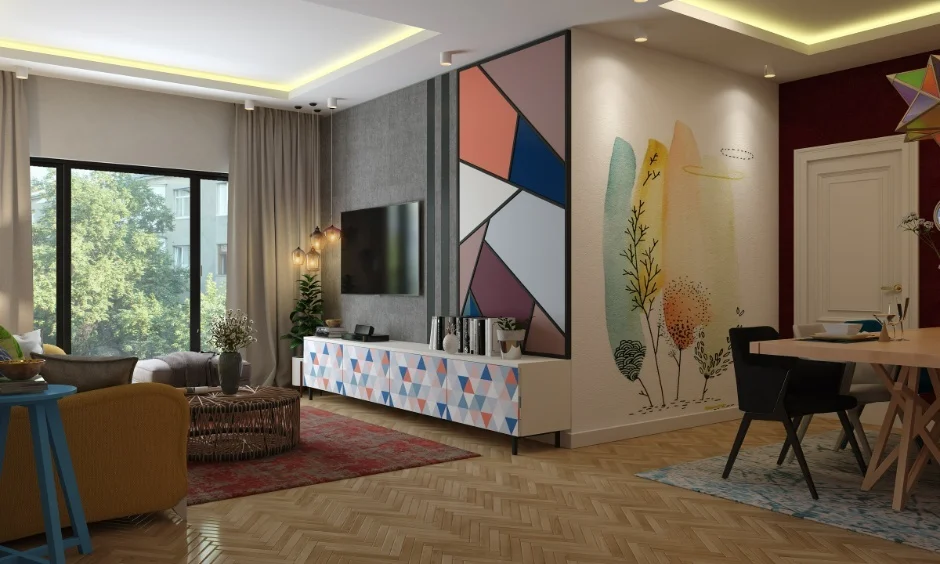
Living Room Colour Combination Per Vastu
Vastu recommendations vary region-wise, but light, natural and earthy shades are commonly suggested for a balanced space.
Colours to consider for different living room directions: Different Vastu traditions recommend different colours for each direction. Treat these as design guidance and choose shades that also work with your home’s light and style.
How to use vastu-friendly colours without compromising on style?: You do not need to paint the entire room in one shade. Instead, bring your preferred colour in through an accent wall, cushions, curtains, or décor.
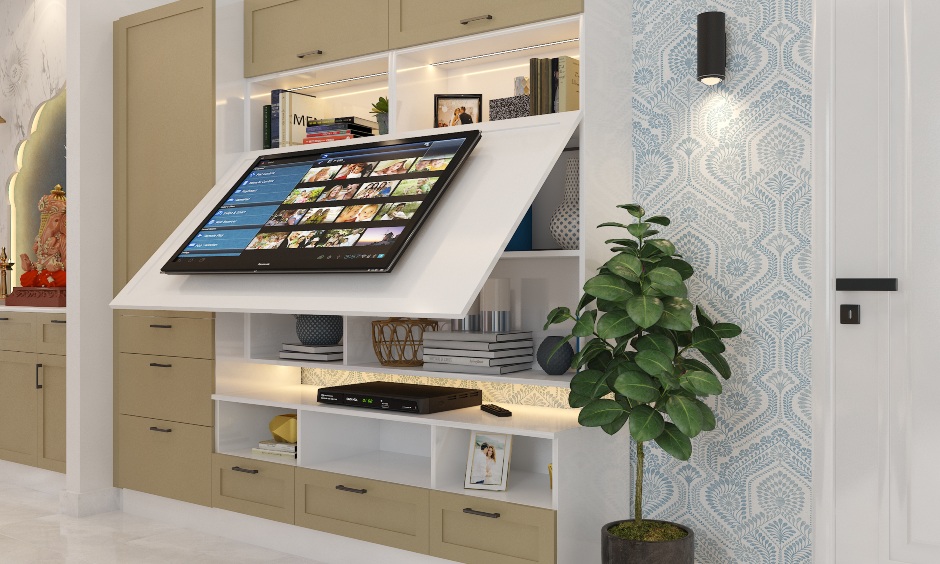
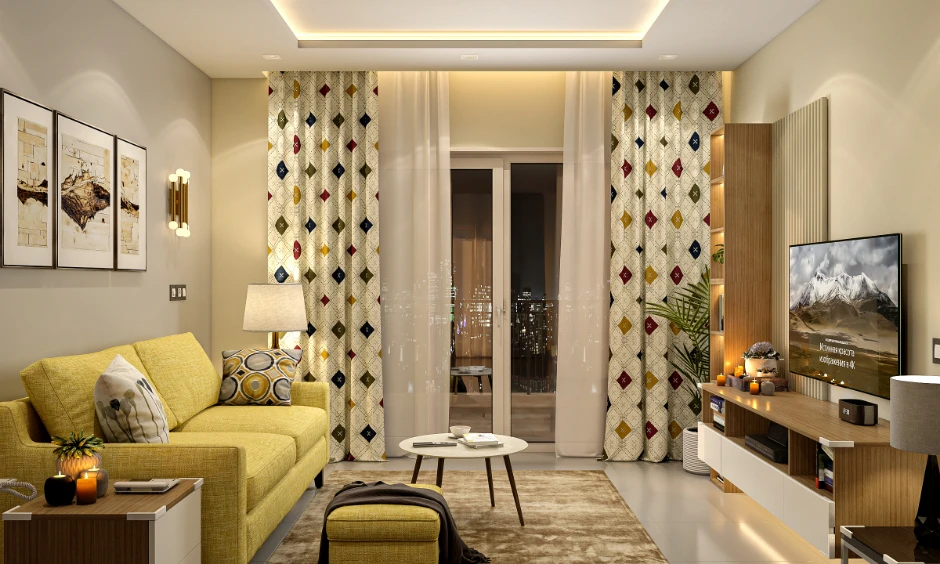
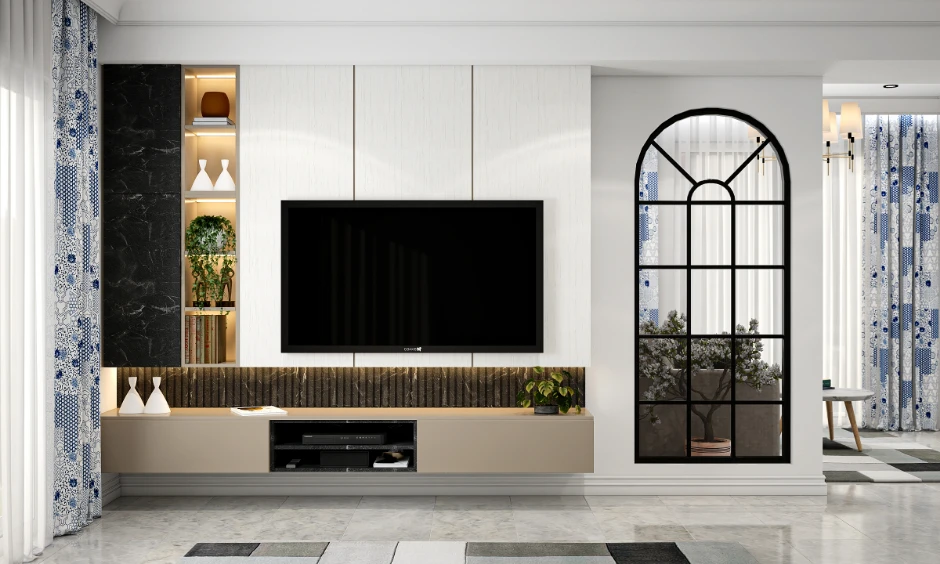
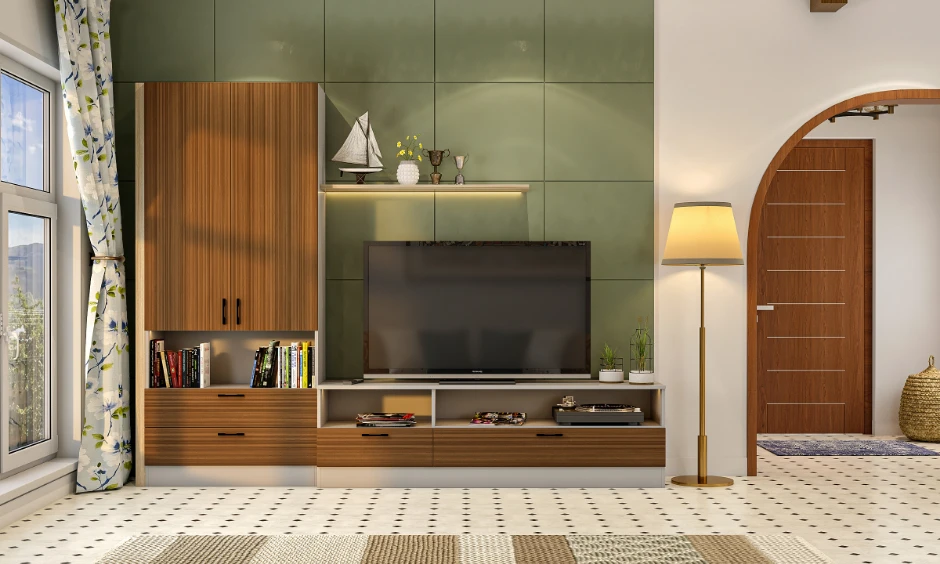
Scroll Through Our Best Living Room Colour Combinations for Every Style


Indian Living Room Colour Combination Ideas
- Warm beige and brown for traditional Indian homes: Warm beige and brown pair naturally with wooden furniture and traditional details.
- Cream and terracotta for an earthy look: Terracotta adds a typically Indian feel to the room, while cream keeps the palette feeling fresh.
- Green and gold for a rich traditional feel: Green adds depth, while small gold accents bring a richer finish.
- Blue and white for a contemporary Indian home: Blue and white feel fresh with Indian textiles, artwork and handcrafted décor.
- Neutral walls with colourful Indian décor: Keep the walls simple and let cushions, rugs, artwork and accessories bring in the colour.
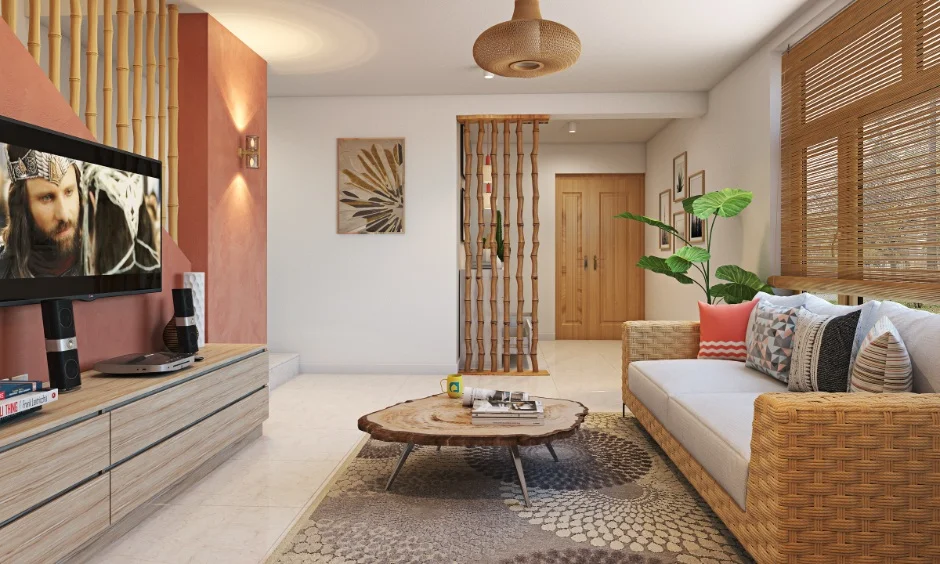
How To Make Your Living Room Colour Combination Stand Out?
- Use an accent wall: One strong wall can add personality without making the entire room feel busy.
- Coordinate colours with soft furnishings: Repeat your wall colour through cushions, curtains, rugs or upholstery for a more pulled-together look.
- Add contrast through décor: Artwork, furniture and accessories are easy ways to add contrast without repainting the room.
- Use lighting to enhance wall colours: The same colour can look completely different in daylight and artificial light. Choose your lighting alongside the palette, not as an afterthought.
- Bring in natural elements and wooden finishes: Plants and wood can soften stronger colours while adding a breath of life and texture.
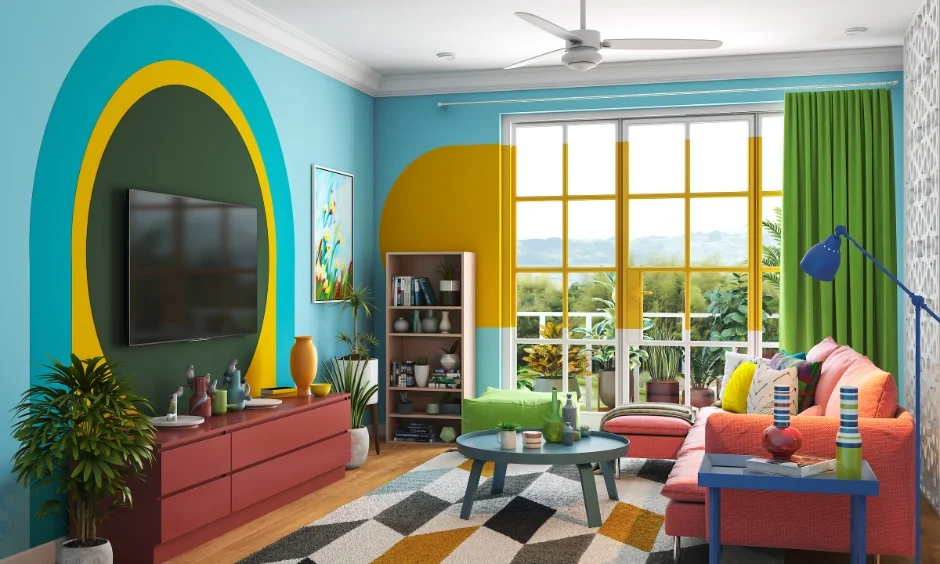
Common Mistakes To Avoid When Choosing Living Room Colours
- Using too many strong colours: Too many bold shades can make the room feel visually noisy. Choose one dominant colour and let neutrals balance it out.
- Ignoring natural and artificial lighting: Colours can change throughout the day depending on the light. Always check how your chosen shade looks in both natural and artificial lighting.
- Choosing colours without considering existing furniture: Your walls need to work with what is already in the room. Check the sofa, flooring, curtains and wood finishes before finalising the colour.
- Using the same colour intensity throughout the room: A room full of equally strong shades can feel overwhelming. Mix deeper colours with lighter or neutral tones to create some breathing space.
- Following trends without considering your home’s style: Trends come and go, but your living room stays. Choose colours that suit your home’s architecture, existing furniture and the way you actually live.
Conclusion
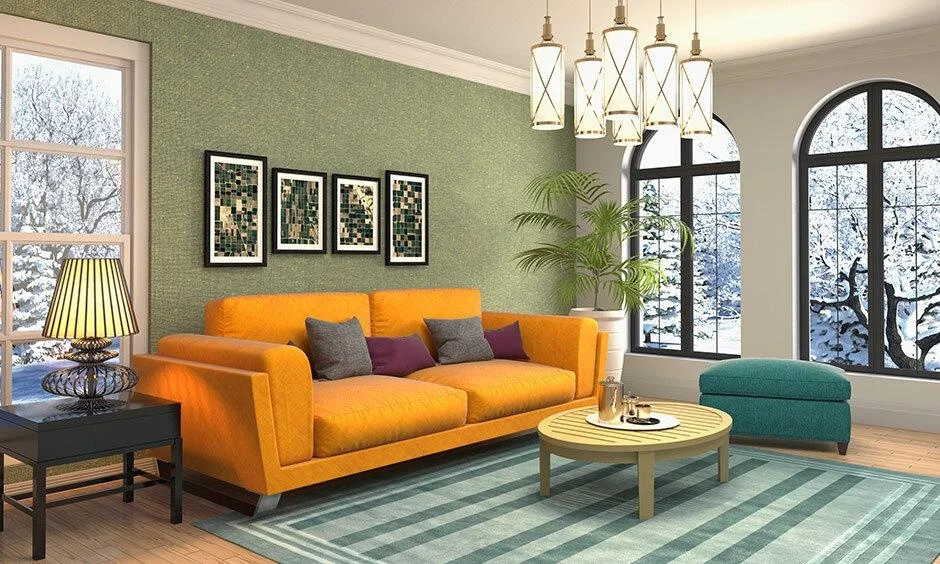
The right living room colour combination is less about chasing the latest shade and more about getting the balance right.
Look at your room’s size, natural light, furniture and flooring first. Then layer in colours that match your style, whether that means soft neutrals, modern contrasts or warm Indian tones. The best palette is one that looks good today and still feels like home tomorrow.
Ready to get your living room right? Book a free consultation with a DesignCafe designer.
Looking for more ideas? Check out our blog section for more interior inspiration.

FAQs
1. Which colour combination is best for a living room?
It depends on your room, lighting and style. White and beige, grey and white, and sage green and cream are easy picks.
2. Which light colour combination makes a living room look bigger?
White and beige, cream and light brown, and pastel blue and white can make a room feel more open.
3. What are the latest colour combinations for living rooms in 2026?
Try beige, white and olive green; grey, white and mustard; or terracotta, cream and brown.
4. What are some simple colour combinations for a living room?
White and beige, cream and brown, grey and white, and green and white are easy combinations.
5. Which colour combination is best for a living room false ceiling?
White with beige, grey or wooden accents works well with most living room palettes.
6. Which colour combinations make a living room look more spacious?
Light shades like white, beige, cream and pastel blue can create a more open feel.