Select Category


AI Summary
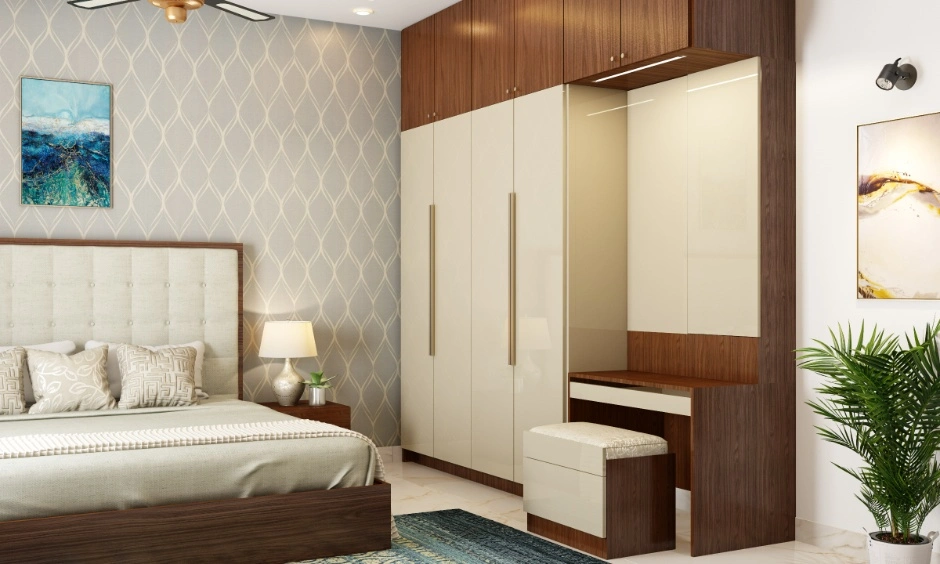
4 key insights · 1 expert tipChoosing the right wardrobe material is key to creating a storage solution that’s durable, stylish, and functional. The best wardrobe materials not only enhance the aesthetics of your space but also ensure long-lasting performance. From plywood to laminates, each material has its unique benefits.
KEY INSIGHTS
What You’ll Read Here:
- Importance of selecting the right wardrobe material
- A quick checklist of wardrobe materials and their features
- Tips for choosing the perfect material for your wardrobe
- Frequently Asked Questions about wardrobe materials
Best for: Homeowners designing or upgrading wardrobes, interior designers, design enthusiasts, and architects.
 DESIGNCAFE EXPERT TIP
By our design team
DESIGNCAFE EXPERT TIP
By our design team
As shared by Tasneem Arsiwala, Studio Manager at Design Cafe Studio, Thane, Mumbai, “When selecting wardrobe materials, consider durability and moisture resistance. Plywood is a great all-rounder, while laminates add a stylish finish. Always balance functionality with aesthetics for the best results.”
Confused about choosing the right wardrobe material? Our quick checklist will help you find the perfect wardrobe material that aligns with your style and budget.
Building a new closet is incredibly exciting until you hit the design studio and hear words like “BWR,” “MDF,” and “PU”. Suddenly, picking out shelves feels like a chemistry test. Do not panic. We are here to break down everything you need to know about the best wardrobe materials that help you build the perfect storage space. Whether you want a sleek, modern look or a rustic vibe, knowing your core materials helps you make smart choices.
Let us explore the best material for wardrobe construction, compare your favourite finishes, and get your room looking fabulous.

A Quick Checklist to Find the Best Wardrobe Materials
Before you dive deep into the wood types, grab a notebook and run through this quick checklist to find the best material for wardrobe spaces in your home:
- Evaluate Your Local Climate: High humidity requires different core materials than dry climates.
- Check Your Budget: Solid wood costs more than engineered wood.
- Define Your Usage: Kids’ rooms need tough, scratch-resistant materials, while guest rooms can handle delicate finishes.
- Pick Your Style: Do you love shiny surfaces or matte textures?
Expert Tip: List your top three priorities (for example, moisture resistance, look, and price) before you start shopping. This will help you streamline your decision-making process.
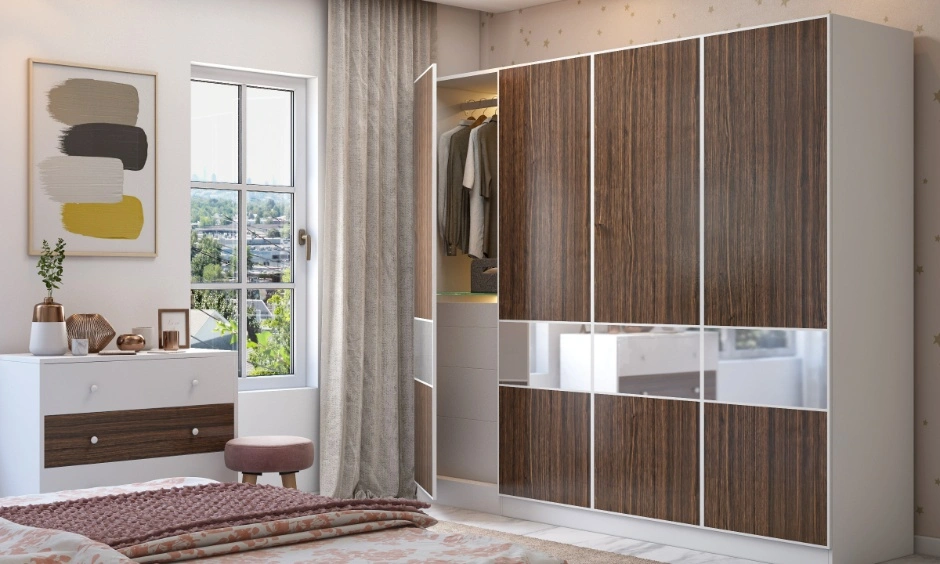
Choose the Right Carcass Material: Plywood Wardrobe, MDF, or Particle Board?
The box that holds all your clothes is called the wardrobe carcass. Choosing the right material for your wardrobe carcass is crucial for durability and longevity. Here are some popular options:
- Plywood: The most preferred option for a sturdy wardrobe carcass. Plywood wardrobes are strong, long-lasting, and maintain their shape even under heavy loads.
- MDF (Medium Density Fiberboard): Offers a smooth finish and is ideal for painted or laminated wardrobes. However, it’s best for low-moisture areas.
- HDF HMR (High Density Fiberboard High Moisture Resistance): Denser and more moisture-resistant than regular MDF, making it suitable for areas with higher humidity.
- Particle Board: Lightweight and budget-friendly, but less durable than plywood or MDF. Best suited for low-traffic areas or temporary wardrobes.
If your wardrobe carcass is weak, the entire structure will eventually sag. Builders typically use engineered wood for the inner box/carcass because it resists warping much better than basic planks.
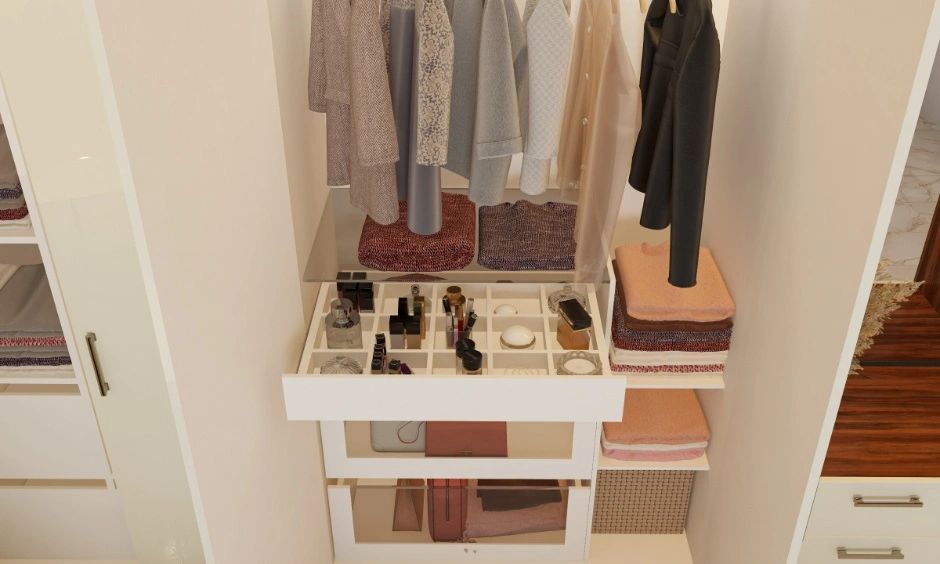
Plywood Wardrobe Vs. MDF Vs. Particle Board
When picking the core material, you have three main contenders. Let us compare them!
| Material | Pros | Cons |
| Plywood | *Exceptionally strong and durable. *Holds heavy loads and resists warping. *Great for long-lasting wardrobes in any room. | *Higher cost compared to particle board. *Heavier than alternatives. |
| MDF (Medium Density Fiberboard) | *Super smooth surface, perfect for painted or laminated finishes. *Allows intricate carving and sleek designs. | *Not suitable for high-moisture areas. *Less sturdy than plywood for heavy use. |
| Particle Board | *Lightweight and highly economical. *Easy to install for temporary or low-traffic wardrobes. | *Not as sturdy as plywood or MDF. *Not recommended for heavy use. |
Trending Wardrobe Interior Designs


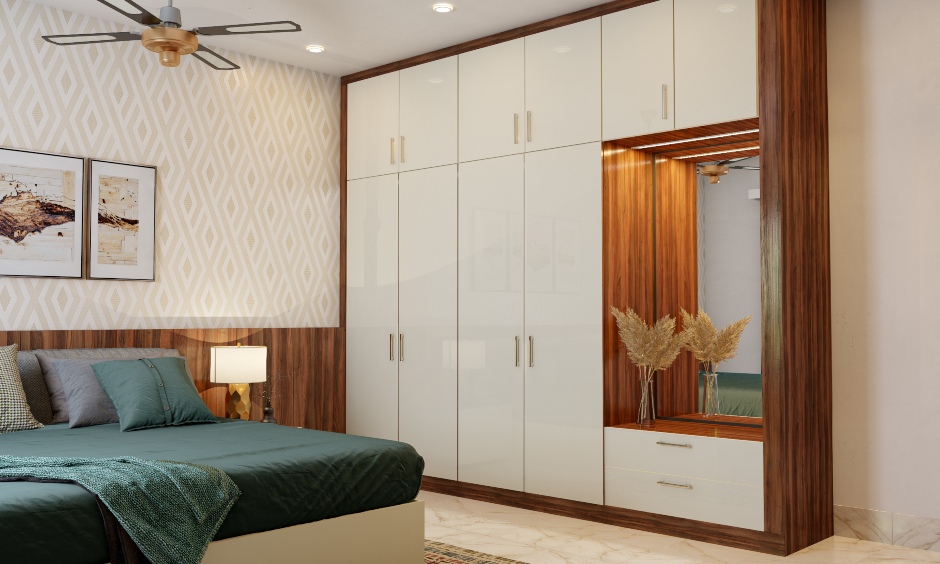
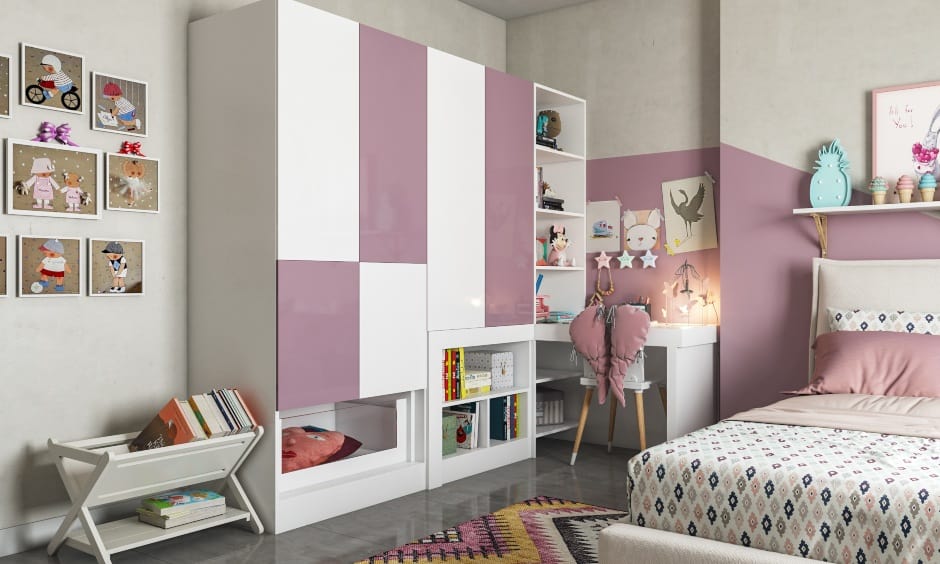

Different Types of Plywood Wardrobes
Yes, a plywood wardrobe is often the top choice for strength. Plywood has excellent load-bearing capacity. But which type is the best for you?
- MR Plywood: Moisture-resistant (MR) plywood is great for dry areas like bedrooms. Using this material keeps costs down while offering great strength. It is perfect for wardrobes that are not exposed to dampness.
- BWR Plywood: Boiling Water Resistant (BWR) plywood takes moisture protection up a notch. If your closet shares a wall with a bathroom, it is a smart upgrade. This is the best plywood for wardrobe interiors. It offers a great balance of durability, cost, and water resistance.
- BWP Plywood: Boiling Water Proof (BWP) plywood is the ultimate champion against water. While BWP plywood is usually meant for kitchens, some use it for basement closets.
Check Shutter Material Options
Here are some popular wardrobe shutter materials, along with what makes each one stand out:
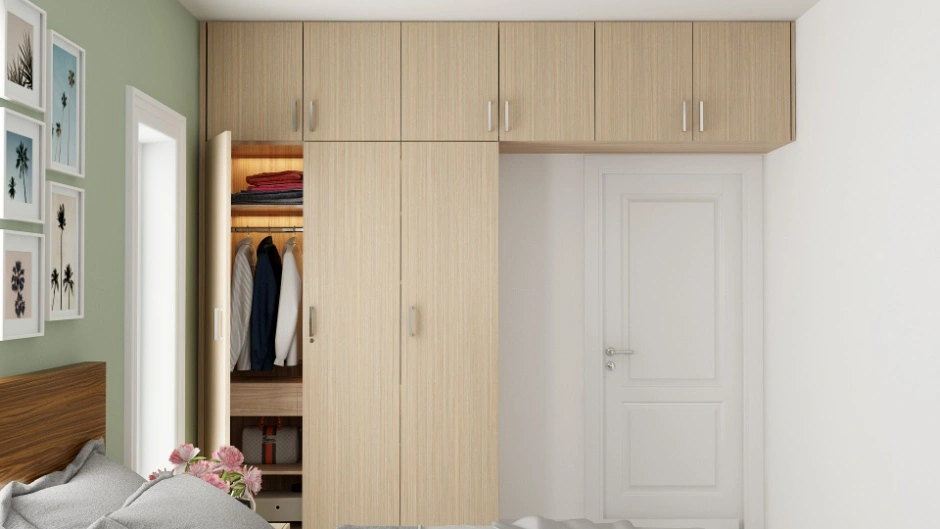
1. Teak Wood Shutters
Classic, durable, and naturally beautiful. Teak wood shutters bring warmth and richness to your wardrobe, resisting warping and pests over time.
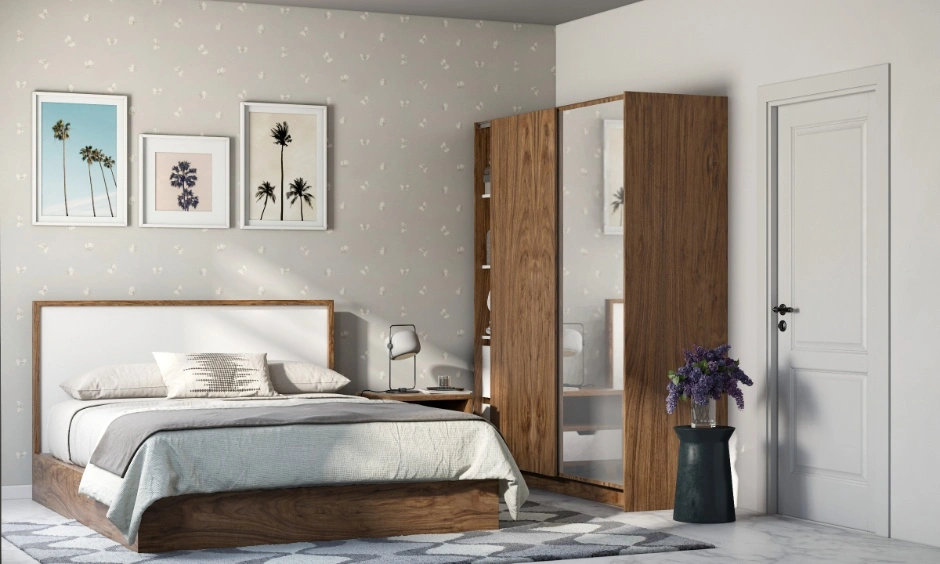
2. Aluminium Shutter for Wardrobe
Modern and lightweight, aluminium shutters give your wardrobe a sleek, industrial finish. They’re also rust-resistant and easy to maintain.
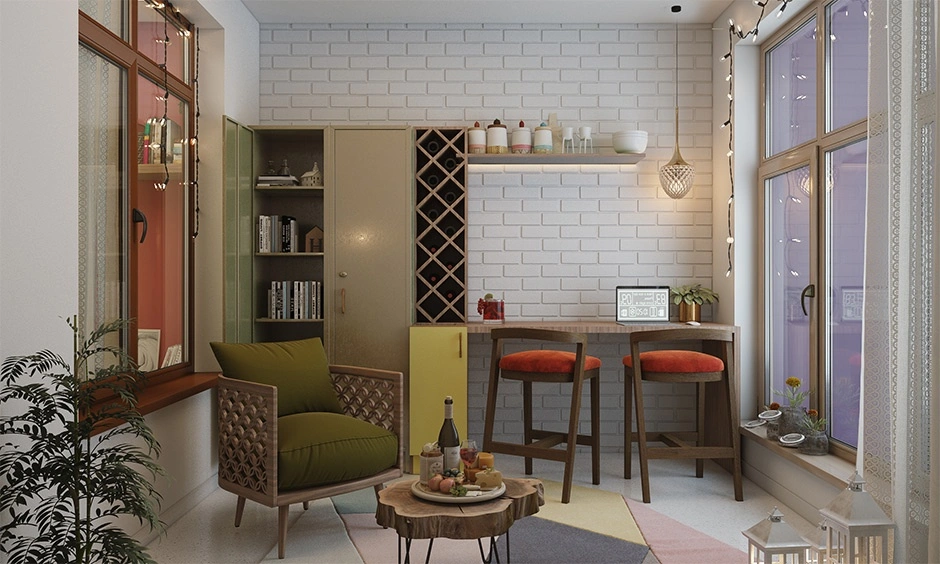
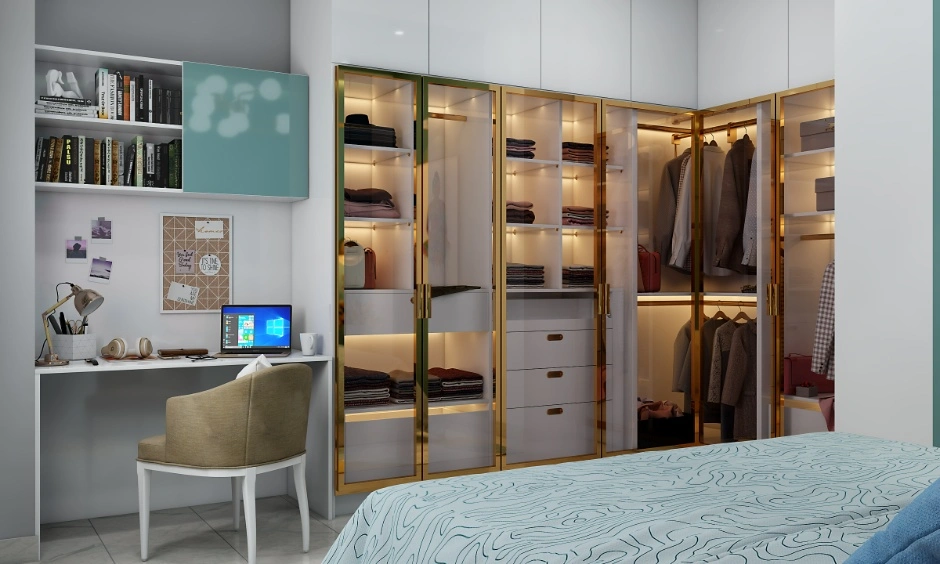
3. Glass Shutters for Wardrobe
Create an airy, open look with glass shutters. Perfect for showcasing your wardrobe contents, they add elegance and work well in contemporary spaces. Just ensure you use toughened glass for safety.
Pro Tip: Frosted or tinted glass is less likely to show fingerprints and keeps clutter hidden.
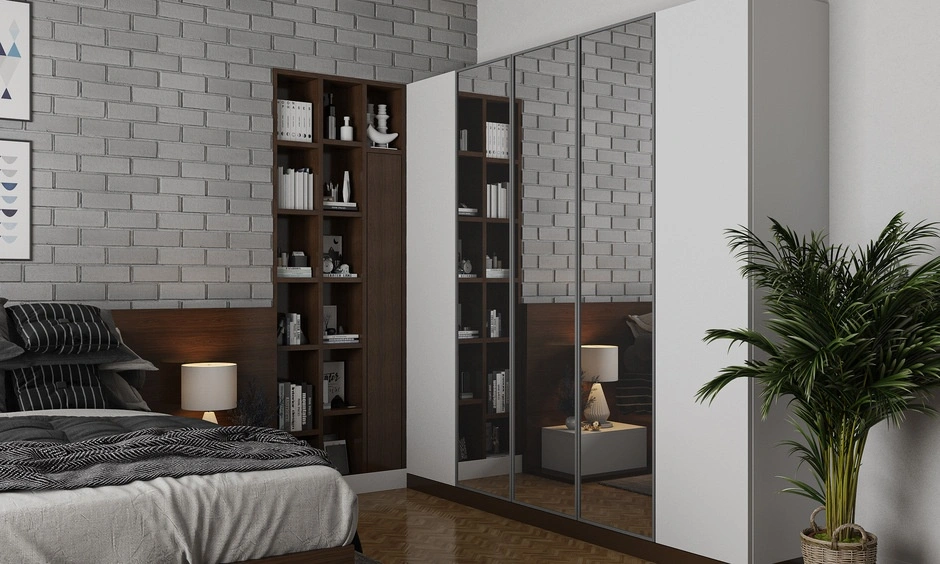
4. Mirror Shutter Wardrobe
Maximise small spaces with mirror shutters, which reflect light and make rooms appear larger. Bonus: you get a full-length mirror built right into your closet.
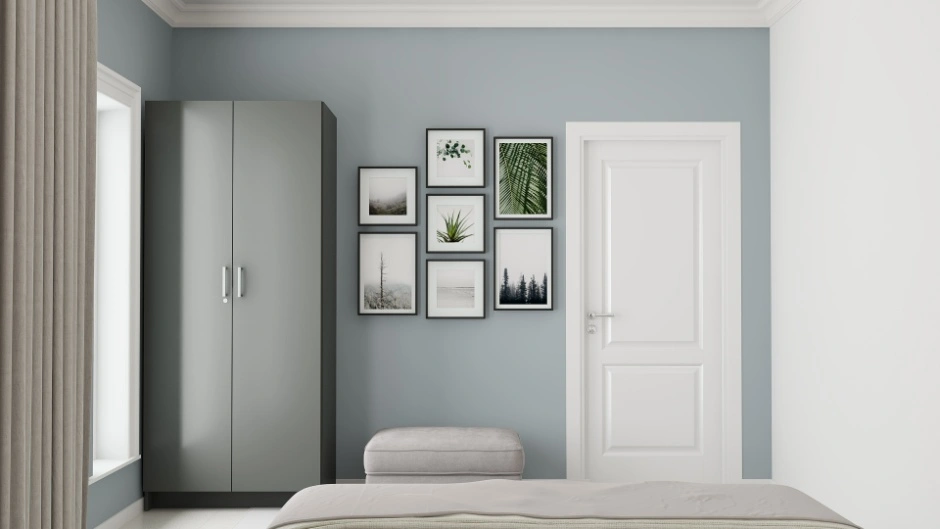
5. Openable Shutter Wardrobe (Hinged/Swing Doors)
Traditional design offering easy, complete access to the wardrobe. Allows you to use the inside of doors for extra racks and accessories.
Pro Tip: Hinged shutters require more clearance, so measure before you commit.
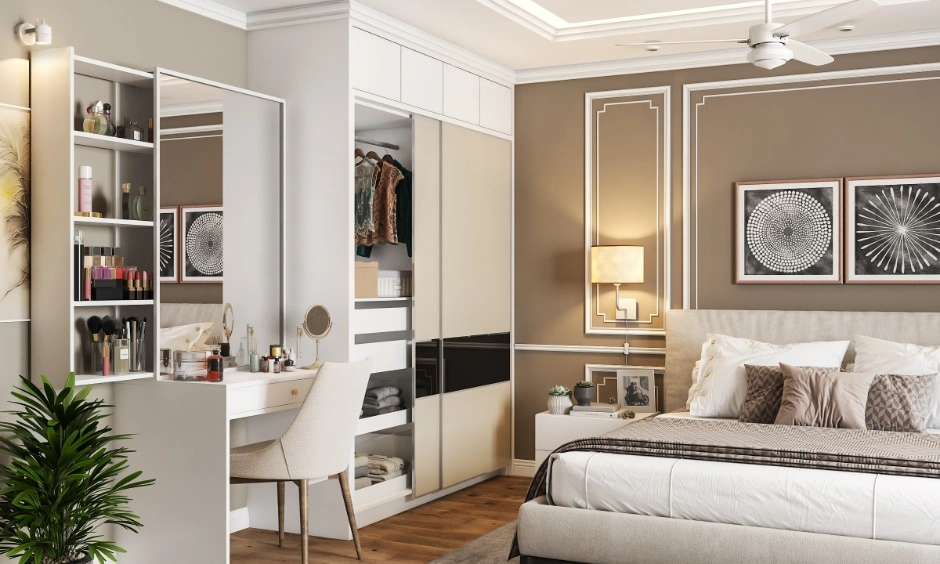
6. Sliding Shutters
Ideal for compact rooms, sliding shutters save space as they don’t swing outwards. Great for modern and minimalistic designs.
Select the Best Wardrobe Finish
Now for the fun part: Wardrobe finishes. Your finishes determine the final colour and texture of your closet.
1. Classic Laminates: You cannot go wrong here. Classic laminates are tough, scratch-resistant, and cheap. They are widely considered the best laminate for wardrobe surfaces because they handle daily abuse well. Finding the best laminate for wardrobe designs is easy because they come in thousands of colours.
Expert Tip: Go for textured or matte laminates in high-touch areas; these show fewer fingerprints and smudges.
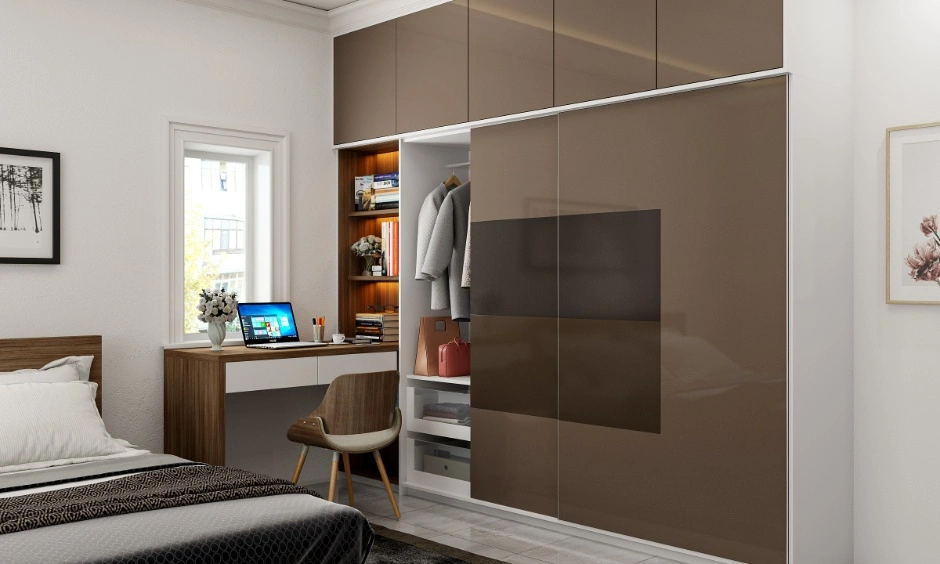
2. Acrylic Finish: Want a high-gloss, mirror-like shine? An acrylic finish is stunning and highly reflective. Just remember that it shows fingerprints easily.

3. Membrane Finish: A membrane finish wraps seamlessly around the edges of your doors. It is great for grooved doors and offers a soft, smooth feel.
4. PU Paint Finish: A PU paint finish gives you a flawless, painted look. Matte or gloss- both varieties are available. Its USP is that it looks incredibly premium.
5. Glass Finish: Adding a flass finish (like lacquered glass) gives a super sleek, contemporary look. It is easy to wipe down but requires careful handling.
Hardware Decision: Don’t Forget the Wardrobe Door Handles
Your wardrobe doors need beautiful jewellery, too. Choosing the right wardrobe door handles changes the entire aesthetic.
- Long, sleek handles look great on modern closets.
- If you prefer a vintage or minimalist look, swap the handles for cute wardrobe knobs.
- Mixing and matching knobs can even give kids’ rooms a playful, customised feel.
Expert Tip: Large handles or knobs are easier to grip, making them perfect for kid-friendly or senior-friendly wardrobes.
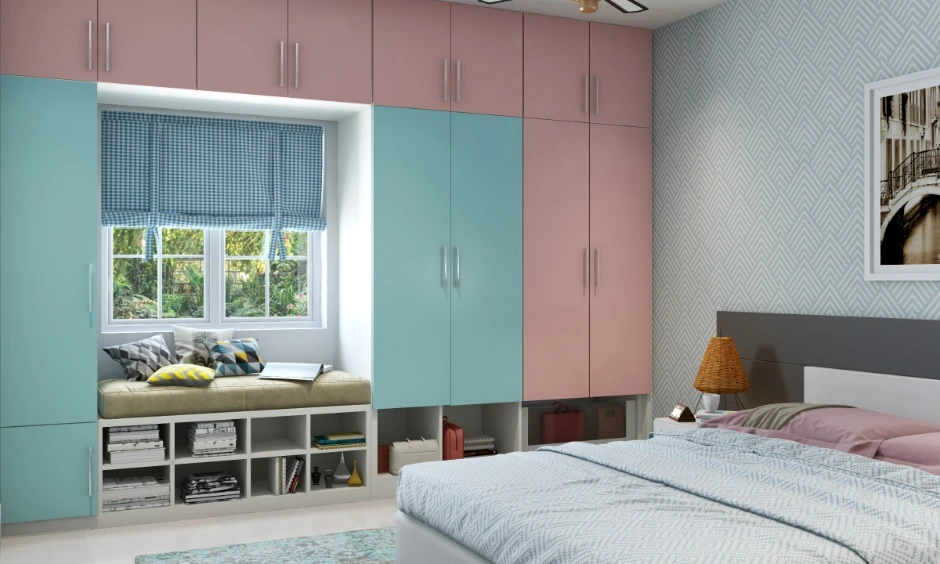
Ensure Durability & Moisture Resistance in Wardrobe Materials
No matter what materials you pick, keeping moisture away is crucial. Always leave a small gap between your closet and the wall to allow air circulation. If you live near the coast, skipping particle board and upgrading to BWR or BWP core materials will save you money in the long run.
Expert Tip: Use silica gel sachets or wardrobe dehumidifiers, especially during monsoon months, to prevent mould and odours.
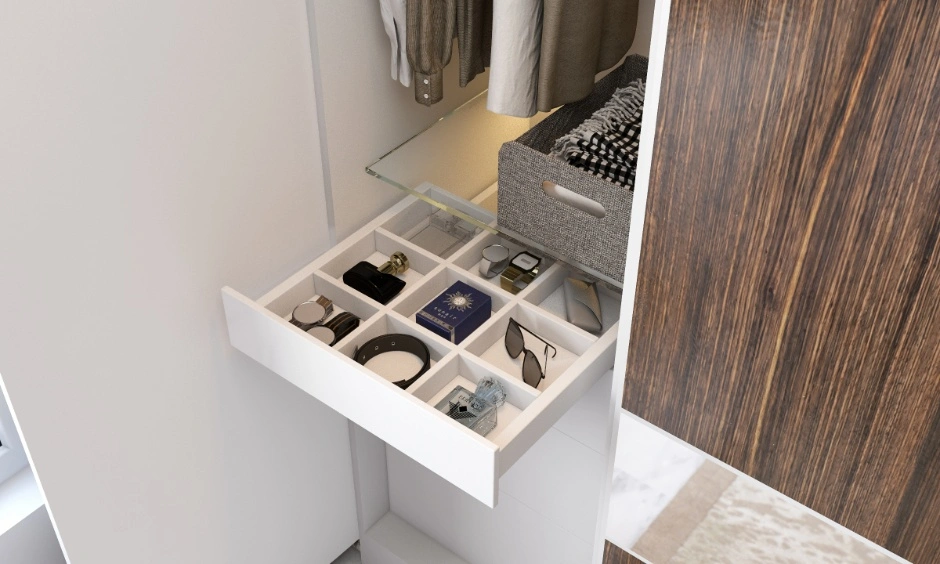
Balance Budget and Quality While Choosing the Best Materials for Wardrobes
You do not have to spend a fortune to get a great result. Mix materials to balance your budget. Use sturdy plywood for the inner box and affordable classic laminates for the outside. Splurge on fancy wardrobe knobs or a single mirror door to elevate the look without breaking the bank.
Expert Tip: Focus your splurges on features you use every day, like soft-close hinges, premium handles, or one statement finish. The little upgrades make a big difference in how much you love your closet.
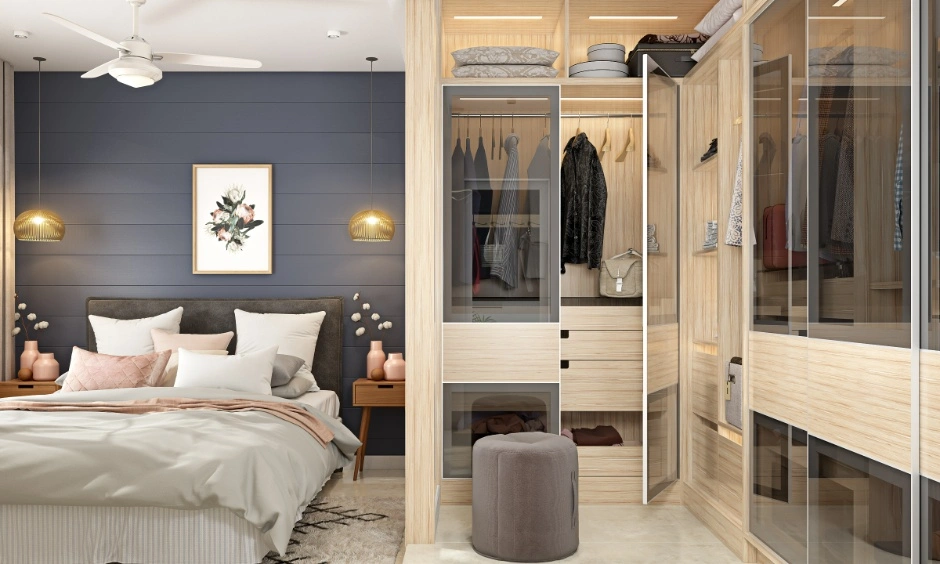
Wardrobe Woes? We’ve Got You Covered
Choosing the right wardrobe material doesn’t have to be a puzzle. From durable plywood to sleek laminates, our experts at DesignCafe can help you pick the perfect fit for your style and needs. Book a free design consultation today, and let’s craft a wardrobe that’s as functional as it is fabulous.
Your dream storage solution is just a click away!
FAQs
1. What are the best wardrobe materials for durability?
Plywood is generally the strongest core material, especially when paired with scratch-resistant laminates.
2. What is the best material for a wardrobe in humid areas?
For humid areas, BWR plywood or BWP plywood are fantastic choices. You should also consider HDF HMR for areas prone to dampness.
3. Are glass shutters for a wardrobe a good choice?
Absolutely! They look incredibly modern and make it easy to see your clothes. Just ensure you use toughened glass for safety.
4. Which is better: an openable shutter wardrobe or sliding shutters?
An openable shutter wardrobe is better if you have plenty of space in front of the closet, as it offers full visibility. Sliding shutters are perfect for tight, narrow rooms.
5. What are the advantages of a glass finish on wardrobes?
A glass finish looks highly luxurious, reflects light to brighten the room, and is very easy to clean with a quick wipe.
6. Which wardrobe finishes are easiest to maintain?
Classic laminates are by far the easiest to maintain. They resist scratches, stains, and fading much better than delicate painted surfaces.
7. Which plywood is best for a wardrobe – MR, BWR, or BWP?
MR plywood is perfectly fine for dry bedrooms. However, BWR plywood is the best all-rounder, offering great strength and moisture resistance for a reasonable price.