Select Category


AI Summary
11 key insights · 1 expert tipIn 2026, interior design trends are defined by two powerful directions: calm, clutter-free minimalism and bold, expressive maximalism. While minimalism celebrates clean lines and purposeful simplicity, maximalism brings energy through layers, colours, and personality. This guide breaks down both styles, their pros and cons, key differences, and real styling ideas to help you choose a design approach that truly fits your home and lifestyle.
KEY INSIGHTS
What You Will Read Here
- What maximalist and minimalist interior design really mean
- Key features, pros, cons, and who each style suits
- Side-by-side comparison of both styles
- Practical design ideas for living rooms and décor
- How to mix both styles into a balanced hybrid look
- Expert-backed advice for choosing the right style for your space
Best For
- New homeowners planning a fresh interior design
- Apartment owners deciding between clean vs expressive styling
- Families seeking clarity on what fits their lifestyle
- Anyone confused between minimalism, maximalism, or a hybrid approach
- Homeowners looking for practical 2026-ready design ideas
 DESIGNCAFE EXPERT TIP
By our design team
DESIGNCAFE EXPERT TIP
By our design team
“If you're unsure about choosing between minimalist and maximalist design, start by assessing how you naturally use your space. Homes that feel too busy often benefit from minimalist planning, while spaces that feel flat or characterless can come alive with maximalist layers. Begin with foundational pieces and build gradually so the home evolves with your comfort.” — Megha Kathuria, Interior Designer, HSR Layout, DesignCafe Experience Centre, Bangalore.
A practical guide to choosing the right interior style based on space, lifestyle, and personality.
In 2026, interior design is clearly split between two strong directions. There are calm, clutter-free spaces on one side and bold, expressive ones on the other. This growing contrast has made minimalist vs maximalist one of the most talked-about design debates today.
While one focuses on simplicity and function, the other celebrates layers and visual richness. Both styles can adapt to modern living needs; they offer very different experiences in how a home looks and feels.
Understanding these approaches helps you decide what truly fits your space, lifestyle, and personality.

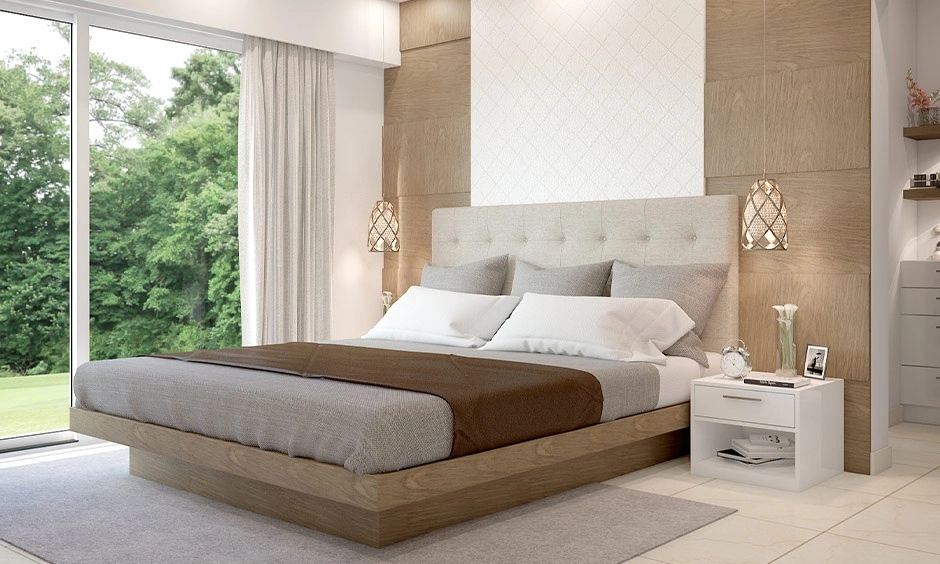
What is Minimalist Interior Design?
Minimalist interior design is centred around the idea of ‘less is more’. It focuses on clean spaces, purposeful furniture, and a clutter-free environment that feels calm and balanced.
Key Features
- Simple layouts with open spaces
- Neutral and muted colour palettes
- Functional furniture with minimal detailing
- Focus on light, air, and visual clarity
Pros
- Easy to maintain and clean
- Makes small spaces feel larger
- Timeless and adaptable style
Cons
- Can feel too plain if not styled well
- Limited scope for bold expression
Best Suited For
- Compact homes and apartments
- People who prefer calm, organised environments
- Work-from-home or focus-heavy lifestyles
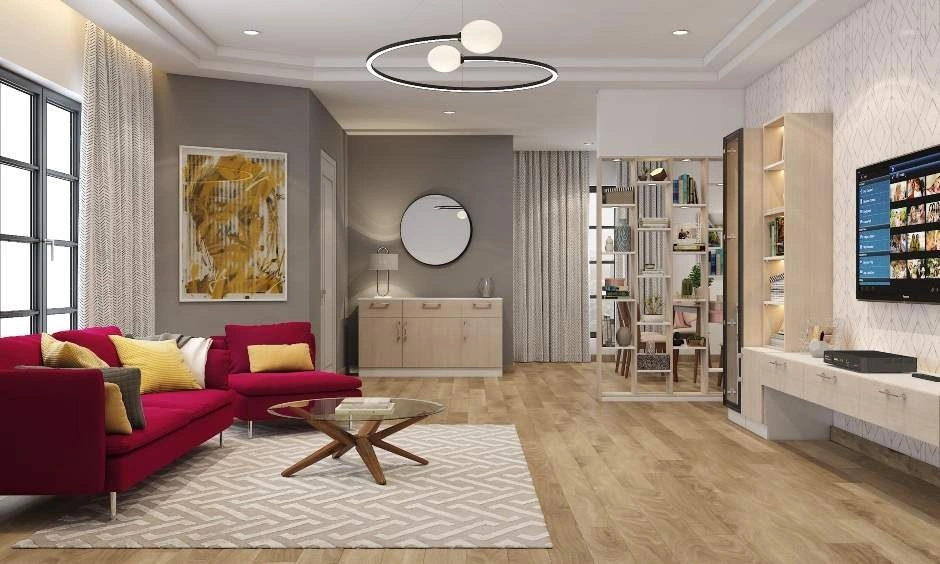
What is Maximalist Interior Design?
Maximalist interior design is all about expression, layering, and personality. It embraces bold colours, mixed patterns, and statement decor to create visually rich spaces.
Key Features
- Bold colour combinations and contrasts
- Layered textures and patterns
- Statement furniture and décor pieces
- Personal, expressive styling
Pros
- Highly personalised and expressive
- Visually rich and dynamic
- Allows creative freedom
Cons
- Can feel overwhelming if not balanced
- Requires more effort to maintain visual order
Best Suited For
- Large spaces and open layouts
- People who love collecting décor and art
- Homes that prioritise visual impact
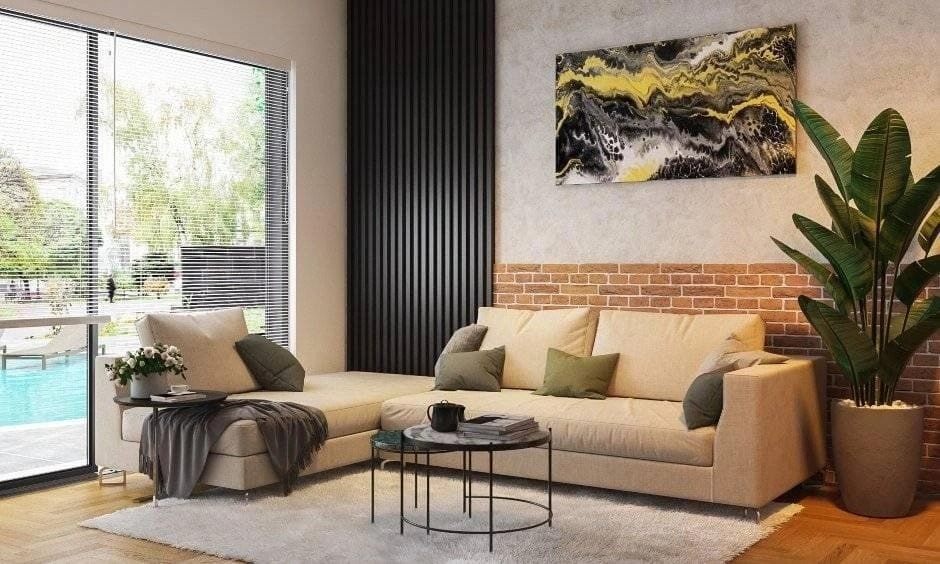
Minimalist vs Maximalist Interior Design: Key Differences
Choosing between these two styles comes down to the kind of look and functionality you want in your space. While both have their own strengths, understanding their key differences helps you decide what fits your home better.
| Aspect | Minimalist Style | Maximalist Style |
| Colours | Neutral, muted tones | Bold, contrasting shades |
| Furniture | Functional, simple designs | Statement, decorative pieces |
| Space Usage | Open and uncluttered | Layered and filled |
| Budget | Controlled and focused | Flexible, often higher |
| Maintenance | Easy to manage | Requires more upkeep |
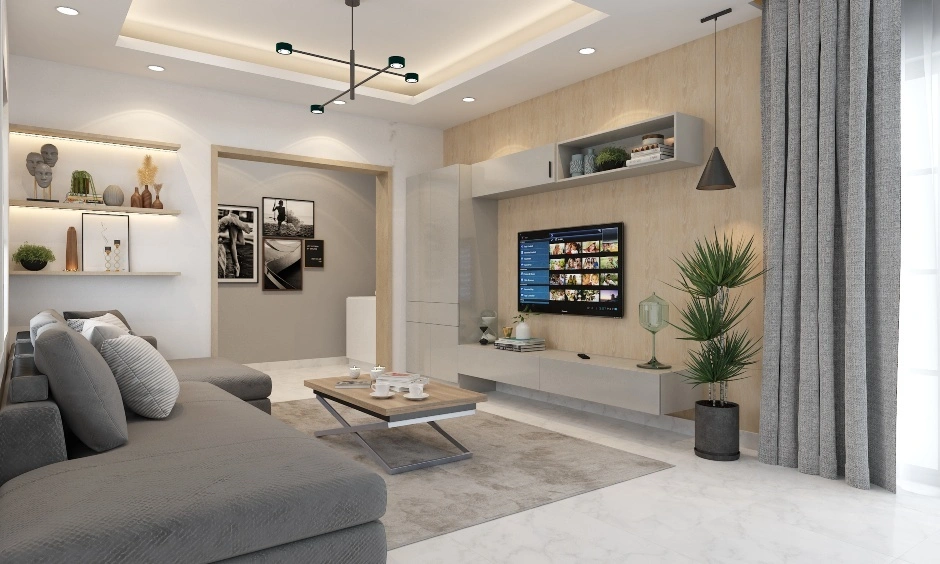
Living Room Minimalist Interior Design Ideas
Minimalism isn’t about making the space look empty, but about making it feel intentional. Every choice, from furniture to decor, should contribute to a calm and clutter-free environment. Here are a few ideas to begin with:
1. Living Room Ideas
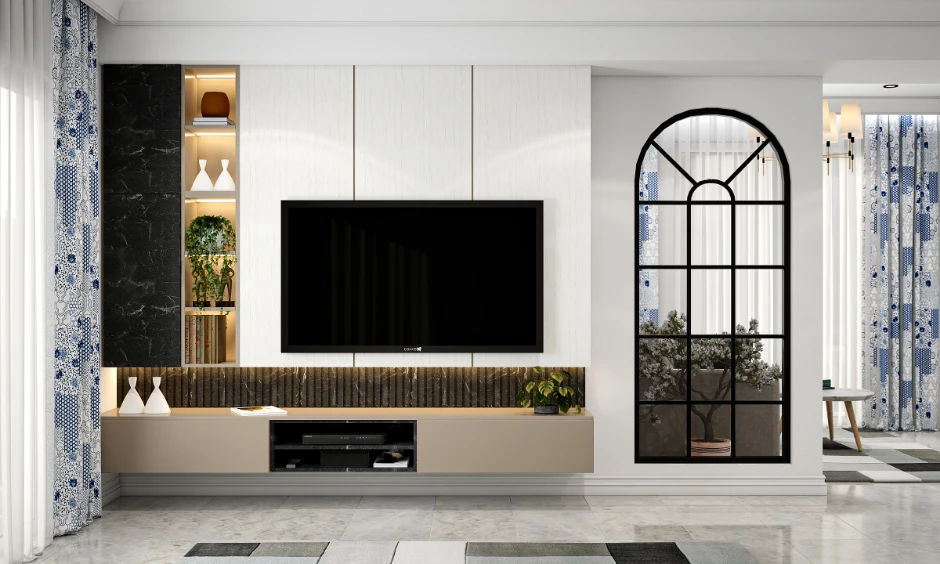
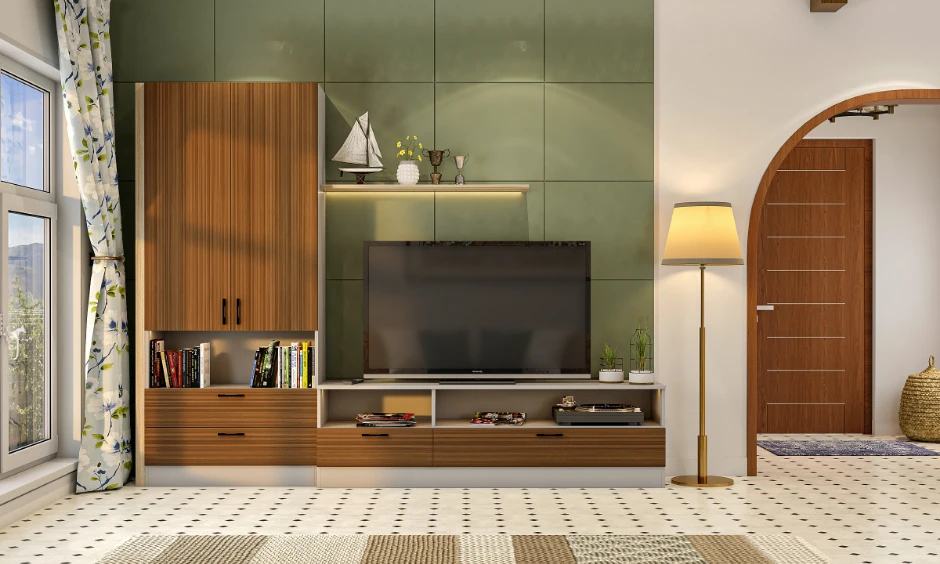
A minimalist living room design starts with a clean layout, a few essential pieces like a neutral-toned sofa, a functional coffee table, and subtle accents.
To make the space feel complete:
- Choose furniture with simple designs.
- Stick to soft, neutral colours for a cohesive look.
- Add one or two statement pieces instead of multiple small items.
- Let natural light become a key design element.
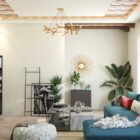
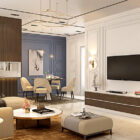
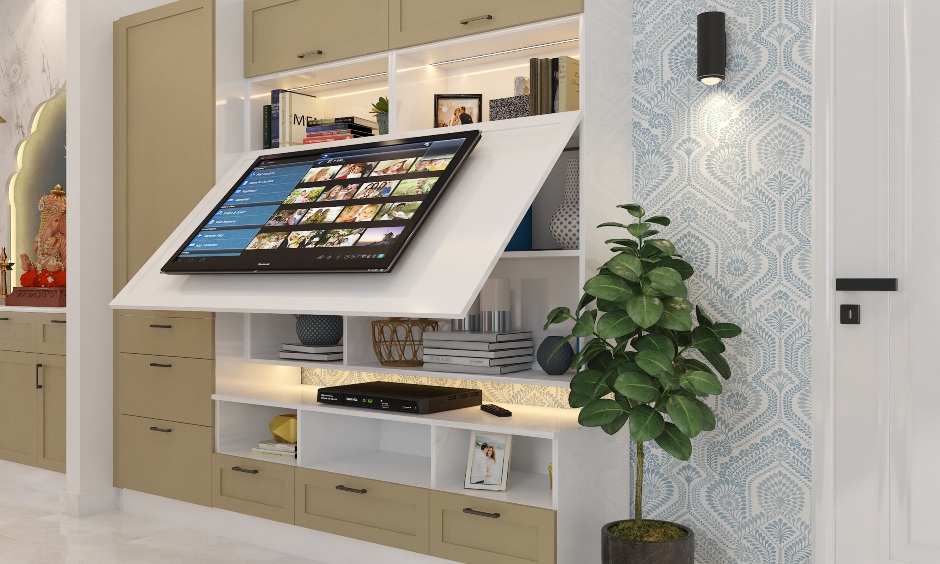
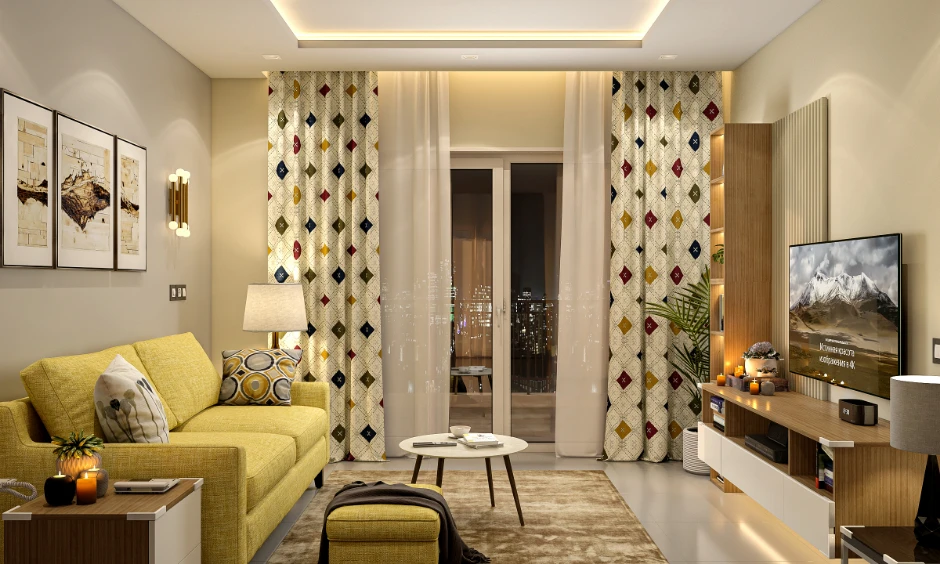
Minimalist and Maximalist Living Room Interior designs


2. Simple Decor Tips
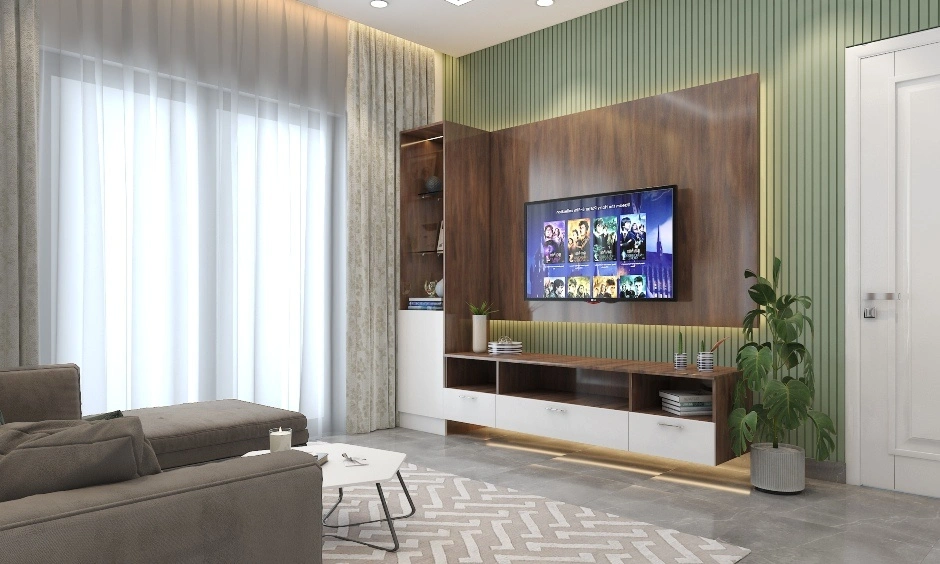
When it comes to minimalist interior decor, prefer quality over quantity to keep everything visually balanced. A well-executed minimalist home ensures that every element has a clear purpose. To put this into practice, here are a few practical tips:
- Use fewer decor pieces, but ensure each one stands out.
- Maintain a consistent colour palette across the room.
- Opt for hidden or built-in storage to keep surfaces clear.
Pro Tip: For a modern minimalist vibe, keep a few meaningful pieces such as a textured rug or soft lighting.
Living Room Maximalist Interior Design Ideas
Maximalism is where design becomes personal. It lets you reflect your story through colours, textures, and pieces you genuinely love. Here are a few ideas to make the space feel expressive and full of character:
1. Living Room Styling
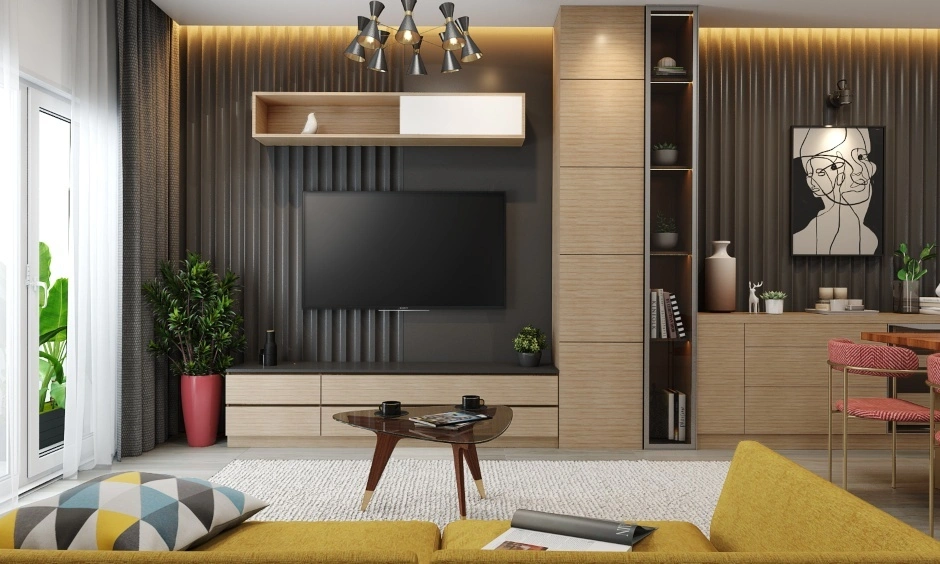
A maximalist living room requires bold choices and layered styling. To create a visual interest at every angle while maintaining a sense of flow, you can:
- Start with a strong base colour and build around it.
- Layer patterns through cushions, rugs, and upholstery.
- Use statement furniture or artwork as focal points.
- Mix different materials to add depth and contrast.
2. Decor Layering Ideas
When it comes to maximalist decorating ideas, layering is what brings the entire space together. Each element should add to the story of the room rather than compete with it.
Here are a few ways to do it effectively:
- Combine bold artwork with patterned rugs for visual depth.
- Mix textures like velvet, wood, glass, and metal.
- Use statement lighting to anchor the space.
- Display personal collections, books, or travel pieces.
- Repeat colours or patterns across the room to create cohesion.
Pro Tip: Start with a cohesive colour palette and repeat a few key shades across different elements. This maximalist decor style helps tie everything together despite multiple layers.
Minimalist vs Maximalist: Which One Should You Choose?
The right choice doesn’t depend solely on trends. You need to consider important factors like:
1. Based on Space
If you are working with a smaller layout, minimalist interior design works better. It keeps the room open and easy to move around. In larger homes, you have more flexibility to explore maximalism.
2. Based on the Budget
Minimalist spaces typically focus on fewer, well-chosen pieces. It helps keep costs under control and avoids unnecessary purchases. Conversely, maximalist spaces require substantial budgets, but you can invest in elements over time to minimise the financial burden.

3. Based on Personality
If you prefer calm, organised environments with a sense of structure, minimalist bedroom decorating ideas will feel more natural. On the other hand, if you enjoy bold colours, patterns, and expressive decor, you might be drawn to maximalism.
Can You Combine Minimalist and Maximalist Interior Design?
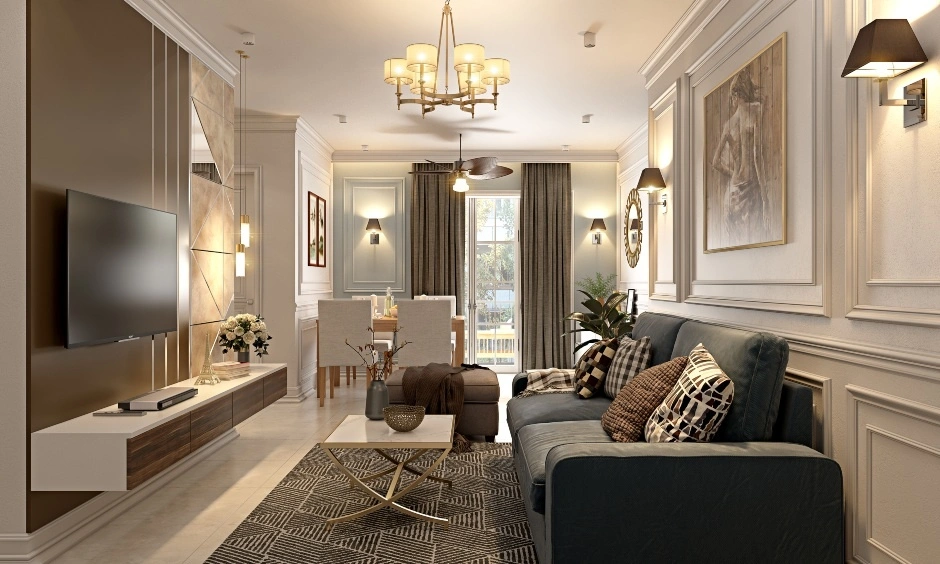
Yes, you can opt for hybrid interiors to get the best of both styles. Begin with a neutral base, like soft walls, clean layouts, and uncluttered surfaces. Then introduce character through a few bold, well-placed elements. To get this balance right, you can include:
- Clean, functional furniture with textured accents like cushions or throws
- Mixed materials like wood, fabric, or metal for depth
- Subtle accent lighting or standout décor
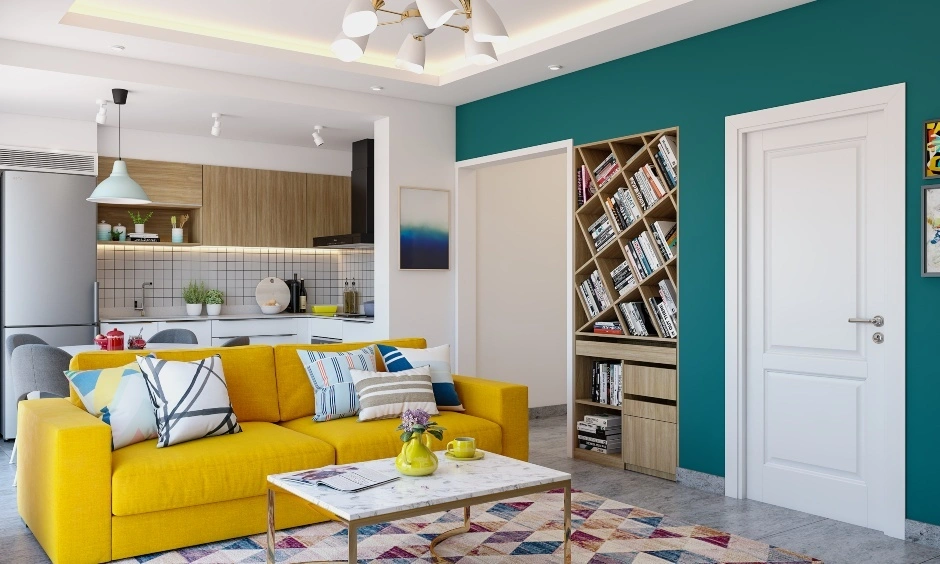
There’s no one-size-fits-all answer when choosing between minimalist and maximalist. And that’s exactly what makes it interesting.
If you prefer calm environments, minimalism offers that. If you are drawn to expressive spaces, maximalism might be your calling. If you find yourself somewhere in between, a hybrid approach is the way to go. Ultimately, your space should reflect your lifestyle and feel like ‘home’. Book a Free Appointment Now!
FAQs
1. What is the difference between Minimalist vs Maximalist interior design?
Minimalism focuses on clean layouts and only essential elements, while maximalism is all about layering colours, patterns, and décor to create an expressive space.
2. Which is more affordable: Minimalist vs Maximalist design?
Minimalist design is usually more affordable since it involves fewer, well-chosen pieces. However, the maximalist design may cost more as you add more layers of decor and statement pieces over time.
3. Which is better for small homes — minimalist or maximalist interior design?
Minimalist interiors generally work better for small homes as they keep the space open and uncluttered. Maximalism can work too, but it requires careful planning.
4. What are some simple maximalist bedroom ideas for beginners?
Add bold cushions, a statement wall, layered lighting, or a mix of textures like rugs and throws.
5. Which design style is easier to maintain on a daily basis?
Minimalist spaces are easier to maintain because there’s less furniture and decor to manage.
6. How do I choose between minimalist and maximalist styles for my home?
Think about your space, lifestyle, and personal preference. If you like organised environments, go minimal. If you enjoy creative spaces, maximalism might suit you better.
7. Which is more space-saving: Minimalist vs Maximalist?
Minimalist design is more space-efficient because it focuses on fewer functional pieces and open layouts.