Select Category


AI Summary
7 key insights · 1 expert tipThe right bedroom colour is about more than picking a shade you like. Vastu links different directions to specific colours and elements, giving you a starting point for your palette. Use these recommendations alongside natural light, room size, furniture and your own taste to create a bedroom that feels balanced rather than overly matched.
KEY INSIGHTS
- Start with your bedroom’s direction, then choose a softer version of its commonly recommended Vastu palette.
- South-west bedrooms work well with grounded shades such as beige, taupe and light brown.
- North and north-east bedrooms can take lighter greens, blues, ivory and pale yellow.
- Use stronger colours on the wall behind the bed instead of overwhelming all four walls.
- If you cannot change your bedroom’s orientation, bring Vastu-inspired colours in through bedding, curtains, rugs, artwork and upholstery.
- Keep ceilings light to maintain a sense of openness, particularly in smaller bedrooms.
- Vastu colour recommendations vary across traditions, so treat them as a design guide rather than a rigid rulebook.
 DESIGNCAFE EXPERT TIP
By our design team
Shikha Agarwal, Studio Manager, DesignCafe Hyderabad, says, “If the south-west corner feels light or empty, add weight with a solid wardrobe, storage unit or heavy wooden furniture. In Vastu, this zone symbolises stability, so keeping it well-grounded is often considered more important than adding decorative remedies.”
From earthy beiges in the south-west to soft blues in the west, here’s how to use Vastu-inspired colours without letting the rules take over your bedroom design.
You may like a colour on a paint card, but it can feel very different when it covers all four bedroom walls. When planning your bedroom interior design, Vastu adds another layer to the decision by recommending colours based on the room’s direction.
Bedroom colour as per Vastu connects colours with the room’s direction and the five elements. These guidelines can help you choose a shade that works well with your bedroom’s natural light, furniture and overall design.

Bedroom Colour As Per Vastu: The Direction Chart
A comprehensive Vastu colour chart makes it easier to connect each direction with a practical bedroom palette. The table below combines commonly cited Vastu associations with softer shades that work better on bedroom walls.
| Direction | Common palette | Paint shade reference | Use with caution |
| North | Soft green, pale blue | Asian Paints Pale Moss 7721 | Bright red, strong orange |
| North-east | Ivory, pale yellow, soft blue | Pale Ivory 7892 | Deep red, very dark shades |
| East | White, pale green, soft yellow | Pale Dawn 8003 | Heavy dark tones |
| South-east | Peach, coral, soft orange | Perfect Peach 8000 | Dark blue, black |
| South | Coral, peach, warm earth tones | Peach Petal-N 9933 | Dominant blue, charcoal |
| South-west | Beige, taupe, light brown | Bashful Beige 8002 | Excessive blue, black |
| West | Soft blue, white, light grey | Pale Blue 9202 | Bright red, intense orange |
| North-west | White, cream, pale green | Pale Ivory 7892 | Strong red, deep brown |
Why Vastu Connects Colour To Direction?
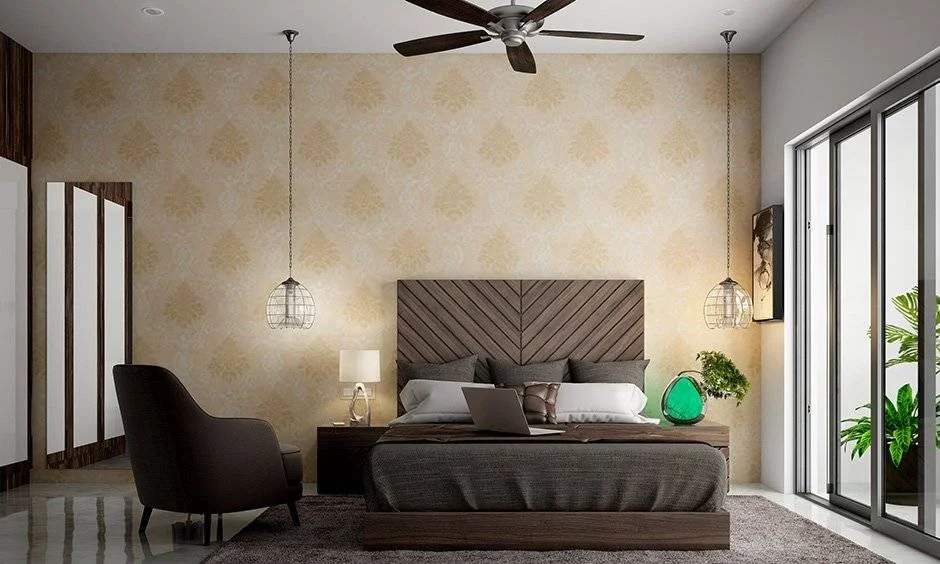
Vastu Shastra traditionally links the eight directions with elemental qualities. Colour is one way to represent those associations. That is the basic idea behind Vastu zones and colours.
Understanding the five elements
The five elements are Prithvi (earth), Jal (water), Agni (fire), Vayu (air) and Akash (space). These associations inform directional colour recommendations, though different Vastu sources may suggest different palettes.
For a bedroom, use stronger elemental colours in controlled doses and let softer versions do most of the work.
| A note on different Vastu traditions: Vastu guidelines can vary between traditional texts and modern practice. For example, texts such as the Samarangana Sutradhara cover broader principles of architecture and space, while many modern Vastu guides use simplified direction-wise colour recommendations. So use these colour suggestions as a practical guide rather than a strict rule. |
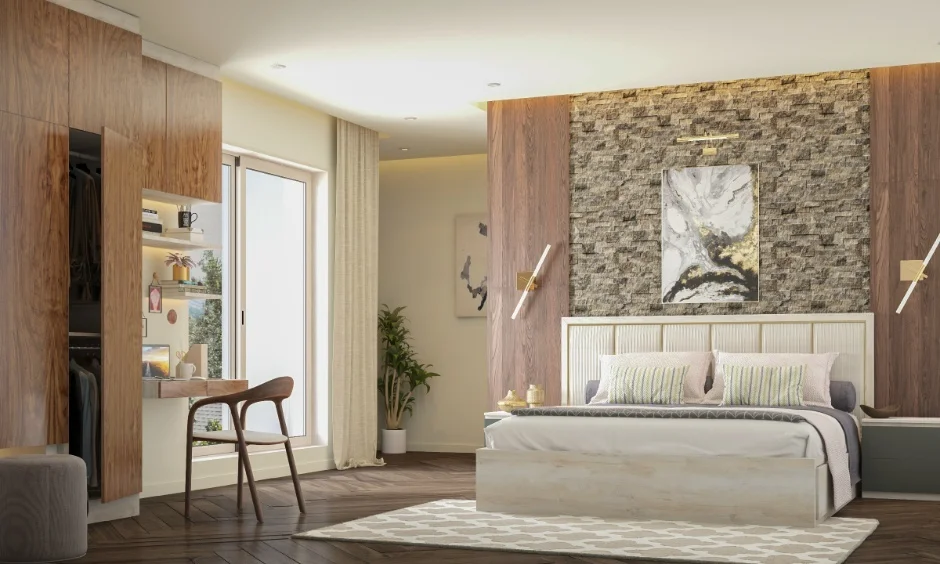
Step Into These Stylish Bedroom Interior Design Ideas

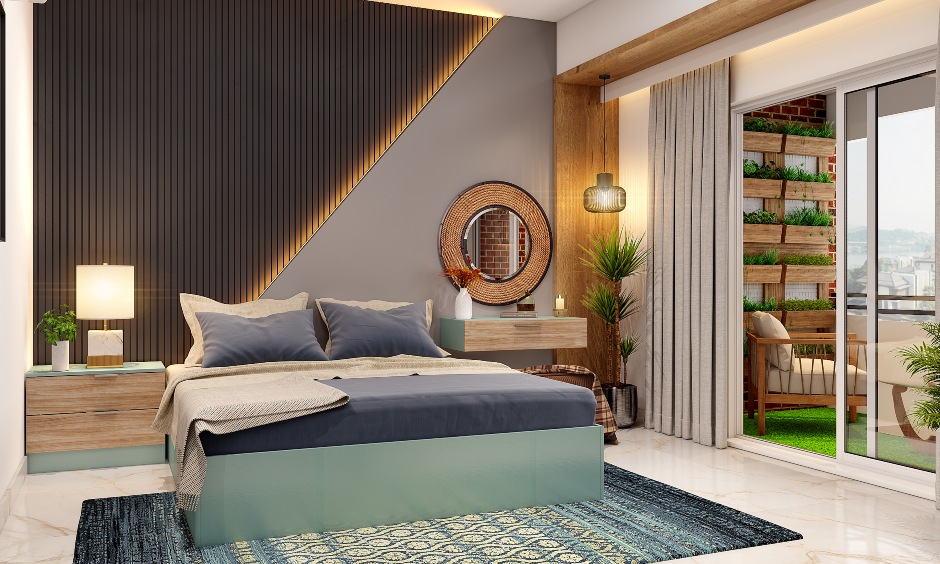

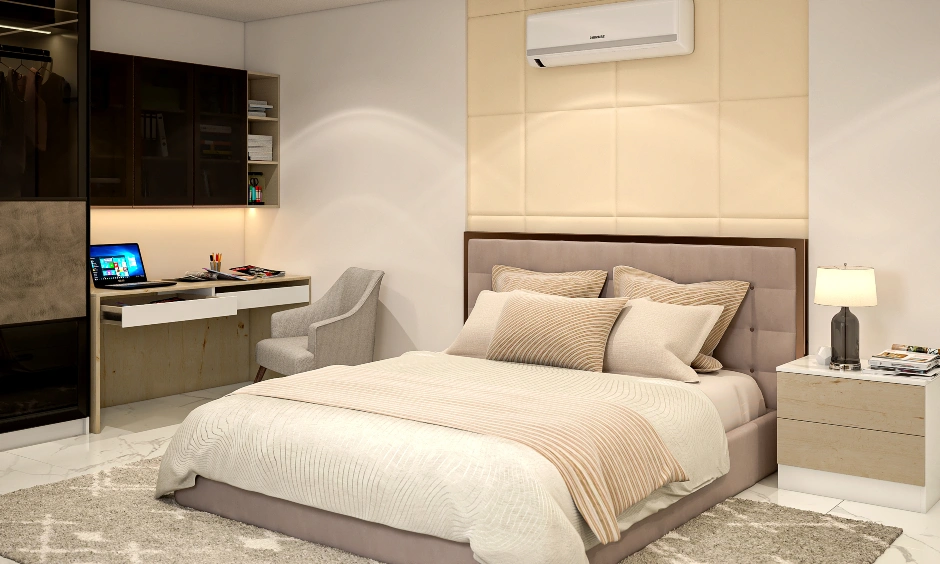
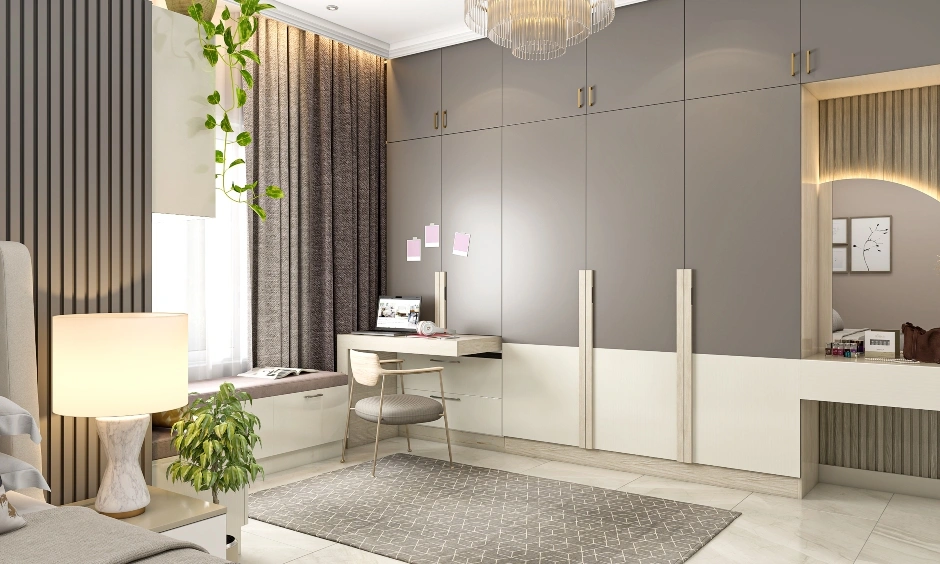
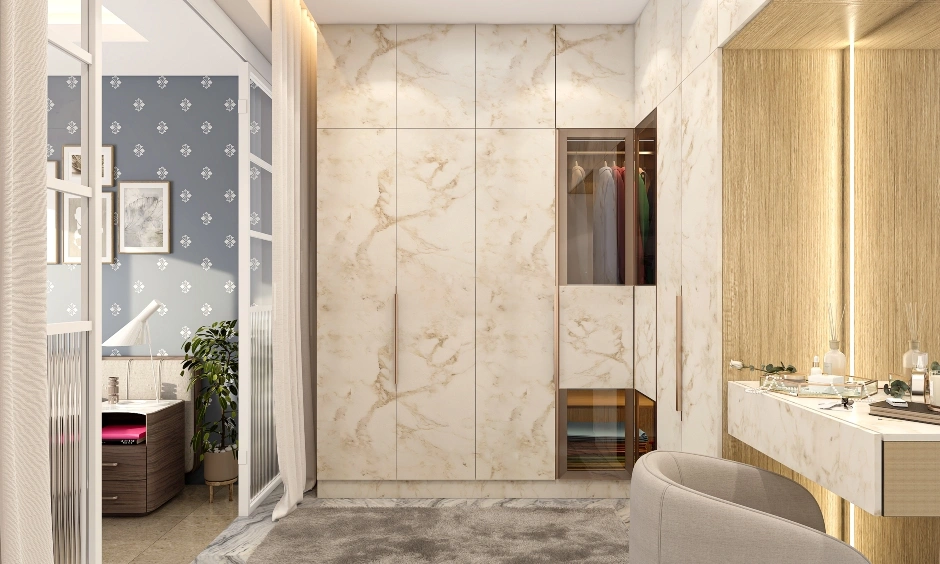
South-West Bedroom: Colours For The Master Bedroom
The south-west is commonly associated with the earth element. This makes warm, grounded shades a frequent choice for this zone. DesignCafe also recommends earthy tones such as beige, light brown and soft pink for master bedrooms, particularly in this direction.
Recommended palette
For a south-west bedroom colour as per Vastu, consider beige, taupe, muted peach or light brown. For a light beige base or a deeper earthy tone, check out Asian Paints Bashful Beige 8002 and Waking Earth 8612, respectively.
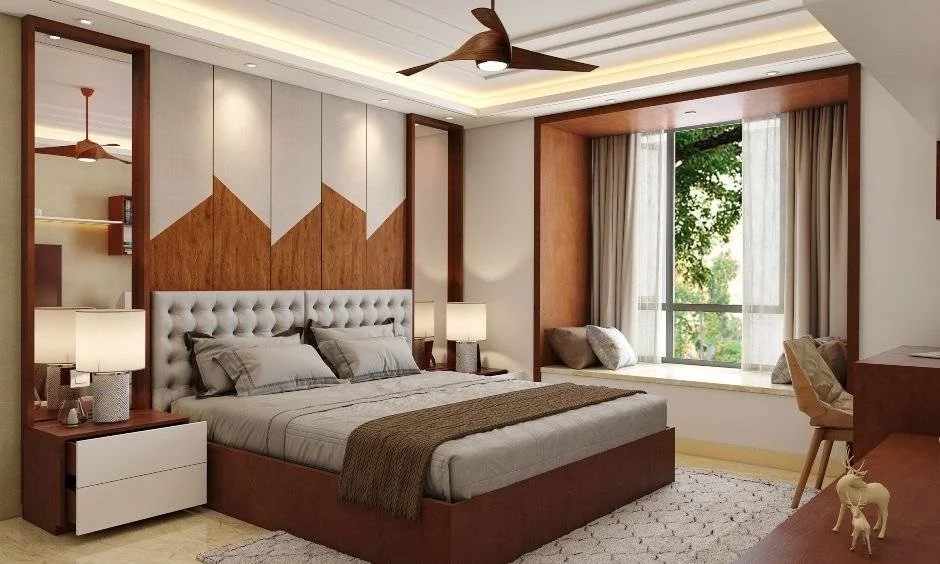
For a Vastu-compliant master bedroom, keep the walls lighter. Then introduce deeper brown through the headboard, wood finish or bedside tables.
What Vastu advises against here
Avoid making the room heavily dependent on very dark blue, black or highly saturated colours. If you like a dramatic shade, restrict it to a headboard, artwork, or a small accent rather than using it across every wall.
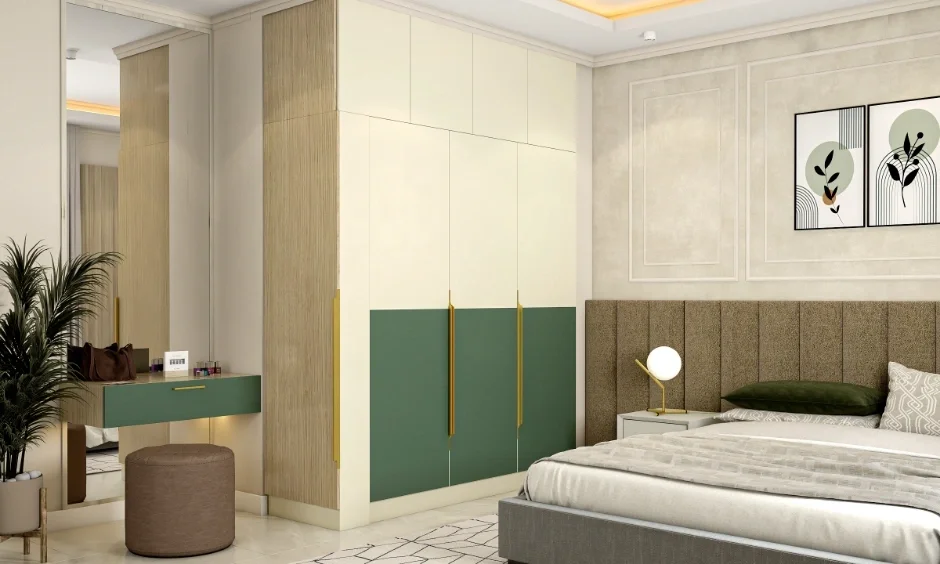
North-West Bedroom Colour Ideas As Per Vastu
North-west bedrooms benefit from a lighter visual treatment. White, cream, soft grey and pale green are commonly suggested here. These shades give you plenty of flexibility with wardrobes and bedding.
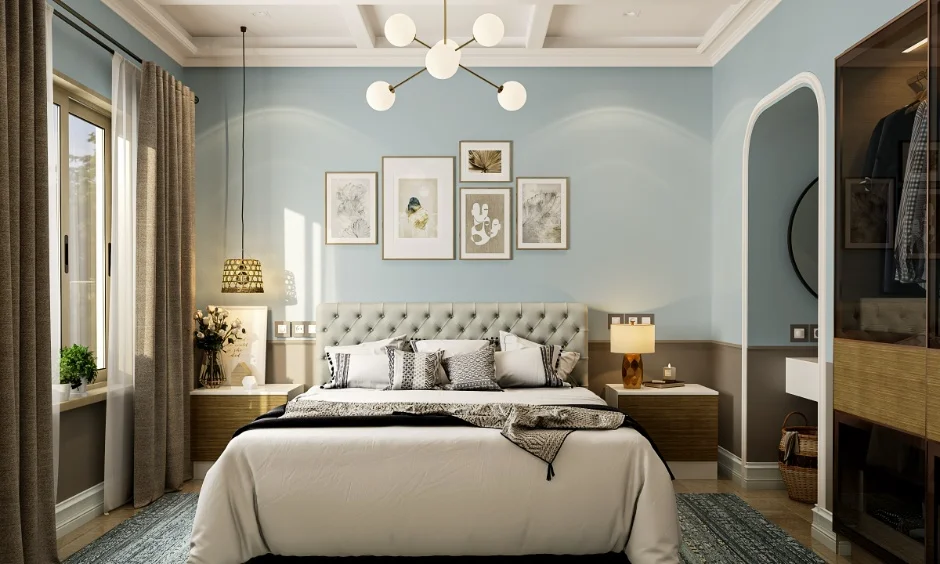
For a north-west bedroom colour as per Vastu, try an ivory base with pale green textiles or a soft grey accent. Keep the stronger colour behind the bed so the rest of the room stays visually quiet.
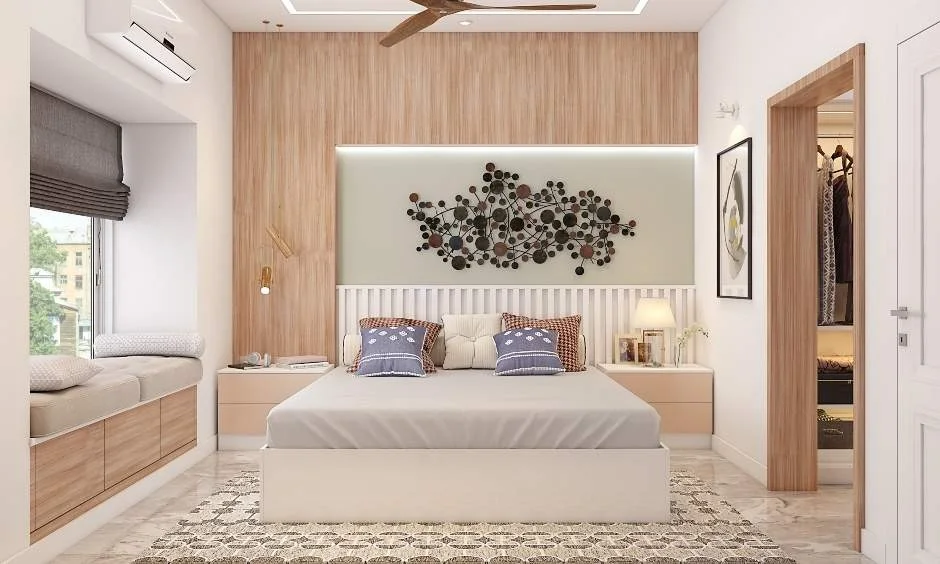
South-East Bedroom Colour Ideas As Per Vastu
The south-east is traditionally linked with Agni, or fire. So, warmer colours appear more often in this zone. For a bedroom, though, softer versions are easier to live with than saturated reds and oranges.
A Vastu Shastra colour approach here could use muted peach, coral or warm terracotta on one wall. Asian Paints Perfect Peach 8000 is a bedroom-suitable peach reference.
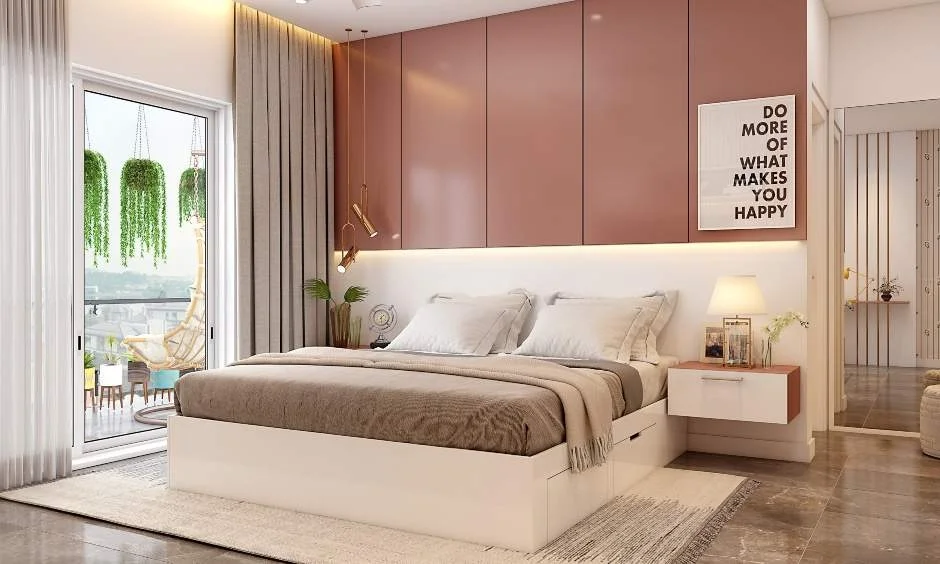
Colours For North And North-East Bedroom Designs
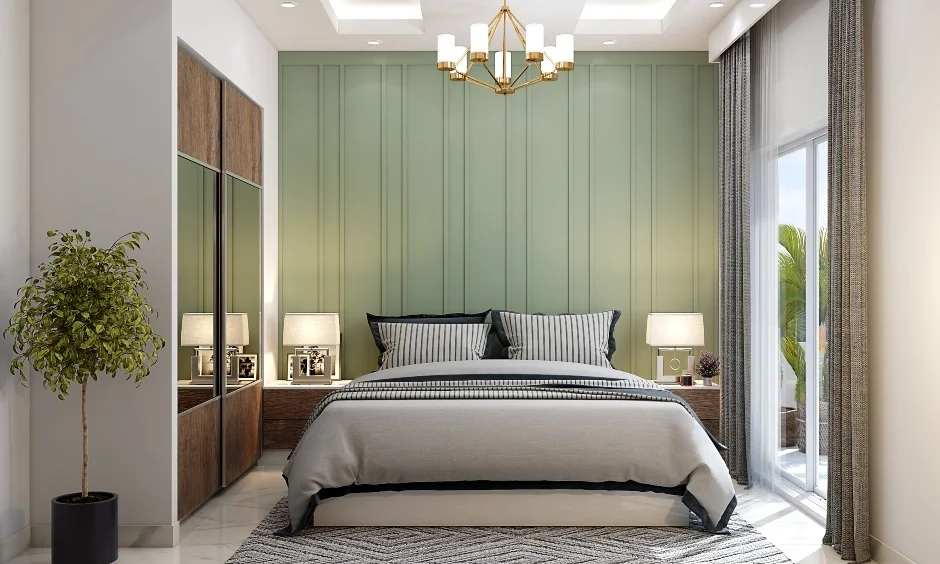
North and north-east rooms are commonly associated with lighter, cooler palettes. Soft greens, pale blues, ivory and gentle yellow are frequent choices.
When selecting a north wall colour as per Vastu, consider a pale green or blue rather than a deep jewel tone. In a north-east room, an ivory base such as Pale Ivory 7892 keeps the scheme light while leaving colour for the bedding and artwork.
East, South And West Bedroom Colours
These three directions need different treatments. For example, consider fresh whites and greens for east-facing bedrooms. Warmer, muted shades suit east-facing bedrooms, while west-facing bedrooms suit soft blue tones.
When selecting a south wall colour as per Vastu, use muted coral, peach or light terracotta as an accent rather than covering the entire room. For west-facing rooms, pale blue balanced with white is a practical option.
Which Wall To Paint, And Which To Leave Neutral?
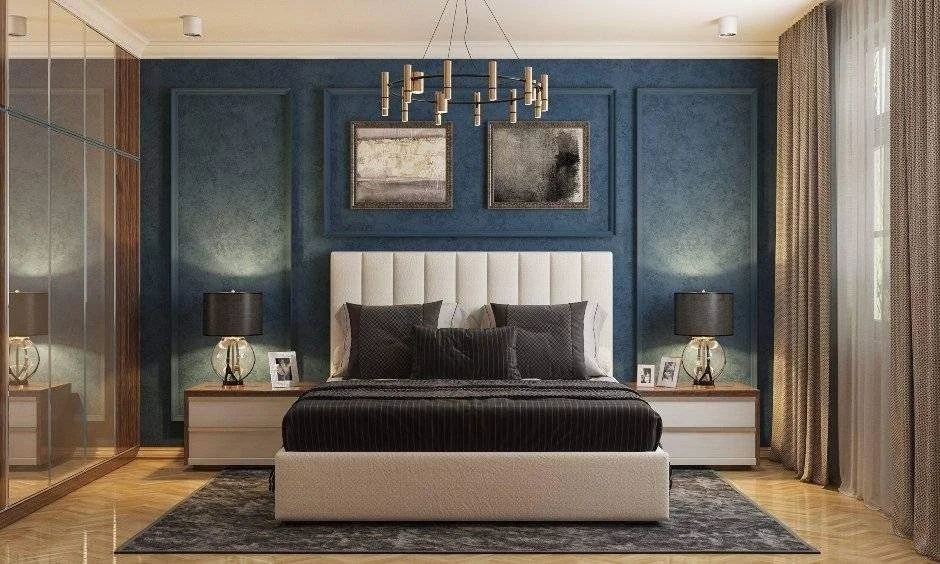
Colour placement is one of the most crucial factors. A strong shade can work well on one wall. However, repeating the same shade across all four walls can make a smaller bedroom feel enclosed.
The wall behind the bed is usually the easiest accent wall. This is because the headboard naturally anchors it.
Keep the other walls lighter and coordinate the wardrobe, curtains and flooring with the accent rather than introducing more competing colours.

Ceiling Colour As Per Vastu
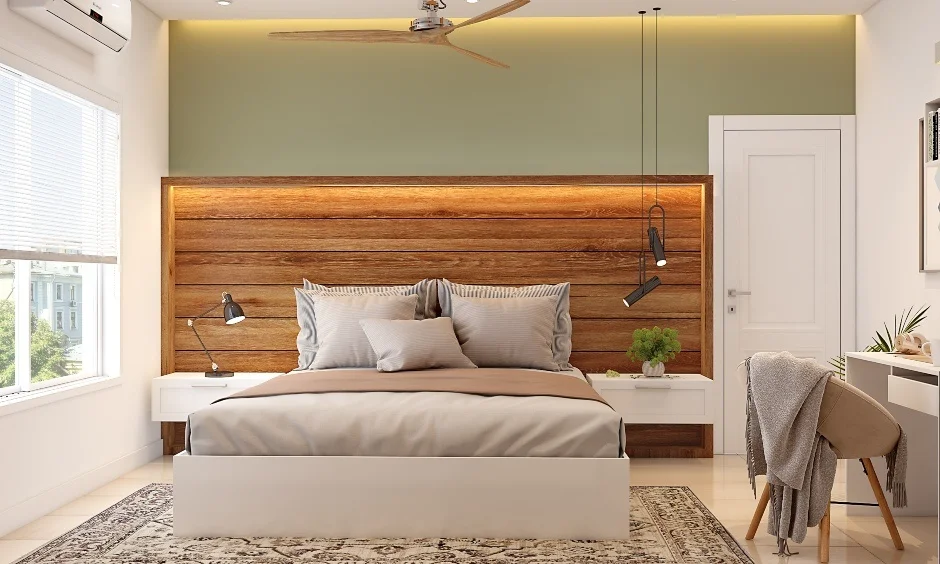
A bedroom ceiling usually works best when it remains lighter than the walls. White, ivory or a very pale version of the wall shade helps maintain visual openness.
If you want colour overhead, use it as a diluted tint rather than a deep block of colour. A simple ceiling with soft, layered lighting can also keep a coloured bedroom from feeling visually heavy.
Bedroom Colour Combinations As Per Vastu
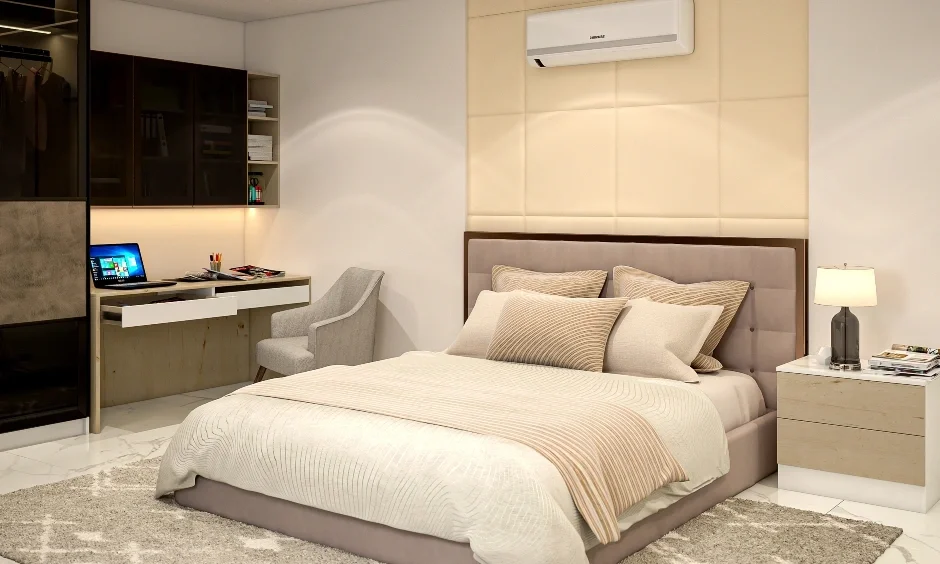
For a Vastu-compliant bedroom colour combination, try one dominant wall shade with a neutral supporting colour. Examples include beige with muted brown, ivory with pale blue, cream with soft peach, or sage with warm white.
Two-colour pairings that work
- Beige + light brown: grounded and suited to an earthy palette.
- Ivory + pale blue: light and easy to pair with wood.
- Cream + muted peach: warmer without becoming overpowering.
- Soft green + off-white: useful for a fresh, natural scheme.
- Dusty rose + beige: adds warmth without relying on bright red.
Vastu Colour Advice And What To Avoid In The Bedroom
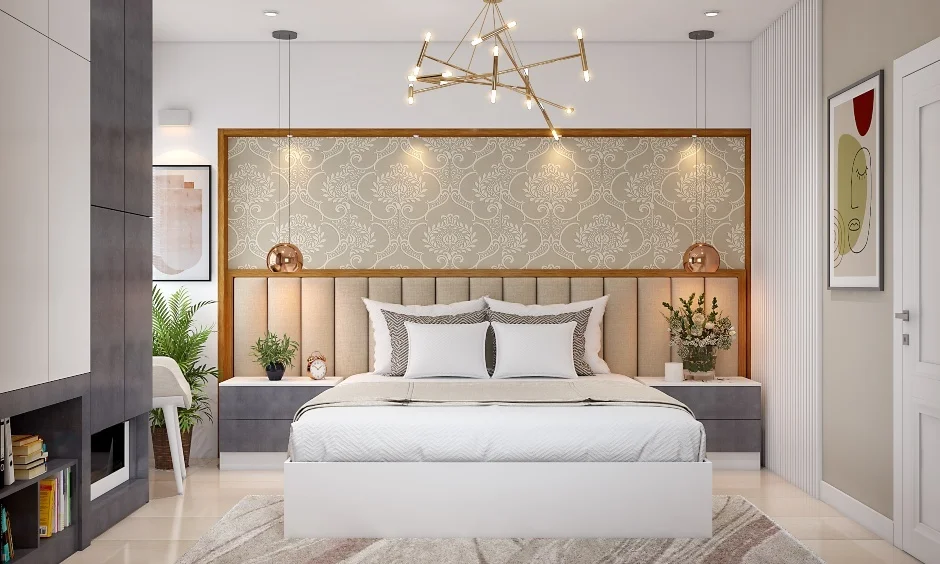
The Vastu Shastra bedroom colour approach generally favours restraint over highly saturated colours. Bright reds, excessive black and very dark combinations are commonly treated with caution, particularly across large wall surfaces.
That does not mean every darker shade has to disappear. A deep green cushion, brown headboard or muted coral artwork can add contrast without dominating the room.
Vastu Tips For Bedrooms As Per Occupants
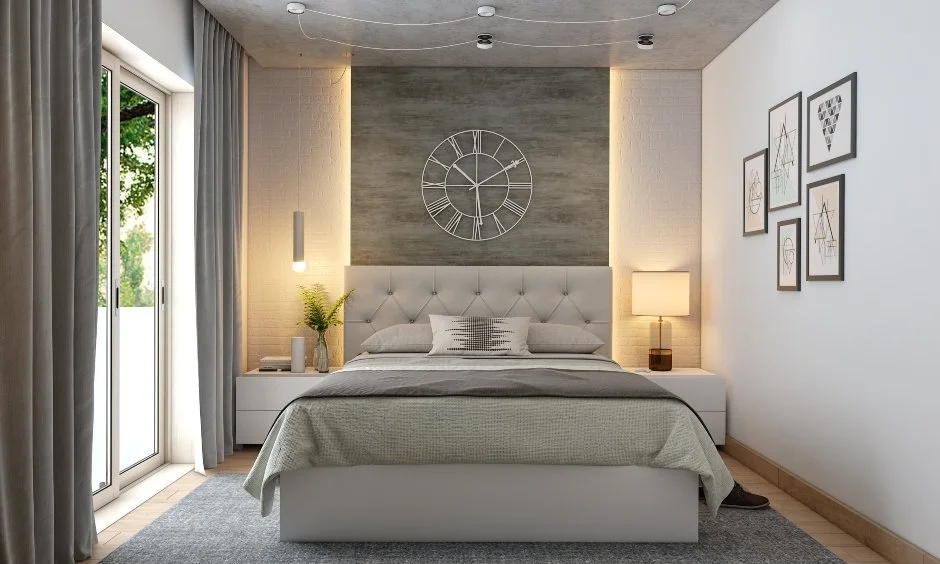
The direction gives you the starting palette, but the person using the room can influence how much colour you introduce. A couple may prefer warmth, a child may need flexibility, and a guest room benefits from a more adaptable scheme.
Couples
For couples, muted pink, peach, beige and soft terracotta can bring warmth without making the room overly bright. If you are looking for the best colour for a couple’s bedroom according to Vastu, consider the room’s direction first. Then use warmer shades through the accent wall, upholstery or bedding.
Children
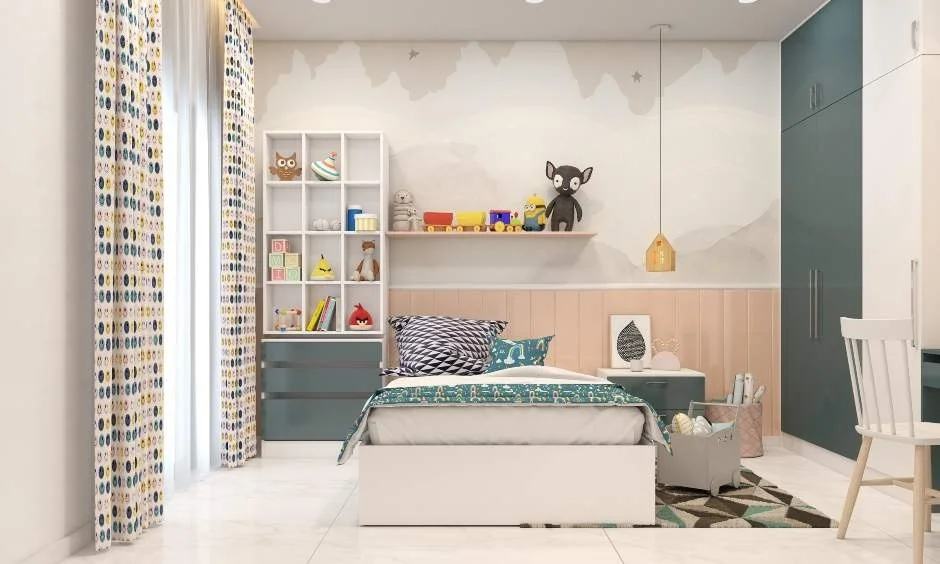
Keep children’s bedrooms adaptable with light greens, blues, creams or soft pastels. Reserve brighter colours for study zones, cushions, artwork, or removable décor.
Guests
Guest bedrooms work well with flexible neutrals such as cream, ivory, beige and pale blue. These shades also make it easier to change the look with bedding and curtains without repainting the room.
When Your Flat’s Orientation Is Fixed
Not every apartment lets you move a bedroom to your preferred direction. That is where colour can become a flexible design tool rather than a constraint.
If the wall shade you love does not align with your preferred Vastu colour chart, keep the larger surfaces neutral. Then bring the colour in through textiles, furniture and accessories.
Practical workarounds through furnishings and accents
Use the preferred shade in:
- Bed linen and cushions
- Curtains
- Rugs
- Artwork
- Upholstered headboards
- Throws
- Bedside accessories
This approach also works well in rented homes because you can make most of these changes without repainting.
Balancing Vastu With A Colour Scheme You Love
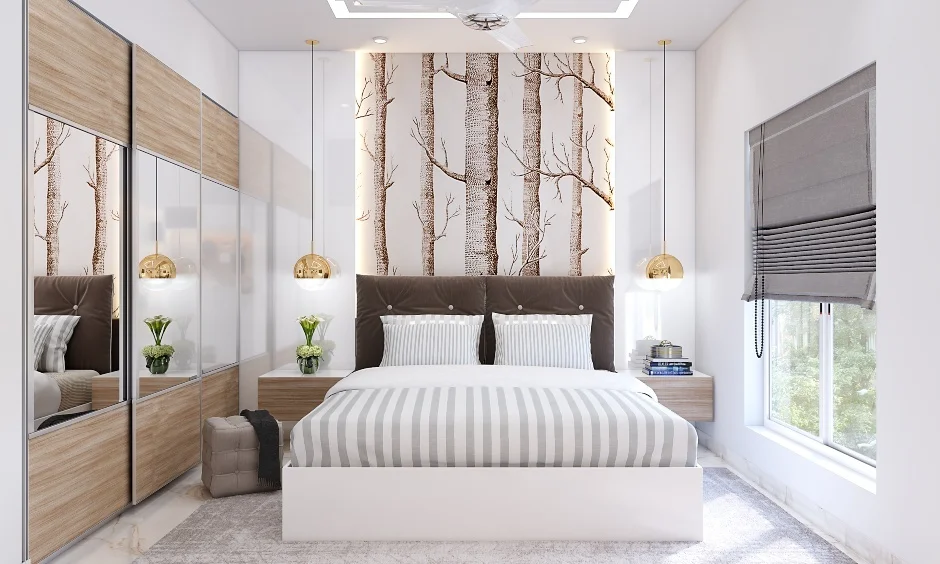
The most practical way to use Vastu is to let it inform the palette without allowing it to dictate every finish. Start with the direction, choose a compatible base shade, then adapt the rest through furniture, lighting and textiles.
| DesignCafe Expert Tip:“If the south-west corner feels light or empty, add weight with a solid wardrobe, storage unit or heavy wooden furniture. In Vastu, this zone symbolises stability, so keeping it well-grounded is often considered more important than adding decorative remedies.” – says Shikha Agarwal, Studio Manager, DesignCafe Hyderabad. |
Ultimately, bedroom colour according to Vastu works best when direction, natural light, furniture and personal preference are considered together. You do not have to choose between a Vastu-conscious room and a scheme you actually enjoy living with.
Schedule a free consultation with our team to learn more.
FAQs
1. Which colour is best for a bedroom as per Vastu?
No single colour applies to every bedroom. The recommended shade depends on the room’s direction, with softer earthy, pastel, blue, green and neutral tones commonly used across different zones.
2. What colour should a south-west master bedroom be?
Beige, cream, taupe, light brown and other muted earthy colours are commonly recommended for a south-west master bedroom.
3. Which colours should be avoided in a bedroom according to Vastu?
Generally, very bright red, excessive black and overly dark or saturated shades should be avoided.
4. What is the best bedroom colour for a married couple as per Vastu?
Soft pink, peach, beige and other warm muted colours are commonly used for couples. However, consider the bedroom direction before choosing the final shade.
5. Can the ceiling be a dark colour as per Vastu?
A light ceiling is generally the safer choice for a bedroom. White, ivory, and very pale versions of the wall colour keep the room feeling lighter and more open.
6. Which wall should be the accent wall in a bedroom as per Vastu?
The wall behind the bed is usually the most practical accent wall. If using a stronger shade, keep the other walls lighter to avoid making the room feel visually heavy.
7. What if my bedroom direction does not suit my preferred colour?
Use the preferred colour through bedding, curtains, artwork, cushions or a smaller accent instead of covering the entire room in it.
8. Does Vastu colour advice apply to a rented flat?
Yes, you can apply the same principles without repainting. Bedding, curtains, rugs and artwork offer simple ways to introduce colours without permanent changes.
9. Which colour suits a north-facing bedroom?
Soft green, pale blue, white and light neutral shades are commonly associated with north-facing bedrooms.