Select Category


AI Summary
5 key insights · 1 expert tipA successful home isn't built by spending more, but by spending wisely. This guide explores where homeowners should invest for durability, performance, and everyday comfort, and where they can optimise costs without compromising overall quality. From kitchens and wardrobes to furniture and décor, learn how to budget for a home that looks good today and works well for years to come.
KEY INSIGHTS
- Budget allocation often matters more than the overall interior budget.
- Prioritise furniture, kitchens, wardrobes, and execution quality.
- Decorative elements and trend-led purchases offer more flexibility.
- Internal hardware delivers greater long-term value than cosmetic upgrades.
- A room-wise budgeting approach helps maximise impact while controlling costs.
 DESIGNCAFE EXPERT TIP
By our design team
Sneha Jain, Associate Design Manager, DesignCafe, Mumbai, says, "Homeowners often focus on visible finishes because they influence first impressions. However, the elements that determine how a home performs over the next five to ten years are often hidden behind the shutters. Prioritising quality hardware, durable carcass materials, efficient storage planning, and well-constructed furniture creates a stronger foundation for the home. Decorative layers can always evolve, but the structural decisions made at the beginning are far more expensive to revisit later."
A practical guide to allocating your interior budget where it creates the greatest impact on comfort, functionality, and long-term value.
A successful interior project is rarely defined by budget size. What matters more is how you allocate it. Homes that stay functional years after completion invest first in storage, furniture quality, kitchen systems, and space planning rather than purely decorative upgrades.
Understanding where to save vs spend in home interiors helps create a home that balances aesthetics, comfort, and long-term value. Some elements are used every day and are expensive to replace later. Others can be upgraded gradually without affecting how the home functions.

Why Budget Allocation Matters More Than Total Budget?
A higher budget does not automatically create a better home. A well-planned ₹12 lakh project can often outperform a poorly allocated ₹20 lakh one because it concentrates investment in areas that affect daily life.
The Problem With “Even Spending”
Many homeowners divide their budget evenly across rooms and categories. While this appears balanced on paper, it often results in compromises where they matter most.
A wardrobe hinge, kitchen drawer channel, or sofa frame wears out much faster than a decorative wall finish. Giving both equal importance rarely delivers the best outcome.
High-Impact vs Low-Impact Interior Elements
Some components shape the everyday experience of a home. Modular Kitchens, wardrobes, mattresses, sofas, and storage systems are used constantly and directly affect comfort and convenience.
Decor items, accent finishes, artwork, and accessories add visual appeal but can be updated over time without major renovations.
Cost vs Value vs Longevity
The lowest upfront cost is not always the most economical decision. Inferior hardware, poor-quality materials, or weak furniture construction often lead to repairs and replacements much sooner than expected.
A useful budgeting principle is simple: spend more on items you use daily and that are hard to replace later. Those investments tend to deliver the strongest long-term value.
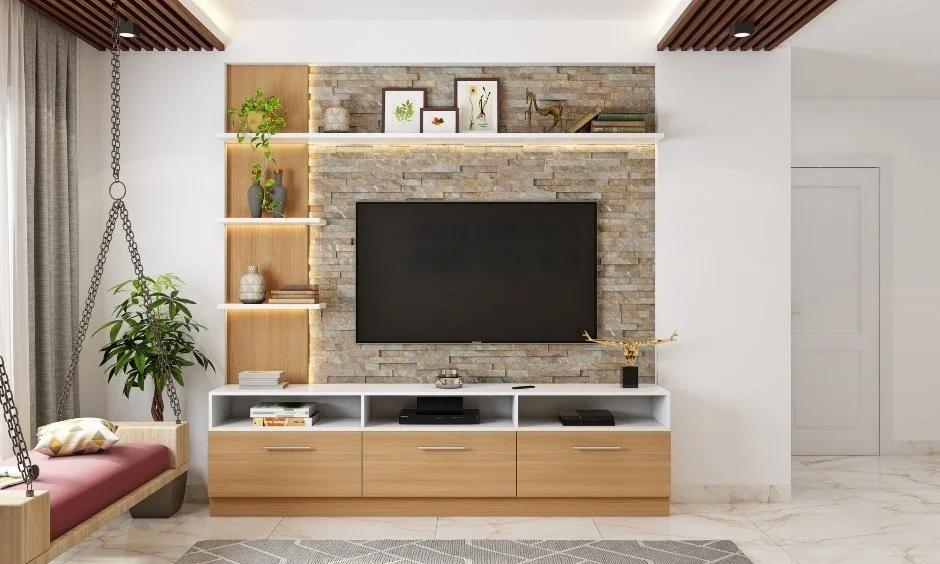
Where You Should Spend More: Interior Design Budget Tips
Structure integrity and foam density dictate the actual lifespan of core furniture under daily stress. Investing in this helps reduce replacement frequency and long-term repair costs
Core Furniture (Sofas, Beds, Dining Tables)
1. Why Quality Matters: Furniture is one of the most heavily used components of a home. A sofa’s lifespan depends more on its frame and cushioning than on its upholstery. Similarly, a bed depends on structural stability long before aesthetics become relevant.
2. Long-Term Cost Benefits: High-resilience foam, durable upholstery, and strong internal frames often outlast cheaper alternatives. While the initial investment is higher, the replacement cycle is significantly longer, reducing lifetime costs.
Modular Kitchen & Storage Solutions
1. Hardware, Hinges, And Mechanisms: Kitchen performance depends heavily on the components hidden behind the shutters. Drawer channels, lift-up systems, and hinges are used thousands of times every year.
As a rule of thumb, allocate around 20–25% of your kitchen budget to internal hardware and operating systems. These elements influence functionality far more than decorative laminates.
2. Material Durability: The kitchen faces moisture, heat, and daily cleaning. Materials such as BWP plywood provide greater structural stability and are less vulnerable to long-term damage in wet areas.
Wardrobes And Built-In Storage
1. Internal Fittings vs External Finish: Wardrobe shutters attract attention during selection, but internal hardware determines long-term usability. Drawer runners, hanging systems, and hinges absorb years of repetitive movement.
A wardrobe used daily can place significant stress on these components over time. Durable hardware outperforms decorative upgrades when longevity is the goal.
Professional Design And Execution
1. Avoiding Costly Mistakes: Poor layouts, incorrect furniture sizing, and inadequate storage planning often lead to expensive corrections during execution. Professional design reduces these risks by resolving practical challenges before work begins on site.
2. Efficient Space Planning: In urban homes, every square foot matters. Good planning improves storage, circulation, and usability without increasing the home’s footprint. The most successful interior projects are rarely the most expensive. They are the ones where every decision serves a purpose.
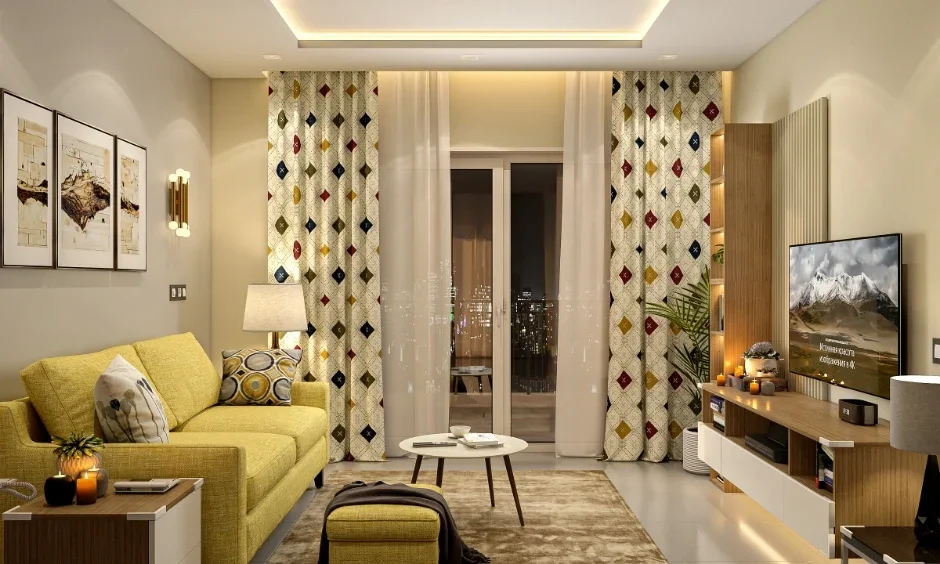
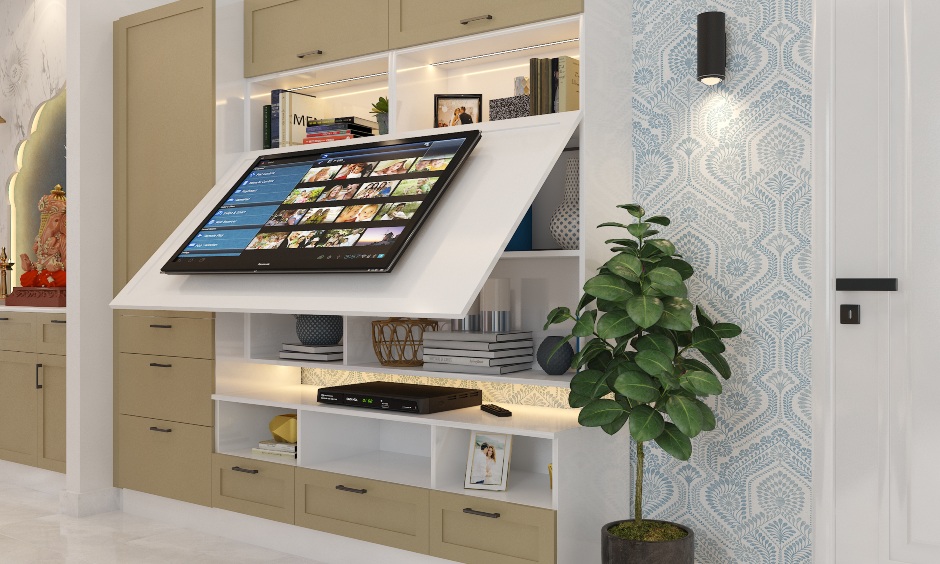
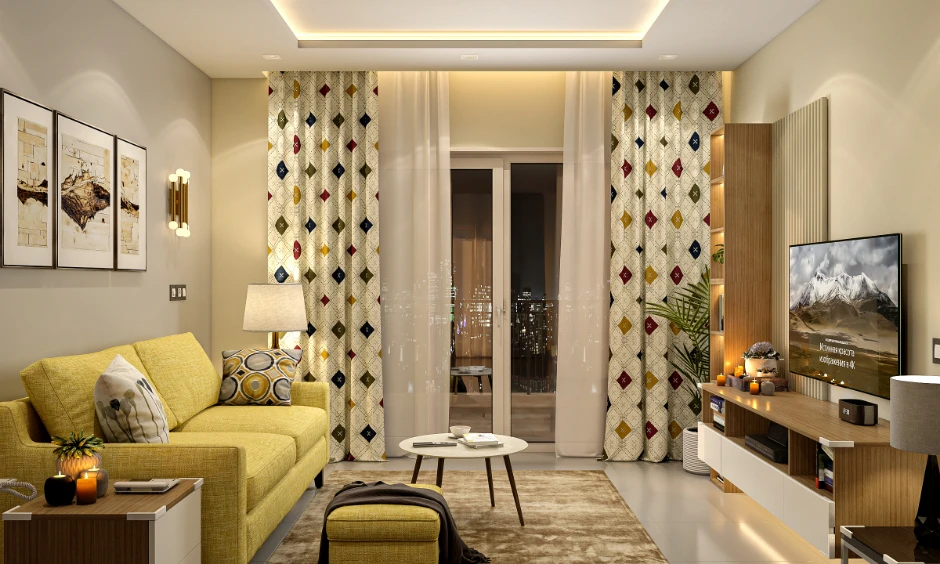
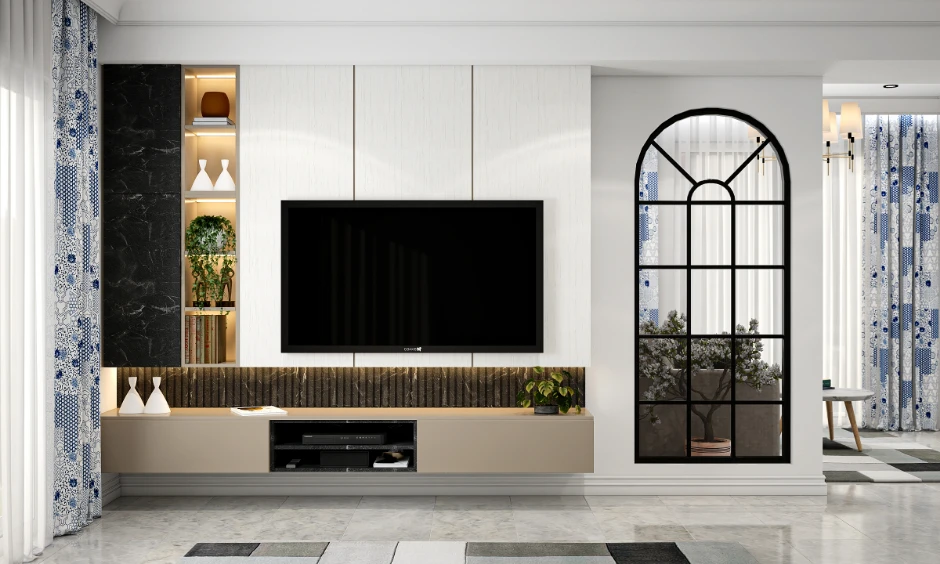
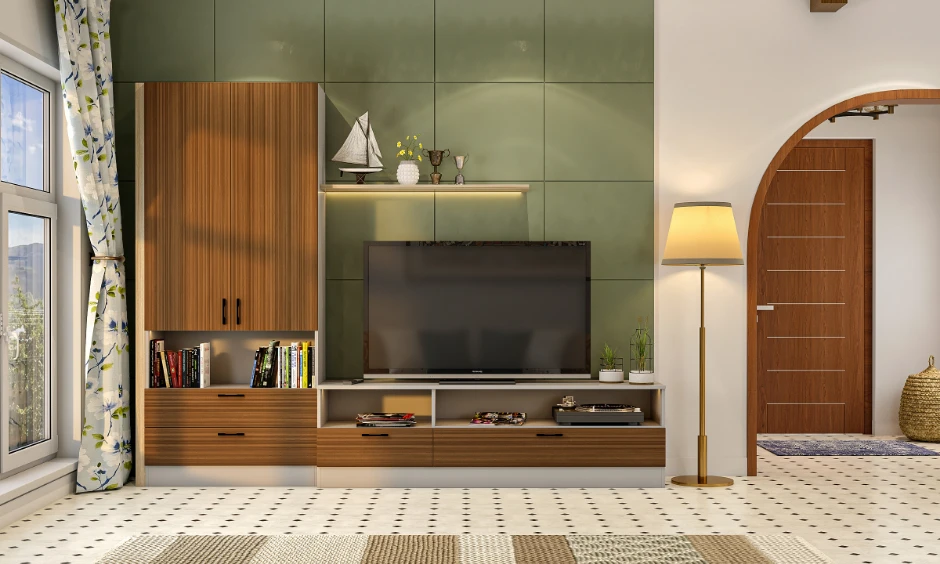
Style Your Space With These Living Room Interior Designs


Where You Can Save Without Compromising Quality
Some areas allow greater flexibility because they are easier to replace, update, or refresh over time.
Decor & Accessories
Cushions, Rugs, Art, And Decor Items: Decor brings personality to a home, but it does not determine how the home functions. A few carefully chosen pieces often create more impact than filling a space with expensive accessories.
Wall Finishes And Paints (Selective Upgrades)
Accent Walls vs Full Premium Finishes: Premium textures and wallpapers deliver the most value when used selectively. Feature walls behind beds, dining areas, or TV units create visual focus without requiring costly finishes throughout the home.
Loose Furniture And Trend-Based Items
Replaceable vs Permanent Pieces: Accent chairs, coffee tables, and decorative furniture often reflect current design trends. Since styles evolve quickly, these pieces offer greater flexibility for budget optimisation than permanent furniture investments.
False Ceilings And Over-Designing
Minimal vs Complex Designs: Highly detailed false ceilings increase both execution and maintenance costs. Simpler ceiling designs often age better and create a cleaner architectural expression. Peripheral cove lighting or simple runs preserve ceiling height and reduce dust-trap areas compared to multi-tiered drop ceilings.
Branded vs Non-Branded Materials
For laminates, tiles, and hardware, long-term performance depends on measurable technical specifications rather than brand recognition alone. Factors such as material thickness, wear resistance, finish consistency, substrate quality, and warranty coverage often influence durability and lifecycle value more than a well-known logo. It is recommended that hinges, channels, and runners always meet certified quality standards. Check with your interior designer for the best options.
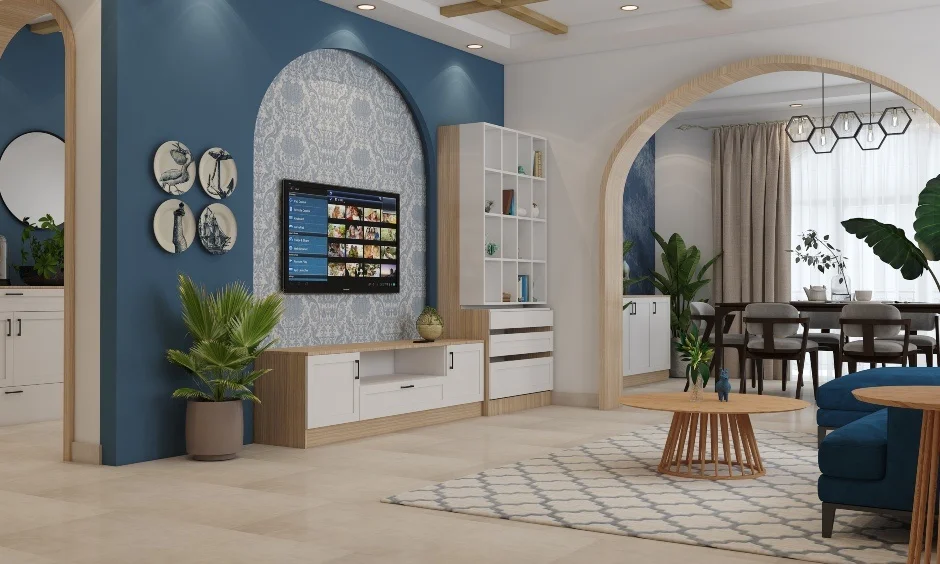
Spend vs Save (Roomwise Breakdown): Budget Interior Design Ideas India
| Room | Invest In | Optimise On |
| Living Room | Sofa frame, upholstery quality, storage furniture | Cushions, decor accessories, artwork |
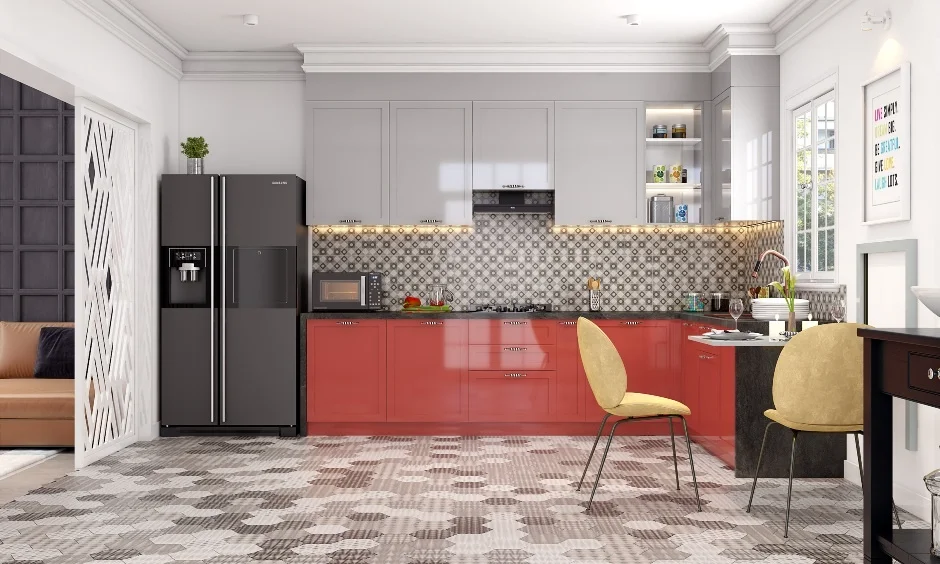
| Kitchen | BWP plywood, hardware, drawer channels, countertops | Premium laminates, decorative backsplashes |
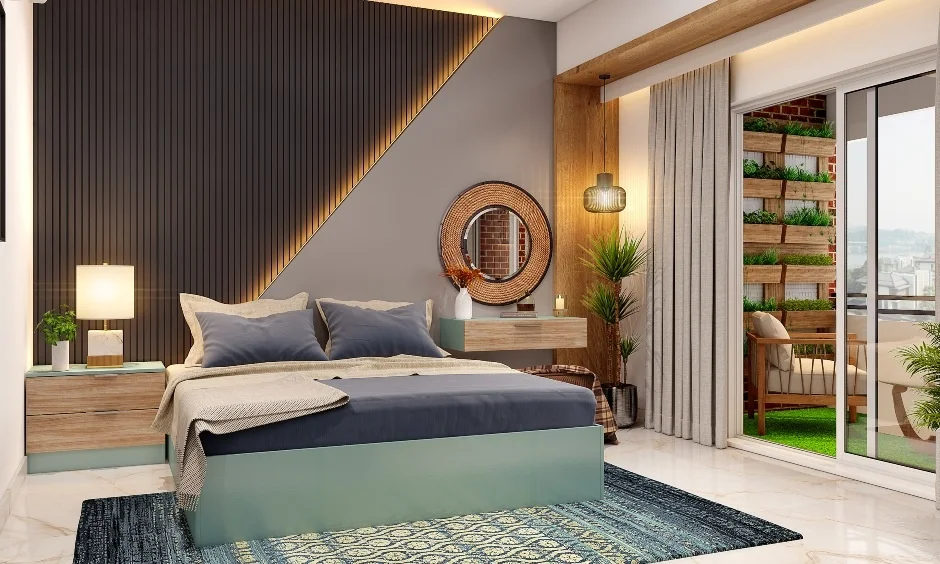
| Bedroom | Bed structure, mattress, wardrobe hardware | Accent furniture, decorative elements |
| Bathroom | Waterproofing, faucets, shower systems, anti-skid tiles | Mirrors, accessories, decorative fittings |
This approach prioritises the areas that influence daily comfort while keeping decorative expenses under control.
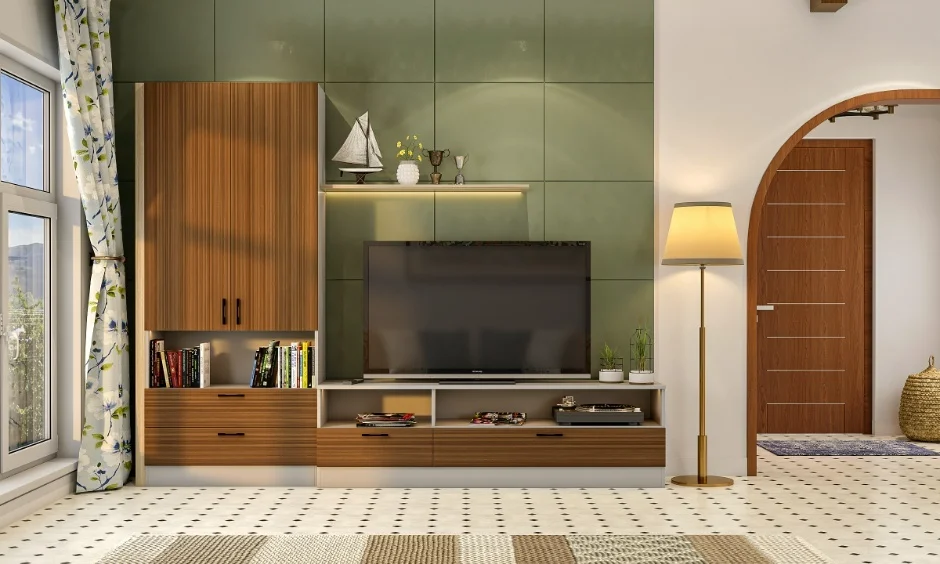
Low Cost Interior Design Tips: Traps To Avoid
Overspending On Aesthetics Over Function
Feature walls, decorative lighting, and premium finishes often receive disproportionate attention during budgeting. While visually appealing, they cannot compensate for inadequate storage, poor layouts, or uncomfortable furniture.
Underspending On Structure And Durability
The most expensive mistakes often involve hidden components. Weak cabinetry, poor-quality hardware, and inadequate waterproofing can create recurring maintenance issues that outweigh the initial savings.
Following Trends Blindly
Design trends change faster than built-in interiors. Homes that rely heavily on fashionable finishes or highly specific aesthetics often feel dated sooner than those built around timeless materials and clean design principles.
Budget Allocation Framework: How To Decide For Your Home
On Budget Size
- Low Budget: Focus on essentials such as furniture, storage, and core functionality.
- Mid Budget: Balance durability and aesthetics with selected upgrades.
- Premium Budget: Introduce customisation, specialised materials, and advanced detailing once functional requirements are addressed.
On Lifestyle Needs: Families with children, pets, or heavy daily usage benefit more from durable materials and robust storage systems than from decorative enhancements.
On Property Type: Rental properties often benefit from flexible, movable solutions. Owned homes justify greater investment in built-in storage, kitchens, and long-term structural improvements.
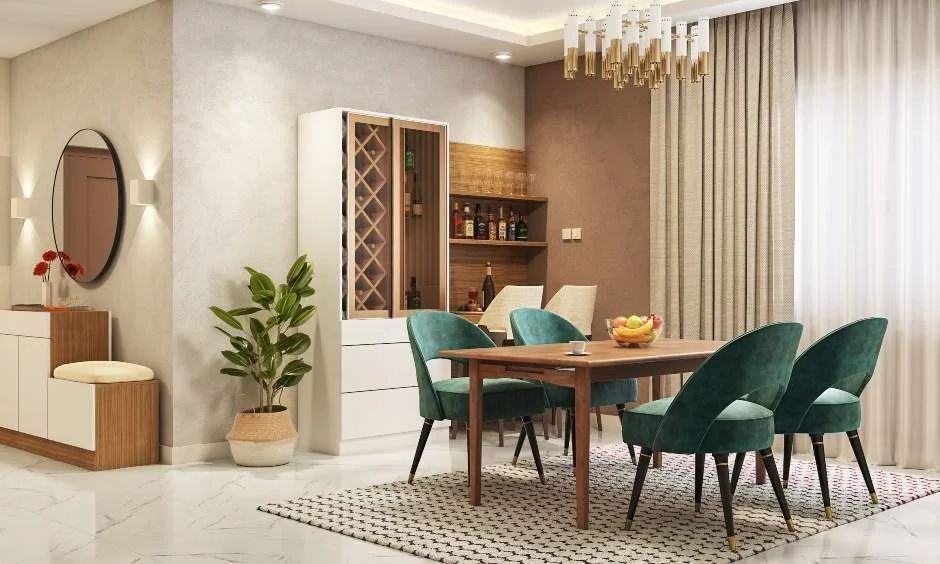
Final Takeaway: Spend Smart, Not More
The most successful interiors are not necessarily the most expensive. They are the ones where investment aligns with everyday use. Furniture, kitchens, wardrobes, and thoughtful planning continue to deliver value long after decorative trends change. Meanwhile, accessories, accent finishes, and trend-led purchases can evolve gradually as preferences shift.
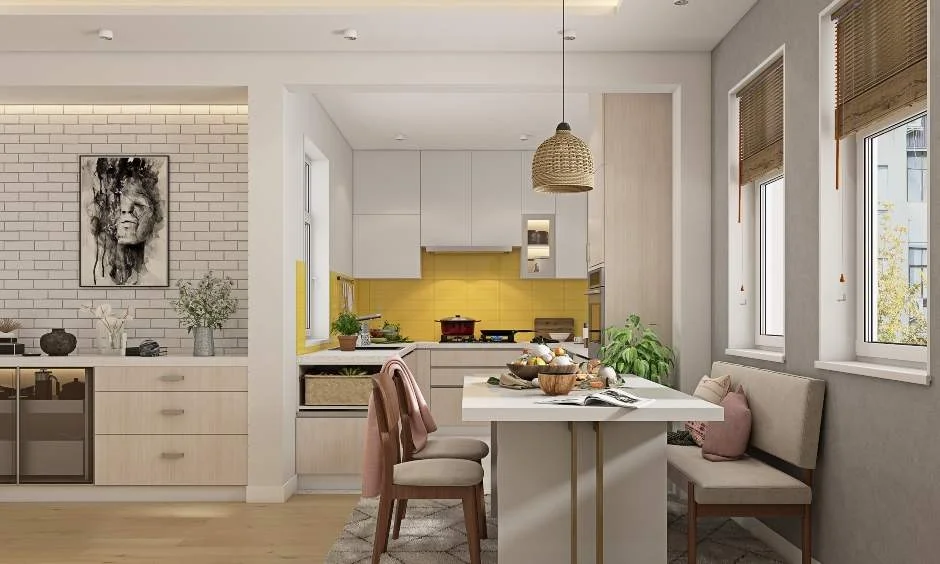
A balanced approach to home interior budget planning creates a home that feels comfortable, functional, and relevant for years rather than one that simply looks impressive on day one.
FAQs
1. Where should I spend the most in home interiors?
Core furniture, modular kitchens, wardrobes, and professional planning deserve the largest share of the budget because they influence daily comfort and long-term durability.
2. What can I save on without affecting quality?
Decor items, accent walls, trend-based furniture, and certain decorative finishes can often be optimised without affecting functionality.
3. Is it worth investing in a modular kitchen?
Yes. A modular kitchen improves storage efficiency, organisation, and everyday usability, more so when you use quality materials and hardware.
4. How much should I budget for interiors?
The ideal budget depends on the home’s size, scope, and level of customisation. A 10–15% contingency reserve often helps with unforeseen requirements.
5. Should I hire a designer or save money?
Professional design often prevents expensive mistakes, improves space utilisation, and creates a more cohesive outcome, making it a valuable investment for many homeowners.
6. What are the biggest interior design mistakes?
Common mistakes include prioritising aesthetics over functionality, compromising on durability, and following short-term trends without considering long-term usability.