Select Category


AI Summary
3 key insights · 1 expert tipLow-cost kitchen designs for Indian homes focus on smart layouts, durable materials, and efficient storage solutions to maximise functionality without exceeding the budget. Careful material selection and practical planning help create a stylish and long-lasting kitchen.
KEY INSIGHTS
- Standard laminates and plywood provide durable and cost-effective solutions for kitchen cabinetry.
- Investing in quality countertops and hardware improves long-term performance and durability.
- Modular cabinets and simple kitchen layouts reduce labour costs and speed up installation.
 DESIGNCAFE EXPERT TIP
By our design team
DESIGNCAFE EXPERT TIP
By our design team
Design storage based on your daily cooking habits and kitchen essentials to create a practical, easy-to-maintain, and value-driven kitchen space.
Smart, low-cost kitchen ideas to help you plan a simple, practical space that works every day.
Designing a nice kitchen interior on a tight budget is completely possible. You just need the right mix of smart planning, simple materials, and functional layouts. That is where low-cost, simple kitchen designs really shine. In many homes, we have created kitchens that look clean, modern, and well planned using basic finishes, modular cabinets, and efficient storage. The focus is on what you actually use every day. Easy to clean shutters. Practical countertop space. Sleek wall units that keep everything organised.
If you are a middle-class family, live in a small flat, or have a compact home, you can still enjoy a stylish kitchen interior without overspending. With the right design choices, your kitchen can feel bright, clutter-free, and welcoming, while staying comfortably within budget.

Key Principles of Low-Cost Simple Kitchen Designs
If you are aiming for cost-effective kitchen designs, the smartest approach is to focus on what makes a kitchen work well every day. Think layout, storage, and durable finishes, without spending on extras that don’t add long-term value.
1. Start with a Practical Layout
A straight, L-shaped, or small parallel layout usually keeps carpentry and material use under control. When the workflow is efficient, you naturally avoid unnecessary additions.
2. Keep it Minimal and Easy to Maintain
Simple shutters, clean lines, and fewer design elements make the kitchen look neat and reduce fabrication costs. This is the heart of a simple kitchen design. It stays functional, clutter-free, and easy to maintain.
3. Choose Budget-Friendly, Durable Materials
Go for standard laminates and reliable plywood grades instead of premium finishes. You can still achieve a polished look by choosing consistent colours and clean edge banding.
4. Spend on the Essentials First
Put more budget into the parts you use most, like the countertop, sink, tap, and good hinges. Save on decorative elements that don’t improve daily usability.
5. Plan Storage Based on Real Usage
Build storage for everyday items first, like base cabinets and a few wall units. Add tall units, corner solutions, and organisers only if your budget allows.
6. Use Simple Lighting to Lift the Interiors
One bright ceiling light paired with focused task lighting, like under-cabinet lights, can make even a budget kitchen feel more premium and comfortable to use.
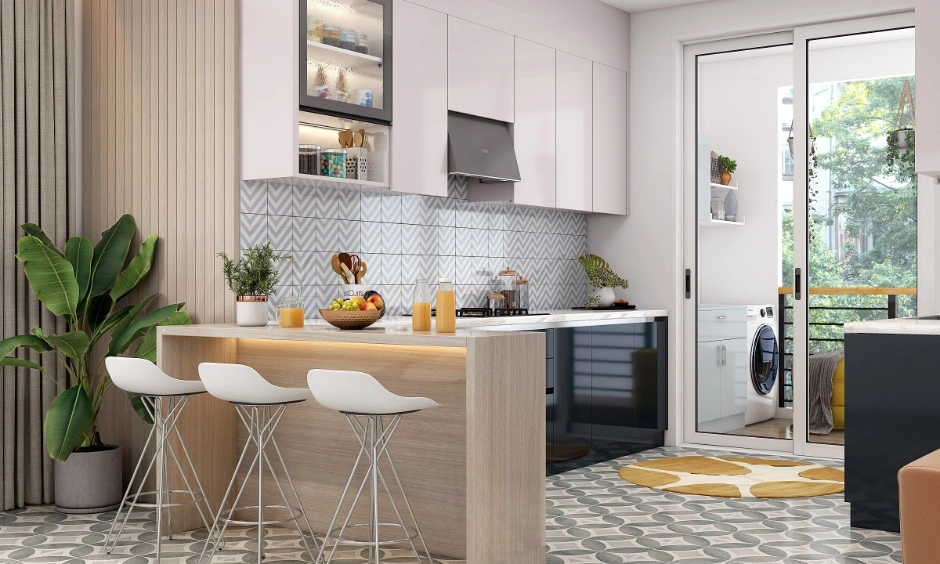
Simple Kitchen Design: Low-Cost Ideas to Stay On-Trend
Here are practical ideas that keep your kitchen interiors functional and neat, without stretching the budget. Focus on choices that reduce carpentry, avoid wastage, and still look clean. Here are some more tips:
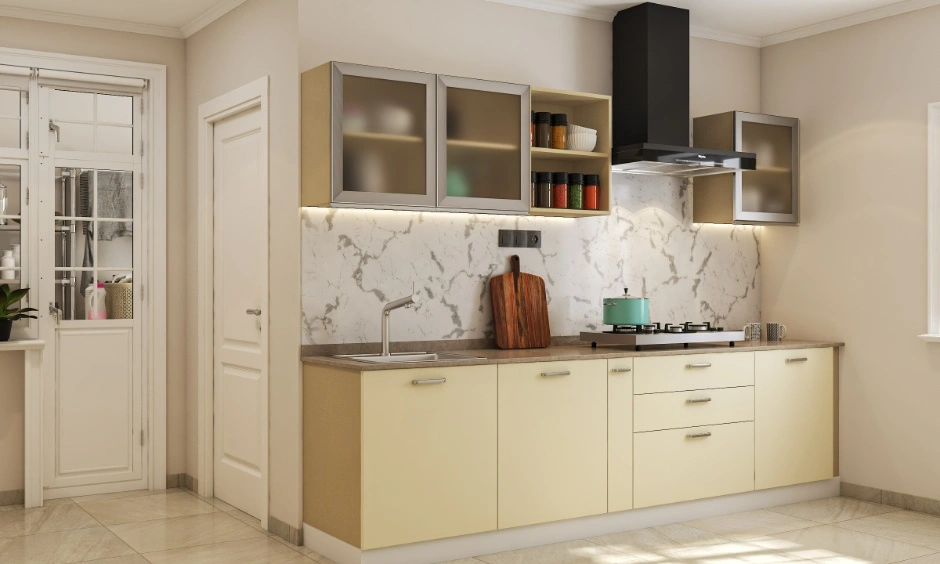
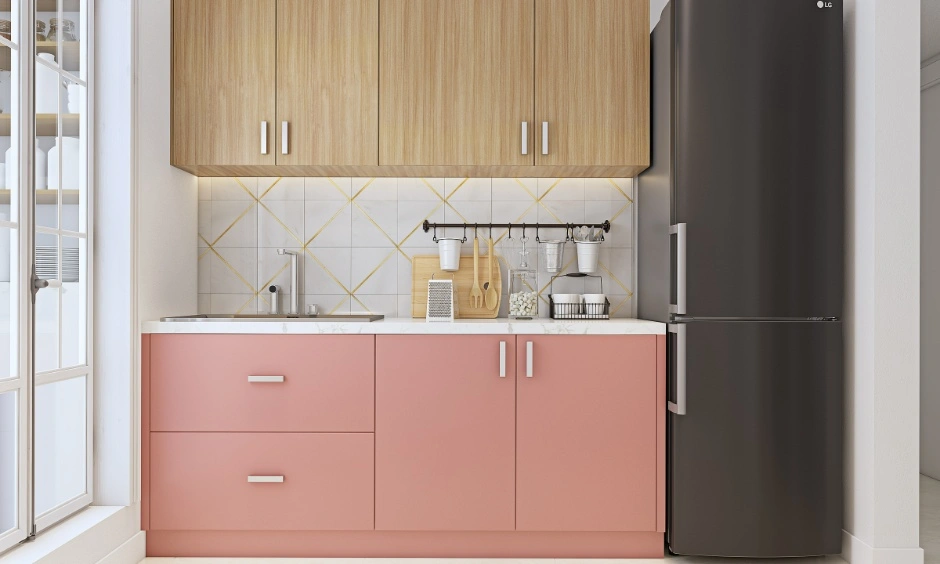
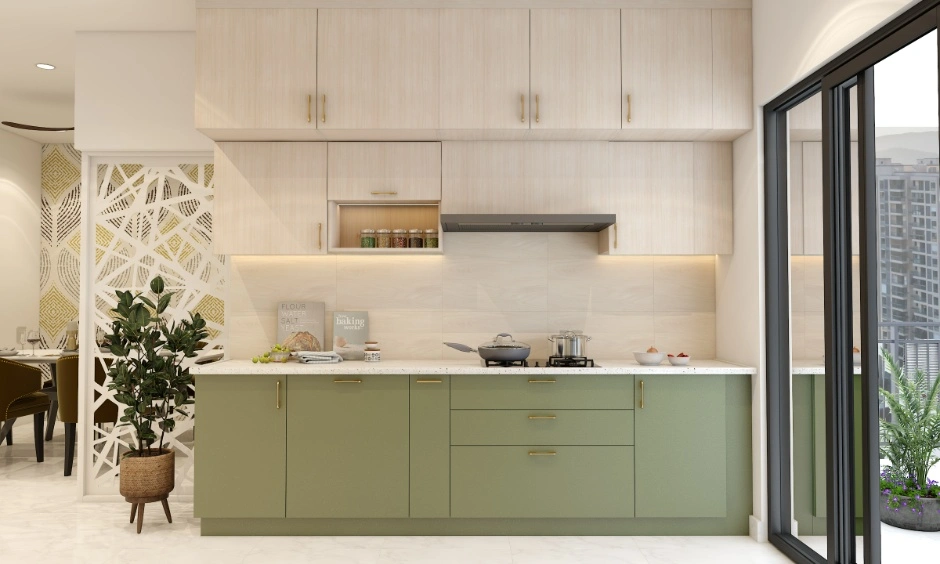
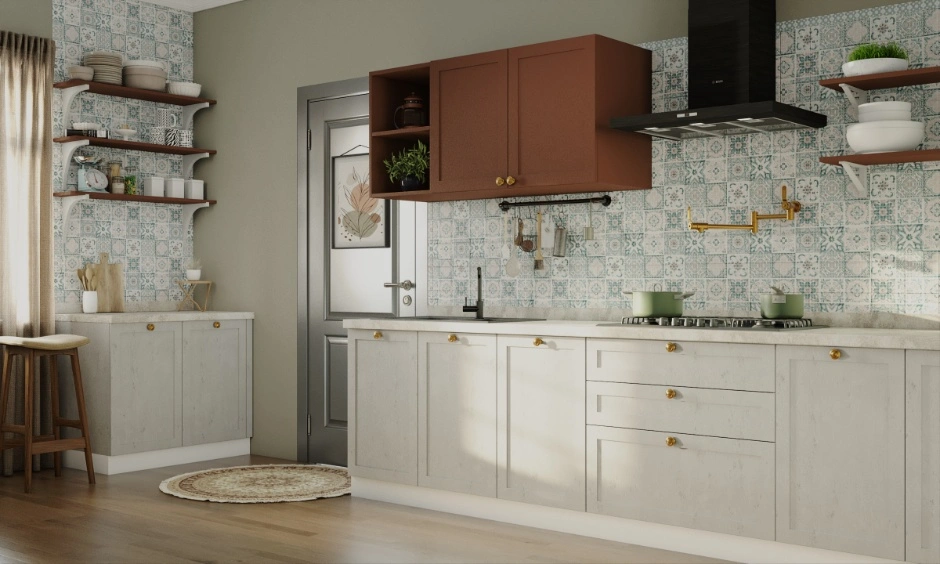
1. Go for a Straight Kitchen In Smaller Homes: A single-wall layout uses fewer materials and is easier to execute, especially in compact apartments.
2. Choose an L-Shaped Layout for Maximum Utility: An L-shape provides more counter space without adding complexity, making it well-suited for daily cooking and storage.
3. Use Open Shelves Only Where it Makes Sense: Limit open shelves to daily-use items. Too many can make the space look cluttered and also increase cleaning effort.
4. Pick Laminate Shutters in Light Colours: Light shades make the kitchen look bigger and brighter. Laminates are budget-friendly and easy to maintain for everyday use.
Trending Modular Kitchen Interior Designs
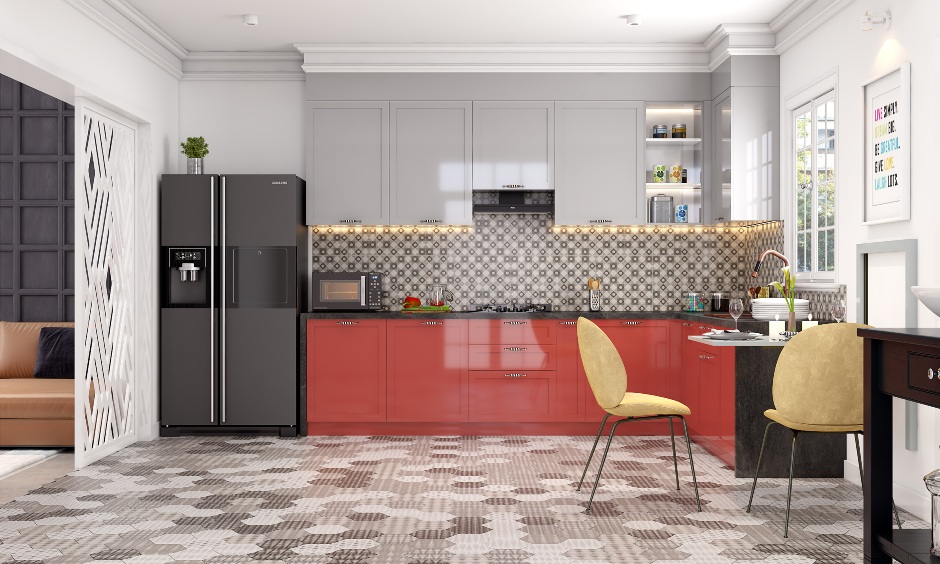

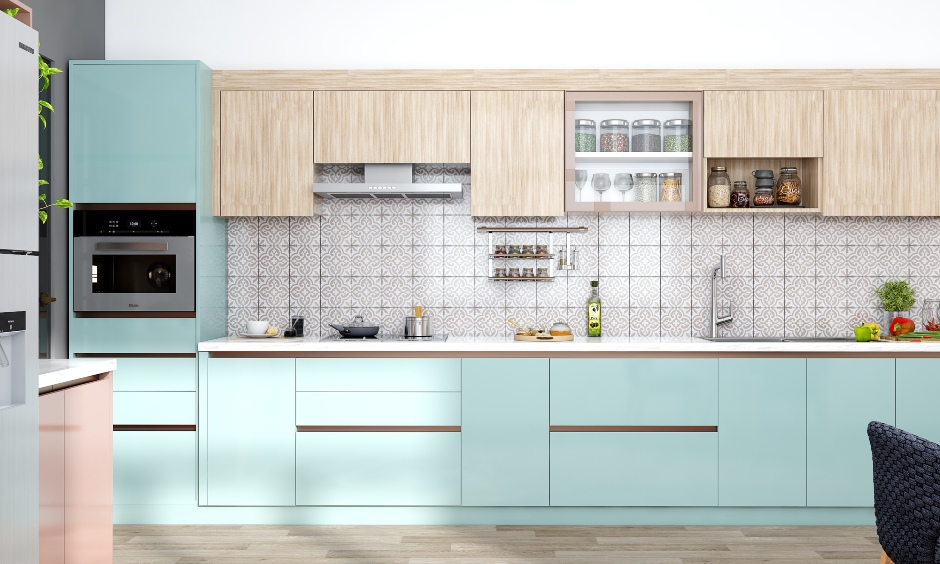
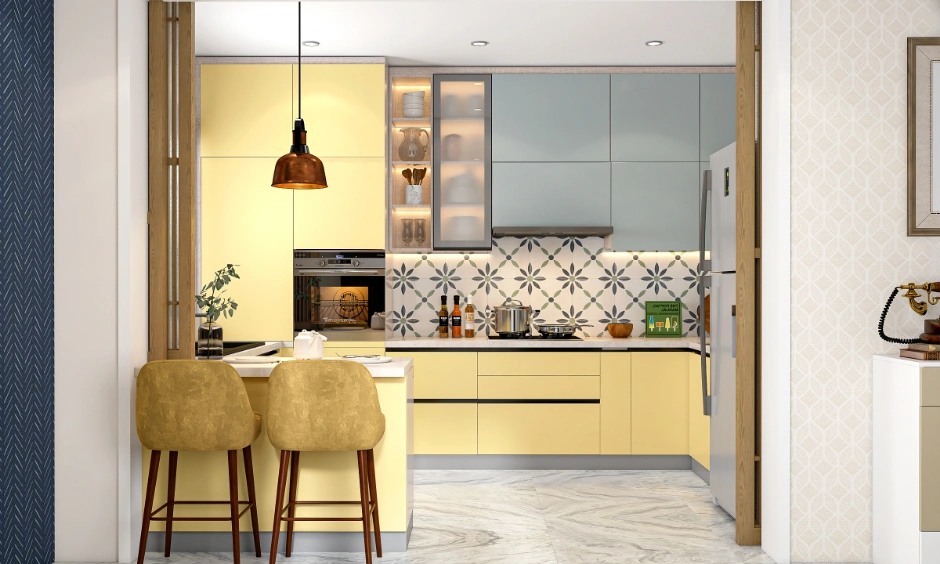
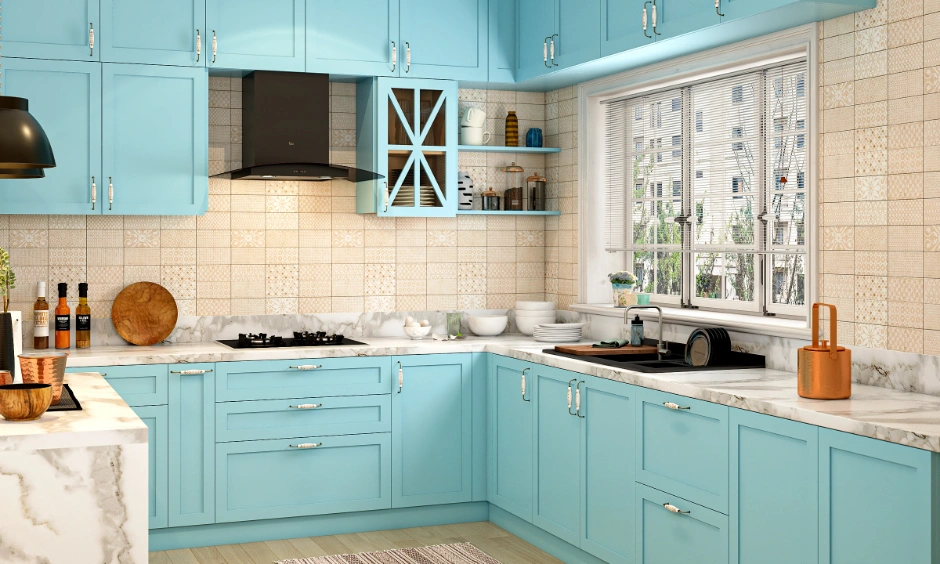
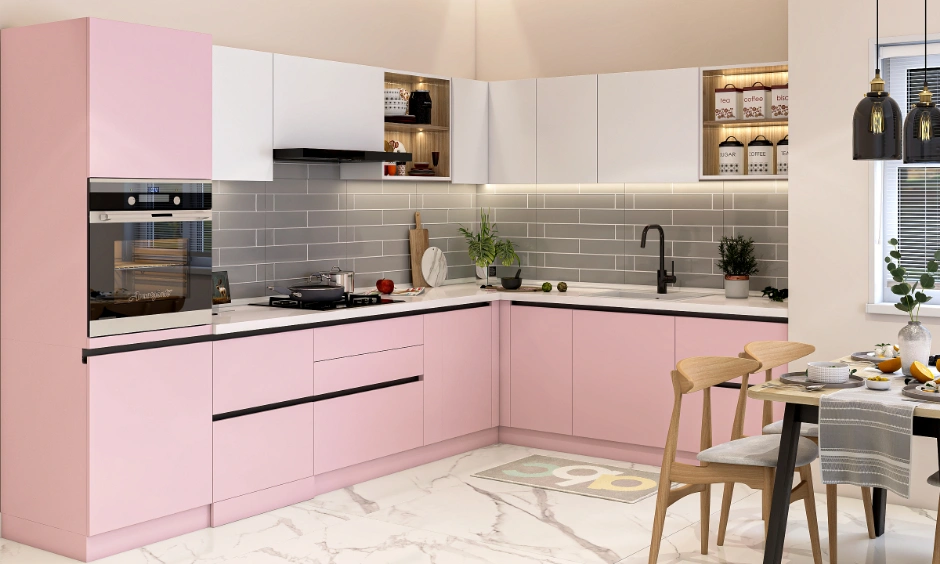
5. Keep the Backsplash Simple: A basic tiled backsplash or a clean laminate backsplash can look good without breaking the bank. Choose designs that are easy to wipe and don’t show stains easily.
6. Add Smart Storage in Small, Low-Cost Ways: Instead of expensive organisers, use simple cutlery trays, stackable containers, and wall hooks. These small additions can support a simple kitchen interior design plan without adding heavy carpentry.
7. Use Standard-sized Cabinets: Custom sizes increase labour and material wastage. Standard units are faster to build and usually more affordable.
Budget Planning for Low-Cost Simple Kitchen Design for Middle-Class Families
Smart budgeting is what turns ideas into reality. When planning kitchen designs, it helps to set clear priorities so you spend on what truly improves daily use and save on what does not.
1. Fix Your Total Budget First
Decide your maximum spend before you start shortlisting layouts and materials. This avoids last-minute upgrades that push costs above plan.
2. Break the Budget Into Clear Parts
Split your budget across carpentry, countertop, hardware, sink and tap, backsplash, and basic lighting. This makes it easier to control overspending in one area.
3. Compare Material Options Before Finalising
Check at least two to three laminate finishes, plywood grades, and countertop options. Small changes in material choices can create big savings in a simple kitchen design.
4. Avoid too Many Custom Add-Ons
Custom corner units, tall pull-outs, and premium organisers can quickly increase costs. Add them only if they solve a real storage problem in your kitchen.
5. Keep Some Buffer for Small Extras
Set aside a small buffer for fittings, plumbing adjustments, or minor civil work. This helps you avoid stress during installation.
6. Plan Upgrades in Phases
If your budget is tight, plan the core kitchen first. You can always add extra storage, organisers, or aesthetic upgrades later without having to redo the entire kitchen.
Why Hire an Interior Company for Low-Cost, Simple Kitchen Designs?
Designing a kitchen on a budget is not just about choosing cheaper materials. It is about planning smartly so you don’t end up spending more later. A professional interior company can help you avoid common mistakes and better manage costs.
1. They Help You Plan Within a Realistic Budget
Interior experts know which materials and layouts deliver value for money. This helps you avoid spending on features that don’t suit a simple kitchen plan.
2. You Get Better Space Planning
Professionals optimise layouts for small and medium-sized homes so every corner is usable. This reduces wastage and improves daily workflow in the kitchen.
3. Access to Cost-Effective Materials and Vendors
Interior companies work with trusted suppliers and can recommend budget-friendly alternatives that still offer durability and a decent finish quality.
4. Fewer Execution Errors and Rework
Wrong measurements, poor fittings, or bad layout choices often lead to rework. With professional execution, you save both time and money in the long run.
5. Clear Timelines and Smoother Coordination
From carpentry to plumbing and electrical work, a single point of coordination helps keep the project organised and on track.
6. Long-Term Value and Peace of Mind
A well-planned kitchen interior lasts longer and functions better. This means fewer repairs and upgrades later, even with a limited budget.

Things to Avoid in Low-Cost Simple Kitchen Designs
When planning your kitchen design, avoid these common mistakes that can increase costs later:
1. Overdoing Cabinets and Fancy Organisers: Too many units and add-ons quickly raise carpentry costs. Start with essential storage only.
2. Choosing the Cheapest Hardware: Low-quality hinges and channels fail faster and require frequent repairs. Basic branded hardware is worth it.
3. Picking High-Maintenance Finishes: Very glossy or stain-prone finishes may look good, but cost more in upkeep and cleaning.
4. Ignoring Lighting and Ventilation: Skipping proper task lighting or ventilation makes the kitchen uncomfortable, and fixing it later usually costs more.
5. Going Too Custom Too Soon: Custom sizes and complex designs increase labour and material wastage. Standard units keep the budget under control.
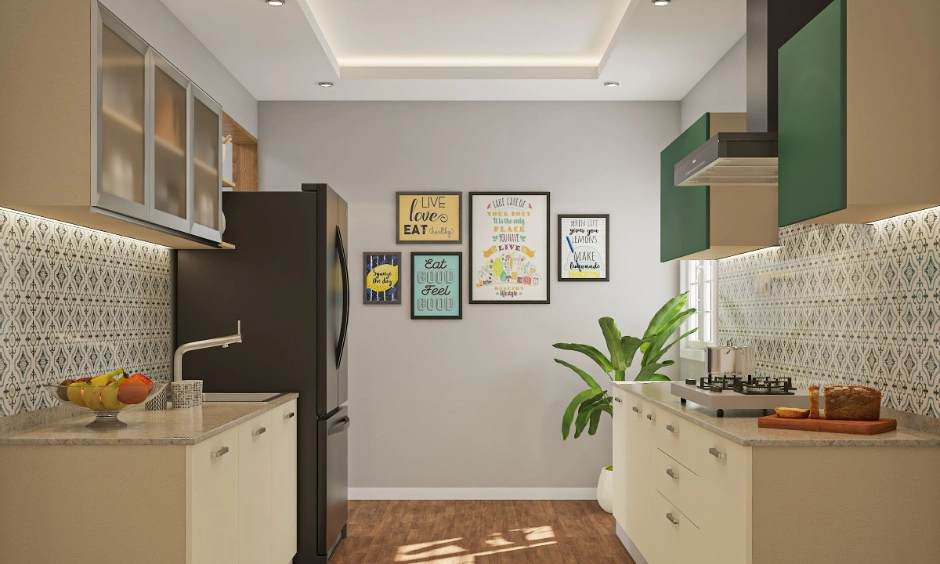
Low-cost kitchen interiors can still look stylish and work beautifully when the planning is done right. With a practical layout, smart storage choices, and durable finishes, you can create a space that feels clean, comfortable, and easy to maintain. The key is to prioritise function first, avoid unnecessary add-ons, and invest in essentials that last. With the right approach, low-cost, simple kitchen designs can give you a kitchen that fits your budget and supports your everyday life.
Talk to the experts at DesignCafe to get your quote today!
FAQs
1. What materials keep low-cost, simple kitchen designs affordable?
Laminates for shutters, standard-grade plywood for cabinets, basic ceramic tiles for the backsplash, and regular granite for countertops help keep costs under control. These materials are durable for everyday use, easy to clean, and widely available, which also reduces installation costs.
2. Are open-plan designs viable on a budget?
Yes, open-plan kitchens can work on a budget if the layout is kept simple. Straight or L-shaped layouts reduce carpentry and civil work. Using the same finishes in the kitchen and living area also helps control material costs and keeps the space visually clean.
3. What are the best low-cost materials for simple kitchen cabinets?
Commercial plywood with laminate shutters is one of the most practical low-cost options. It offers good strength for daily use, resists moisture better than MDF in wet areas, and is easy to maintain over time.