Select Category


AI Summary
4 key insights · 1 expert tipThinking about a CNC false ceiling? This guide covers 10 design ideas for every room, the best materials for Indian homes, costs per sq ft, lighting tips, maintenance, and the mistakes that can turn an expensive ceiling into a regret. You'll also learn when a CNC ceiling makes sense over plain gypsum, and how to choose the right design for your ceiling height.
KEY INSIGHTS
- CNC cutwork collects dust. A denser pattern means more cleaning, not more luxury.
- MDF swells in humid coastal homes. WPC and PVC do not.
- Budget ₹250 to ₹600 per sq ft installed. Plain gypsum runs ₹60 to ₹130.
- Plan the LED wiring before the panel is cut, never after.
 DESIGNCAFE EXPERT TIP
By our design team
DESIGNCAFE EXPERT TIP
By our design team
Megha Kathuria, Studio Manager, DesignCafe, Bengaluru suggests, “Choose the material before the pattern. A delicate design in the wrong material won't survive moisture, heat or everyday wear.”
The machine cuts the pattern. Choosing the right material, lighting and depth is up to you. Plain gypsum ceilings had their moment.
CNC false ceiling designs changed the game by making intricate patterns accessible to more homeowners. A computer-controlled machine cuts the design, giving you the look of handcrafted detailing without the time or cost of hand carving.
But the pattern is only half the story.
The material, lighting and ceiling height all affect how the final design looks and ages. This guide covers 10 CNC ceiling ideas, materials, costs, room-wise recommendations and the common mistakes to avoid.

What Is A CNC False Ceiling Design?
CNC stands for computer numerical control. A machine cuts a programmed pattern into a flat sheet, with no hand carving anywhere in it.
The cut sheet is then fixed to a frame suspended below your concrete slab.
That is the entire CNC cutting design for the ceiling process. Precision comes from the file, not the carpenter. CNC panels offer elegance and backlighting, but choosing the wrong material or density creates a dusting nightmare or a moisture risk.
Benefits Of CNC False Ceiling Designs
- Every panel is machine-cut, so the pattern stays neat and consistent.
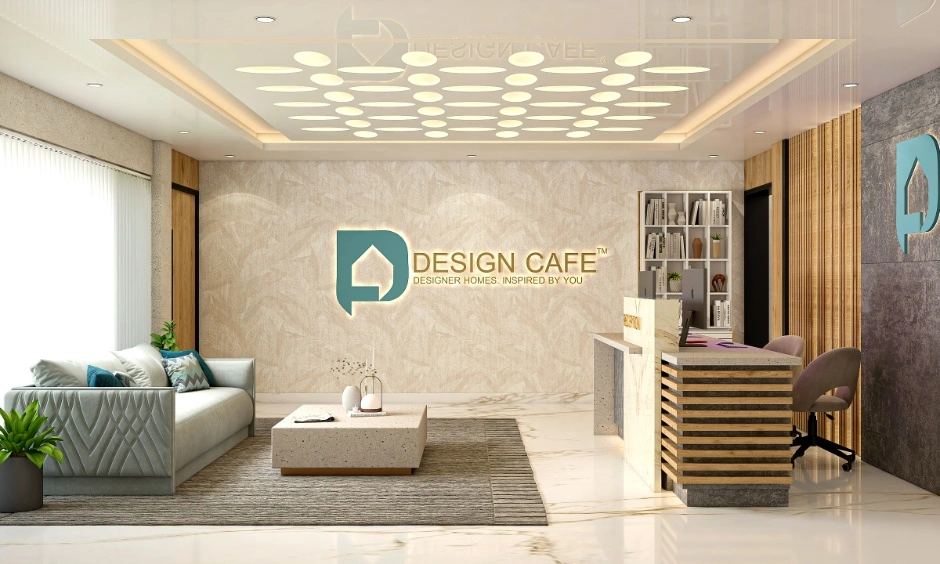
- The cutwork is designed for LED backlighting, creating a soft, even glow.
- It delivers the look of hand-carved detailing at a lower cost and in less time.
- You can choose from MDF, WPC, PVC, acrylic or metal to suit your home and budget.
- It also hides wiring, ductwork and uneven slab finishes for a cleaner ceiling.
10 Best CNC False Ceiling Design Ideas For Your Home
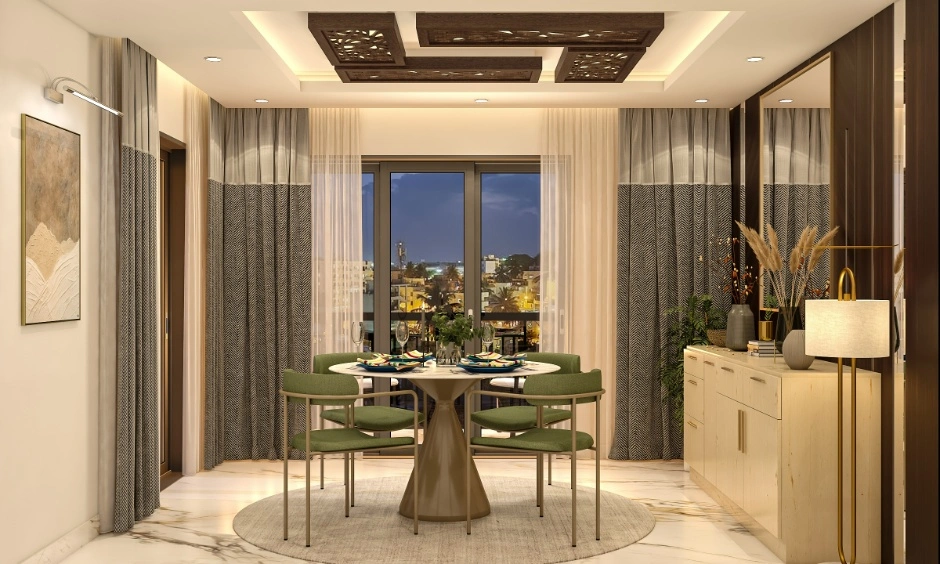
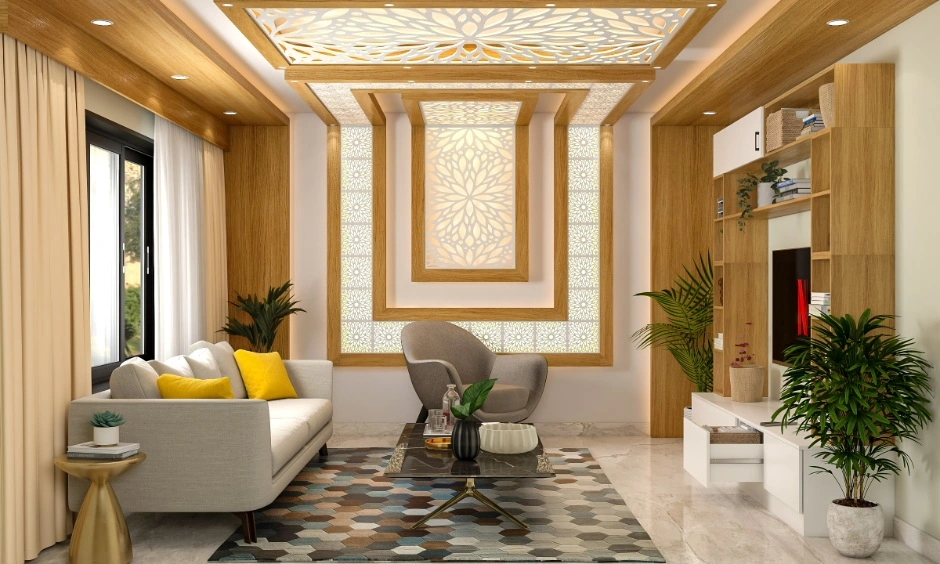
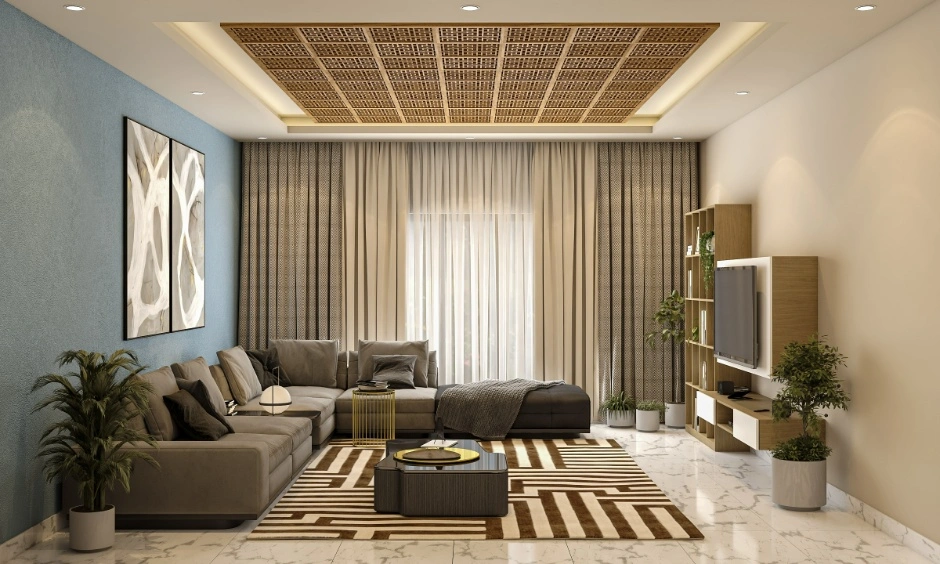
1. Backlit Jali Border: Run a CNC jali border around the edge of the ceiling and keep the centre plain. Hidden LED strips behind the cutwork create a soft glow without overtaking the room.
2. Central Medallion: A single CNC-cut medallion above the dining table or bed draws attention without covering the entire ceiling.
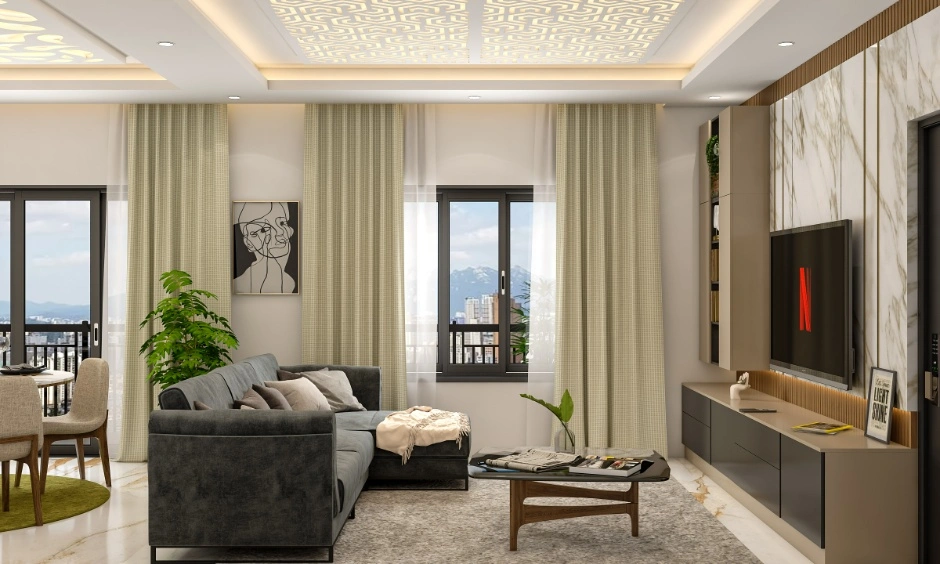
3. Geometric Grid Panel: Hexagons, diamonds and other geometric patterns are great at disguising the panel joints.
4. Floral Cutwork: Curved floral patterns bring a traditional touch to bedrooms, living rooms and pooja rooms. MDF and brass are popular choices for this style.
5. Two-Tone Layered Panel: Pair a light-coloured cut panel with a darker backing sheet to create depth without lowering the ceiling further.
6. Wraparound Ceiling-To-Wall Design: Extend the CNC pattern from the ceiling onto one wall for a seamless look.
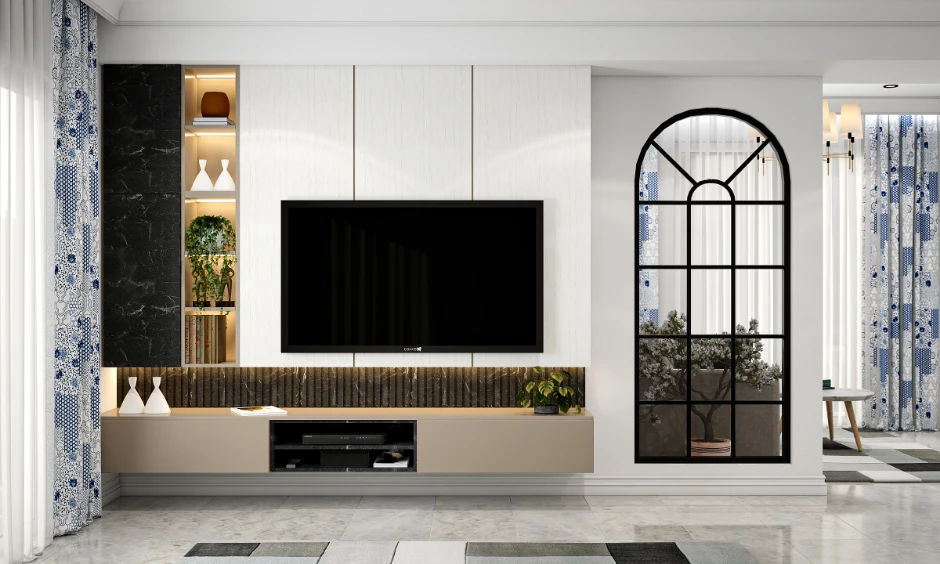
7. TV Wall Continuation: Carry the same CNC pattern from the ceiling onto the TV wall to create one continuous feature instead of two separate elements.
8. Perforated Acoustic Panel: Small perforations backed with acoustic material help reduce echo. It’s a practical choice for home theatres and home offices.
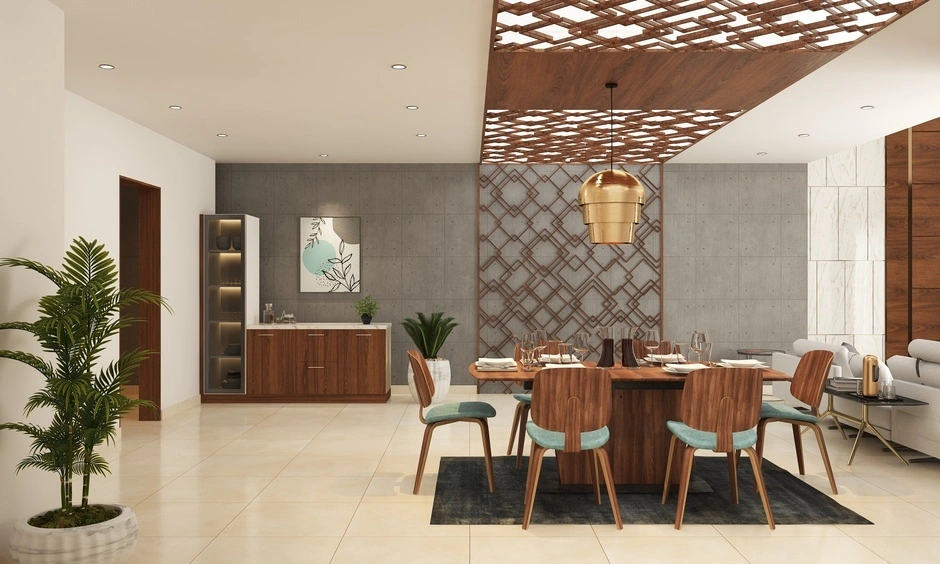
9. Slat And Cutwork Combination: Combine wooden slats with CNC cutwork instead of covering the entire ceiling. The result is both easier on the budget and eyes.
10. Metal Inlay On Gypsum: Add thin CNC-cut brass or steel inlays to a plain gypsum ceiling for a subtle decorative accent without increasing the overall cost.
CNC False Ceiling Design Ideas By Room
Room size decides pattern density. A CNC ceiling design for hall areas needs more restraint than a foyer, simply because the span is wider.
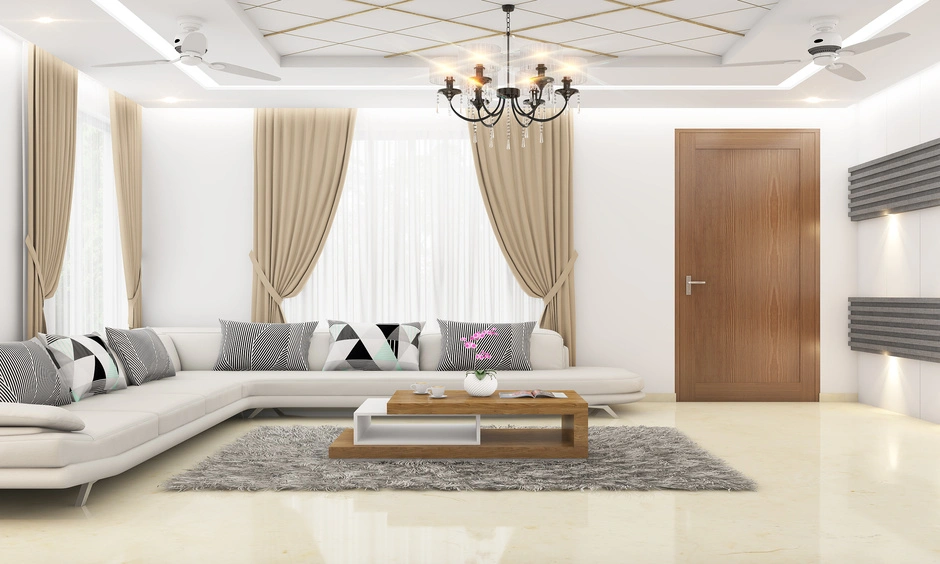
1. Living Room: Keep the CNC design around the perimeter and leave the centre plain. It frames the room neatly and avoids clashing with the ceiling fan.
2. Bedroom: A CNC panel works best above the bed headboard rather than across the entire ceiling. Pair it with warm lighting of around 3000K for a cosy feel.
3. Dining Room: Place a single medallion above the dining table and size it to match the table below. Suspend the pendant beneath the cutwork, not through it.
4. Pooja Room: Dense jali patterns feel at home in a pooja room, and the compact space keeps the cost under control. Avoid MDF, as heat and lamp smoke can stain it over time.
5. Home Office: Perforated acoustic panels help reduce echo during video calls. Keep the ceiling behind your chair plain so the background stays clean and distraction-free.
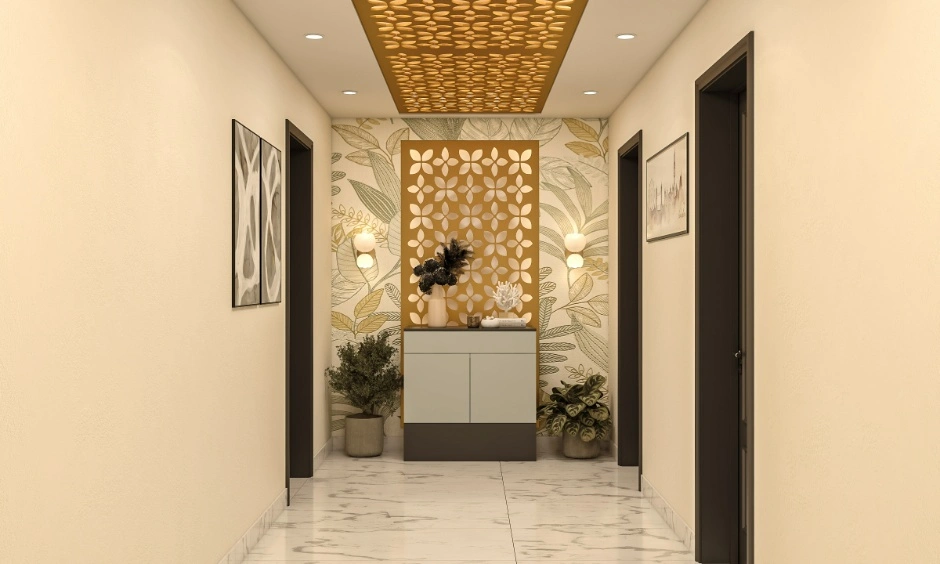
6. Entryway/Foyer: A foyer is often small enough for a semi-patterned CNC ceiling without stretching the budget. Add backlighting and skip the ceiling fan to let the design stand out.
Popular Materials Used In CNC False Ceiling Designs
Your CNC ceiling panels can be cut from almost any flat sheet. The material decides cost, weight and how well it ages.
| Material | Cost per sq ft | Best for |
|---|---|---|
| PVC | ₹200 to ₹350 | Budget projects, easy cleaning |
| MDF | ₹250 to ₹400 | Dry inland homes, painted finishes |
| Gypsum board | ₹150 to ₹300 | CNC gypsum ceiling design, paintable |
| HDHMR | ₹300 to ₹450 | Better moisture resistance than MDF |
| Plywood | ₹300 to ₹500 | CNC wooden ceiling design with veneer |
| WPC | ₹350 to ₹550 | Coastal and humid homes |
| Acrylic | ₹400 to ₹650 | Backlit panels and high gloss |
| Brass or steel | ₹700 upwards | Inlays and small accent areas |
CNC False Ceiling Design Cost In India
A CNC false ceiling typically costs ₹250 to ₹600 per sq ft, including installation.
The final price depends on the material you choose, the complexity of the pattern and the amount of LED lighting behind the panel. Intricate cutwork takes longer to machine and produces more wastage, which increases the cost.
Treat these figures as a guide. The final quote will depend on your design and room dimensions.
How To Choose The Right CNC False Ceiling Design?
A simple process mantra is : Ceiling Height → Climate/Humidity → Lighting Integration. Start with ceiling height. Below 9.5 ft, use a border or a single panel, not a full patterned ceiling.
Then match the pattern to the room. Small rooms carry dense cutwork well; larger ones look better with open, wider-spaced patterns. Choose the material for your climate, not your Pinterest board
Common Mistakes To Avoid
- Cutting the panel before the electrician marks the LED runs.
- Using MDF in a coastal or high-humidity home.
- Full-coverage patterns in a room under 9.5 ft.
- Fitting a ceiling fan through a patterned panel. It wobbles against the cutwork.
- Choosing a pattern so dense that nobody can dust it.
Trending Living Room Interior Ideas


CNC False Ceiling Design Trends In 2026
In 2026, homeowners are moving away from elaborate CNC ceilings in favour of cleaner, more timeless designs.
Open patterns, warm LED lighting between 2700K and 3000K, and single-material panels are replacing busy cutwork and mixed finishes. Do remember to keep LED channels at least 2–3 inches behind the cutwork panel for optimum light diffusion without hotspot dots
A simple border or one feature panel adds character without making the room feel crowded.

CNC False Ceiling vs Gypsum False Ceiling
A plain gypsum ceiling costs around ₹60 to ₹130 per sq ft, while CNC panels start at about ₹250 per sq ft.
If you want a clean, understated ceiling that’s easy to repair, gypsum is the better choice. CNC panels are ideal when you want to add pattern, depth and backlighting without relying on paint alone.
Many homeowners combine the two. Gypsum forms the base ceiling, while CNC is used as a border or a single feature panel to create a focal point without increasing the budget too much.
Expert Tips For Maintaining CNC False Ceilings
- Dust the cutwork every month with a dry microfibre duster to prevent dirt from settling into the grooves.
- Test the LED lighting once a year. Replacing faulty strips later often means removing the CNC panel.
- Save a small offcut after installation. It helps if you ever need a matching repair or replacement.
- Repair any roof or slab leak immediately. Water can permanently damage MDF and stain the finish.
Why Choose DesignCafe For CNC False Ceiling Designs?
Every CNC ceiling is designed around your room, not a catalogue. Before recommending a pattern, our designers assess your ceiling height, lighting plan and local climate to choose materials that will perform well over time. We offer brief-led customisation, precision machine routing, and in-house execution teams .The design you approve is the one we build, with execution, installation and warranty managed by a single team for a smoother, hassle-free experience.
Book a free consultation and our design team will size the pattern to fit. For more such home renovation inspirations, check out our blog section today.
FAQs
1. What is a CNC false ceiling design?
It is a ceiling panel cut into a pattern by a computer-controlled machine, then fixed below your slab. The cutwork is usually backlit with LED strips.
2. Is CNC false ceiling expensive?
It costs roughly three to five times plain gypsum. Using it as a border or a single panel keeps the total sensible.
3. Which material is best for CNC ceiling panels?
WPC for humid or coastal homes, MDF or HDHMR for dry inland ones. Acrylic works best where the panel is backlit.
4. Can CNC ceilings include LED lighting?
Yes, and most should. Strips sit behind the cutwork so the pattern glows rather than casting a shadow.
5. Are CNC false ceilings suitable for small homes?
Yes, in small doses. Use a border, a foyer panel or a single medallion instead of covering the whole ceiling.
6. How long do CNC false ceilings last?
Ten to fifteen years with the right material and no water ingress. WPC and metal outlast MDF comfortably.
7. What is the average CNC false ceiling cost per square foot?
Around ₹250 to ₹600 per sq ft installed. Pattern density and LED wiring move the number more than the material alone.