Select Category


AI Summary
3 key insights · 1 expert tipWarm vs cool light refers to different colour temperatures that influence how a space looks and feels. The best choice of lighting for your home depends on the function of each room. For most modern homes, a mix of both lighting types offers the ideal balance of comfort, functionality and style. Let’s explore both in more detail so you can make an informed choice.
KEY INSIGHTS
- Warm and cool light affect mood, comfort and productivity.
- Warm light, neutral light and cool light serve different purposes.
- Layered lighting and smart bulbs allow better control across rooms.
 DESIGNCAFE EXPERT TIP
By our design team
DESIGNCAFE EXPERT TIP
By our design team
Sneha Kadam, Studio Manager, Karnataka DesignCafe Experience Centre says, “Before choosing a light temperature, consider your wall colour. Warm-toned walls amplify warm light but make cool light look flat whilst cool-toned walls pair better with cool light. A quick test is to hold a white sheet of paper under your chosen bulb next to your wall colour swatch. If the two clash in the colour cast, it is time to switch temperatures.“
Lighting is more than just brightness; rather, it is about creating the perfect atmosphere. Explore how warm light and cool light work together to enhance comfort, style and functionality in your home.
Warm vs cool light refers to the colour appearance of artificial lighting, which is measured in Kelvin (K). The lighting colour temperature concept plays a major role in how a space looks, feels and functions in your home. The warm light produces a softer and yellowish glow that creates a comfortable atmosphere, while cool light emits a brighter and bluish tone that makes you feel more energetic and alert. Most modern homes use a combination of warm and cool lighting ideas to balance comfort and functionality across different rooms.

An Overview Of The Lighting Colour Temperature Guide (Kelvin Scale)
Lighting colour temperature determines whether the light appears warm, neutral or cool, and it is measured on the Kelvin scale. The lower Kelvin values produce warmer and yellow-toned light, while the higher Kelvin values create cooler and bluish-white light. Understanding this Kelvin scale helps you choose the right lighting type for each room in your home based on its specific function.
| Kelvin Range | Light Type | Colour Appearance | Best Use |
| 2700 K – 3000 K | Warm Light | Soft Yellow | Bedroom, living room |
| 3500 K – 4000 K | Neutral | Balanced white | General-purpose home lighting |
| 4000 K – 5000 K | Cool Light | Bright white | Kitchen, office |
| 5000 K – 6500 K | Daylight | Blue-white | Study, detailed tasks |

Trending 2BHK Interior Designs




How Does Warm Light Differ From Cool Light?
Warm Light
- It measures 2700 K – 3000 K on the lighting temperature guide.
- It has a soft and warm yellow/orange glow that feels calm and cosy.
- It is similar to the sunset lighting that is easy on the eyes at night.
- It is ideal for home spaces where relaxation is the main priority.
- It is commonly used in bedrooms, living rooms and dining areas.
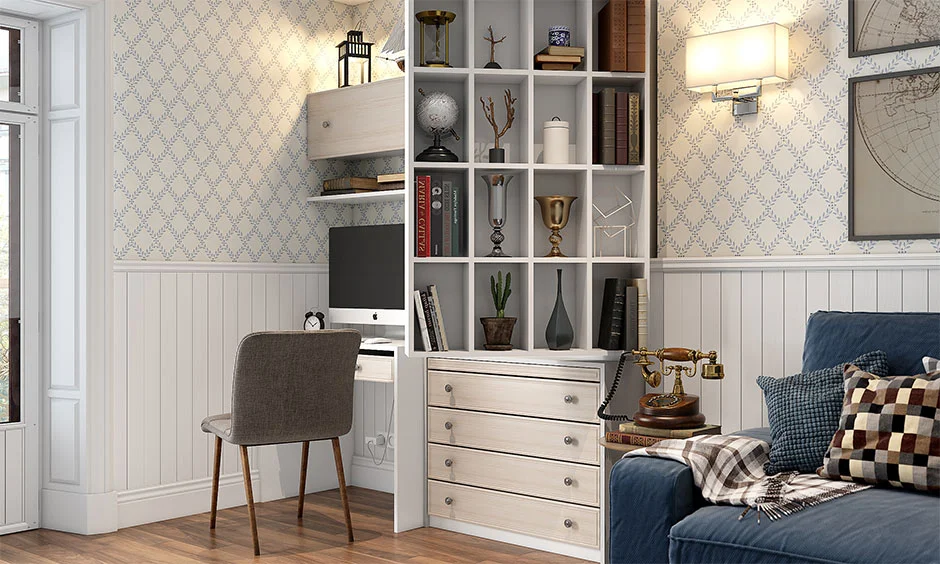
- It complements teak and sheesham furniture and marble accents.
Cool Light
- It measures 4000 K – 6500 K on the lighting temperature guide.
- It appears bright white or slightly bluish, just like the daylight.
- It feels energetic & stimulating, helping you stay alert and focused.
- It is perfect for home spaces where task completion is a priority.
- It is commonly used in kitchens, home office, study areas and bathrooms.
- It complements contemporary laminates and finishes.
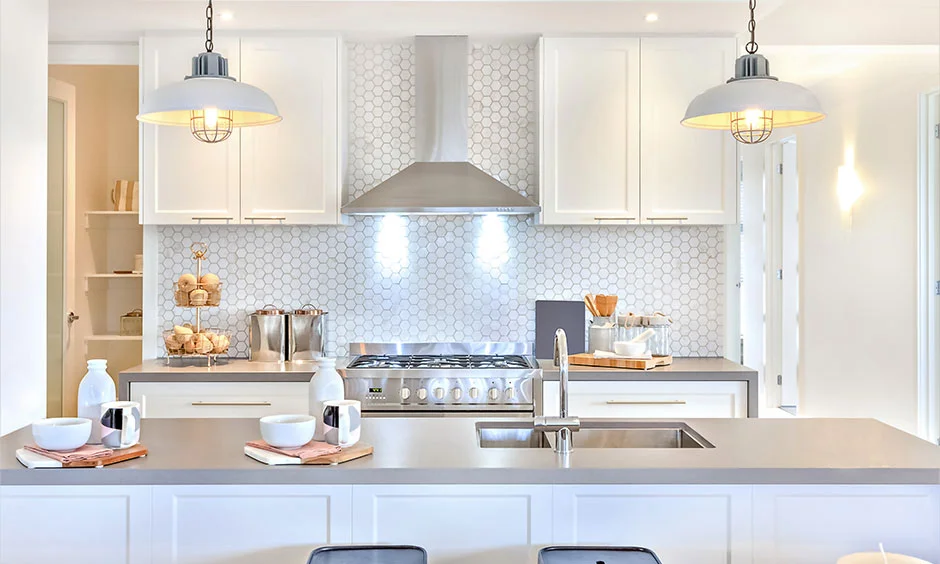
Cool Lighting Ideas For Modern Homes
- LED strip lights can be installed under cabinets, shelves or staircases to create a sleek and futuristic effect.
- Pendant lights with cool tones are popular in the kitchen and dining area, adding both style and functionality.
- Recessed cool ceiling light panels provide even illumination, making them ideal for tropical homes by reducing the effect of harsh daylight.
- Smart lighting systems and cool room lamps allow users to switch between light tones depending on their needs and the time of day.
- Cool light can make high-gloss acrylic look harsh and clinical.
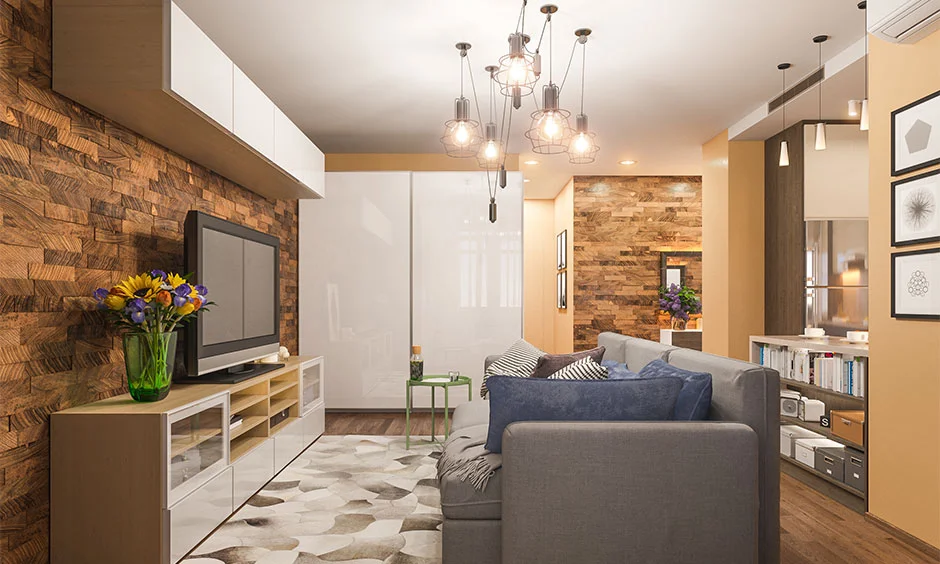
The Pros And Cons Of Warm Light Vs Cool Light
| Element | Warm Light | Cool Light |
| Mood | Cosy, Relaxing | Energising, Productive |
| Colour Tone | Yellow, Orange | White, Blue |
| Best Room Type | Bedroom, Living Room | Kitchen, Office, Study |
| Eye Comfort | High (Night) | High (Day tasks) |
| Brightness | Not Enough For Tasks | Disrupts Sleep Patterns |
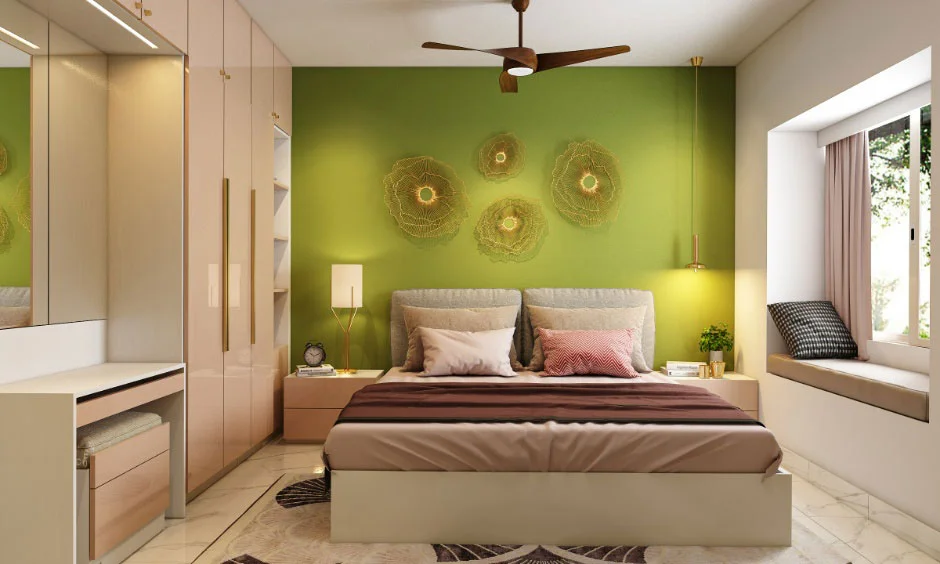

The Best Choices For Every Room – Warm Light, Cool Light, Or Both?
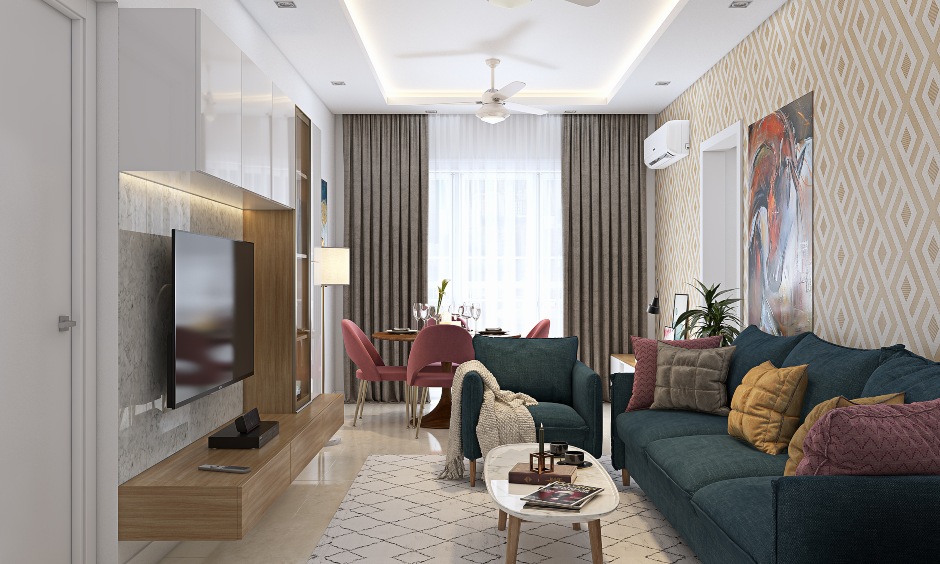
- Living Room Lighting: Warm lighting is preferred for the living room because it evokes a sense of tranquillity and softness in the space and allows people to socialise, relax, or watch television. It also helps highlight wallpapers, textured walls or surfaces and woodwork. Some modern homeowners use a combination of neutral and cool lights in the living room to brighten the space during the day or for reading. Warm 3000K recessed lights are perfect for evening hosting. Opt for table lamps, floor lamps and ceiling lights to switch between moods easily.
- Bedroom Lighting: Warm light is perfect for bedrooms because it promotes relaxation and supports better sleep. A lower Kelvin range signals the circadian rhythm to wind down, making it the default choice for ambient lighting in resting zones. Cool lights for the bedroom can still be useful in specific areas like dressing tables or reading corners where better visibility is needed. A mix of warm ambient light and cool, focused task lighting works best. A 10×12 ft bedroom functions best when ambient lighting is kept strictly at 3000K, leaving tasks like vanity grooming to localised 4000K fixtures.
- Kitchen & Workspace Lighting: Cool light is highly effective in kitchens and workspaces, as it enhances visibility and concentration. The bright and crisp illumination helps you see details or perform important tasks clearly, whether you are cooking, cleaning or working on a project. In these areas, functionality is more important than the ambience, which is why cool lighting is preferred. Do remember to keep task lighting at 4000K exactly 3 feet above a kitchen countertop or vanity mirror.
- Bathroom Lighting: In a bathroom, lighting requires a strict partition between task clarity and ambient rest. Cool light around the mirrors is useful for critical tasks like shaving, makeup application and grooming because it provides accurate colour representation and clarity. Use warm lighting in other parts of the bathroom to create a relaxing and spa-like atmosphere.
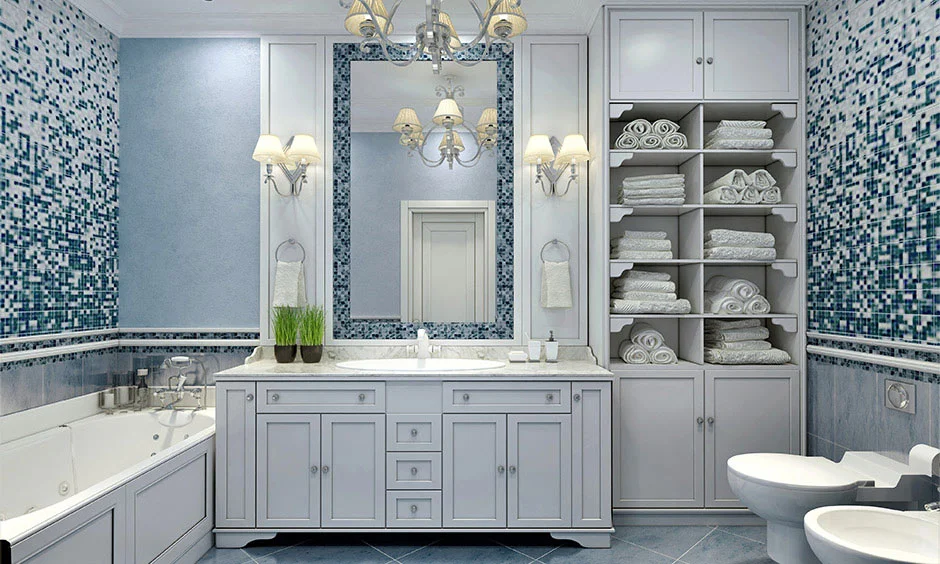
How To Choose Between Warm Light And Cool Light?
Choosing between warm light and cool light for your home depends largely on the purpose of the room, the time of the day and the specific mood you want to create. For relaxation areas like bedrooms and living rooms, warm light is the better option because it promotes comfort and calmness. For workspaces, kitchens and study areas, cool light supports focus and visibility. Cool light in the room works well during the day, while warm light is better for evenings and nights. Warm light alters polished teak while cool light interacts smoothly with contemporary quartz or PU finishes.
Many modern homeowners now prefer layered lighting, thereby combining ambient, task and accent lights to achieve both functionality and style. Use cool overhead lighting for concentration in a home office augmented by a warm desk lamp for late-night comfort. Smart lighting technology eliminates the need to settle for a single temperature. Automate your modern home to transition from cool, refreshing light in the morning to warm, amber tones by dinnertime. Beyond the function, the temperature also alters the appearance of your home decor – warm lights enhance reds, oranges and wood tones while cool lights make greys, silvers and whites pop. What homeowners usually get wrong is mixing 3000K and 6500K fixtures within the same false ceiling layer, creating visual chaos.
Wrapping Up
Lighting is an essential element of home design that influences both mood and functionality. Warm light and cool light both offer different functionality. Each is important to achieve a balanced appearance at various times of the day and year. Winter feels cosier with warm lamps, while cool lighting reduces the effect of summer light and heat. The most effective approach is to use a combination of both kinds of lighting throughout your home. Book a free virtual consultation with our experts at DesignCafe to get personalised advice tailored to your space, style and daily needs.
FAQs
1. Is cool light or warm light better for studying?
Good lighting placement matters as much as lighting colour for optimal utilisation and work efficiency. Cool light is definitely better than warm light for studying because it mimics daylight, boosts concentration, and reduces eyestrain during long reading/screen time sessions. A neutral white (around 4000K) is a balanced option.
2. Should you use warm light or cool light in the living room?
Cool light with a sprinkle of neutral and warm lighting is the best choice for the living room because it creates a comfortable, inviting ambience. It makes the space feel cosy for relaxing and reading, spending time with family or even watching television. Use dimmable bulbs or lamps to add flexibility.
3. How do you choose between warm vs cool light for your home?
- Think about how each room in your home is used daily.
- Dimmable bulbs let you easily switch between warm and cool.
- Use warm light for leisure areas & cool light for task spaces.
- If you are confused, then choose neutral white as a safe option.
- Layer lighting choices like ceiling lights, task lights and lamps.
4. Which lighting is best as per the lighting temperature guide?
The lighting temperature guide recommends choosing the colour temperature based on the activity and room type. The main objective is to match the lighting choice with the function and mood you want to achieve. Layering different lights can actually give you better control over the overall vibe of a specific room.
- Warm light (2700K – 3000K) is best for relaxing spaces like bedrooms.
- Neutral white (3500K – 4000K) works well for general-use areas.
- Cool light (5000K+) is ideal for task-heavy zones like offices/kitchens.