Select Category

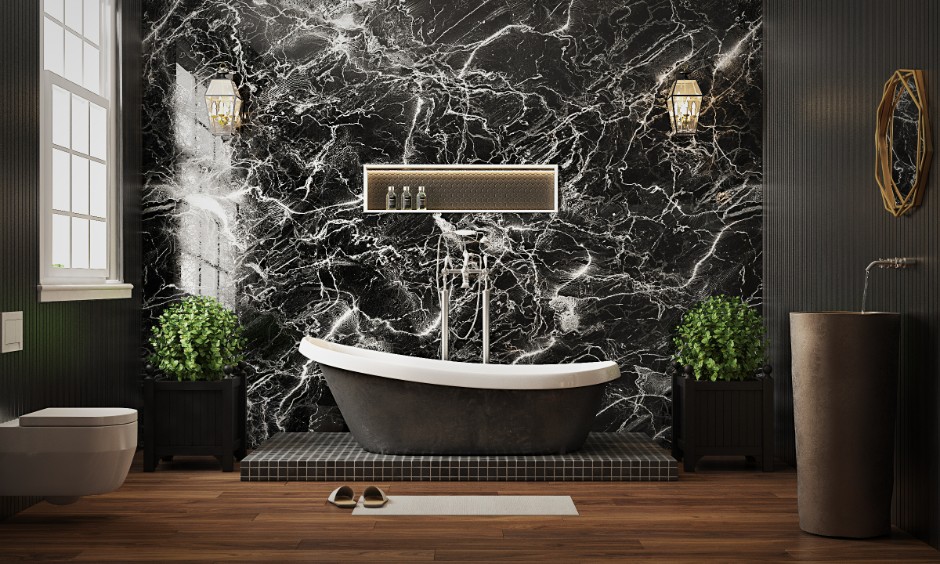
Simple tips on how to pick bathroom tiles. Make choices that look beautiful and actually work.
Choosing the right bathroom tile doesn’t have to feel overwhelming. When you understand the math about tile materials, sizes, finishes, and safety ratings, the decision becomes much clearer. The right bathroom tiles should handle moisture, prevent slipping, and still reflect your personal style. With this simple step-by-step guide, you can walk into any showroom feeling confident, knowing exactly what to look for and what to avoid.
What You Will Read Here:
- The difference between ceramic, porcelain, vitrified, and natural stone tiles
- How tile size affects small and large bathrooms
- Glossy vs matte finishes and where to use each
- Slip ratings, waterproofing, and floor safety essentials
- Smart budgeting tips for premium bathroom tiles
Best For: Homeowners planning a bathroom renovation who want clarity before stepping into a tile showroom.
Expert Insight: Mufaddal Bharmal, Manager at WLMUM DC, suggests, “Start with function first: durability, water resistance, and safety, and then build your style around it. A bathroom should feel beautiful, but it must feel safe to step into every single day.”
You saved forty-three inspirational photos. You walked into a tile showroom feeling prepared. Then the walls hit you; you are surrounded by 47 shades of beige. Everything looks beautiful, and yet you are scared of choosing the wrong one. That frozen feeling is completely normal.
Here’s the good news: you don’t need a design degree to learn how to pick bathroom tile. You need a clear, practical plan. Read on to learn exactly what designers check–materials, finishes, size, and safety before giving you a quote. Now, we share this cheat sheet with you so you can choose confidently and avoid costly mistakes.

What Bathroom Tiles Really Need to Do?
Bathroom tiles have two jobs: they protect your walls and floors from water, and they set the mood of the room. Unlike living rooms or bedrooms, bathrooms deal with daily splashes, steam, and humidity. That means your tile choice affects safety, maintenance, and long-term durability — not just style.
There is no single ‘perfect’ tile. The right choice depends on your budget, how much cleaning you want to do, and whether you prefer bold patterns or calm neutrals.
Designer Tip: Before you walk into a showroom, decide your top priority: Durability, ease of cleaning, budget, or aesthetics. This will help you filter instantly.
The Ultimate Bathroom Tile Ideas Cheat Sheet: Exploring Types and Materials
When people ask about the types of wall tiles, they usually mean materials. Let’s simplify them.
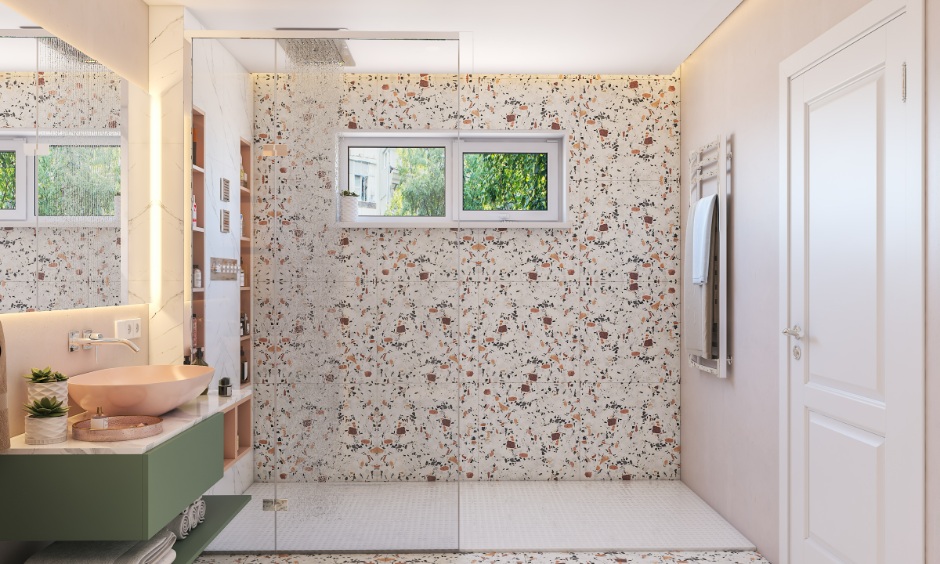
Ceramic tiles are affordable and widely available. Porcelain tiles are similar but denser (more tightly packed), making them stronger and better suited for wet areas. Natural stone, like granite bathroom tiles, looks luxurious but needs sealing (a protective coating to stop stains). Glass tiles reflect light beautifully but work best as accents, not floors.
Here’s a quick comparison:
| Tile Type | Best For | Durability | Maintenance | Cost Range |
| Ceramic | Walls, low-traffic floors | Good | Low | Budget-friendly |
| Porcelain | Floors, wet areas, high traffic | Excellent | Very Low | Mid-range |
| Natural Stone (Granite) | Feature walls, luxury floors | High | High (needs sealing) | Premium |
| Glass | Accent walls, backsplashes | Moderate | Medium | Mid–Premium |
| Vitrified | Bathroom floors, wet zones | Excellent | Very Low | Mid-range |
Designer Tip: Porcelain is the designer’s workhorse. It handles water and daily cleaning beautifully. Save natural stone and glass for accents where they shine without high maintenance.
Small Bathroom, Big Decisions: Choose Modern Tiles for Bathroom Based on Size
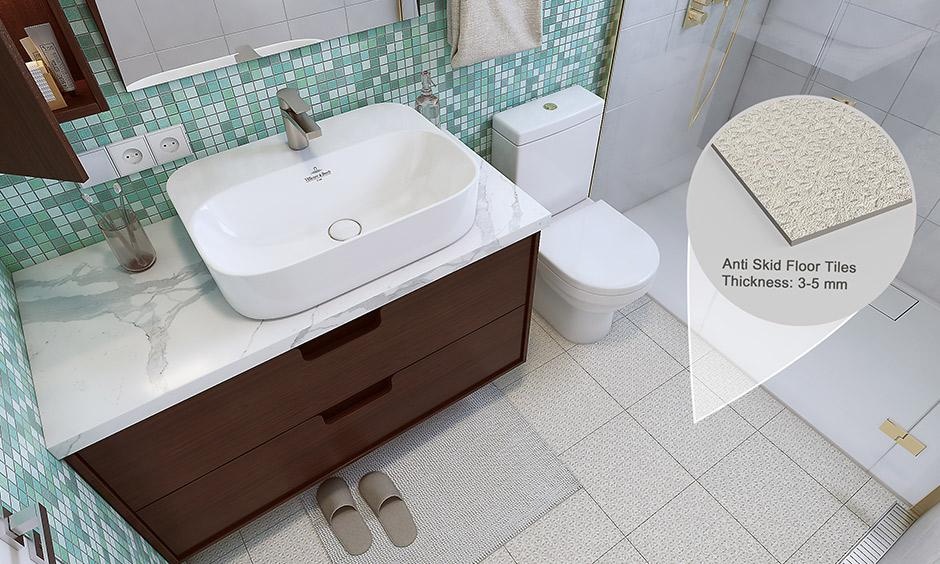
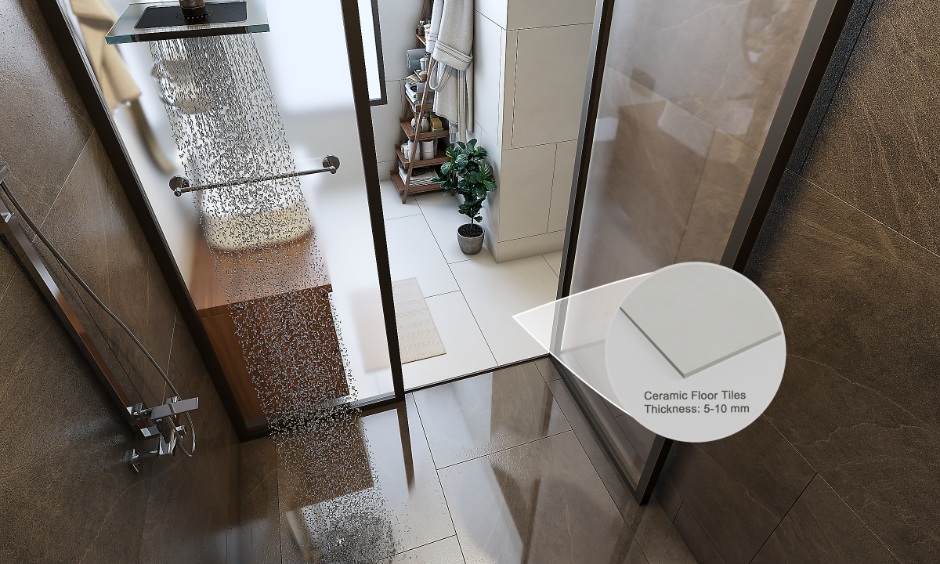
This surprises most homeowners: large tiles can actually make small bathrooms feel bigger. Why? Fewer grout lines mean less visual clutter. That’s why tile selection for small bathrooms often includes 60x60cm or rectangular 30x60cm tiles in light shades.If you are wondering about tiles for a small bathroom, consider using light colours and larger formats. Big bathrooms give you more freedom to experiment with patterns and darker tones.
Innovative Bathroom Interior Designs


Bathroom Tiles Selection: How Finish and Texture Impacts the Safety and Style?
Finish changes everything. Glossy tiles are shiny and reflect light. That’s why glossy tiles for bathroom walls can make a space feel brighter and more spacious. But they also show water spots more easily.
Matte tiles have a soft, non-shiny surface. They are easier to maintain and safer for floors. Textured tiles have a slightly rough feel, which adds grip — perfect for showers.If you love a sleek look, choose a modern tile design in glossy porcelain and pair it with matte floors.
Designer Tip: Keep walls glossy for brightness, but choose matte or textured tiles for floors to prevent slipping.
How to Make Your Bathroom Tiles Work Together?
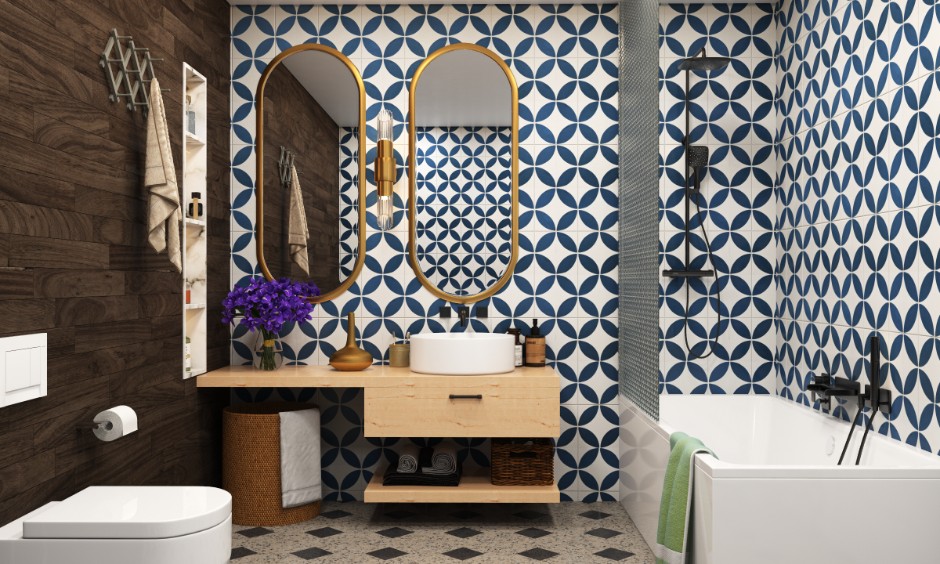
The smartest approach to bathroom tile ideas is simple: pick one ‘hero tile’ first. That’s the tile you fell in love with. Then choose one or two supporting designs in neutral tones. Stop at three total tile types — more than that feels chaotic.
Popular bathroom tile selection ideas right now include earthy neutrals, handmade-look textured tiles, classic subway in herringbone (a zigzag pattern), and bold patterned floors with plain walls.
Here’s a quick style guide:
| Bathroom Style | Floor Tile | Wall Tile | Grout Color |
| Modern/Minimalist | Large format matte porcelain | Glossy white or light grey | White or light grey |
| Traditional/Classic | White subway brick layout | Neutral ceramic | Soft white |
| Spa/Zen | Natural stone-effect, earthy | Matte textured in warm beige | Matching tone grout |
| Bold/Statement | Geometric-patterned floor | Plain white wall | Contrasting dark grout |
| Small Bathroom | Light 60x60cm large format | Vertical stacked subway | White (to open space) |
Designer Tip: Build around your hero tile. This one rule prevents the mismatched look that happens when everything competes for attention.
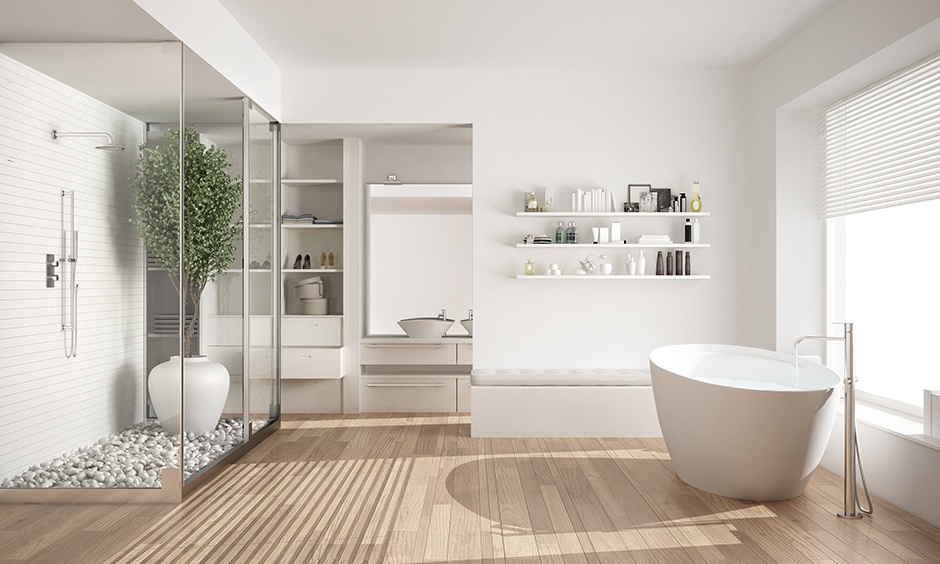

The Safety Checks You Should Never Skip While Choosing Bathroom Tiles
Bathrooms are tough on materials. You need waterproof tiles for bathroom areas, especially near showers and tubs.
Slip resistance matters too. Tiles have a slip rating — a number that tells you how much grip they offer. Higher numbers mean more traction. The PEI rating (Porcelain Enamel Institute) measures how resistant a tile is to wear — higher numbers mean tougher tiles.
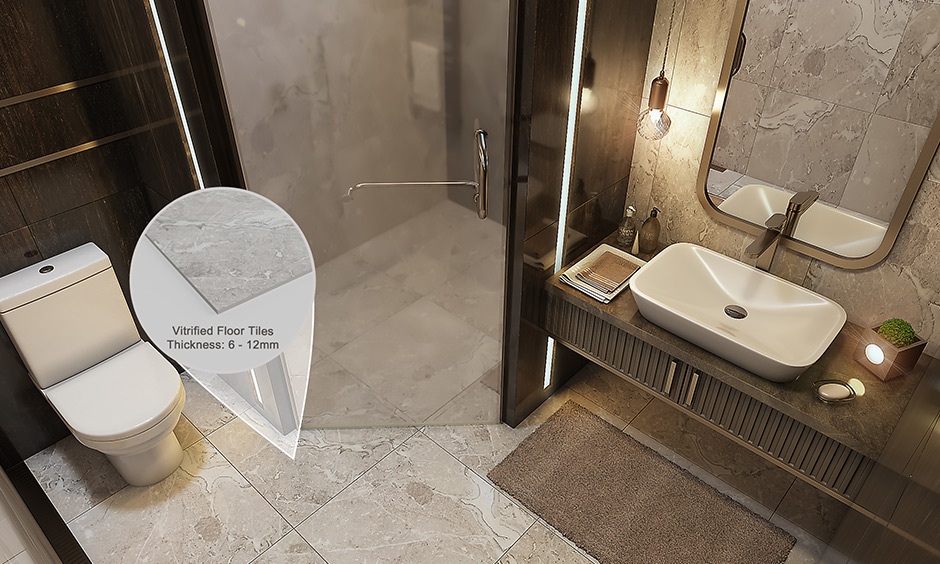
The best tile material for flooring is usually porcelain or vitrified. Vitrified tiles for bathroom flooring are heat-fused at very high temperatures, making them almost non-porous (they barely absorb water).
Designer Tip: For shower floors, look for slip ratings like R10 or P4. Those numbers mean better grip and safer mornings.
Premium Bathroom Tiles Beckoning? Learn Where to Spend and Where to Save
Tile cost is more than the sticker price. Add installation, grout, waterproofing layers, and 10-15% extra for breakage and cuts.
Premium tiles often offer better stain resistance and longer warranties. That can save money long term. Still, you don’t need luxury everywhere. Invest in the best tile for the bathroom floor in your budget, since replacing it later is difficult.
Conclusion
You don’t need to second-guess yourself anymore. Choosing well isn’t about being a design expert — it’s about being clear on what matters most in your bathroom.
Set your budget. Decide on your top priority. Choose a hero tile. Pair it with practical finishes. Double-check safety and layout. That simple process is the real answer to how to pick bathroom tile without regret.
When you lead with function and support it with style, the fear fades. What’s left is a bathroom that looks good, feels safe, and works beautifully every single day.
Want more room-by-room renovation guides? Head to our blog for more bathroom tile ideas, design inspiration, and practical renovation tips.
Still not sure which tile is right for your bathroom? Our design consultants love this stuff — book a free consultation, and we’ll walk you through every decision, step by step.
FAQs
1. How to pick bathroom tile for wet and dry areas?
Use slip-resistant, low-absorption tiles like porcelain or vitrified varieties for wet zones (shower and near the tub). In dry areas, you have more flexibility in finishes and textures, but keep safety in mind for floors.
2. How to pick bathroom tile within a specific budget?
Set your total budget first, including installation and 10-15% extra tiles. Spend more on floor tiles for durability, and choose cost-effective ceramic or porcelain for walls to balance costs.
3. How to pick bathroom tile in the right size and shape?
In small bathrooms, larger tiles with fewer grout lines make the space feel bigger. In larger bathrooms, you can experiment with shapes like rectangles or subtle patterns without overwhelming the room.
4. How to pick bathroom tile that is easy to maintain?
Choose porcelain or vitrified tiles with a matte finish. They resist stains, absorb less water, and show fewer water spots compared to glossy or natural stone tiles.
5. How to pick bathroom tile for a small bathroom space?
Go for light-coloured, large-format tiles to create an open feel. Keep the grout colour similar to the tile to avoid visual breaks that make the room look smaller.
6. How to pick bathroom tile finish: matte or glossy?
Use glossy tiles on walls to reflect light and brighten the space. Choose matte or textured finishes for floors to prevent slipping and reduce visible water marks.
7. How to pick bathroom tile for long-term durability?
Look for porcelain or vitrified tiles with a high wear rating. These tiles resist moisture, scratches, and daily wear for years.