Select Category


AI Summary
3 key insights · 1 expert tipReconnect your home with nature through biophilic design, integrating natural elements to create healthier, calmer, and more restorative living spaces for improved well-being.
KEY INSIGHTS
- Biophilic design prioritises natural light, plants, and organic materials to reduce stress and enhance mood.
- Budget-friendly options include indoor plants, natural fibre rugs, and wooden accessories.
- Mistakes to avoid are overcrowding with plants and using artificial materials that poorly mimic nature.
 DESIGNCAFE EXPERT TIP
By our design team
DESIGNCAFE EXPERT TIP
By our design team
Create a natural experience through materials, light, textures, and spatial design for interiors that feel calming and connected to nature.
Reconnect your home with nature through biophilic design, a thoughtful approach that blends natural materials, light, and greenery to create healthier, calmer interiors.
Modern homes often prioritise efficiency and aesthetics, but many overlook a critical element: our connection to nature. Biophilic design addresses this gap by incorporating natural elements into interior spaces.
As urban lifestyles become increasingly fast-paced and stressful, people are seeking homes that promote calm and well-being. Research suggests that exposure to natural environments can reduce stress levels and improve focus. This is why it is gaining popularity among architects and interior designers worldwide.
By thoughtfully integrating nature into interiors, homeowners can create spaces that feel healthier, brighter, and more restorative.

What Is Biophilic Design?
Biophilic design is a design philosophy that aims to reconnect people with nature inside built environments.
The term ‘biophilia’ literally means love of nature. In interior design, this concept translates into spaces that incorporate natural light, plants, organic materials, and nature-inspired forms.
Examples of this design’s features include:
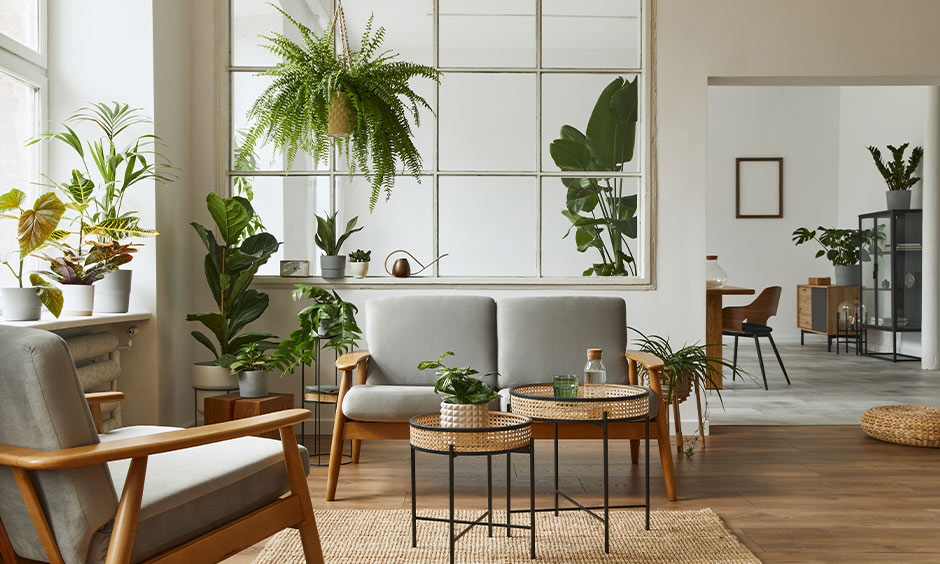
- Indoor plants and green walls
- Natural wood furniture
- Stone textures and finishes
- Large windows for natural light
- Water features
- Natural colour palettes
These elements work together to create interiors that feel more natural, calming, and balanced.
Why Biophilic Design Matters?
The benefits of this design philosophy go beyond aesthetics.
In urban environments where access to nature is limited, incorporating natural elements into interiors helps improve both mental and physical well-being.
Benefits of Biophilic Design
| Benefit | Impact |
| Stress reduction | Natural elements create calming environments |
| Improved air quality | Indoor plants filter pollutants |
| Better productivity | Natural light enhances focus |
| Improved mood | Nature exposure boosts mental wellness |
| Healthier homes | Natural materials reduce toxins |
These benefits are especially important for modern city dwellers.
The Science Behind Biophilic Design
Humans have evolved in close contact with nature. Studies show that natural environments help regulate stress hormones and improve cognitive performance.
The biophilic design concept is rooted in environmental psychology and neuroscience, which demonstrate that exposure to natural elements can:
- Lower blood pressure
- Improve concentration
- Increase happiness levels
- Reduce mental fatigue
This scientific foundation is why biophilic home design is widely adopted in wellness-focused architecture.
Core Principles of Biophilic Design
Successful biophilic interior design relies on a few key principles.
Core Biophilic Design Principles
| Principle | Description |
| Natural Light | Maximising daylight in interiors |
| Natural Materials | Wood, stone, bamboo, and clay |
| Organic Shapes | Curves and patterns inspired by nature |
| Indoor Greenery | Plants and vertical gardens |
| Natural Ventilation | Fresh air circulation |
| Visual Connection to Nature | Views of greenery or landscapes |
These principles help create interiors that feel connected to the natural environment.
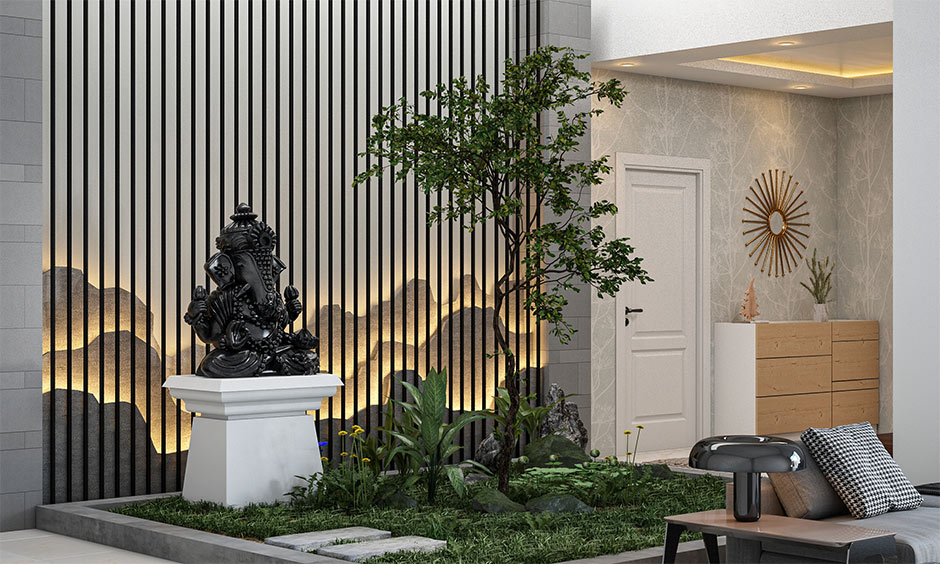
Common Misconception: Is Biophilic Design Just Plants?
One of the biggest misconceptions about this design philosophy is that it only involves adding plants.
While greenery is important, biophilic interior design also includes:
- Natural textures and materials
- Daylight and airflow
- Nature-inspired patterns
- Water elements
- Outdoor views
In other words, plants are only one part of the larger biophilic design strategy.
Trending 2BHK Interior Designs




How to Apply Biophilic Design in Your Home?
You can easily incorporate this design into your home with simple changes.
Examples include:
- Adding indoor plants
- Using wooden furniture
- Installing large windows
- Introducing natural fabrics like linen or cotton
- Using earthy colour palettes
Even small design choices can help create a biophilic home design.
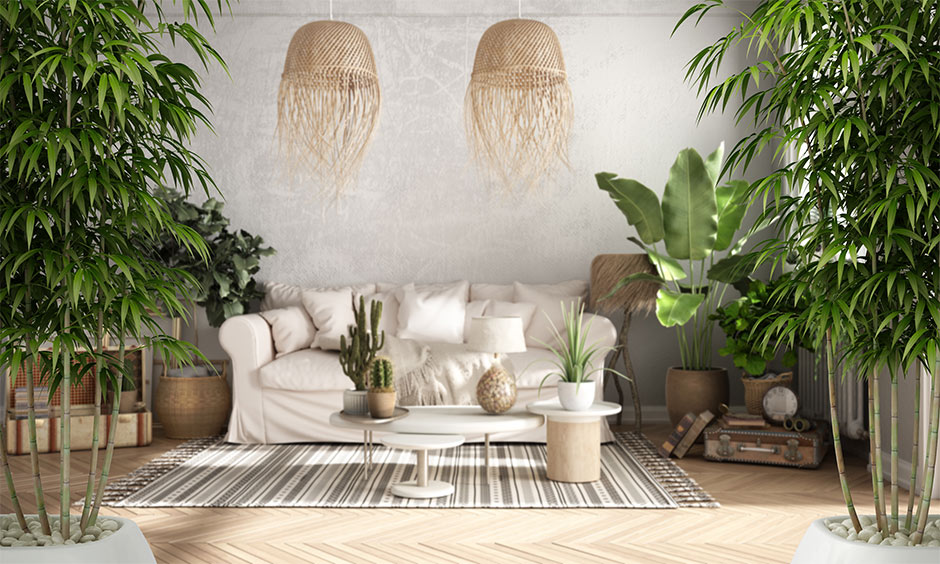
What are the Six Elements of Biophilic Design?
Design experts often refer to six essential elements that define biophilic design.
| Element | Example |
| Environmental Features | Plants, water, sunlight |
| Natural Shapes | Organic patterns and curves |
| Natural Patterns | Leaf motifs or stone textures |
| Light and Space | Open layouts and daylight |
| Place-Based Relationships | Local materials and cultural context |
| Human-Nature Relationships | Sensory experiences of nature |
These elements work together to create meaningful connections between people and nature.
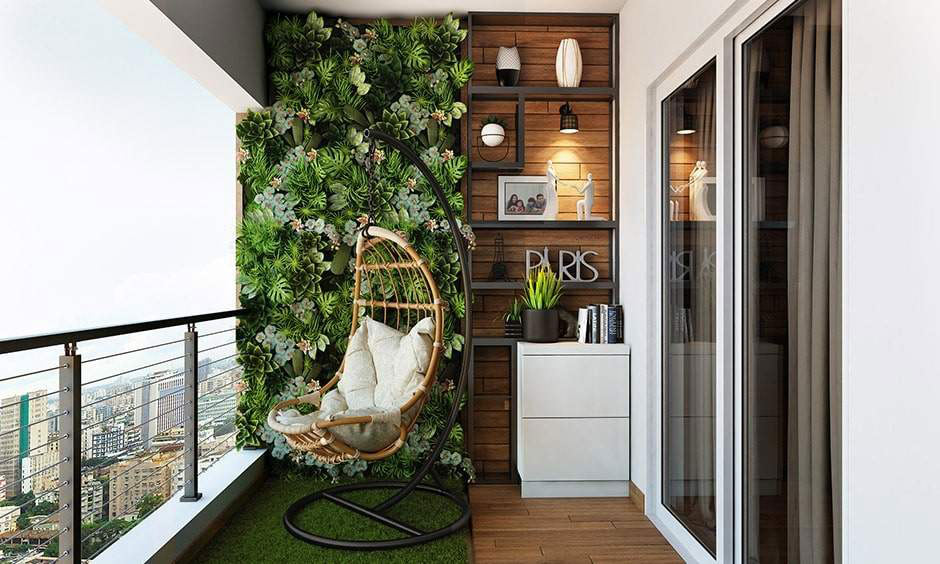
Room-Wise Application in Biophilic Design
Different rooms can incorporate biophilic interior elements in different ways.
Living Room
- Indoor plants
- Natural wood furniture
- Large windows
Bedroom
- Linen bedding
- Wooden headboards
- Soft earthy colours
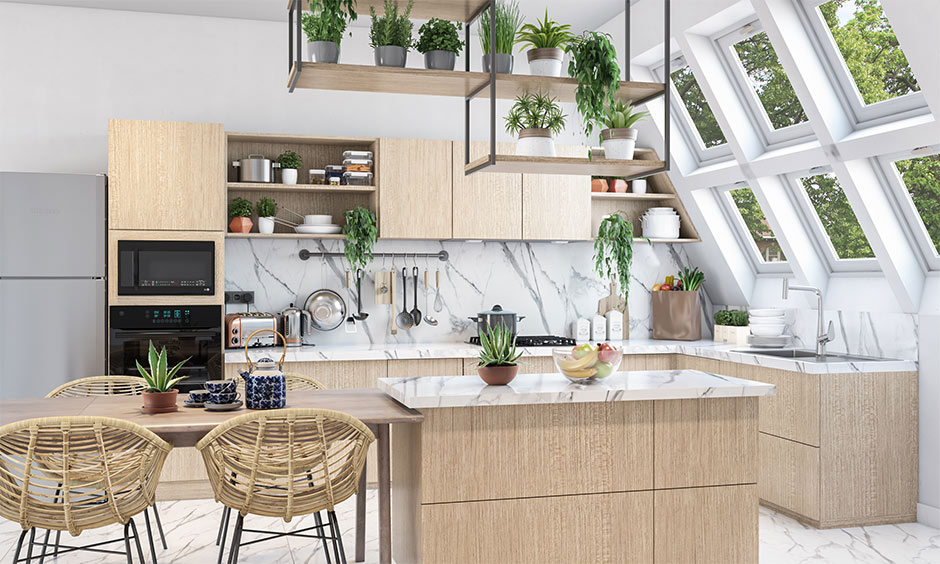
Kitchen
- Stone countertops
- Herb gardens
Bathroom
- Natural stone tiles
- Skylights
- Indoor plants
Biophilic bathroom design is especially popular because it creates a spa-like atmosphere.
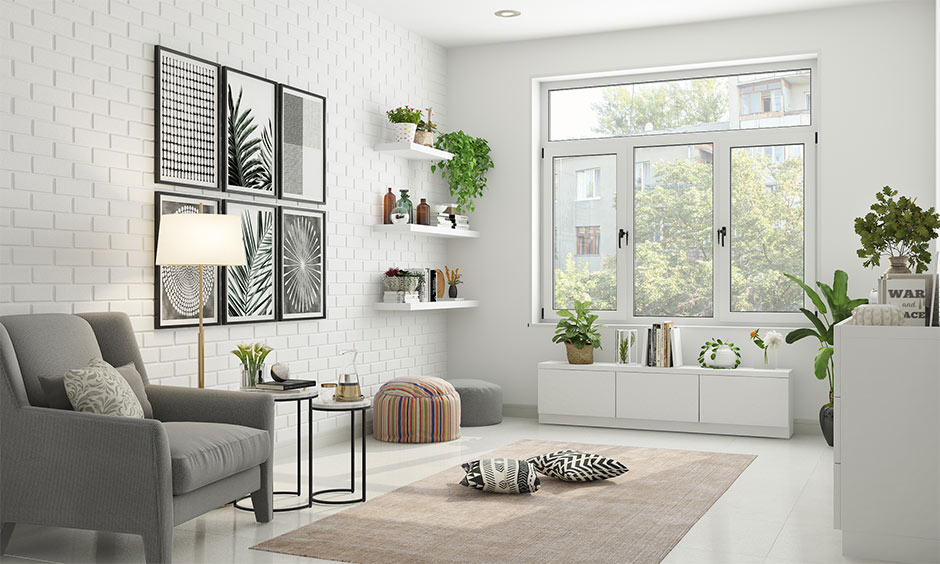

Budget & Maintenance Considerations in Biophilic Design
Biophilic interiors do not always require expensive renovations.
Budget-friendly options include:
- Indoor plants
- Natural fibre rugs
- Wooden accessories
- Bamboo furniture
Maintenance is usually minimal. Regular plant care and occasional cleaning of natural materials are sufficient.
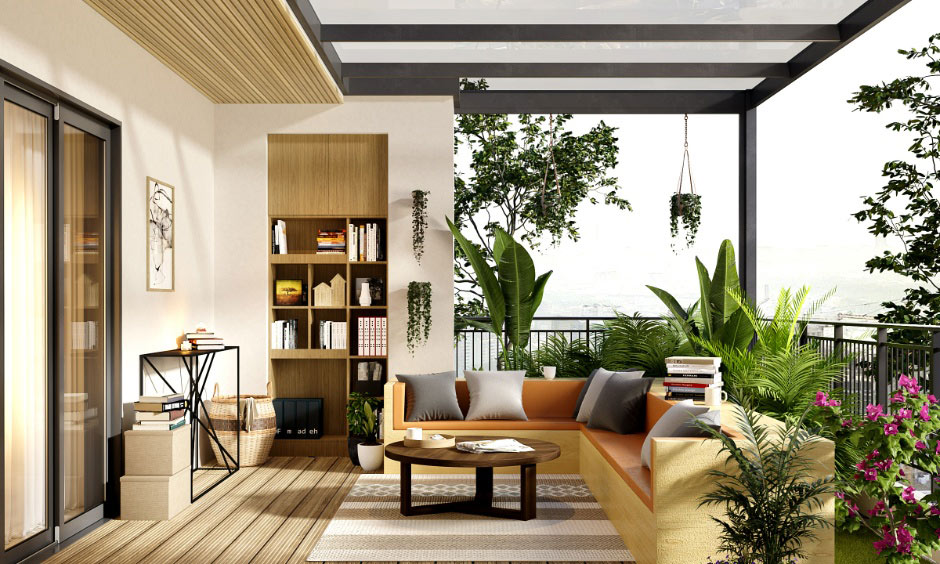
How to Avoid Common Mistakes in Biophilic Design Principles?
When implementing this interior style, avoid these mistakes:
- Overcrowding with plants
- Ignoring natural lighting
- Using artificial materials that mimic nature poorly
- Choosing plants unsuitable for indoor environments
Balance and thoughtful design are key.
Biophilic Design & Wellness (Design 101 Angle)
One of the biggest advantages of biophilic interior design is its impact on wellness. Homes designed with nature-inspired elements can:
- Reduce stress
- Improve sleep quality
- Increase productivity
- Promote relaxation
This is why this design is often used in wellness-focused homes, offices, and healthcare spaces.
Is Biophilic Design Right for Your Home?
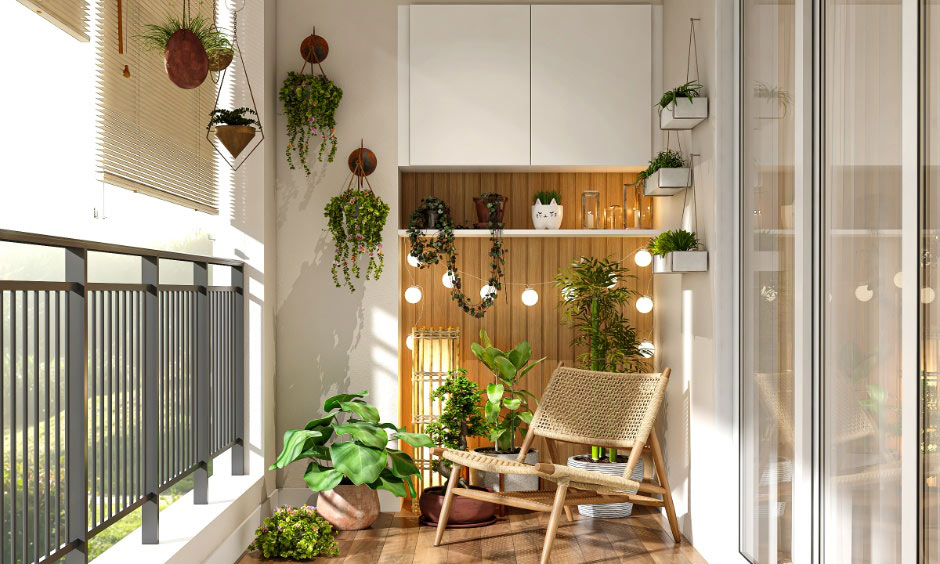
The beauty of biophilic home design is that it works for almost any home type.Even small apartments can incorporate nature through:
- Balcony gardens
- Natural lighting
- Wooden furniture
- Indoor plants
So yes, this design can work beautifully even in compact urban homes.
Design 101 Summary in Biophilic Design
To summarise:
- Biophilic design reconnects interiors with nature.
- It improves wellness, mood, and comfort.
- Natural materials, light, and greenery are essential elements.
- It can be implemented in both large homes and small apartments.
This makes it one of the most meaningful interior design trends today.
Conclusion
Biophilic design is more than a trend; it’s a design philosophy that prioritises wellbeing, comfort, and connection with nature. By incorporating natural materials, greenery, daylight, and organic forms, homeowners can transform their interiors into calming and restorative spaces.
Whether it’s a plant-filled living room, a nature-inspired bedroom, or a relaxing biophilic bathroom, small changes can significantly impact how a home feels and functions.
If you are planning to create a nature-inspired interior, talk to a Designer today and discover how thoughtful biophilic design can transform your home into a healthier, more harmonious living space.
FAQs
1. How is biophilic design different from plants and green decor?
While plants are a key part of biophilic design, the concept goes far beyond simply adding greenery. Biophilic interior design focuses on creating a deeper connection with nature through elements like natural light, airflow, organic materials, nature-inspired patterns, and views of outdoor landscapes. Plants contribute to the design, but true biophilic design also includes textures like wood and stone, natural colour palettes, and spatial layouts that mimic natural environments.
2. Why should I care about biophilic design for my home?
Incorporating biophilic design in your home can significantly improve well-being. Studies show that spaces connected to nature can reduce stress, improve focus, and enhance mood. In urban environments where access to greenery is limited, biophilic home design helps recreate natural experiences indoors, making interiors feel calmer, healthier, and more comfortable.
3. What are direct vs indirect biophilic elements?
Direct biophilic elements involve actual natural features such as plants, sunlight, water, and fresh air. These create a direct sensory connection to nature. Indirect biophilic elements mimic nature through design choices like natural materials, organic shapes, earthy colours, and nature-inspired patterns. Both types play an important role in creating a balanced biophilic interior design.
4. Can I apply biophilic design in a small apartment?
Yes, biophilic design works well even in compact apartments. Simple additions like indoor plants, natural wooden furniture, large windows for natural light, and nature-inspired colours can help create a calming environment. Even a small balcony garden or indoor herb planter can enhance biophilic home design without requiring large spaces or major renovations.