Select Category


AI Summary
3 key insights · 1 expert tipFalse ceiling designs for small rooms use colours, profiles, and lighting to visually enhance height, brightness, and openness without structural changes.
KEY INSIGHTS
- Ceiling upgrades can be budget-friendly, focusing on paint and simple profiles rather than extensive renovations.
- Light colours and slim profiles on ceilings, especially near walls, help reflect light and create an illusion of space.
- Mixed materials or subtle patterns over key zones can define spaces without partitions, enhancing functionality in compact layouts.
 DESIGNCAFE EXPERT TIP
By our design team
DESIGNCAFE EXPERT TIP
By our design team
In smaller rooms, aim for 70-80% of the ceiling to remain light, simple, and clutter-free, using subtle profiles or cove lighting for accents.
Smart ceiling tricks to help small rooms feel taller, brighter, and more open.
If you live in a city home, you have probably watched your spaces slowly shrink. A big childhood house becomes a compact flat or a rented room where the furniture fights for the same few square feet. You still want your home to feel airy and calm, but the walls already feel too close. The ceiling is your quiet fifth wall. Treated well, it can pull the eye upward, create the illusion of extra height, and make even a tiny room feel more open. A thoughtful false ceiling design can guide the light, frame the room, and gently stretch the space without changing the actual square footage.
In this blog, we will see how ceilings can transform your home, with simple ideas that make small rooms feel like they can finally breathe again.

Why Small Ceiling Design Matters so Much?
In a small room, every surface has a job to do. The floor holds your furniture. The walls carry storage, artwork, even windows and doors. The ceiling is the only plane that is still ‘free’. That is why it has so much power. The right small-room false-ceiling design can do things your furniture cannot. It can visually lift the height of the room. It can bounce light better, so corners do not look dark and cramped. It can hide beams, wiring, ductwork, and uneven slabs, making the space feel cleaner.
A planned ceiling also helps with zoning. You can subtly mark out a dining corner in a living room. Or create a cosy sleeping zone in a compact bedroom without adding partitions. When the ceiling is designed well, the whole room feels more intentional. Less cluttered. More open.
Key Things to Know Before Choosing a Small False Ceiling Design
- Check the Room Height
Look at how low or high your ceiling is. Low ceilings need slim layers and clean lines. Higher ceilings can take a bit more play with shapes and levels. - Map the Natural Light
Notice where sunlight enters from—windows, balcony doors, and even a small ventilator. Your ceiling should help this light travel, not block it. Avoid bulky boxes near windows. - Think About How You Use the Room
Do you sleep, work, watch TV, or host guests here? This decides where you need focused lighting and where you can keep it softer and calmer. - Check What is Hiding Above
Beams, wiring, AC ducts, pipes, or sprinklers- Your ceiling design has to work around these, so there are no awkward cuts or bulky drops. - Be Clear About Budget and Upkeep
Some designs look stunning but are hard to clean or repair. If you want low maintenance, choose a simple ceiling design for small house that you can dust easily and upgrade later with lights or paint.
Best New Ceiling Design Ideas to Open Up Small Rooms
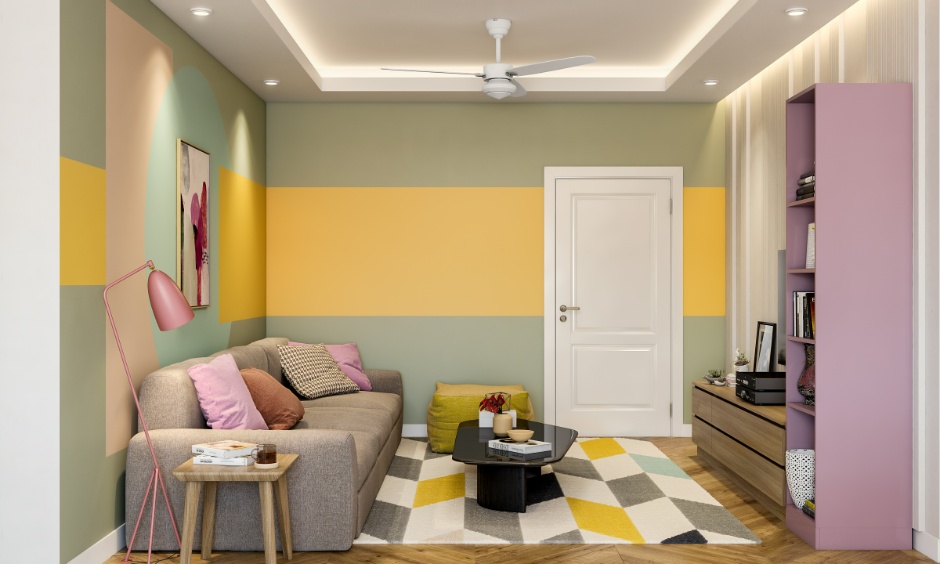
Here are some ceiling ideas that quietly stretch a small room without making it feel busy.
- Softly Lit Border Ceiling
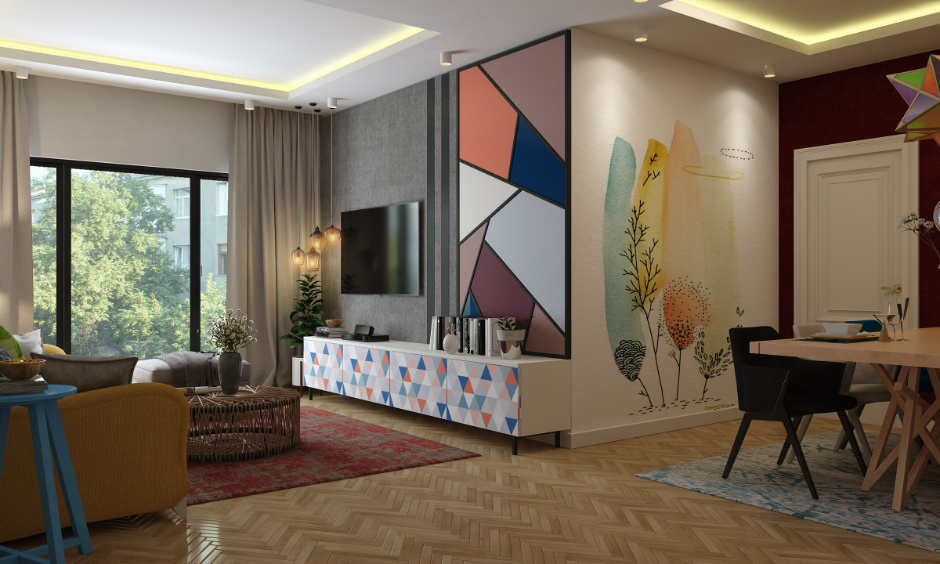
Create a slim frame around the edges of the ceiling with a shallow drop and hidden strip lights. This pushes light towards the walls, making them feel taller. The centre stays plain and clean, so the room feels open rather than crowded. - Central Floating Panel
Add a light, floating panel in the centre of the ceiling, leaving a slim gap all around. Use this for recessed lights or a statement pendant. The negative space around the panel tricks the eye into seeing more height and gives the room a calm, layered feel. - One-direction Grooves or Beams
Use very thin wooden slats or V-grooves in one direction only. When they run along the length of the room, they visually stretch it and guide the eye forward. Keep the colour close to the ceiling shade so it feels subtle, not heavy. - Light Colour Band Near the Walls
Instead of a plain white slab, paint a soft, lighter band near the edges and keep the centre just a tone deeper. This gentle shift adds depth, softens corners, and gives a small room a more airy feel. - Mixed Material Strip Over Key Zones
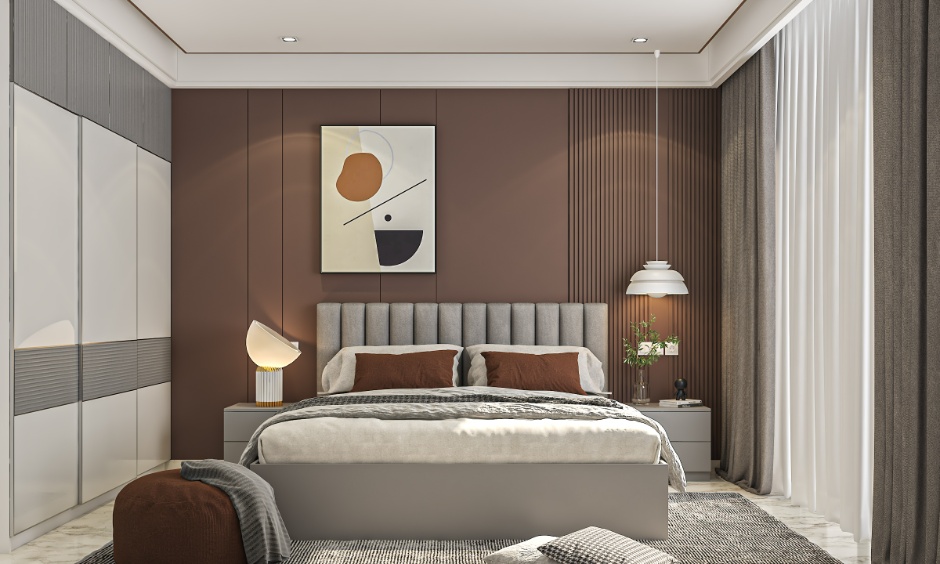
Use a narrow strip of wood, a fluted panel, or a different texture over the bed, sofa, or dining table. It creates a visual zone without partitions. This works beautifully when you want a cosy corner in a compact layout, especially for a neat small bedroom ceiling design. - Slim Recessed Tray With Cove Lighting
A shallow tray in the middle of the ceiling with cove lights tucked inside can add just enough drama. It brightens the ceiling plane and removes harsh shadows, which instantly makes the whole room feel wider and more relaxed.
Lighting Techniques That Enhance Small Ceiling Design Height
Good lighting can almost “stretch” a room without touching the walls. Here are a few easy tricks:
- Bounce Light Off the Walls
Use wall washers or cove lights that let light slide down the walls rather than only point straight down to the floor. Bright walls make the ceiling feel higher. - Keep the Light Source Hidden
Concealed strips and diffused panels soften shadows. Fewer harsh spots means the ceiling line looks cleaner and less boxy. - Layer Light Without Bulk
Mix recessed spotlights, slim surface-mounted fixtures, and one pendant light if needed. This works very well with a compact, small-kitchen false-ceiling design where you want brightness but not heavy fittings. - Make the Centre Slightly Brighter
A soft glow in the middle of the room, with gentler light near the edges, draws the eye up and in, making the ceiling feel taller and lighter.
Modern 2BHK Interior Designs




Room-wise False Ceiling Design for Your Home
Different rooms need different ceiling tricks. Here is how you can use that fifth wall smartly in each space.
- Small Bedroom
Keep it calm. A slim border with soft cove lighting around the bed zone works well. Use gentle, warm light so the room feels cosy, not cramped. Avoid heavy patterns right above the pillow, so your mind can switch off easily. - Living Room
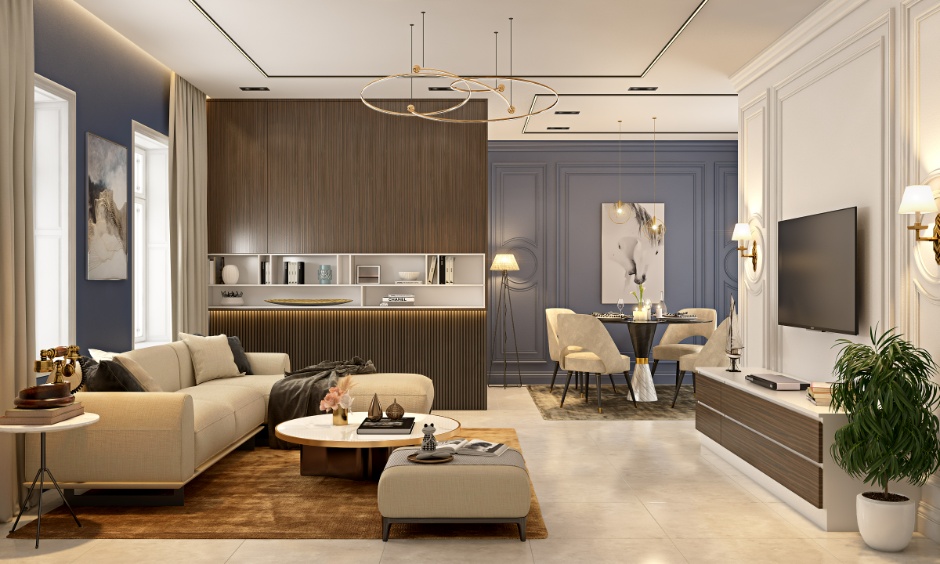
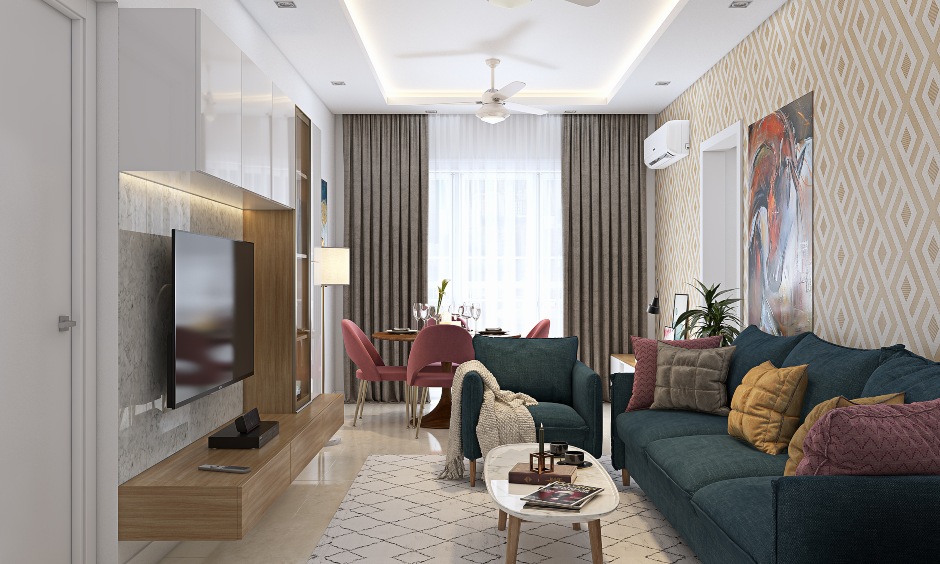
Think of this as your main stage. A neat false ceiling design for small living room can frame the seating area without covering the whole ceiling. Try a floating rectangle above the sofa with recessed lights, and keep the rest of the ceiling flat and light-toned. - Dining Corner in a Compact Home
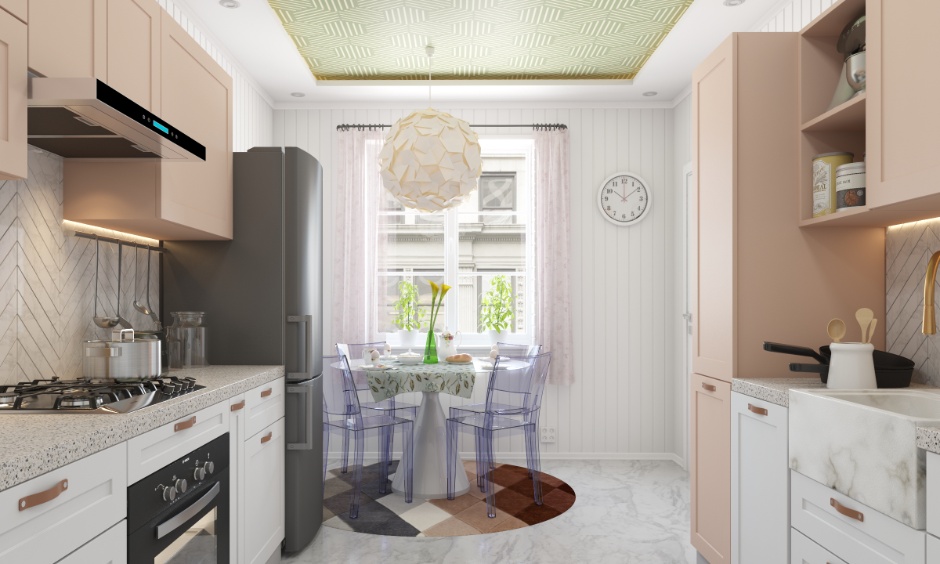
If your dining table shares space with the living area, use the ceiling to quietly mark it. A small circular or square panel with a pendant above the table creates a ‘zone’ without adding a partition. Keep the panel slim so it does not make the space feel low. - Tiny Kitchen
A recessed panel above the kitchen dining nook draws the eye up and makes the space feel special. Keep the rest of the ceiling plain and light so the kitchen still feels open. - Small Bathroom
Moisture is the main concern here. Choose water-resistant materials and keep the design fuss-free. A single recessed panel with a hidden light can brighten the entire space and eliminate shadows in corners. Light colours on the ceiling help the room feel taller. - Narrow Hall or Passage
In long, tight corridors, use slim linear lights running along the length. This pulls the eye forward and stops the space from feeling like a tunnel. Avoid too many cut-outs or drops here. Simple lines make the passage feel longer and easier to walk through.
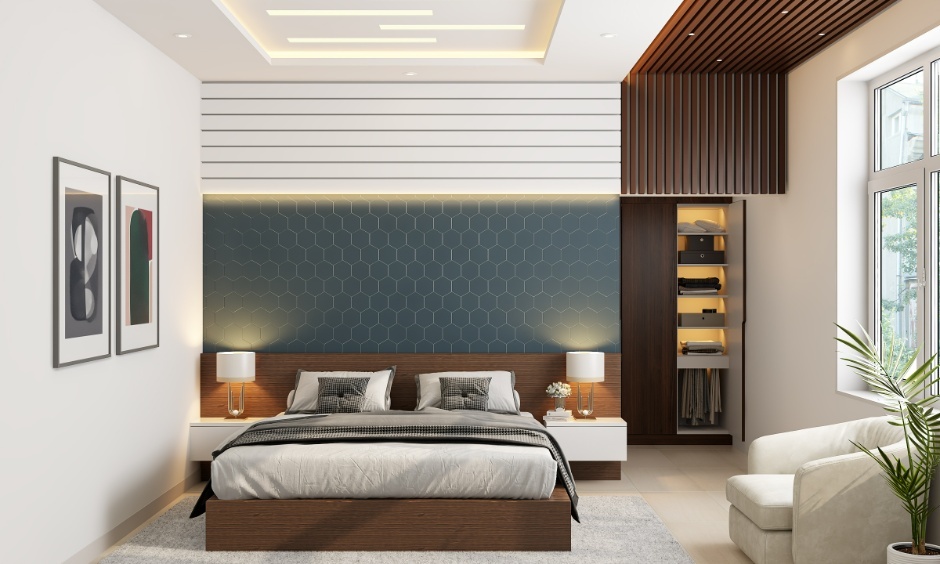
Ceiling Design for Small Hall and Rooms Mistakes to Avoid
Even the nicest idea can go wrong with a few small missteps. Watch out for these.
- Putting too many levels on a low ceiling. Thick boxes, multiple drops, and heavy frames eat into height. In a compact room, stick to slim profiles and one simple shape.
- Using dark colours overhead. A deep shade on the ceiling can feel stylish in a big room, but in a small one, it brings the ceiling visually closer. Keep it light and soft, and use darker tones only in thin bands or accents.
- Blocking windows and natural light. Extending the ceiling too low near a window or door can cut off light and make the room feel closed. Always leave space for sunlight to travel across the ceiling and walls.
- Choosing bulky chandeliers or fans. Oversized statement pieces hang low and can make you feel like the room is closing in. Go for sleek fixtures that sit closer to the ceiling but still look smart.
- Ignoring moisture and cleaning. In wet areas, using the wrong material for a small bathroom false ceiling design can lead to sagging, stains, or mould. Pick moisture-resistant boards and finishes that you can wipe clean easily.
- Adding too many random light points. A grid of spotlights everywhere creates clutter and harsh shadows. Plan a few key spots, add soft cove or indirect lighting, and keep the layout neat and intentional.
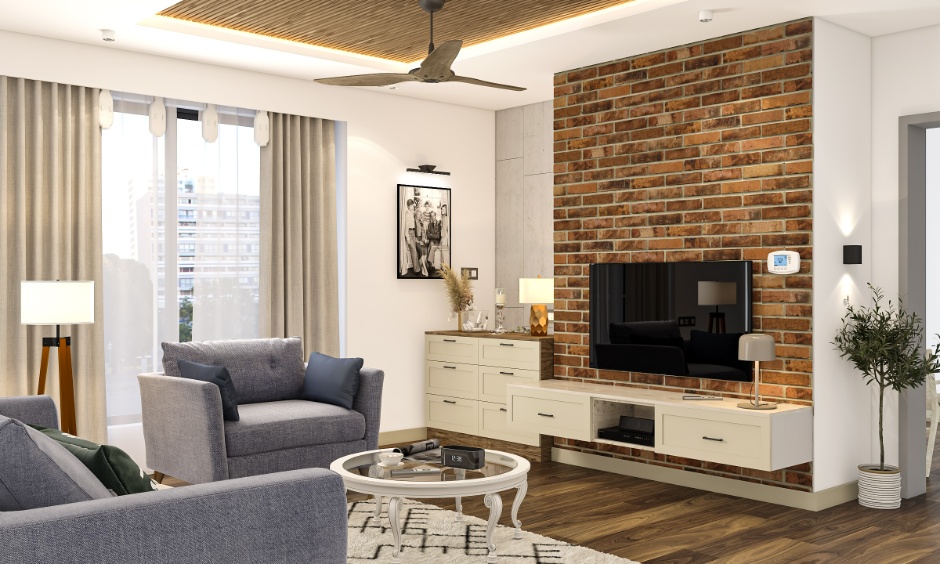
False Ceiling Design vs No False Ceiling: What Works Better for Small Rooms?
You can make a small room look bigger with both options. Here is a quick comparison to help you decide what suits your home better.
| Option | Best When | Benefits | Things to Remember |
| False Ceiling | There are beams, wiring, AC ducts, or an uneven slab you want to hide. | Gives a neat, hotel-like finish and lets you plan lights exactly where you need them. | Can reduce height a little, so keep profiles slim and lines clean in a small ceiling design. |
| No False Ceiling | The room height is already low, and you want it to feel as open as possible. | Keeps the full original height and feels light, airy, and simple. | Use smart paint, slim surface lights, or a soft border band |
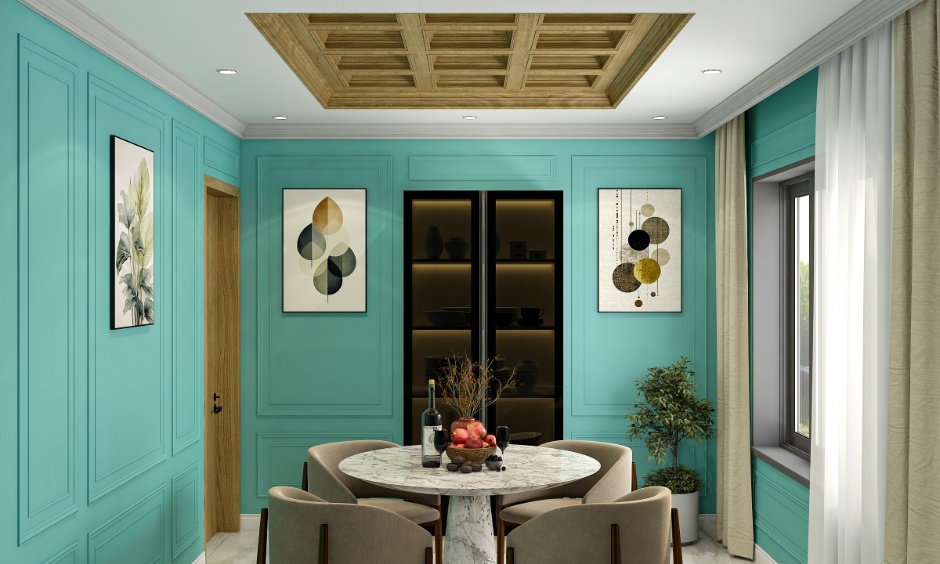
Budget-Friendly Small False Ceiling Design Ideas
You do not need an expensive ceiling to make a small room feel bigger. A few smart choices can keep both costs and clutter low.
- Work With a Smaller Area, Not the Whole Room
Instead of covering the entire ceiling, treat only one zone. For example, a compact small kitchen false ceiling design just above the work counter for lights, while the rest stays flat. Less material. Less labour. Same impact. - Choose Slim, Simple Profiles
Straight lines and single-level drops cost less than complex shapes. Ask for narrow borders, shallow trays, and basic grooves instead of curves or multiple layers. - Use Paint as a Design Tool
A soft colour band along the edges, or a slightly deeper shade in the centre, can mimic the effect of a design without extra boards. You spend on paint, not carpentry. - Reuse Existing Light Points
Plan the ceiling around the existing wiring. You can still add a border or panel, but keep most light points where they are to avoid heavy electrical work. - Mix Ready-Made Elements With Simple Boards
Use off-the-shelf cornices, trims, or a single decorative panel in one area, and keep the rest plain. This gives character without a fully customised ceiling. - Do it in Phases
Start with the basic structure and essential lights. Add cove lighting, pendants, or small details later when the budget allows. The room still benefits from a cleaner, better-planned ceiling from day one. - Use Wallpaper Inside a Shallow Tray
Add a pattern or colour only inside a slim recessed tray and keep the rest of the ceiling plain. You get a stylish look with less material and easy future updates.
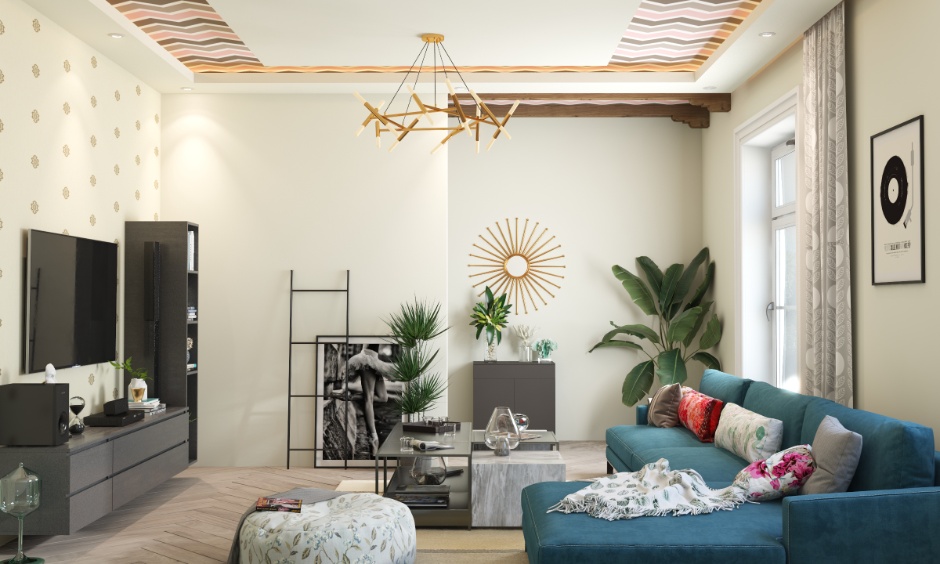
You may not be able to add square feet to your home, but you can add light, height, and ease. Your ceiling is that quiet fifth wall that can make a small room feel more open and calm. Whether you keep the slab simple or add a slim false ceiling design, the idea is the same. Use clean lines, soft colours, and smart lighting to pull the eye upwards and gently stretch the space. If you are redoing a compact room or planning a new home, start by looking up. If you are ready to give your small rooms a smarter ceiling, book an appointment or call us now to start designing your home.
FAQs
1. Are false ceiling designs suitable for small rooms?
Yes, they can work very well if you keep the false ceiling design slim, light coloured, and simple, without too many layers or heavy drops.
2. Which ceiling designs help reflect more light in small rooms?
Plain, light-coloured ceilings, shallow trays with cove lighting, and smooth finishes help bounce light around, making the room feel brighter.
3. Are wooden ceiling designs recommended for small rooms?
Yes, but in small doses. Use wood in thin slats, borders, or a single panel, and balance it with plenty of lighter surfaces.
4. What budget-friendly ceiling designs enlarge small home offices?
Use basic boards, simple borders, and paint tricks like a lighter centre or a soft edge band, while reusing existing light points to save cost.
5. How do glossy ceiling designs reflect light in small areas?
Glossy or semi-gloss finishes reflect more light, reduce shadows, and can make a low ceiling feel a bit higher when used in soft, pale shades.
6. Are POP ceiling designs good for compact rooms?
Yes, POP is good for neat, minimal patterns, slim trays, and clean edges that do not eat into the room height.
7. How to choose the right ceiling designs for small apartments?
Look at height, natural light, and how each room is used, then repeat one simple ceiling design for small space theme across rooms so the whole home feels larger and more connected.