Select Category


AI Summary
0 key insights · 1 expert tipSustainable materials for the Bangalore climate should be durable, moisture-resistant, low-toxic and easy to maintain. This blog focuses on eco-friendly materials that suit the city’s pleasant yet changing weather, from sudden rains to mild humidity.
KEY INSIGHTS
Sustainable materials for Bangalore homes that balance style, comfort and long-term use
• Best material options for furniture, flooring, walls, kitchens and decor
• Materials to avoid in Bangalore’s climate
• Cost, maintenance and room-wise material recommendations
• How to choose materials that support healthier home interiors
 DESIGNCAFE EXPERT TIP
By our design team
DESIGNCAFE EXPERT TIP
By our design team
As shared by Megha Kathuria, Studio Manager, DesignCafe, “For Bangalore homes, sustainability should always go hand in hand with climate suitability. Choose materials that are low in VOCs, moisture-resistant, and easy to maintain. This helps your interiors stay healthier, fresher and more durable over time.”
Choose eco-friendly, durable, and climate-ready materials to design a Bangalore home that feels fresh, healthy, and built to last.
Bangalore has its own rhythm. Pleasant mornings, warm afternoons, sudden showers, and homes that need to feel fresh through it all. That is why choosing the right sustainable materials for Bangalore climate matters.
The best options are materials that are eco-friendly, durable, low-maintenance, and safe for daily living. From bamboo and reclaimed wood to earthy flooring, exposed brick, low-VOC paints, terrazzo, quartz, and natural fabrics, and indoor plants- this blog will help you pick materials that suit both your home and the easy charm of Namma Bengaluru.
Best Materials For Bangalore Climate And How They Impact Your Home
Bangalore’s weather feels pleasant for most of the year. But sudden rains, mild humidity, dust, and temperature changes can affect home interiors over time.
- Temperature, Humidity, And Seasonal Changes – The city has cool mornings, warm afternoons, and quick weather shifts. Materials must handle moisture, regular use, and small temperature changes without swelling, fading, or warping.
- Common Material Challenges In Bangalore Homes – Homes here often face damp walls, termite issues, swollen shutters, and mould in corners with poor ventilation. Untreated wood and low-quality boards can wear out faster in such conditions.
- Why Sustainability Must Align With Climate Suitability? – A material is sustainable only when it lasts. For Bangalore homes, choose options that are moisture-resistant, low-toxic, easy to maintain, and strong enough for everyday use. This helps your interiors stay beautiful for longer while also supporting a more eco-friendly home.
Sustainable Interior Design Materials That Suit Bangalore Homes
Choosing sustainable materials is not only about going green. It is also about choosing materials that stay strong, safe, and practical in Bangalore’s changing weather.
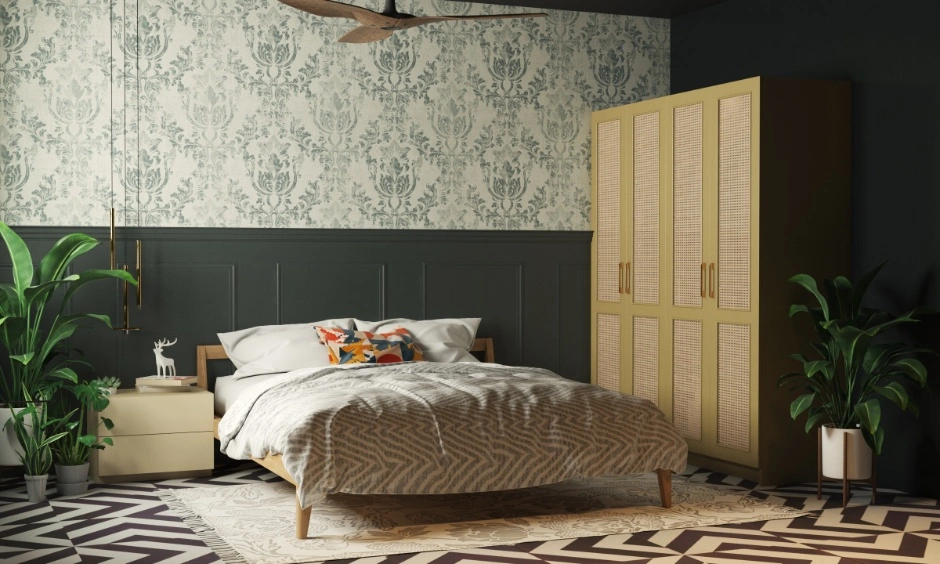
- Eco-Friendliness vs Durability – A material may be natural, but it should also handle daily use. For example, bamboo, reclaimed wood, and certified engineered wood can work well when treated properly. They offer a good balance of style, strength, and sustainability.
- Low VOC, Renewability, And Lifecycle Impact – Low-VOC paints, natural fabrics, recycled panels, and responsibly sourced wood are healthier choices for home interiors. They help reduce indoor air pollution and make your home feel fresher.
- Local Sourcing And Carbon Footprint – Locally available materials are often a smarter choice for Bangalore homes. They reduce transport impact, support quicker sourcing, and are easier to maintain or replace when needed. This makes them a better option for sustainable home design.
Trending 2BHK Interior Designs




Eco-Friendly Materials Bangalore Homes Can Use By Category
The right materials can make your Bangalore home feel fresh, durable, and easy to maintain. Here are some eco-friendly materials Bangalore homes can use for furniture, flooring, walls, kitchens, and decor.
1. Sustainable Wood Alternatives for Furniture & Cabinets
- Engineered Wood – Certified plywood and MDF are practical choices for wardrobes, cabinets, TV units, and storage. Pick moisture-resistant boards for kitchens and utility areas.
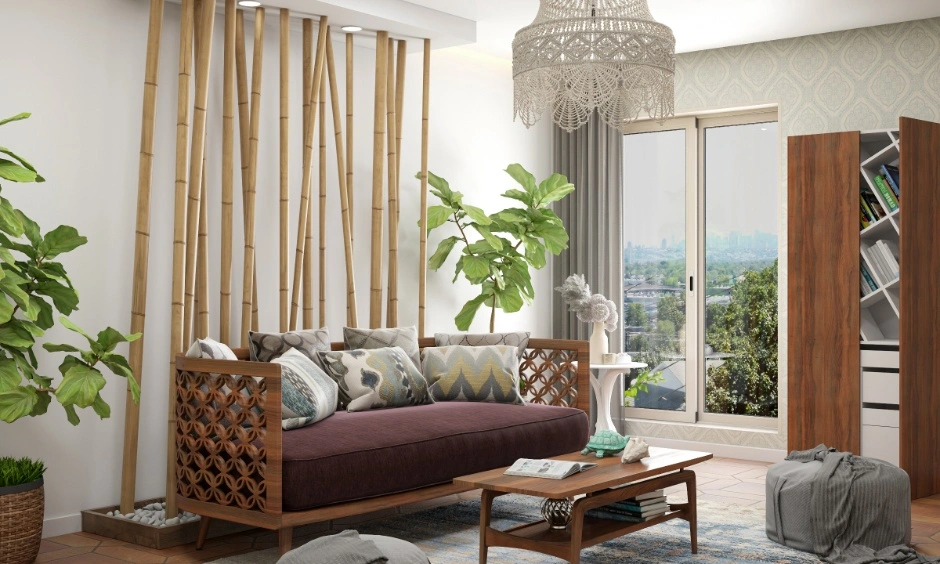
- Bamboo and Cane – Bamboo and cane add a warm, earthy look to your home. They work well for chairs, partitions, decor accents, and light furniture when treated properly.
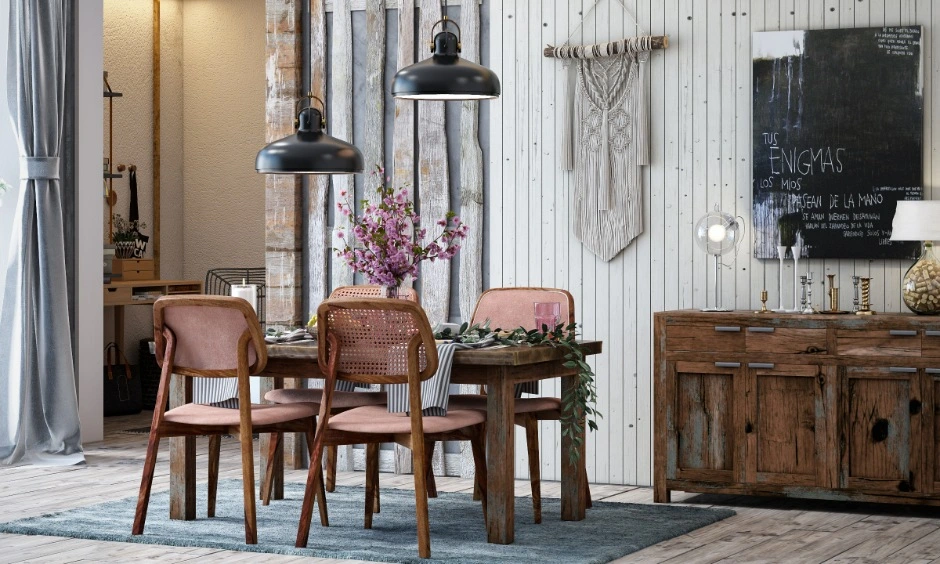
- Reclaimed Wood – Reclaimed wood is a stylish choice for tables, shelves, wall panels, and statement furniture. It reduces waste and brings character to modern interiors.
2. Eco-Friendly Flooring Options
- Vitrified Tiles vs Natural Stone – Vitrified tiles are durable, easy to clean, and better for busy homes. Natural stone looks elegant but needs more care and sealing.
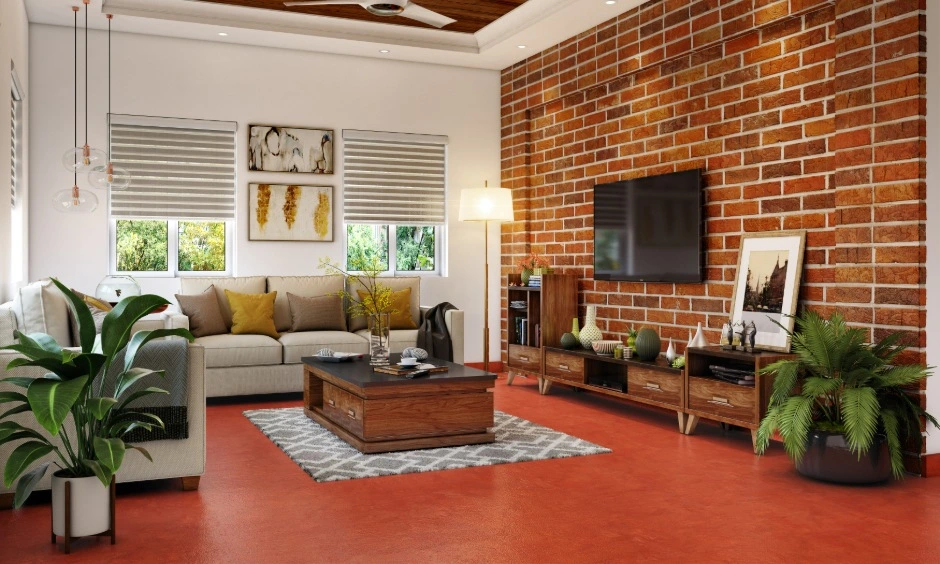
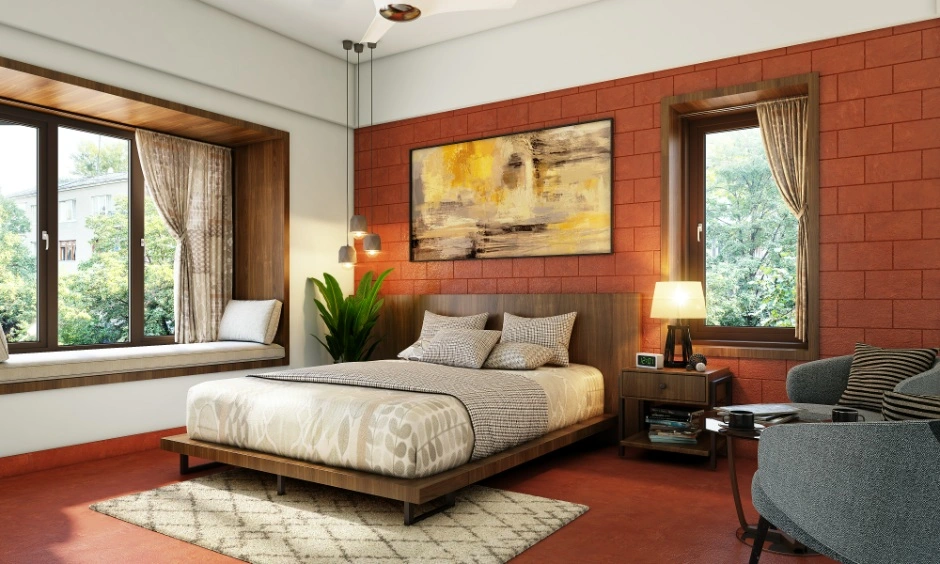
- Terrazzo And Red Oxide Flooring – Terrazzo and red oxide flooring are long-lasting, earthy, and full of character. Red oxide, in particular, brings a warm, rooted look that suits Bangalore homes beautifully. It works well if you want flooring that feels natural, timeless, and easy to maintain with the right finish.Terrazzo is strong, long-lasting, and visually beautiful. It works well for Bangalore homes that need stylish, low-maintenance flooring.
- Cork And Bamboo Flooring – Cork flooring and bamboo flooring bring a natural look. They are best used in dry areas like bedrooms, study rooms, and low-moisture corners.
3. Wall Finishes and Paints
- Low-VOC and No-VOC Paints – Low-VOC paints are a healthier option for indoor walls. They reduce strong paint smells and help improve indoor air quality.
- Lime Plaster and Natural Finishes – Lime plaster gives walls a soft, natural look. It also works well in homes that need breathable wall finishes.
- Recycled Wall Panels – Recycled panels are great for accent walls and decor corners. They add texture without depending on fresh raw materials.
4. Sustainable Materials For Kitchens And Wet Areas
- Quartz vs Natural Stone Countertops – Quartz is durable, easy to maintain, and less porous than many natural stones. It works well for modern kitchens in Bangalore.
- Water-Resistant Boards – Use water-resistant boards for kitchen cabinets, bathroom vanities, and utility storage. They help reduce swelling and damage.
- Recycled Tiles – Recycled tiles are a smart choice for backsplashes, bathrooms, and utility areas. They add style while supporting a more sustainable interior design.
5. Soft Furnishings And Decor Materials
- Organic Fabrics – Cotton and linen are breathable and comfortable. They are ideal for curtains, cushions, bedding, and upholstery.
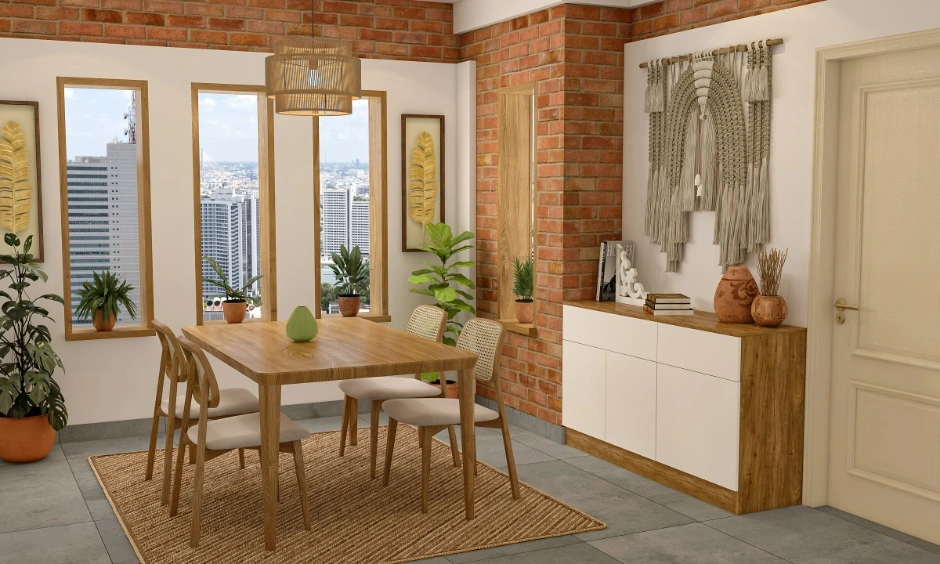
- Jute, Coir, and Natural Fibres – Jute rugs, coir mats, and natural fibre baskets bring a cosy, earthy touch to Bangalore homes.
- Recycled Decor Elements – Recycled glass, metal, and wood decor pieces are simple ways to make your home stylish without adding waste.
Materials For Humid Climate India: What Bangalore Homes Should Avoid
Not every natural or ‘green’ material works well in Bangalore. Some materials may look sustainable but can struggle with moisture, daily wear, or high maintenance.
- Moisture-Sensitive Materials – Avoid untreated wood, low-grade MDF, and porous materials in kitchens, bathrooms, and utility areas. These can swell, bend, or develop mould when exposed to dampness.
- High-Maintenance Natural Materials – Solid wood, natural stone, and lime finishes look beautiful. But they need regular sealing, polishing, and care. Use them only if you are ready for the upkeep.
- Cheap ‘Greenwashed’ Alternatives – Some products are marketed as eco-friendly but may not be durable or certified. Always check for quality, finish, source, and safety details before choosing sustainable materials for Bangalore climate.
Sustainable Materials For Bangalore Climate: Are They Worth The Cost?
Sustainable materials may cost more at first. But for Bangalore homes, they often work better in the long run. They last longer, need fewer repairs, and help create healthier interiors.
- Initial Cost vs Lifecycle Cost – If you are looking for sustainable home design ideas for your Bangalore home, do not choose a material solely based on its starting price. Check how long it lasts, how easy it is to maintain, and how well it handles the city’s weather.
- Maintenance Requirements – Low-VOC paints, water-resistant boards, quartz countertops, and vitrified tiles are easy to maintain. Solid wood, natural stone, and certain natural finishes may require additional polishing or sealing.
- Long-Term Savings – Good materials reduce repair costs and replacement needs. So, sustainable materials are worth it when they suit Bangalore’s climate, your lifestyle, and your budget.
Eco-Friendly Interior Materials India: Room-By-Room Ideas For Bangalore Homes
Every room in a Bangalore home has different needs. Some areas need moisture resistance, while others need breathable, warm, and easy-to-maintain materials.
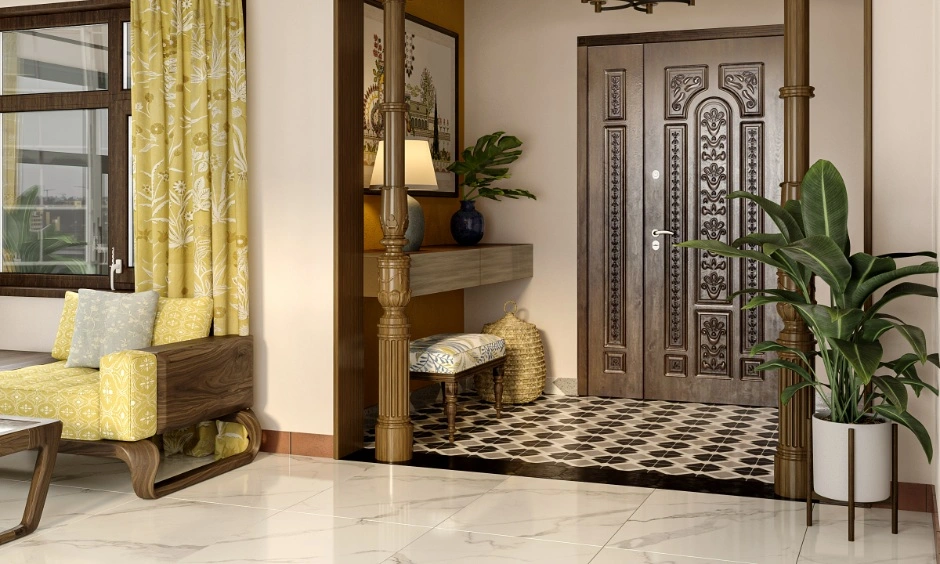
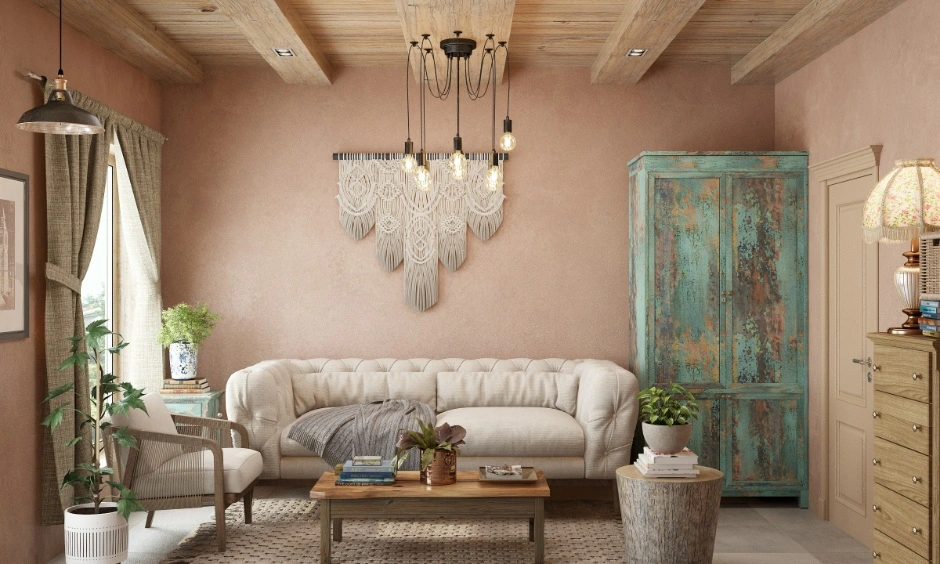
- Living Room – Use reclaimed wood, bamboo accents, jute rugs, organic cotton cushions, and low-VOC paints. These materials keep the space fresh, natural, and welcoming.
- Bedroom – Choose certified engineered wood for wardrobes, linen or cotton curtains, and low-VOC wall paints. These non-toxic materials for home interiors help create a calm and healthier sleep space.
- Kitchen – Go for water-resistant boards, quartz countertops, recycled tiles, and durable cabinet finishes. These work well in a busy Bangalore kitchen where moisture and daily cleaning are common.
- Bathroom and Utility – Use anti-skid vitrified tiles, recycled tiles, and moisture-resistant boards. Avoid untreated wood in these spaces.
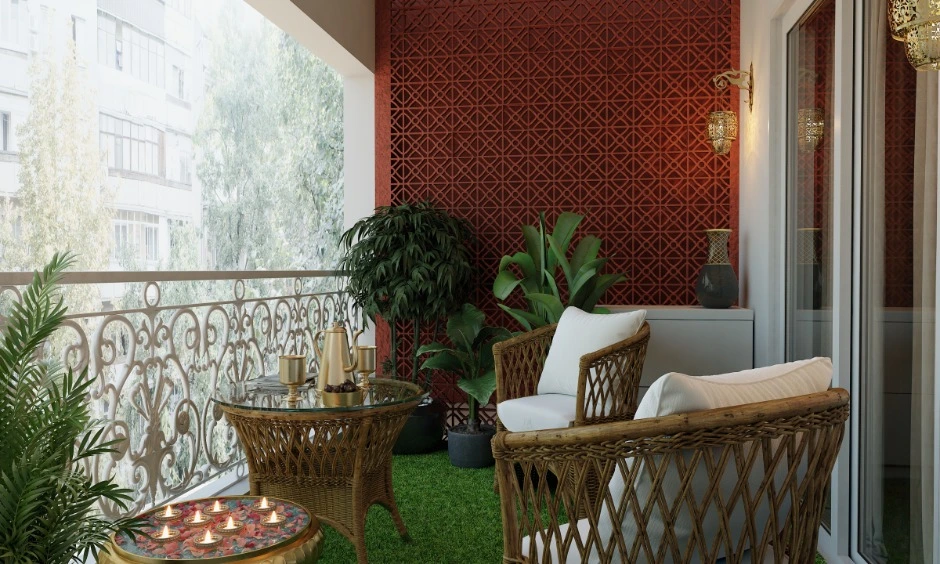
- Balcony – Cane furniture, treated bamboo, terracotta planters, and coir mats work beautifully. Just make sure outdoor pieces are weather-treated to handle rain and sun.
Green Building Materials India: Practical Tips For Choosing The Right Ones
Choosing sustainable materials can feel confusing at first. If you are designing a Bangalore home, focus on materials that are durable, low-toxic, easy to clean, and suitable for the city’s changing weather.
- Check Moisture Resistance – Bangalore gets sudden showers and mild humidity. So, use moisture-resistant boards for kitchens, bathrooms, wardrobes, and utility areas.
- Look for Certifications – Choose certified plywood, low-VOC paints, responsibly sourced wood, and tested finishes. This helps you avoid poor-quality materials that only look eco-friendly.
- Pick Locally Available Materials – Local materials are easier to source, repair, and replace. They also reduce transport impact, making them a smarter choice for sustainable interiors.
- Balance Beauty With Daily Use – A material may look beautiful in a catalogue, but it should suit your routine. If you have kids, pets, or a busy kitchen, choose durable finishes over delicate ones.
- Ask About Maintenance – Before finalising any material, ask how often it needs polishing, sealing, or special cleaning. The best sustainable choices are the ones you can maintain with ease.
Sustainable Building Materials Bangalore Homes: Common Mistakes To Avoid
Even the best materials can fail if they are chosen without checking the climate, usage, and maintenance. For Bangalore homes, the aim is to choose materials that look good and remain practical through changing weather conditions.
- Choosing Looks Over Durability – A material may look stunning in a showroom. But if it swells, stains, or scratches easily, it may not work for daily use. Always check strength, finish, and moisture resistance before finalising.
- Ignoring Ventilation – Poor ventilation can lead to damp walls, mould, and musty smells. Use breathable finishes, low-VOC paints, and moisture-resistant materials in areas that get less sunlight.
- Using Untreated Natural Materials – Bamboo, cane, and reclaimed wood are beautiful choices. But they must be treated well to resist termites, moisture, and wear.
- Not Checking Certifications – Do not pick a product only because it is labelled “green”. Check certifications, source, VOC levels, and durability details before choosing.
- Forgetting Maintenance– Some materials need sealing, polishing, or special cleaning. If you want a low-maintenance home, choose practical finishes that suit your routine.
Choosing sustainable materials for Bangalore climate is about finding the right balance between beauty, durability, and daily comfort. The material should not only look good in your home but also handle the city’s sudden rains, mild humidity, and changing weather.
Conclusion
From bamboo and reclaimed wood to low-VOC paints, quartz, terrazzo, and recycled tiles, every choice can make your home healthier and more practical. If you are looking for a smart, eco-friendly home interior, these materials can help you design a space that feels fresh, lasts longer, and supports better living.
Ready to create a sustainable home that suits Bangalore’s climate and your lifestyle? Talk to a Designer at DesignCafe and bring home interiors that are beautiful, practical, and built for everyday life.
FAQs
1. Which materials are best for Bangalore weather?
The best materials for Bangalore weather are moisture-resistant, durable, and easy to maintain. Certified engineered wood, vitrified tiles, terrazzo, quartz, low-VOC paints, bamboo, and treated reclaimed wood work well for most homes.
2. Is bamboo good for Bangalore homes?
Yes, bamboo can work beautifully in Bangalore homes when it is treated well. It is best used for furniture, partitions, decor, and light indoor accents. Avoid using untreated bamboo in wet or outdoor areas.
3. What flooring is best for humid climates?
Vitrified tiles, terrazzo, and properly sealed natural stone are good flooring options for humid climates. Cork and bamboo flooring can also work in dry rooms, but they need proper care and moisture protection.
4. Are sustainable materials more expensive?
Some sustainable materials may cost more at the start. But they often last longer, need fewer repairs, and reduce replacement costs. So, they can be more cost-effective over time.
5. How do I choose eco-friendly paint?
Choose low-VOC or no-VOC paints from trusted brands. These paints release fewer harmful chemicals and help keep indoor air healthier. They are a smart choice for bedrooms, kids’ rooms, and compact apartments.
6. What materials last longest in Bangalore?
Quartz, vitrified tiles, terrazzo, certified plywood, water-resistant boards, and treated bamboo last well in Bangalore homes. The key is to choose the right finish for each room.
7. Is solid wood suitable for Bangalore?
Solid wood can be used in Bangalore, but it needs proper seasoning, polishing, and regular care. It may expand or contract with changes in moisture, so treated engineered wood or reclaimed wood can be more practical for busy homes.