Select Category


Our comprehensive guide to choosing the right master bedroom colours will elevate your style and create an oasis of calm. Read here.
Trying to choose the perfect master bedroom colour combination, but nothing looks good? Well, how important can that be? Let’s just say that it is something that can influence your overall well-being, sleep quality, and even your relationships. So it is not a decision to be taken lightly. Colours play a huge role in our homes, and our bedrooms are no exception.
Master bedroom colours help us create the desired mood – be it calm and serene, happy and adventurous, or any other mood you wish. However, your bedroom colour choice can have a profound influence on how you feel. Soft hues often suit a gentle and soft space, whereas bold colours are for the quirky and daring ones.
How to Choose the Right Master Bedroom Colour Combination for Your Room?
You need to choose the right colour schemes for your bedroom based on the desired mood you wish to have. Soft blues, greens, and lavender induce a calm atmosphere perfect for relaxation, whereas warm earth tones create a cosy ambience. Consider the room’s size and natural light before making a choice.
Light colours make a room feel larger, while dark colours make it feel more intimate. If the natural light inside the room is less, choose mellower shades for the walls. Rich colours, such as deep purple, dark grey, or black and white, can introduce a sense of luxury. Using varying shades and tones of a single colour for your master bedroom wall colour combination can create a peaceful and harmonious look in your bedroom.
If you select colours close to each other on the colour wheel (eg, blue and green), you can create a cohesive, yet dynamic look for your bedroom. For a high-contrast and bold effect, opt for colours that are opposite to each other on the colour wheel.

For an ideal splash of colours, you can go for the 60-30-10 interiors design rule, which states that 60 percent of your room should be the dominant colour (eg, walls), 30 percent the secondary colour (eg, furniture, rugs, etc) and 10 percent the accent colour (eg, decor). Ultimately, the decision of colour is personal to each individual. Don’t be afraid to experiment with colours. The only thing to avoid is glossy paint so that you can minimise its sleep-disruptive glare.
Master bedroom colours, as per Vastu, favour earthy tones like brown and beige for the southwest direction, promoting stability and grounding. Light blue, soft green, pink, and white create a calm, peaceful, and cosy atmosphere, promoting love and purity.
When discussing colours and the bedroom, we cannot overlook the bedroom game-changers that are wardrobes. Popular master bedroom wardrobe colours include grey and white, beige and coffee brown, or all-white. Neutral shades are a timeless choice for wardrobes as they can be easily matched with the room decor, too.
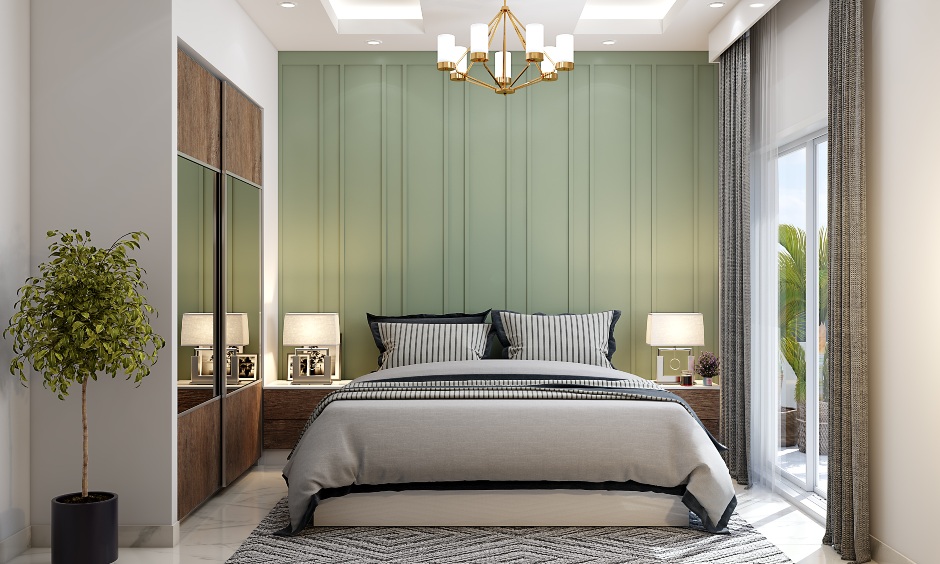
Still Browsing Ideas? Check out our 11 Trending Romantic Bedroom Colours
Benefits of a Well-Planned Master Bedroom Colour Palette
A well-planned master bedroom colour palette is essential to create a harmonious atmosphere that promotes relaxation and better sleep.
- Colours can influence emotions. Soft blues and greens can induce a sense of calm, helping you unwind and enjoy a restful sleep.
- A carefully chosen colour palette can help you create a visually appealing environment that is aesthetically pleasing to you and your guests.
- The right shade choice can help make your bedroom look larger or more cosy and intimate. Lighter tones help make the room appear airy and expansive, while darker shades create a more intimate atmosphere.
- A well-designed bedroom with calming colour schemes and minimal clutter can reduce stress, promote relaxation, and improve sleep quality.
- Your colour choice can also be a way of personal expression that is unique to your style.
- Certain colours, like lighter shades of yellow and purple, can activate motivation and enhance performance on creative tasks. This is particularly beneficial if you have a desk or study area in your bedroom.
- A well-designed master bedroom colour combination palette can support your circadian rhythm by signalling your brain that it is time to relax. Don’t forget to keep your gadgets out of the bedroom, though!
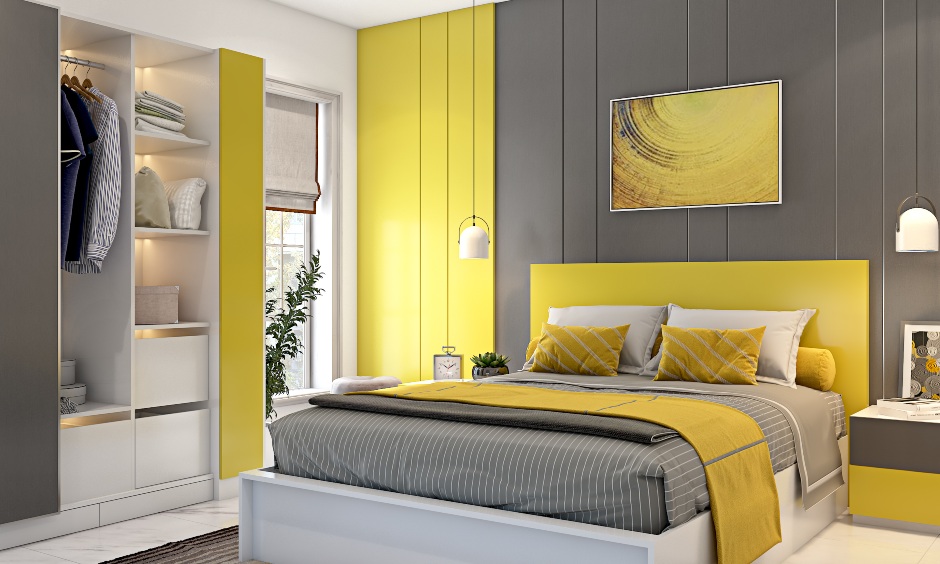
Inspired Yet? Check out our 7 Bedroom Wall Colour Combinations
7 Mistakes to Avoid With Master Bedroom Colour Schemes
- Choosing Too Many Colours: It is wise to stick to one or two shades when it comes to master bedroom colours. Too many colours can be distracting and not as peaceful as you need your room to be.
- Blindly Following Trends: Colour trends are constantly evolving over time. However, it is essential to select hues that reflect your personal style and the room’s intended function. Avoid choosing a colour combination merely because it’s popular in the market at the moment.
- Ignoring Natural Light in the Room: Use test paint samples to see how the paint looks at different times of day before choosing colour schemes for your bedroom.
- Choosing Overstimulating Colours: Avoid bright and energising shades like red, orange, and maroon for your bedroom to prevent overstimulation, which can lead to difficulty falling asleep.
- Not Following the 60-30-10 Rule: Following this rule can help distribute colours effectively, leading to a balanced and peaceful atmosphere.
- Not Making it Personal: The master bedroom is a personal sanctuary. It should reflect your personality and character. The colours and accents should be an extension of your character, and that’s when the room means something to you.
- Not Having a Link Between Colours: If you are considering embracing a particular palette, such as a variety of warm shades, not having a cohesive link between them can become distracting and even make your bedroom look cluttered. This is because your eye will be drawn in several different directions when you step in. Your colour palette should harmonise together without looking busy.
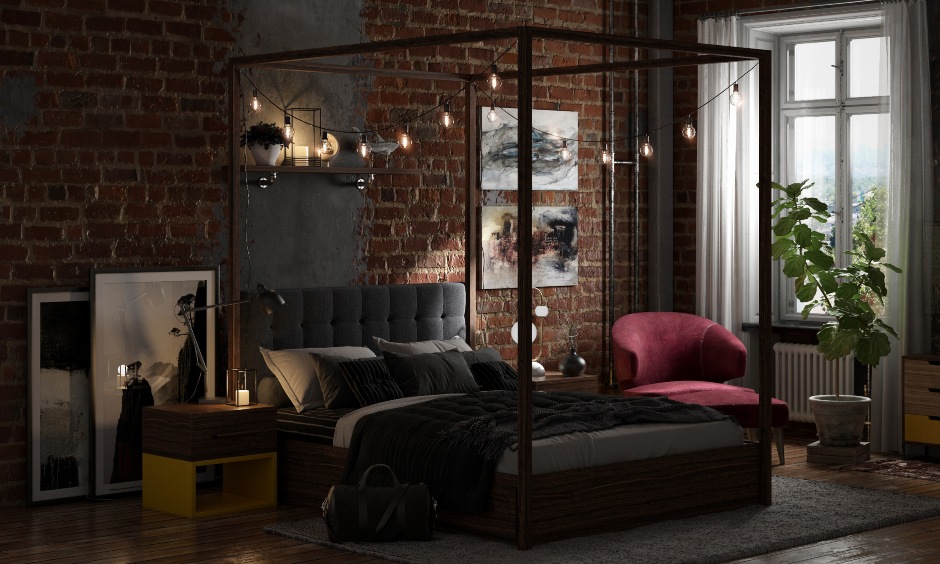
Luxurious Master Bedroom Designs
Tips for Selecting the Perfect Master Bedroom Colour Combination
- Blue, which evokes the sky and ocean, is often regarded as the most relaxing bedroom colour. Gentle greens are the colour of natural landscapes, and are also a common choice for bedrooms.
- Warm neutrals like beige and soft white can also create a serene and peaceful setting for your bedroom.
- You can combine a soft sky blue with crisp white and warm grey for a modern, coastal feel in your bedroom.
- Pair sage green with creamy off-white and natural wood accents for a ‘close to nature’ feel for your bedroom.
- A pale lavender with neutral tones, such as cream, can create a romantic and luxurious feel. Dusty rose or chalky pink can give a warm and tender feeling.
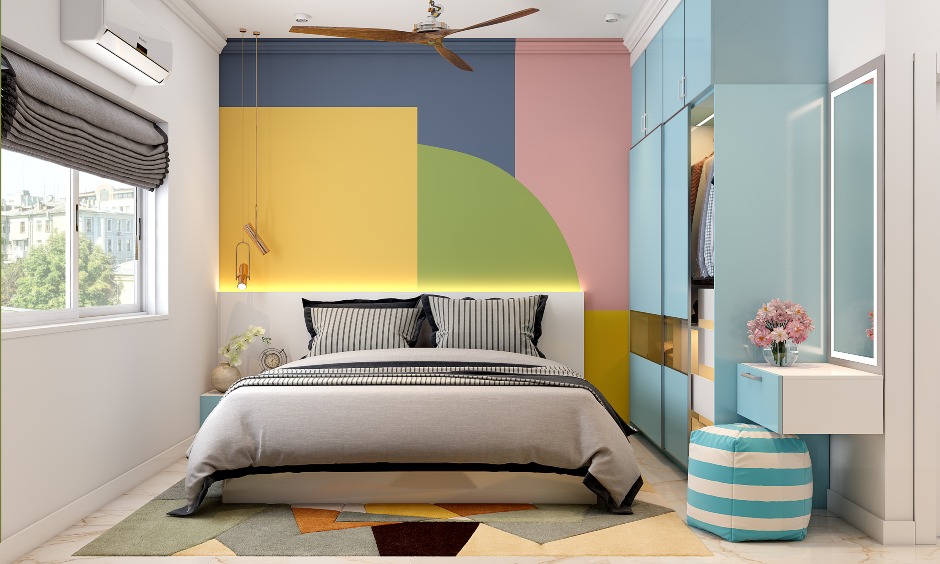
Conclusion:
To create a peaceful and restful sanctuary, the final verdict on colour choices for a bedroom emphasises on avoiding overstimulating colours, neglecting the influence of natural light, and the pitfalls of an untested, uncoordinated, or overly dark colour palette. By prioritising soft, calming tones that suit the room’s lighting and your personal taste, you can create a truly restful environment conducive to a good night’s sleep.
Ready for a Fresh Look? Claim Your Free Interior Design Consultation.
Also, Check Out Our
FAQs
1. What is the most relaxing colour for a master bedroom?
The most relaxing colour for a master bedroom is blue, which is the colour of the sky and the ocean.
2. Which colour combinations should be avoided in bedrooms?
You should avoid dark and overly stimulating colours like red, orange, black, and bright purple because they can create restlessness, aggression, and a sense of depression or heaviness.
3. How do I choose the right colour scheme for a small bedroom?
For a small bedroom, choose light, airy colours like white, creams, soft blues and light greens to reflect light and create an illusion of space. Use a dark accent wall to create a focal point without overwhelming the space.
4. Can dark colours work in a master bedroom?
Yes, dark colours can work for a master bedroom if the room has good natural lighting. Dark colours can give a sense of cosiness and restfulness if paired with light accents and furniture.
5. What are timeless colour choices for bedrooms?
Soothing neutrals like soft whites, beige and grey, which have a calming effect. Calming blues and soft greens are also a timeless option for master bedroom colours.