Select Category


AI Summary
6 key insights · 1 expert tipEco-friendly materials are transforming modern modular kitchens by making them more sustainable, healthier, and durable. From bamboo and reclaimed wood to low-VOC finishes and recycled countertops, these choices help reduce environmental impact without compromising on aesthetics or functionality. Choosing environment-friendly materials can also improve indoor air quality, reduce waste, and create a timeless kitchen design that supports conscious living.
KEY INSIGHTS
- Eco-friendly materials reduce environmental impact and improve indoor air quality.
- Bamboo, reclaimed wood, recycled glass, and low-VOC finishes are popular sustainable kitchen choices.
- Eco-friendly cabinets and countertops are durable, stylish, and long-lasting.
- Certifications like FSC, GreenGuard, and E0/E1 standards help verify sustainable materials.
- Environment-friendly modular kitchens may cost more initially but offer better long-term value.
- Sustainable kitchen design supports healthier living and reduces maintenance issues over time.
 DESIGNCAFE EXPERT TIP
By our design team
DESIGNCAFE EXPERT TIP
By our design team
Eypsita Dasgupta, Studio Manager, DesignCafe Experience Centre, Kolkata, suggests, “Choose eco-friendly materials that balance durability, maintenance, and sustainability. In modular kitchens, investing in certified low-emission materials and long-lasting finishes helps create healthier interiors that stay beautiful for years.”
Design a modular kitchen that is stylish, sustainable, and built for healthier living.
Before selecting kitchen products, it’s important to understand what eco-friendly materials are and how they benefit your home.
A material is considered eco-friendly when it has minimal environmental impact throughout its lifecycle. This includes sourcing, manufacturing, transportation, usage, and disposal. With consistent usage, glues, boards, paints and finishes directly affect the indoor air quality of your home. Sustainable choices balance health, longevity, functionality, and structural craft.
Eco-friendly materials typically:
- Come from renewable or recycled sources
- Produce low emissions during manufacturing
- Improve indoor air quality
- Reduce waste generation
- Have a long lifespan
Examples include bamboo, reclaimed wood, recycled metal, natural stone, and low-VOC finishes. In modular kitchens, these materials create a healthier and more sustainable cooking environment.

Why Eco-Friendly Materials Matter In Modular Kitchens?
The kitchen is one of the most frequently used spaces in any home. Choosing eco-friendly kitchen design materials can significantly improve both functionality and sustainability. For example, porcelain doesn’t crack under hot pans and is hardy against spills. Granite and quartz countertops are highly stain-resistant. Here’s why you should opt for environmentally-conscious materials:
1. Better Indoor Air Quality: Many conventional kitchen materials release harmful chemicals over time. Eco-friendly interior design materials use low-emission adhesives and finishes that help maintain cleaner indoor air.
2. Reduced Environmental Impact: Sustainable kitchen materials reduce dependency on non-renewable resources and minimise landfill waste.
3. Long-Term Durability: Sustainable materials are often designed for long-term performance, making them ideal for modular kitchens that experience heavy daily use.
4. Energy Efficiency: Certain eco-friendly kitchen products improve natural lighting and ventilation, reducing overall energy consumption.
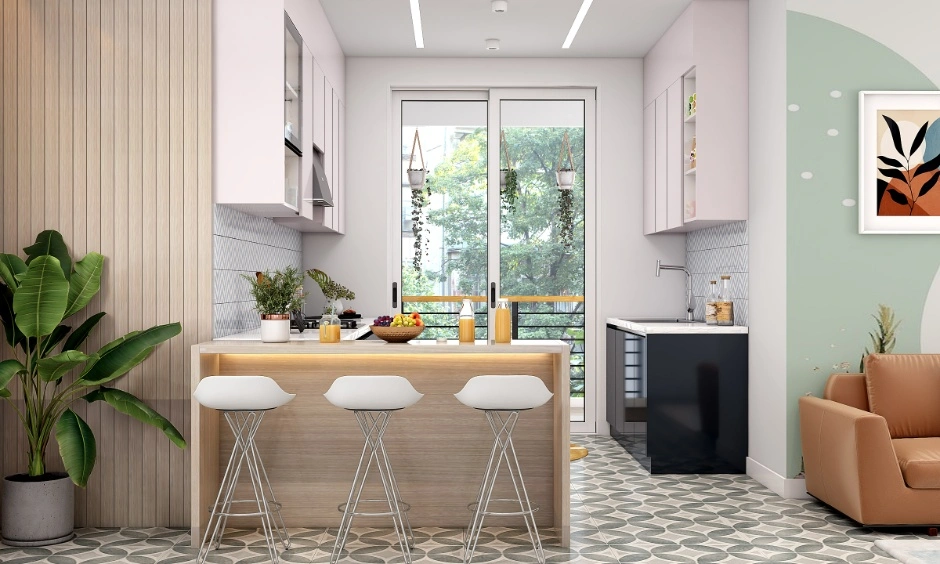
Types Of Eco-Friendly Materials Used In Modular Kitchens
There are several eco-friendly materials used in modular kitchens today. Each material offers unique benefits in terms of durability, aesthetics, and sustainability.
1. Bamboo for Cabinets and Storage
Bamboo is one of the fastest-growing renewable resources, making it an excellent eco-friendly kitchen cabinet material. It is strong, durable, moisture-resistant, lightweight, and has high natural tensile strength. Bamboo works well for cabinets, shutters, and eco-friendly kitchen storage solutions. You can use it as solid wood panels or through multi-layered veneers.
2. Reclaimed Wood
Reclaimed wood is sourced from old buildings, furniture, or industrial structures and reused in modern interiors.
Why it’s popular:
- Reduces deforestation
- Adds warmth and character
- Creates rustic and modern aesthetics
It is commonly used for shelving, kitchen islands, and decorative panels.
3. Recycled Glass Countertops
Recycled glass countertops are made by combining crushed glass pieces with resin or cement.
Advantages include:
- Unique visual appeal
- Durable surface
- Easy maintenance
- Reduces waste generation
These countertops are becoming increasingly popular in eco-friendly kitchen design.
4. Low-VOC Laminates And Paints
VOC stands for Volatile Organic Compounds, which are harmful chemicals released into indoor air.
Low-VOC finishes help:
- Improve indoor air quality
- Reduce chemical exposure
- Create safer kitchens for families
These eco-friendly materials are ideal for cabinets, walls, and modular kitchen finishes.
5. Stainless Steel and Recycled Metal
Recycled metal is another durable and sustainable material used in eco-friendly kitchen products.
Benefits include:
- Long-lasting durability
- Recyclable properties
- Modern aesthetic appeal
It works well for countertops, hardware, and kitchen accessories.
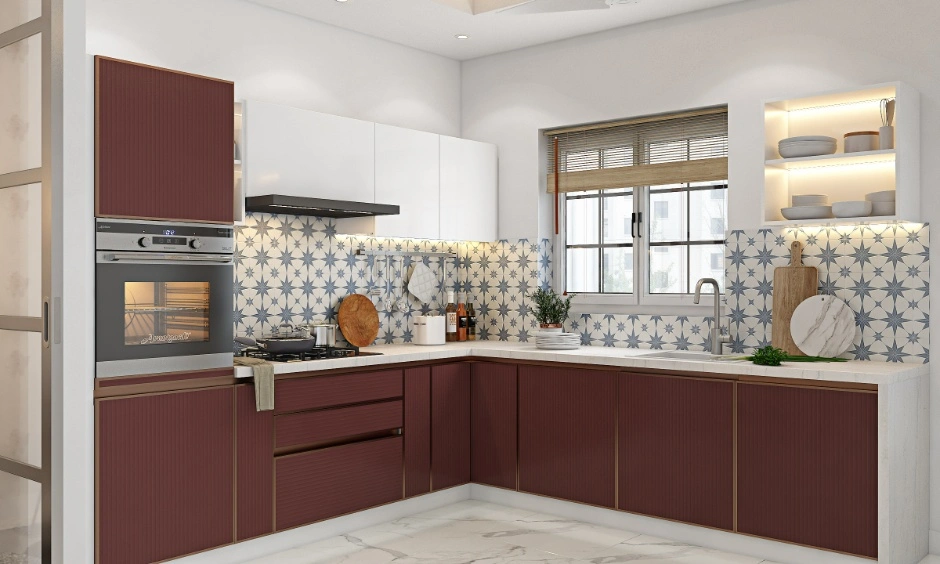
Eco-Friendly vs Conventional Kitchen Materials
Environment-friendly kitchen materials provide healthier and more sustainable alternatives compared to traditional options. Here’s a comparison:
| Aspect | Eco-Friendly Materials | Conventional Materials |
| Environmental Impact | Low | High |
| Indoor Air Quality | Better | Can release toxins |
| Durability | Long-lasting | Varies |
| Maintenance | Easy in most cases | Moderate |
| Sustainability | Renewable/Recycled | Non-renewable |
| Cost Over Time | Better value | Higher maintenance costs |
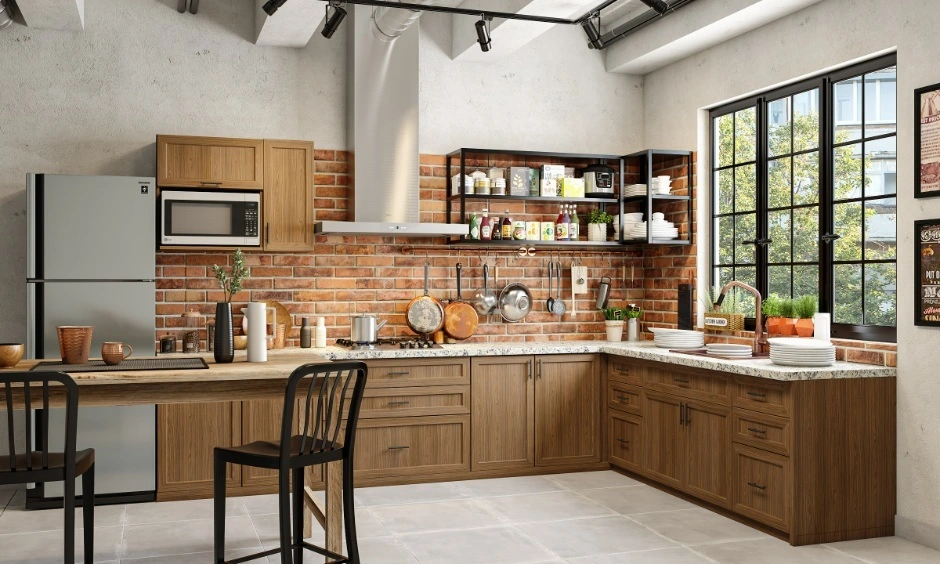
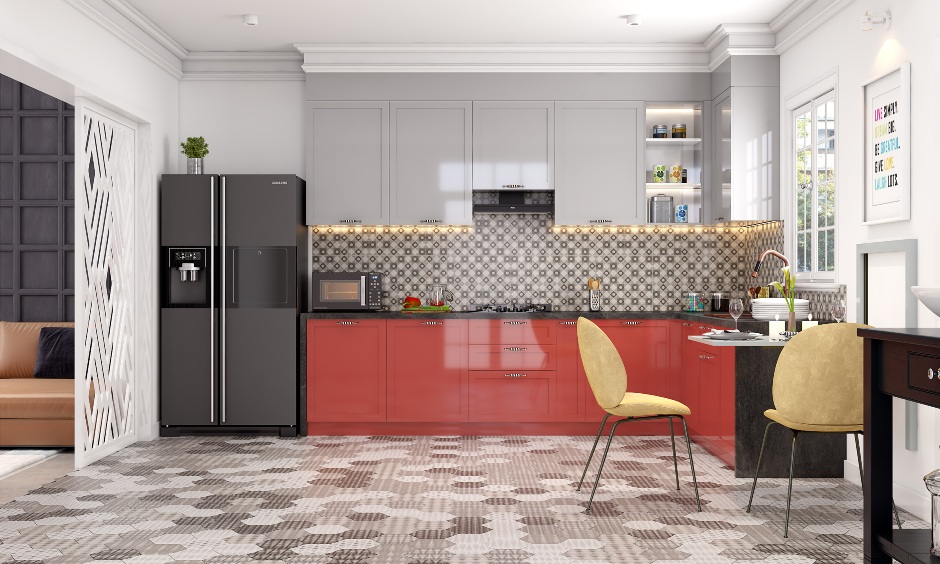
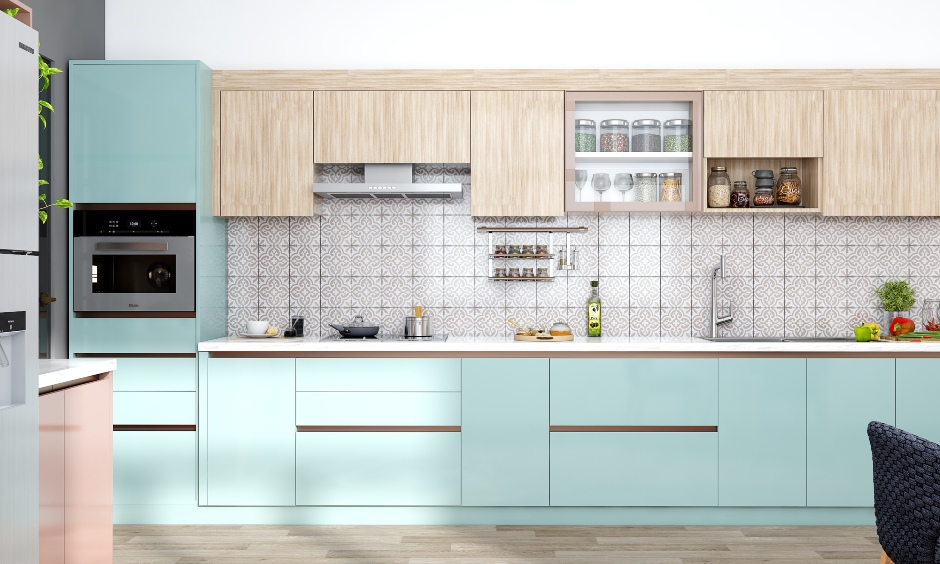
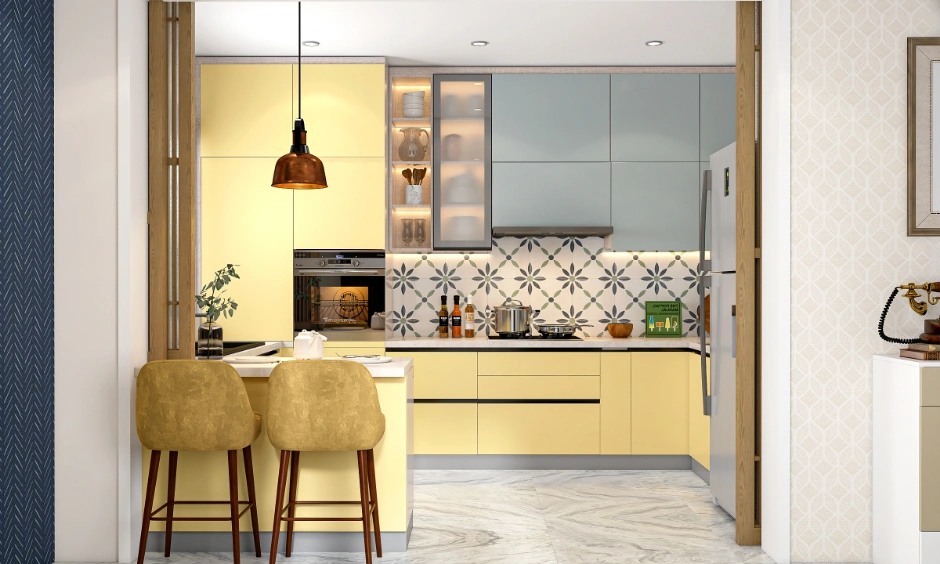
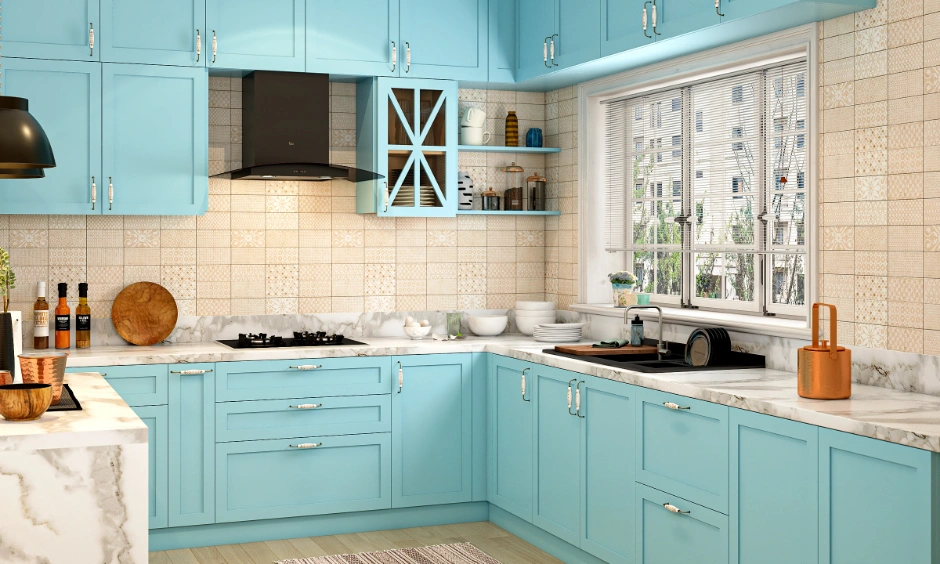
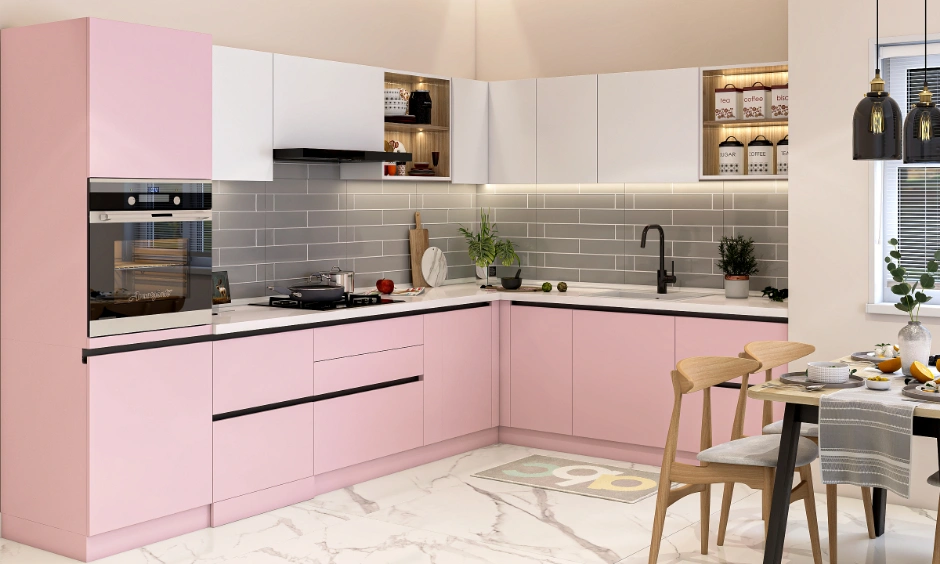
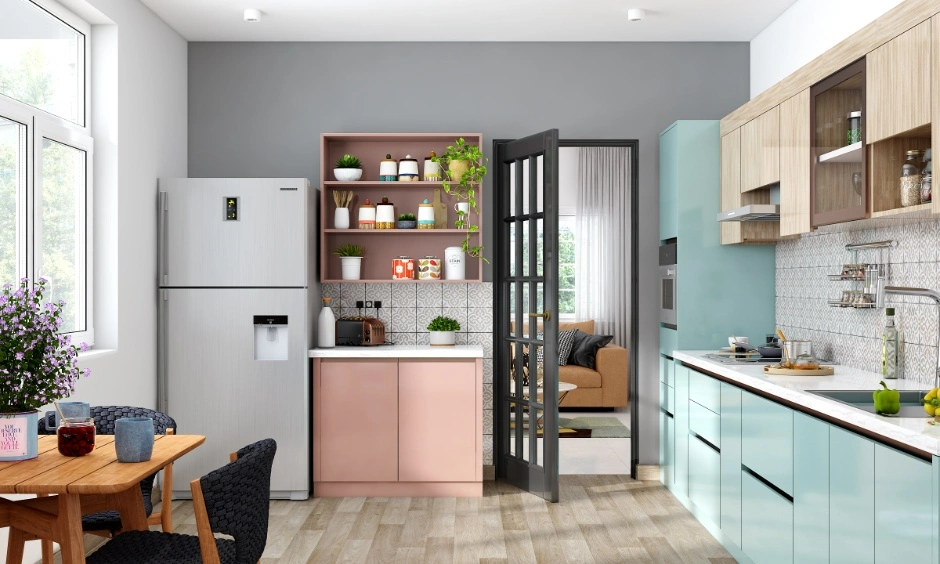
Eco-Friendly Modular Kitchen Interior Designs

Are Eco-Friendly Materials In Modular Kitchens Expensive?
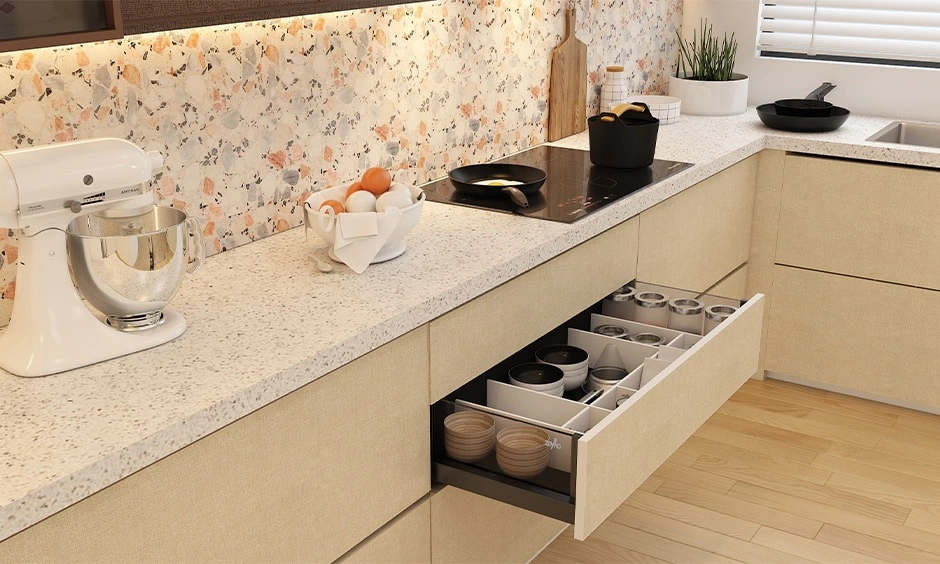
One of the biggest misconceptions about eco-friendly kitchen design is that it is always expensive. While some eco-friendly materials may have higher upfront costs, they often provide better long-term value through:
- Lower maintenance costs
- Better durability
- Reduced replacement expenses
- Improved energy efficiency
For example, kitchen cabinets made from bamboo or FSC-certified plywood may last significantly longer than cheaper alternatives. Additionally, modular kitchen brands now offer eco-friendly kitchen products at different budget levels, making sustainable kitchens more accessible.
How To Choose The Right Eco-Friendly Materials?
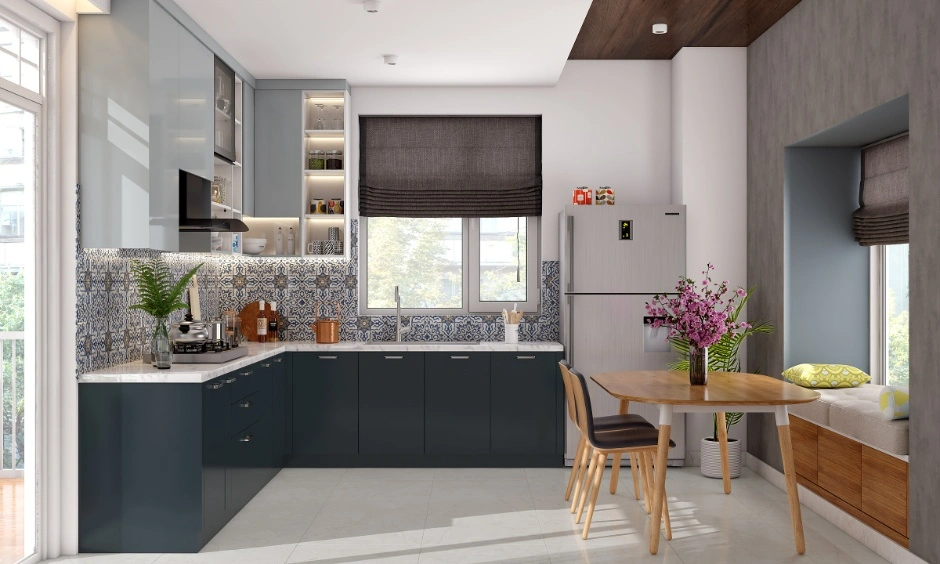
Selecting the right materials depends on your kitchen layout, lifestyle, and maintenance preferences. While choosing:
1. Prioritise Durability: Choose materials that can handle heat, moisture, and daily wear.
2. Check Certifications: Look for trusted certifications to verify sustainability claims.
3. Choose Low-Maintenance Materials: Opt for eco-friendly kitchen products that are easy to clean and maintain.
4. Balance Aesthetics And Functionality: Eco-friendly kitchen design should combine beauty with practical performance.
Common Mistakes To Avoid When Using Eco-Friendly Materials
When designing an eco-friendly kitchen, homeowners often make decisions based only on aesthetics.
Here are some mistakes to avoid:
- Ignoring Material Certifications: Not all materials labelled ‘green’ are genuinely sustainable.
- Choosing Style Over Durability: Some materials may look attractive but may not perform well in kitchens.
- Overlooking Ventilation: Proper ventilation is essential for maintaining a healthy, eco-friendly kitchen.
- Using Too Many Mixed Materials: Combining too many finishes can reduce visual harmony and increase maintenance.

Certifications To Look For In Eco-Friendly Materials
Certifications help identify authentic eco-friendly materials used in interiors.
1. FSC (Forest Stewardship Council): FSC certification ensures wood products come from responsibly managed forests.
2. GreenGuard: GreenGuard-certified products have low chemical emissions and improve indoor air quality.
3. E0/E1 Emission Standards: These standards measure formaldehyde emissions in engineered wood products in different climatic conditions. Materials with E0 or E1 certification are safer for modular kitchen interiors, especially in hot, humid months.
Conclusion
Eco-friendly materials are transforming modern modular kitchen design by creating spaces that are healthier, more durable, and environmentally responsible.
From bamboo cabinets and reclaimed wood to recycled countertops and low-VOC finishes, sustainable materials help reduce environmental impact while enhancing everyday functionality. They also offer long-term value through durability, lower maintenance, and timeless aesthetics.
If you are planning a sustainable kitchen for your home, DesignCafe’s interior designers can help you choose the right eco-friendly materials that match your style, budget, and lifestyle needs. Book a free consultation today and create a modular kitchen designed for modern, conscious living.
FAQs
1. What are the best eco-friendly materials for modular kitchens in India?
Bamboo, reclaimed wood, recycled glass, stainless steel, and low-VOC finishes are among the best eco-friendly materials for modular kitchens.
2. Are eco-friendly modular kitchens durable and long-lasting?
Yes, Eco-friendly kitchen materials are designed for durability and often last longer than conventional materials.
3. Which eco-friendly countertop materials are best for kitchens?
Recycled glass, natural stone, and sustainable quartz alternatives are popular eco-friendly countertop options.
4. What are eco-friendly finishes for modular kitchen cabinets?
Low-VOC laminates, water-based paints, and natural wood finishes are commonly used eco-friendly finishes.
5. Are eco-friendly modular kitchens more expensive in India?
Eco-friendly kitchens may have slightly higher upfront costs but offer better long-term savings and durability.
6. What factors affect the cost of eco-friendly kitchen materials?
Material type, certifications, durability, sourcing, and finish quality affect pricing.
7. How can I verify if a kitchen material is truly eco-friendly?
Check for certifications like FSC, GreenGuard, and E0/E1 emission standards before purchasing materials.