Select Category


AI Summary
4 key insights · 1 expert tipSoft close kitchen cabinets aren’t just about silence—they directly impact how long your cabinets last and how your kitchen feels every day. This guide helps you understand how they work, so you don’t end up overspending on the wrong hardware or skipping a detail that actually matters.
KEY INSIGHTS
What You Will Read Here
- How the soft closing mechanism actually works
- Difference between soft-close hinges and drawer slides
- Types of soft-close systems and where each fits best
- Cost, durability, and whether retrofitting is worth it
Best For
Homeowners planning a new kitchen or upgrading existing cabinets who want a quieter, longer-lasting setup without unnecessary expenses.
 DESIGNCAFE EXPERT TIP
By our design team
DESIGNCAFE EXPERT TIP
By our design team
Sahajeet Chandrakumar, Studio Manager of Mysore DC, advises, “Don’t upgrade everything at once. Start with the most-used cabinets. You’ll notice the difference immediately.”
Quieter kitchens, longer-lasting cabinets —Everything you need to know about soft close systems.
It’s midnight; a late-night craving strikes. You tiptoe to your kitchen and reach for a spoon for the ice cream. The cabinet door of your modular kitchen slips from your hand and slams shut loud enough to wake the whole house.
Soft close kitchen cabinets fix exactly that: a small mechanism that reduces noise, protects your cabinetry, and quietly makes your kitchen feel more put-together.
A kitchen isn’t just about how it looks. It’s about how it behaves every day. Soft close designs are one of those upgrades you don’t notice at first, but once you have them, you can’t go back. If you are planning a new kitchen or just improving your existing one, this is one detail worth understanding properly.

How the Soft Close Kitchen Cabinets Actually Work?
At the core of every soft closing mechanism is a dampener. Think of it as a tiny shock absorber inside your hinge or drawer slide. As the cabinet door shuts, the dampener slows it down in the last few inches.
The most common type uses a hydraulic cylinder. Fluid gets pushed through a narrow passage as the door swings shut, creating resistance. Some use a spring dampener instead. Either way, it only activates in the last 10 to 15 degrees of movement, so the door feels completely normal to use.
Designer Tip: Look for hardware with an adjustable dampening screw. It’s useful for heavier doors or high-traffic kitchens.
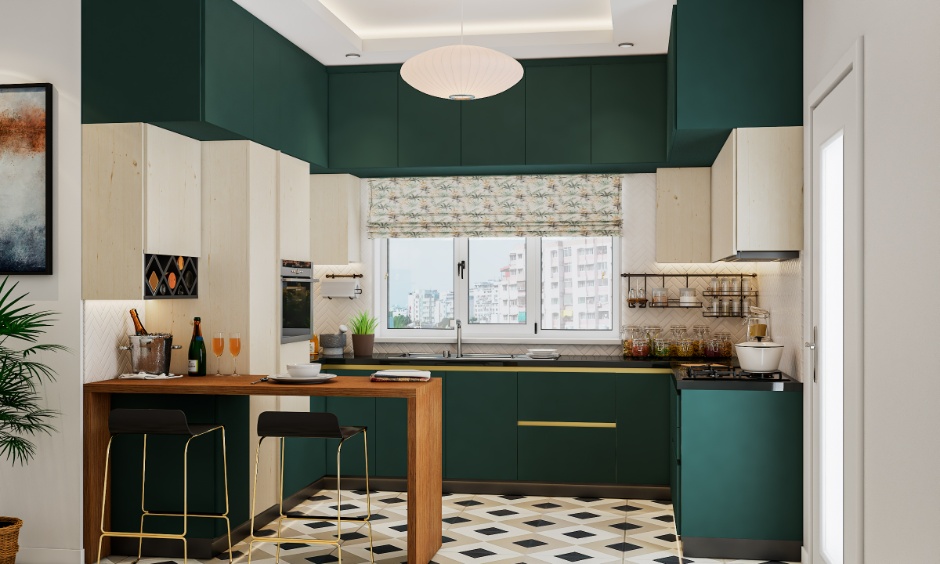
Soft Close Hinges vs Self Close Drawer Slides
- Soft close hinges for kitchen cabinets clip into a pre-drilled recess on the back of the door and mount to the cabinet frame. The dampener sits inside the hinge body, out of sight. They work with framed and frameless cabinets.
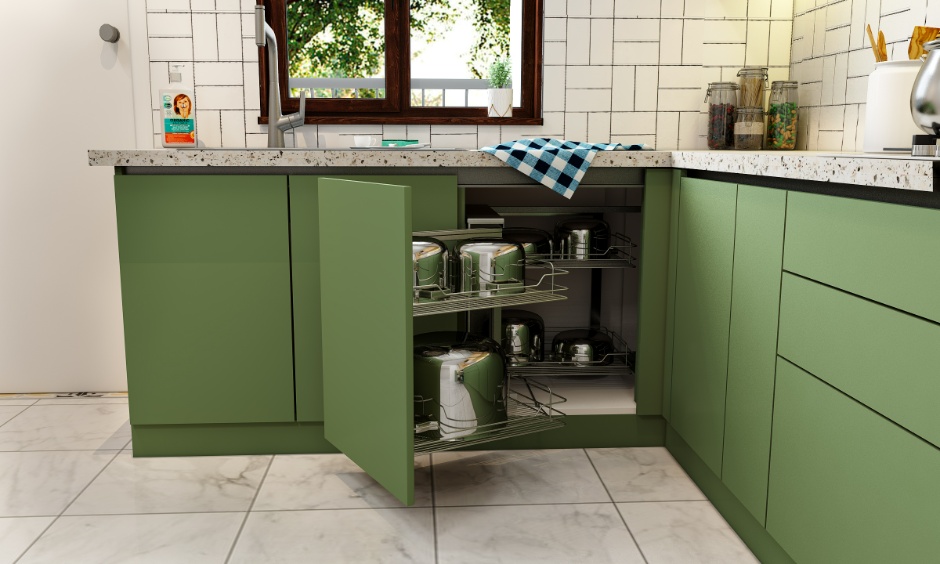
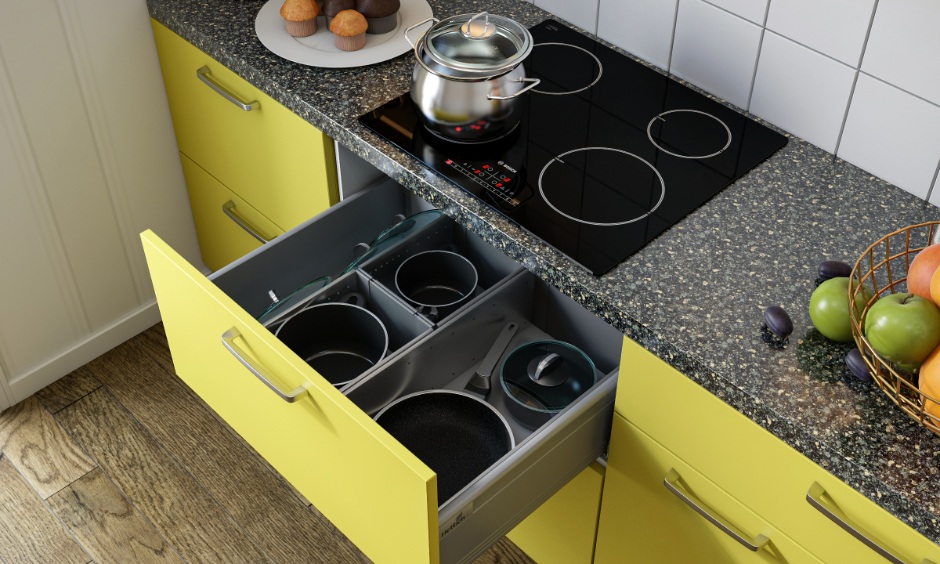
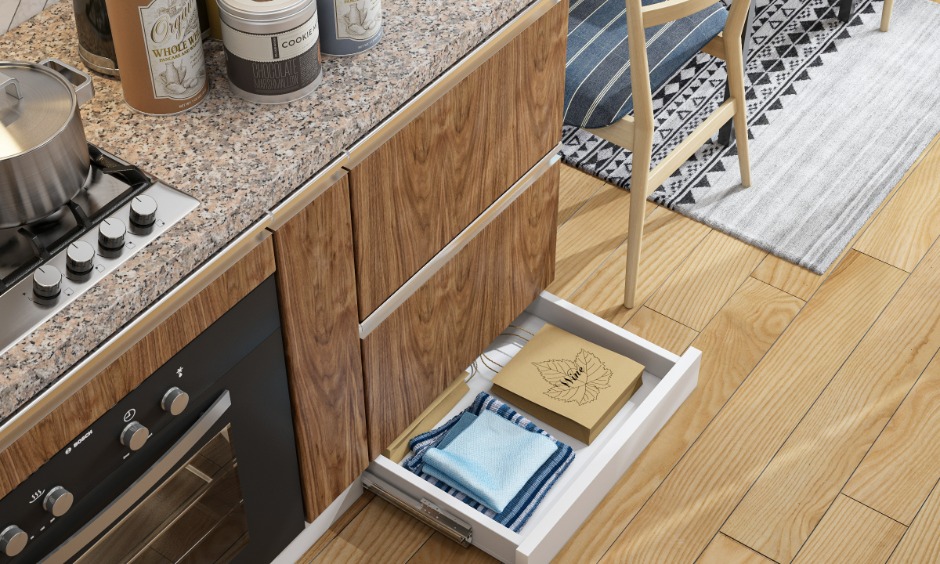
- Soft close drawer slides are the rails your drawers travel on, with a built-in catch that engages in the last few centimetres of closing. Under-mount slides that are fixed underneath the drawer box are worth the extra spend, as they stay hidden, are heavy-duty, and fully extendable.
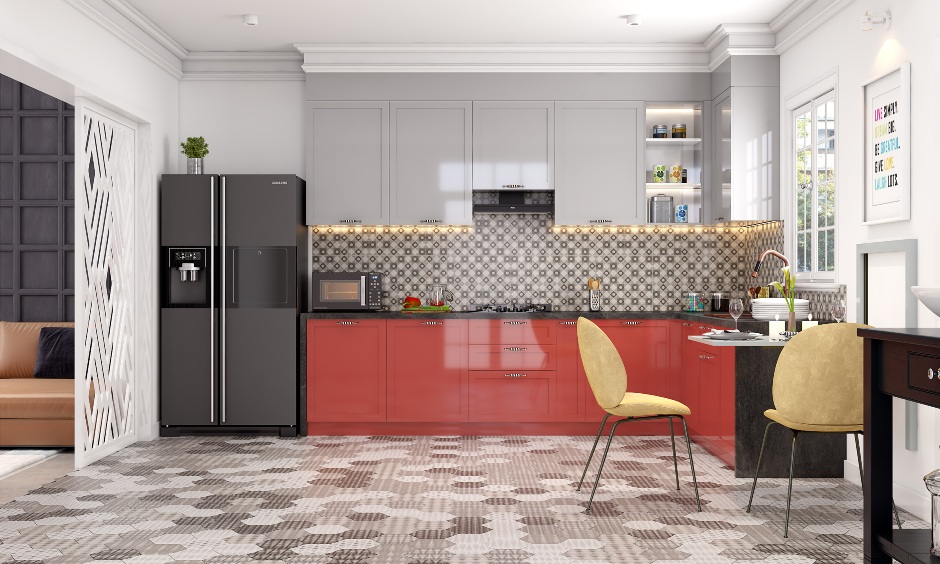
Modular Kitchen Design Ideas

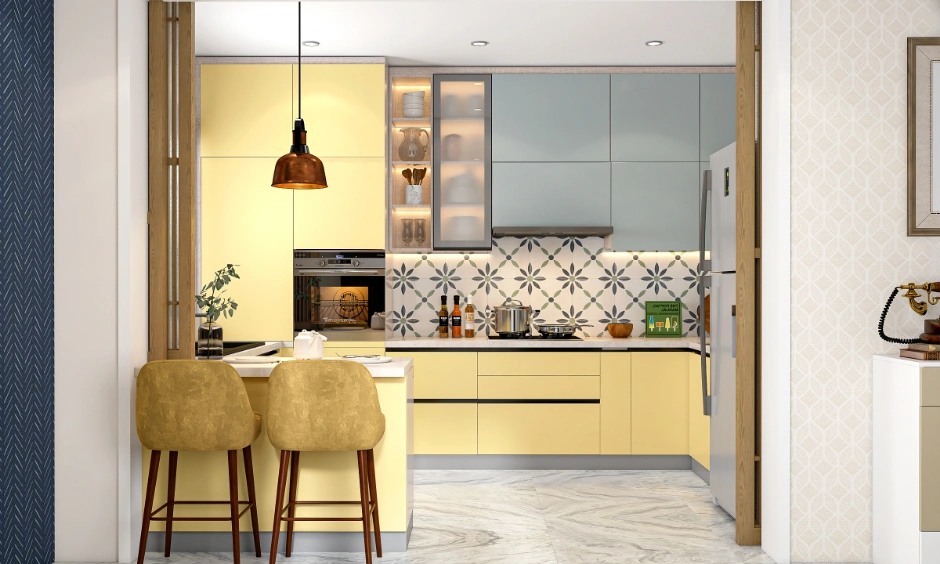
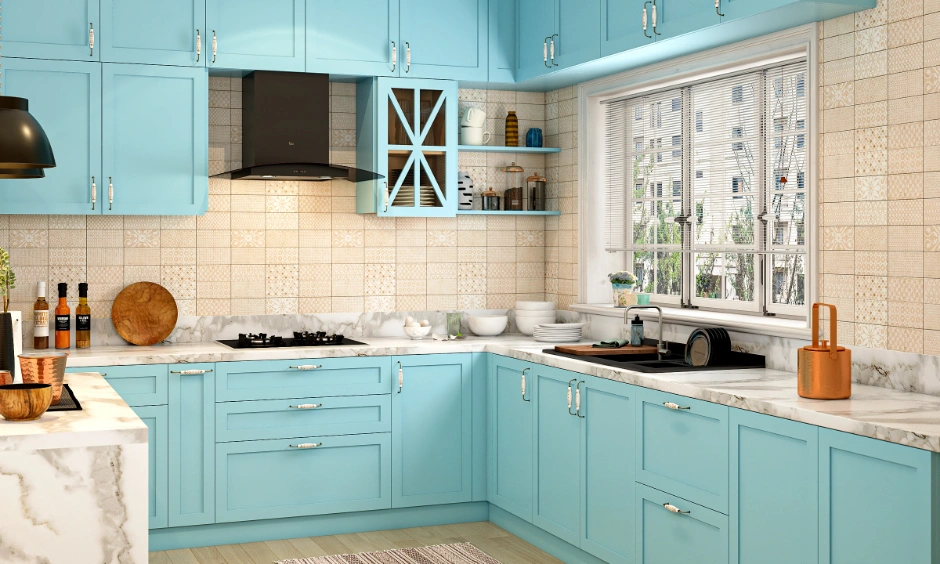
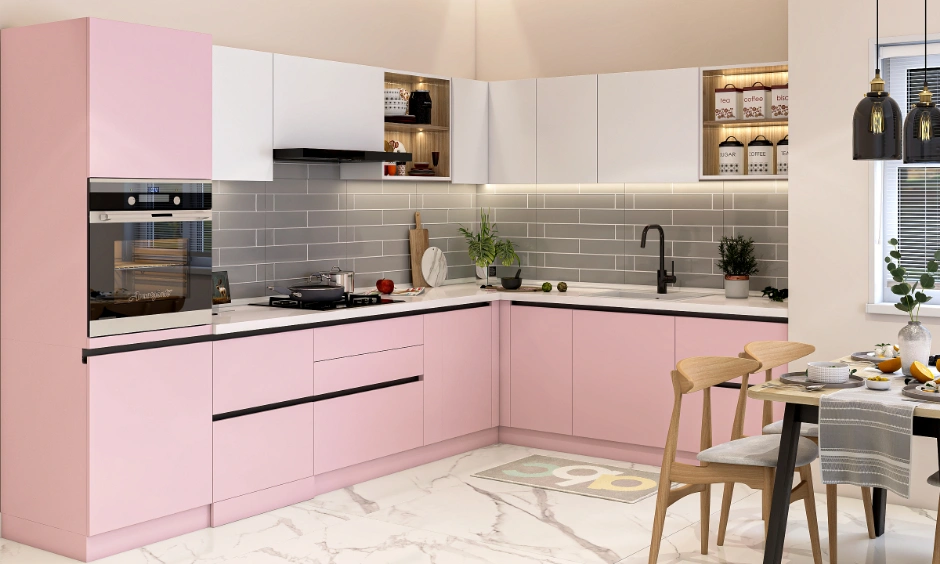
Why Soft Close Cabinets Make Everyday Kitchens Feel Better?
The silence is the first thing you notice. The real benefit is what happens over time.
Every slam puts stress on your cabinet structure. With every hurried slam, the carcass, basically the main box of your cabinet, takes the hit. Over time, this leads to loose hinges and uneven doors.
Soft close options remove that impact. They also protect finishes like laminate and lacquer from wear and tear.
There’s also a safety angle. Slow-closing drawers reduce the chances of fingers getting caught, especially useful if you have kids around.
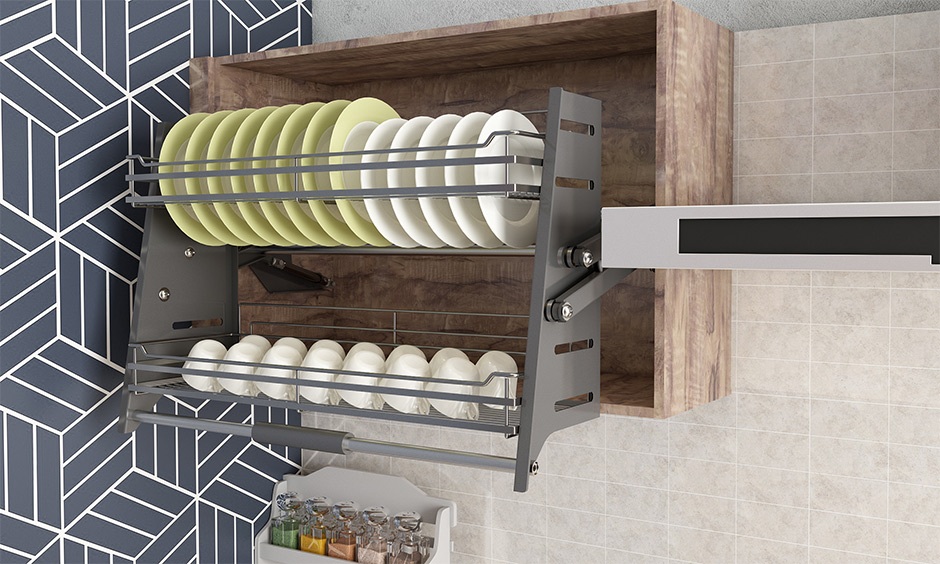
Types of Soft Close Cabinet Systems You’ll Find in the Market
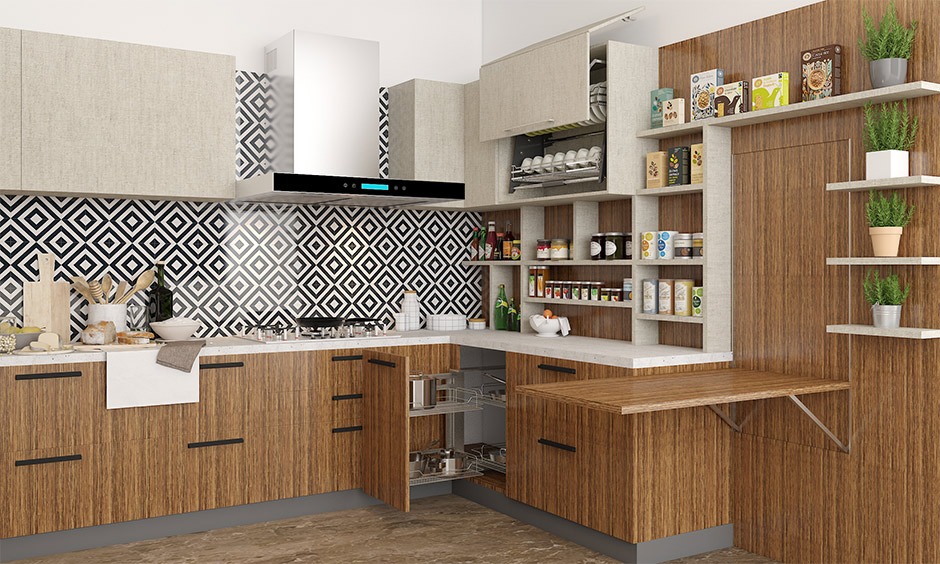
- Soft Close Hinged Cabinets: Most kitchens today use soft close hinged styles, where the dampener is built directly into the hinge. It’s the most common setup and works well across almost all cabinet types.
- Soft Close Drawer Slides: For drawers, soft close slides do the job. The premium option here is under-mount slides. They sit hidden beneath the drawer, feel sturdier, and let the drawer open fully without any visible hardware.
- Integrated Systems: In higher-end modular kitchens, you’ll often find integrated soft close systems. Instead of relying only on hinges or slides, the mechanism is built into the cabinet structure itself. The result is a more consistent, seamless closing experience across every door and drawer.
- Retrofit Soft Close Hinges With Add-On Dampers: If you are not redoing your kitchen, retrofitting is a great option. Soft-close hinges, along with add-on dampers, can be easily clipped onto existing hinges or fixed inside the cabinet frame. No major work needed.
Designer Tip: Retrofit the cabinets you open most first — the ones near the hob and sink.
Guide to Choose Durable Soft Close Hardware
This is where many people cut corners and regret it later.
Look for steel-body hinges with three-directional adjustment screws. Since walls aren’t always perfectly straight, you may need to make small alignment tweaks. These hinges let you shift the door up, down, left, right, and in or out after fitting.
For drawer slides, check weight ratings. For instance, drawers that carry pots and pans need at least 30 to 40 kg. Zinc alloy or cold-rolled steel holds up the weight better than cast aluminium.

Soft Close vs Self Close: What’s the Real Difference in Kitchen Cabinets
| Feature | Soft Close | Self Close |
| Closing mechanism | Hydraulic or spring dampener | Spring only |
| Closing speed | Gradual, controlled | Snaps shut |
| Noise level | Near-silent | Audible click or thud |
| Finger safety | High | Moderate |
| Cost | High | Low |
| Best for | Family homes, open-plan kitchens | Utility areas, low-traffic cabinets |
Cost of Soft Close Kitchen Cabinets: Is the Upgrade Worth It?
- Soft Close Hinges: ₹150-₹600 per hinge (most kitchens need 20-30)
- Soft Close Drawer Slides: ₹800-₹3,500 per pair
- Retrofit Damper Buffers: ₹100-₹400 per unit
Upgrading a full kitchen typically adds up to ₹8,000–₹25,000. The result is fewer repairs and no more realignment.
Designing Modern Kitchens Around Soft Close Cabinets
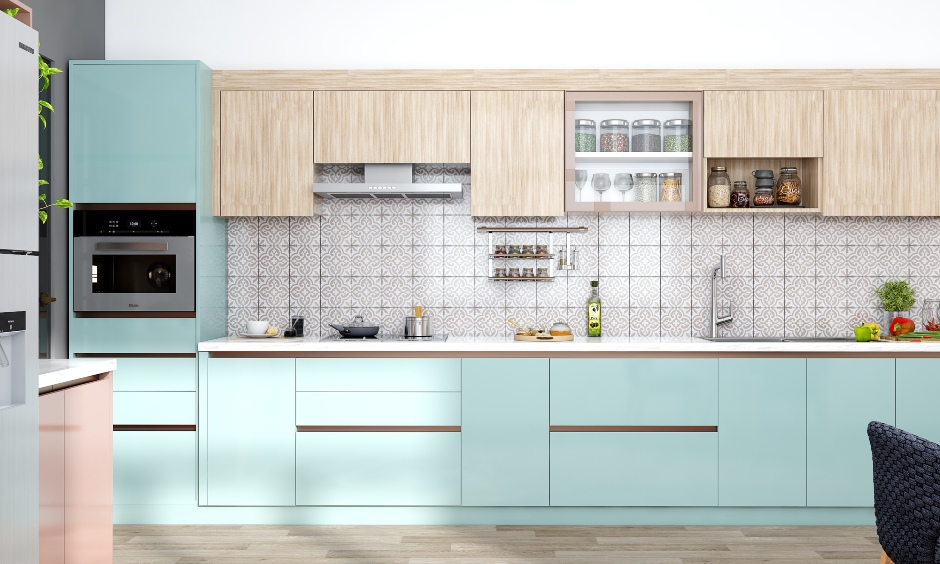
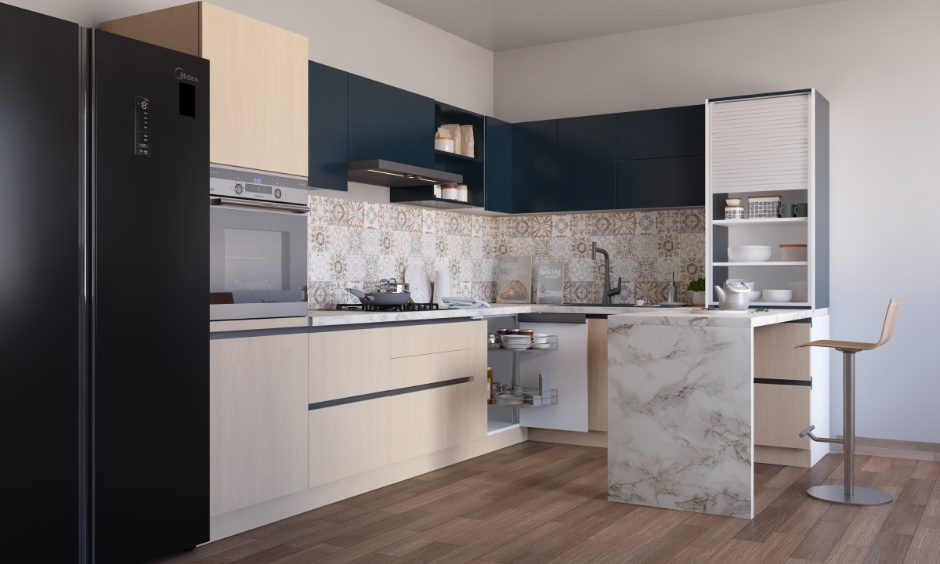
Soft close hardware fits naturally into handleless kitchens and push-to-open mechanisms.
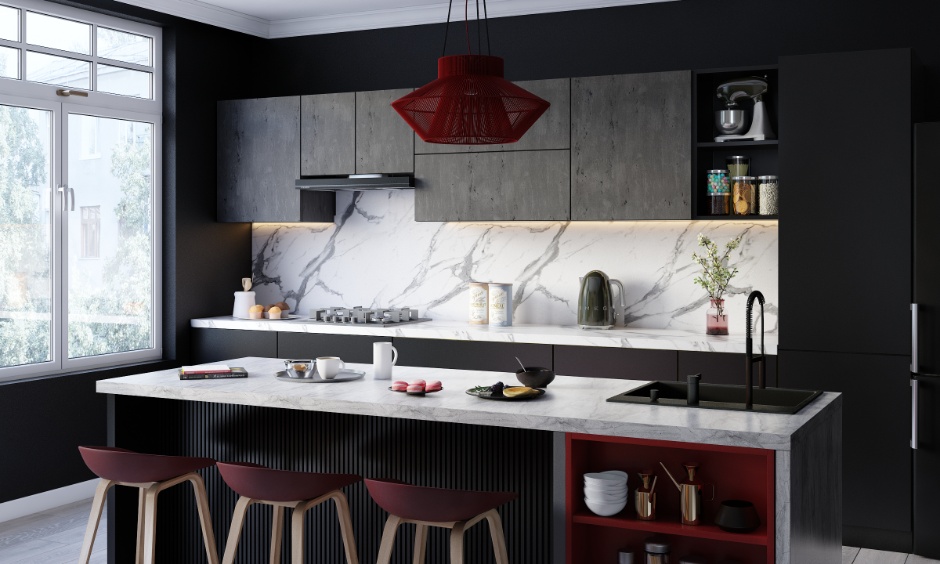
They also suit glossy finishes like acrylic or lacquer. These surfaces can get stressed by repeated impacts, so a softer close helps protect them. In open kitchens, this feature becomes even more important. Less noise makes the whole space feel calmer.
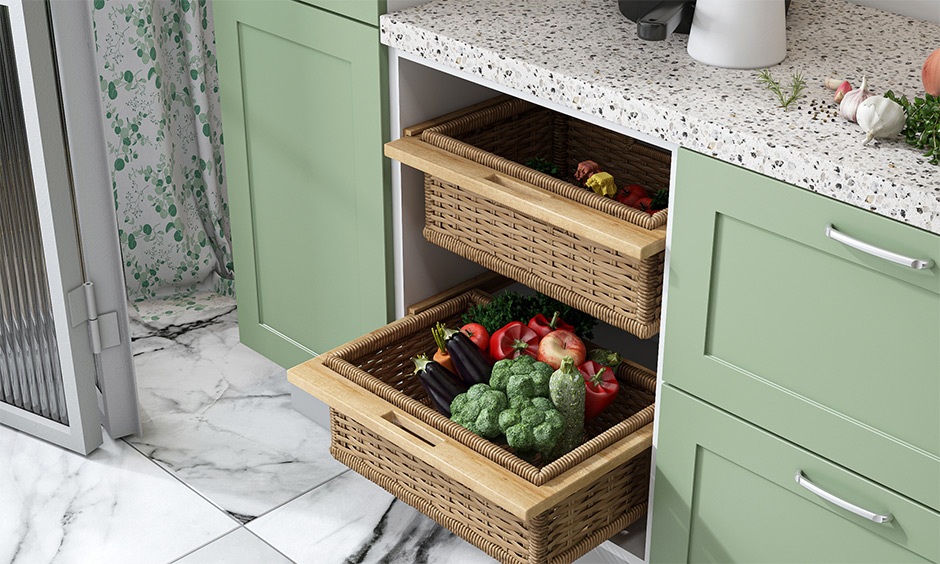
Maintaining Soft Close Kitchen Cabinets With Zero Hassle
There’s very little you need to do.
Door closing too fast? Turn the adjustment screw on the hinge body clockwise to firm up resistance.
Door sitting crooked? The mounting plate screws allow it to move in three directions.
For drawer slides, a dry cloth wipe-down every few months keeps the channel clear. Skip oil-based lubricants. They attract debris and wear the damper faster.
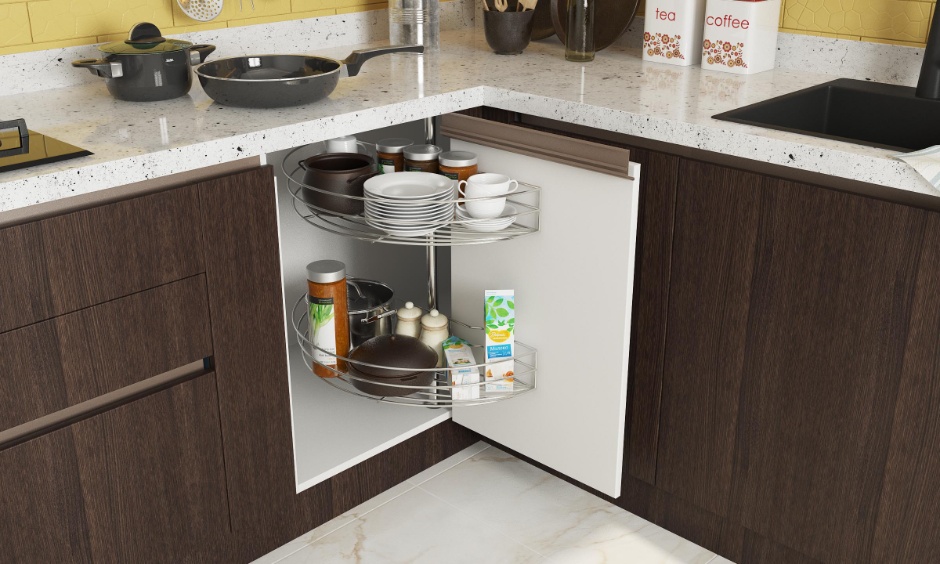

Installing Soft Close Cabinet Hinges
DIY: If your cabinets use European cup hinges (the round, concealed type standard in most modular kitchens), new soft close kitchen cabinet hinges clip into the same 35mm hole. Drawer slides take about 20 minutes per drawer with a screwdriver and spirit level.
Professional: For new kitchens or full upgrades, professional installation ensures proper alignment and long-term performance.
Retrofitting Existing Cabinets with Soft Close Hinges: Retrofit soft close hinges or add-on dampeners are the quickest upgrade. Buffer dampers mount inside the frame with no drilling. Clip-on hinge adapters give a more complete result. Both cost a fraction of the total replacement cost.
Conclusion
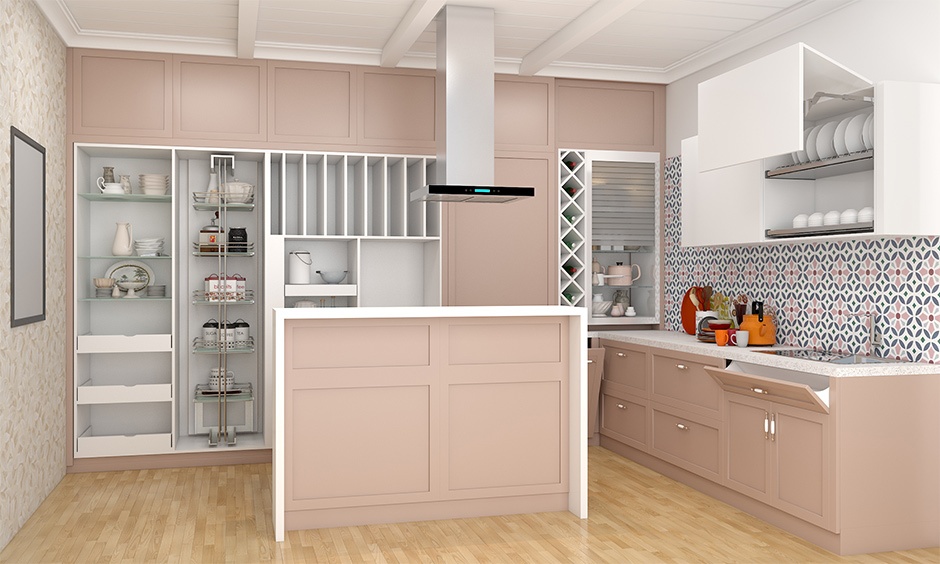
You don’t need a luxury budget to create a luxury kitchen. You need to get the basics right.
Soft close kitchen cabinets come last. They protect your cabinets, reduce noise, and make daily life easier in ways you notice immediately. It’s not a flashy upgrade. But it’s one you’ll appreciate every single day.
Looking for more kitchen design ideas? Browse DesignCafe blogs for layout guides, material tips, and budget renovation inspiration. Ready to design your dream kitchen, but not sure where to start? Book a free consultation now!
FAQs
1. Are soft-close cabinets worth it?
For most homes, yes. Soft-close kitchen cabinets cut noise, minimise wear, and add a quality feel without a major spend. Retrofitting key cabinets gets you most of the benefit at a fraction of the full cost.
2. How long do soft-close hinges last?
Most quality hinges are rated for 80,000 to 100,000 cycles, well over a decade of daily use. Steel grade and dampener fluid quality are the main factors.
3. Do soft-close cabinets need maintenance?
Barely. Wipe the tracks occasionally and adjust the tension screw if closing speed changes.
4. Do soft close mechanisms wear out?
Over many years, the dampener fluid can thin, and the door may start closing faster. Replacing the hinge or slide at that point is simple and inexpensive.
5. What’s the difference between soft close and self-close?
Self-close uses a spring to pull the door shut quickly, with a snap. Soft close adds a damper that slows the final motion. Many hinges do both, but not all self-closing hinges include the damper.