Select Category

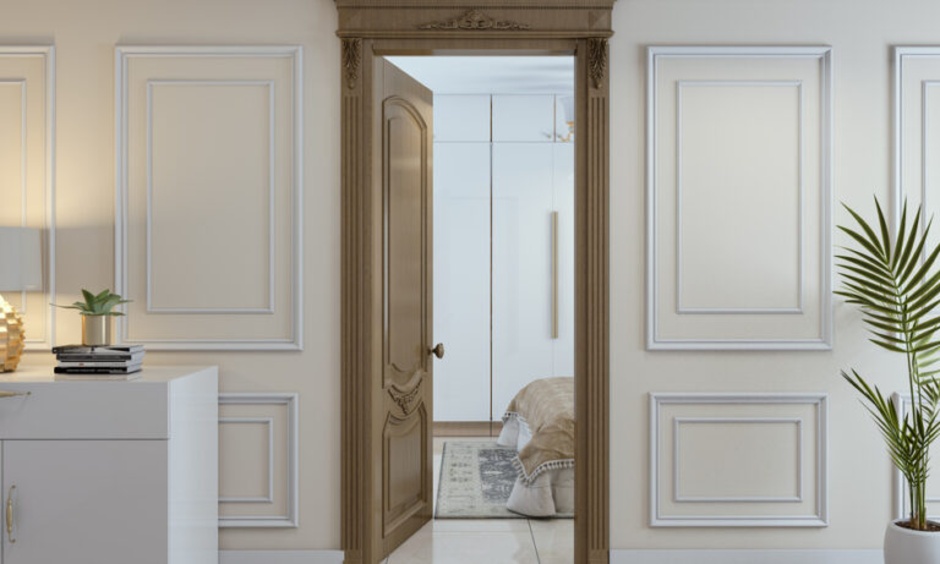
Which is a durable choice- membrane doors or laminated doors? Read on to find out.
When you are designing a home, it’s often the small details, like door finishes, that make the biggest difference.
Yet when it comes to choosing between membrane and laminate doors, many homeowners find themselves stuck. If you have ever paused mid-decision, wondering what each door is and whether it’s actually right for your space, you are not alone. The truth is, while both doors may look similar at first glance, they behave very differently over time.
Read on to understand how they compare to laminated doors, especially in high-use areas like kitchens and wardrobes.
So, let’s break it all down in a simple, practical way to help you choose confidently.

What are Membrane Doors?
These doors are created by wrapping a PVC sheet around a core board, usually MDF or HDF, using heat and vacuum pressure. This process results in a smooth, seamless surface with no visible joints or edges.
What makes PVC membrane door designs so popular is their sleek and contemporary look. From glossy finishes to textured patterns, today’s options include 3D varieties, digital versions, and a wide range of new door styles that closely mimic wood or stone.
Because the PVC layer wraps the entire surface, designer membrane door options look especially clean and refined, making them a favourite for wardrobes, cabinets, and low-impact interior spaces.
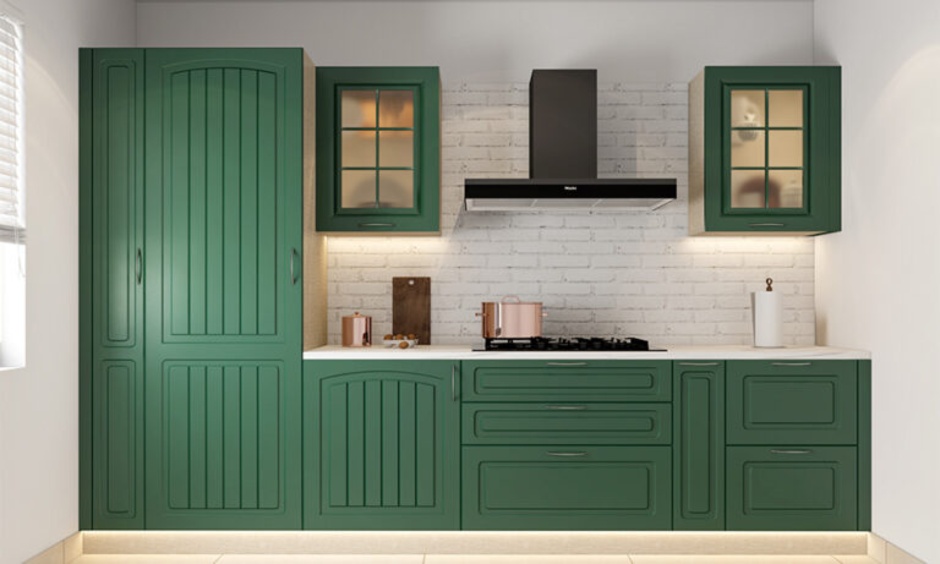
What are Laminated Doors?
Laminated doors are made by attaching laminate sheets to a solid core such as MDF, plywood, or particleboard. These laminates are made by compressing multiple layers of paper and resin under high pressure, resulting in a tough, durable surface.
Unlike membrane doors, laminated doors use edge banding to finish the sides. While this means the edges may be visible, it also makes the door easier to repair or replace if needed.
Laminates are known for their strength, which is why they are widely used in kitchens, offices, and other high-traffic areas.
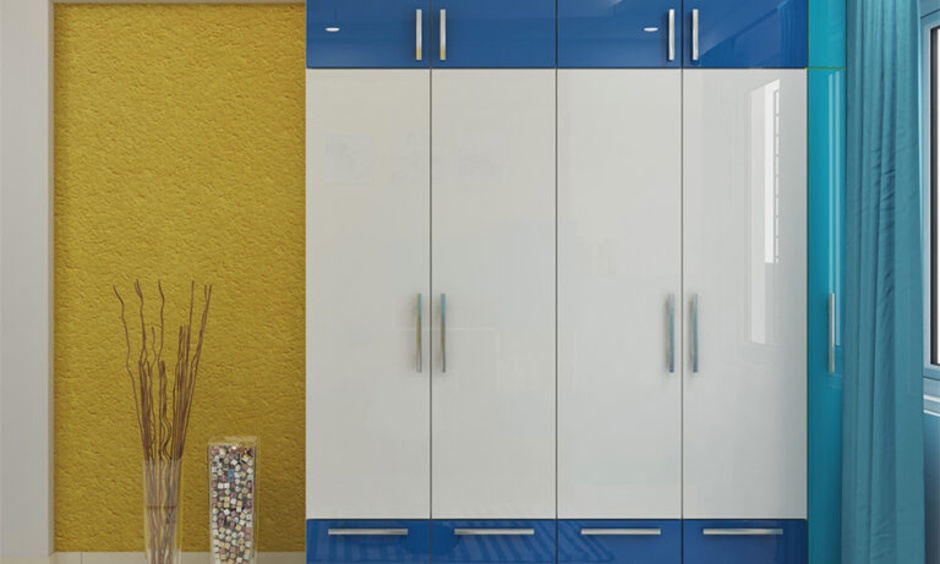
Membrane Doors vs. Laminated Doors: Comparison Table
| Feature | Membrane Doors | Laminated Doors |
| Finish | Seamless, smooth | Edge-banded |
| Durability | Moderate | High |
| Scratch Resistance | Limited | Strong |
| Heat Resistance | Low | High |
| Moisture Resistance | Moderate | Good |
| Repairability | Difficult | Easier |
| Maintenance | Easy | Easy |
| Cost | Lower | Medium to high |
| Best Use | Wardrobes, cabinets | Kitchens, heavy-use spaces |
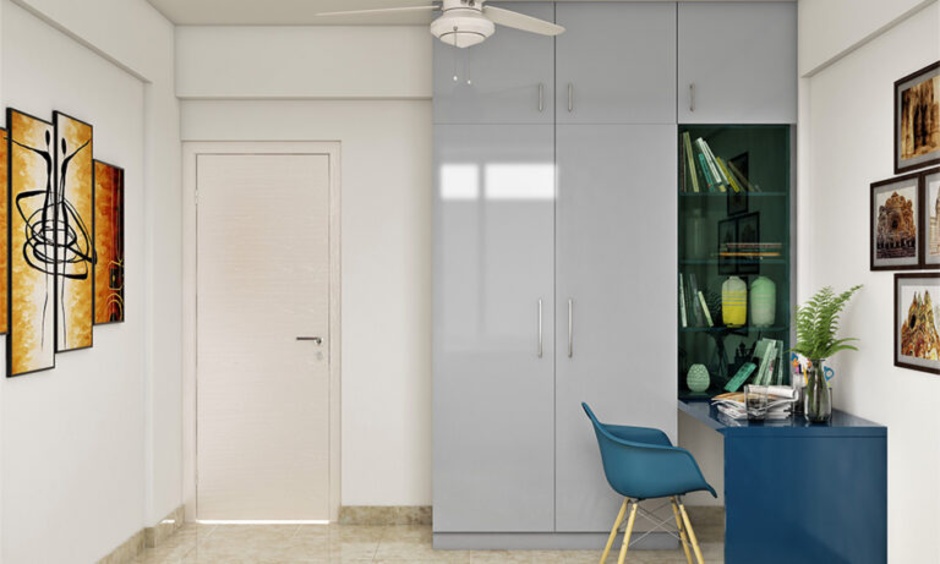
3 BHK Interior Design Ideas


Advantages of Membrane Doors
- Seamless, Premium-Looking Finish: These doors offer a smooth, joint-free surface that gives interiors a clean, refined appearance. This seamless finish works especially well in modern and minimalist spaces.
- Wide Range of Design Options: From glossy solids to wood-grain textures, membrane doors are available in a variety of contemporary designs. Options like 3D and digital finishes allow for customised, design-forward interiors.
- Easy to Wipe and Maintain: The non-porous PVC surface makes these doors easy to clean with a simple wipe. This low-maintenance quality is ideal for everyday use in bedrooms and wardrobes.
- Lightweight and Visually Modern: These doors are lighter than many other door types, making them easier to handle and install. Their sleek appearance adds a modern, uncluttered look to interiors.
- Attractive Membrane Door Price for Large Projects: These doors are cost-effective, especially when used across multiple units like wardrobes or cabinetry. This makes them a popular choice for large residential projects.
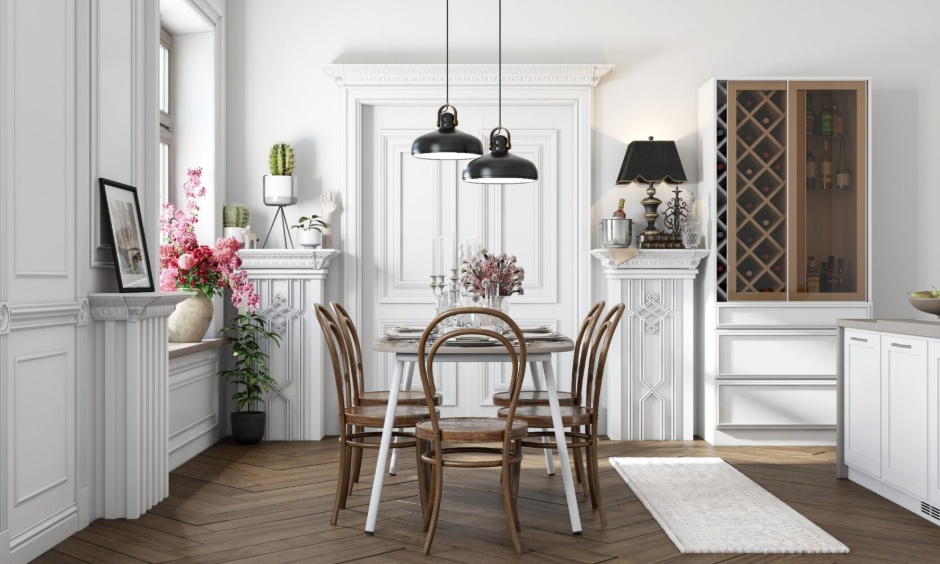
Advantages of Laminated Doors
- Excellent Durability and Scratch Resistance: Laminated doors are built to withstand daily wear and tear, making them highly durable. Their scratch-resistant surface keeps them looking new for longer.
- Better Heat and Moisture Tolerance: Laminates perform well in environments exposed to heat and humidity. This makes them a reliable choice for kitchens and moisture-prone areas.
- Huge Variety of Colours, Textures, and Finishes: From subtle mattes to bold textures, laminated doors offer much flexibility in design choices. This allows homeowners to match doors to their overall interior theme seamlessly.
- Easier to Repair or Replace: If damage occurs, laminated doors are generally easier to repair or replace than membrane doors.
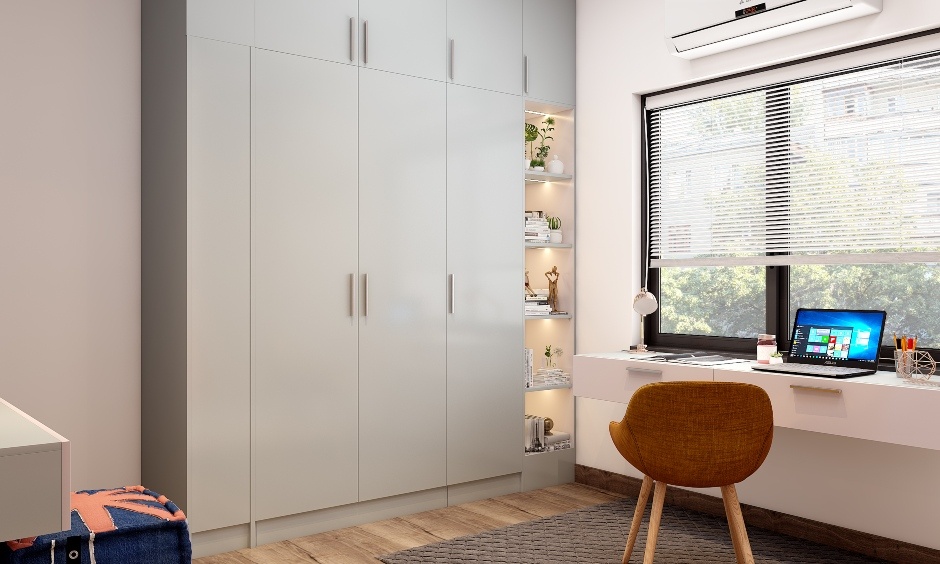
Which Door is Better for You?
- For Kitchens: Laminated doors outperform membrane kitchen doors due to better heat resistance.
- For Bedrooms and Wardrobes: Membrane door varieties offer a sleek, uninterrupted finish.
- For Bathrooms: Laminated doors handle moisture better.
- For Tight Budgets: Membrane doors are more cost-effective in this scenario.
- For Long-term Durability: Laminated doors are the safer choice.
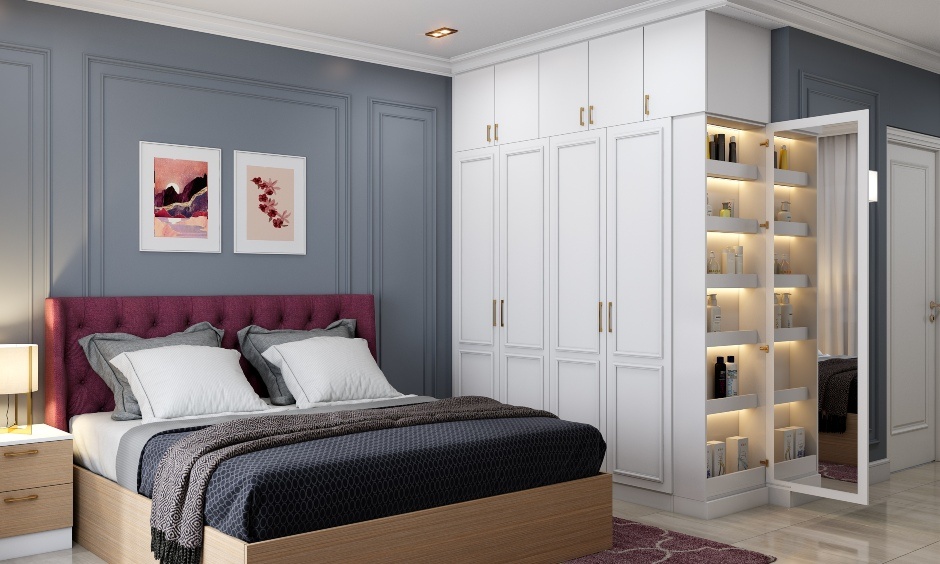
Cost Comparison: Membrane Doors vs. Laminated Doors
In most cases, membrane door prices in India are lower than those of laminated doors, making them an attractive option for homeowners working within a defined budget. The final door price can vary based on factors such as the quality of the core material, door thickness, finish type, and the complexity of the design.
Options like 3D doors or digital membrane doors may cost slightly more than standard finishes but remain budget-friendly overall. Laminated doors, while more expensive upfront, are often seen as a long-term investment. Their higher resistance to scratches, heat, and moisture means fewer repairs and replacements over time. For spaces like kitchens or high-traffic areas, this added durability can translate into better value in the long run, even if the initial cost is higher.
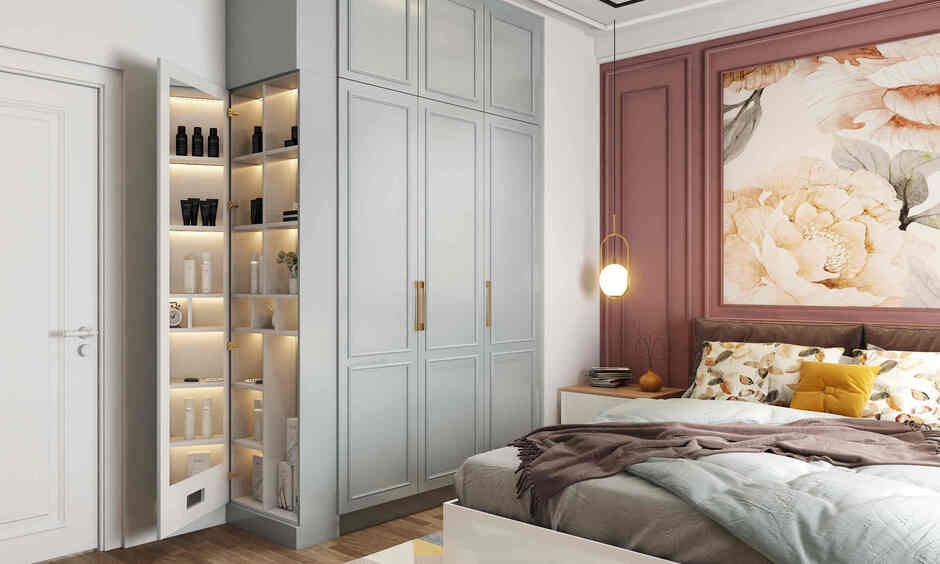
Expert Tips for Choosing the Right Door
- Don’t compromise on core material quality.
- Ask where the door will be exposed to heat or moisture.
- Inspect edge finishing closely.
- Review warranty details.
- Choose based on room function—not just appearance.
- Always check the door membrane sheet quality in person.
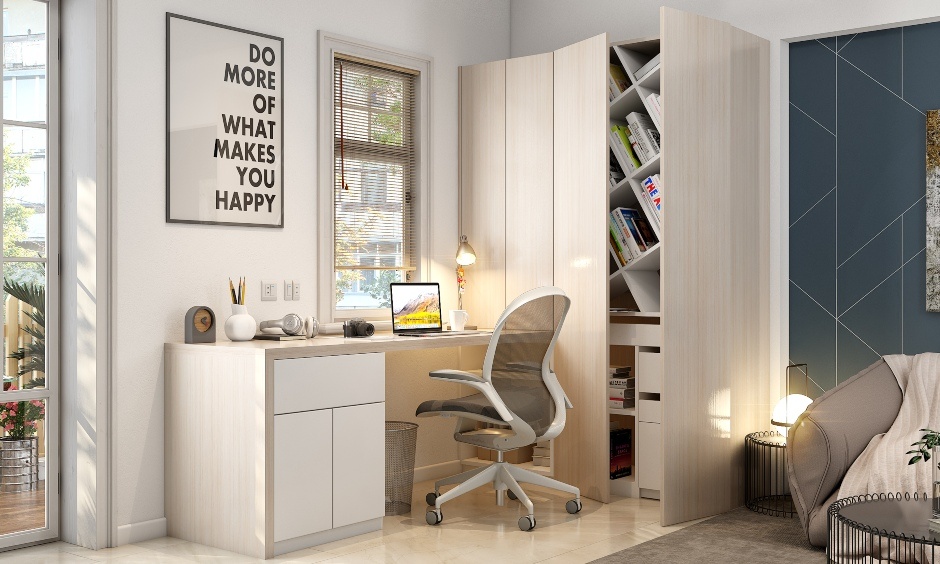
The choice between membrane doors vs laminate doors isn’t about finding a single ‘better’ option—it’s about choosing what works best for your space, lifestyle, and expectations.
Membrane doors are an excellent pick when visual appeal and budget are key priorities, offering a sleek, modern finish that elevates wardrobes and low-impact interiors. Laminated doors, on the other hand, stand out for their strength and reliability, making them a smarter choice for areas that face daily wear, heat, or moisture.
When chosen thoughtfully, the right door continues to perform and age beautifully for years to come. Unsure about where to start? Talk to the experts at DesignCafe for more.
FAQs
1. Which is more durable — membrane doors or laminated doors?
Laminated doors are more durable and handle daily wear better.
2. What are membrane doors made of?
They are made by pressing PVC sheets over MDF or HDF boards.
3. What materials are used to make laminated doors?
Laminates are bonded to MDF, plywood, or particle board cores.
4. Which door type is better for interior use — membrane or laminated?
Both options work well, depending on usage and location.
5. Are laminated doors more expensive than membrane doors?
Yes, laminated doors typically cost more.
6. Which door type requires less maintenance?
Both are easy to maintain, but laminated doors are more forgiving.
7. Are laminated doors resistant to heat and moisture?
Yes, they perform significantly better in high-heat and moist areas.