Select Category


AI Summary
4 key insights · 1 expert tipMost kids' playroom ideas online assume a spare room. Most Indian flats don’t have one. A play zone needs about 25 square feet. Low open storage and a soft floor fit into a bedroom corner or one end of the living room. This guide covers zoning without a dedicated room and toy storage a child will actually use. It also covers safe flooring, walls, shared setups and cost.
KEY INSIGHTS
- A play zone needs roughly 25 sq ft, not a whole room.
- Open, low storage gets tidied. Deep toy boxes do not.
- Anti-skid vinyl or interlocking foam beats hard tile for play areas.
- Anchor every tall unit to the wall, without exception.
 DESIGNCAFE EXPERT TIP
By our design team
DESIGNCAFE EXPERT TIP
By our design team
Tasneem Arsiwala, Studio Manager, DesignCafe, Thane, suggests, “Put the storage at your child’s shoulder height. Anything above that becomes your job to tidy, every single day.”
You do not need a spare room. You need a corner and a plan.
Your living room has a toy basket. The bedroom floor has a train set, and the dining table has become a craft desk. Nothing is wrong with your storage. Most kids’ playroom ideas fail because the toys never had a dedicated place.
A playroom in an Indian flat is seldom a room. At most, it is a defined corner – a boundary for your child. This guide helps you with zoning, not decorating. Where the zone goes, how the storage works and what it costs. Let’s begin.

Kids Playroom Ideas That Children Enjoy
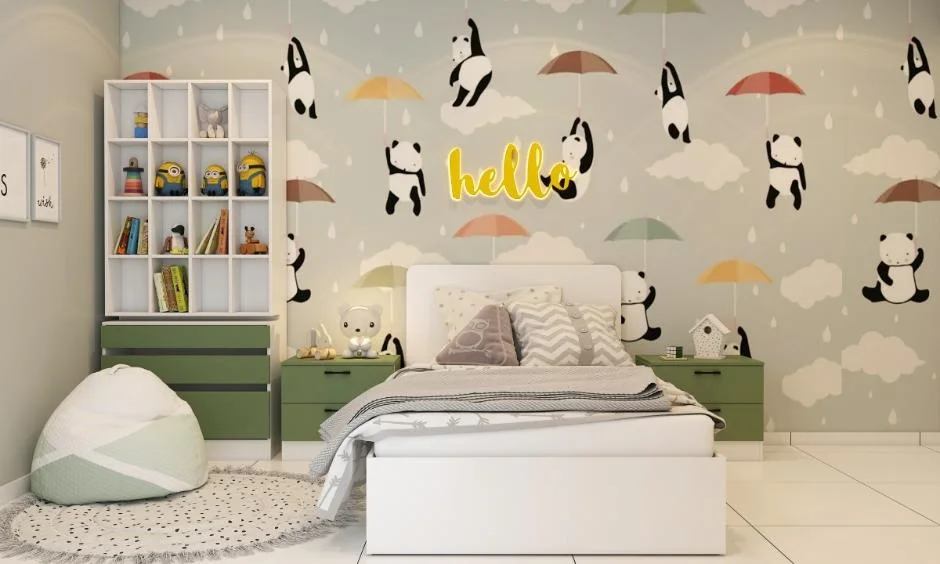
The best kids’ playroom ideas have one thing in common: Children can see and reach what they use.
- Low bookshelf with front-facing books
- Shallow bins for different toy categories
- A mat that marks the play area
Most kids’ room decorating ideas start with how the room looks. A useful playroom starts with how easily a child can use it. Add a small table around 45cm high, and you have a spot for drawing, puzzles and snacks without adding more furniture.
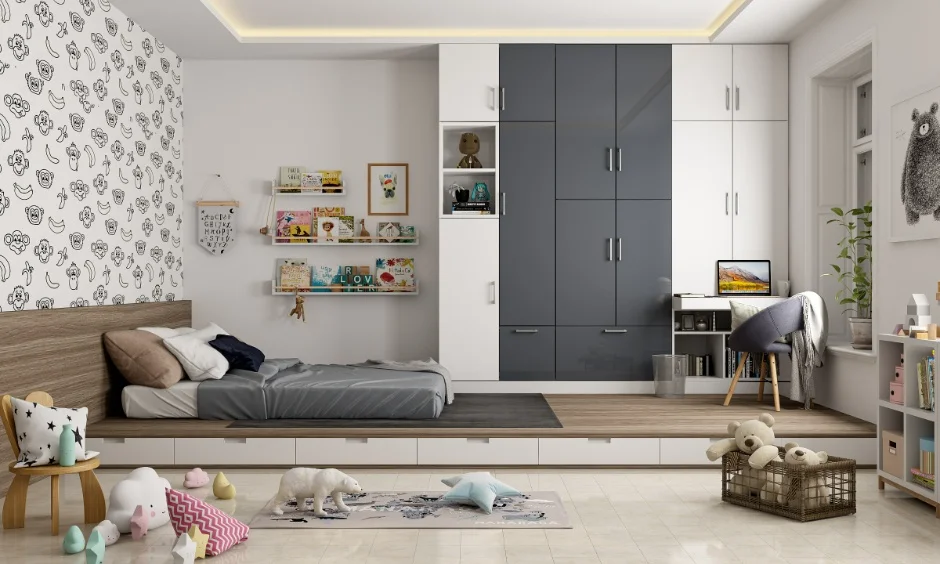
No Spare Room? Kids Playroom Ideas For One Corner
You do not need a separate room. Zoning can turn one corner of a bedroom or living room into a defined play area. Use a rug, a painted section or a low shelf to mark the boundary.
- In the Kids’ Bedroom: Push the bed against one wall and use the opposite corner for play. A 5×5 ft mat is enough for most children under eight. Keep the play zone clear of wardrobe doors and other daily-use furniture.
- In a Living Room Corner: Choose a corner away from the TV and main walkway. A low storage unit with doors lets you hide the toys when the day is over.
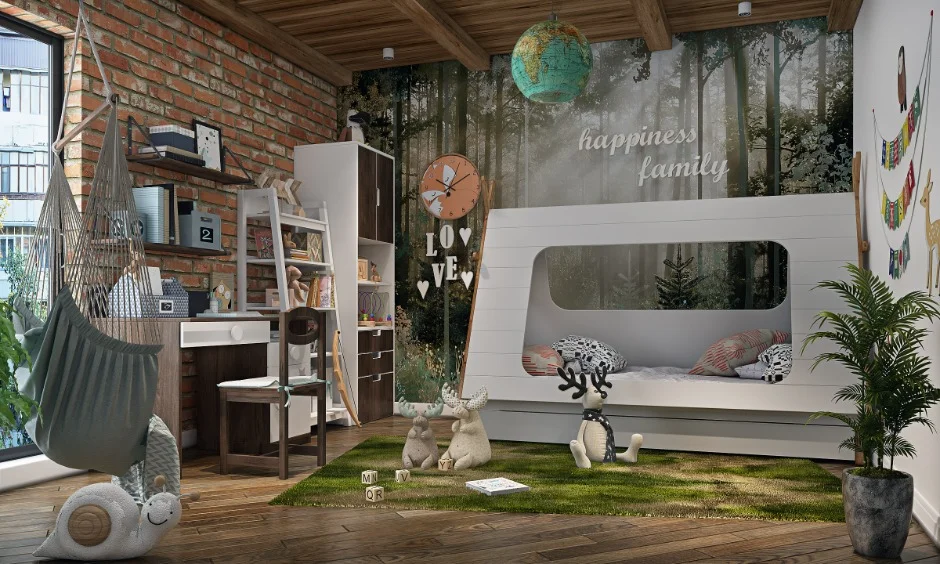
Kids Room Storage That Gets Tidied
Good kids room storage is low, shallow and sorted by category.
Deep boxes make children empty everything to find one toy. Open shelves with shallow bins make both playing and tidying easier. For children under five, use picture labels instead of words. They can identify where things belong without needing help.
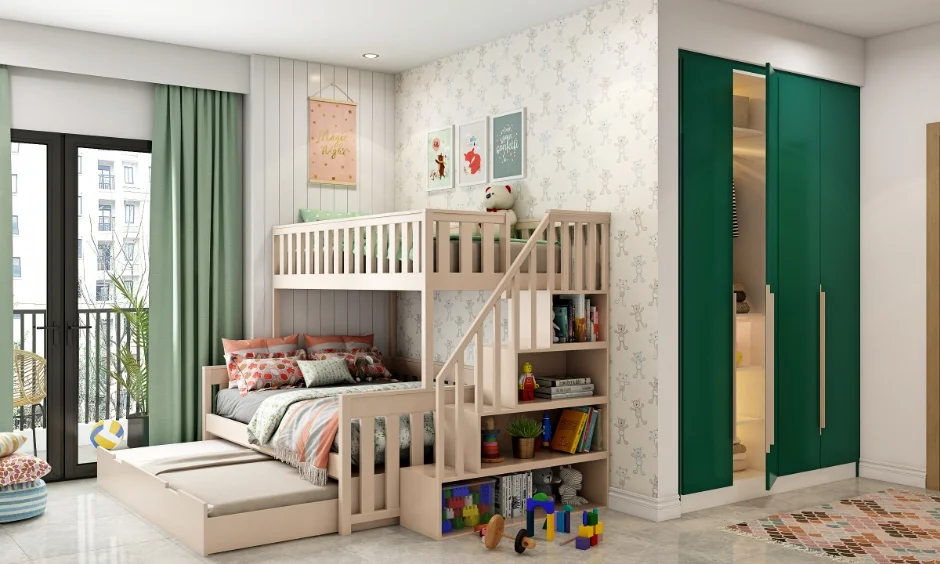
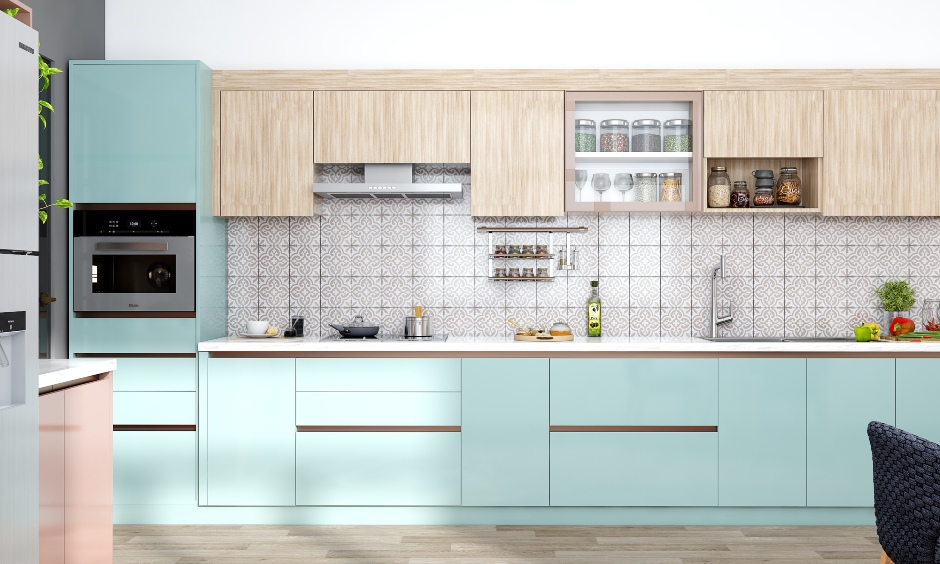
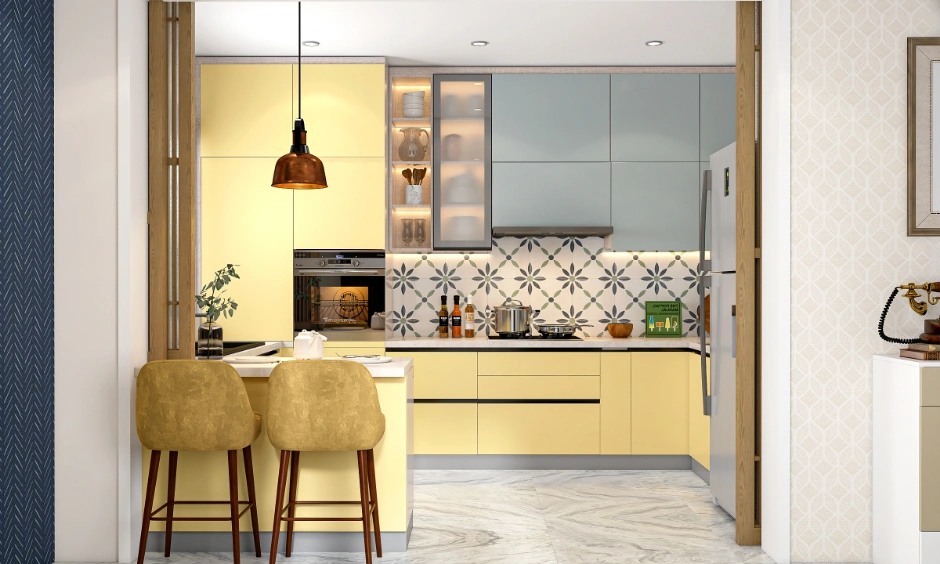
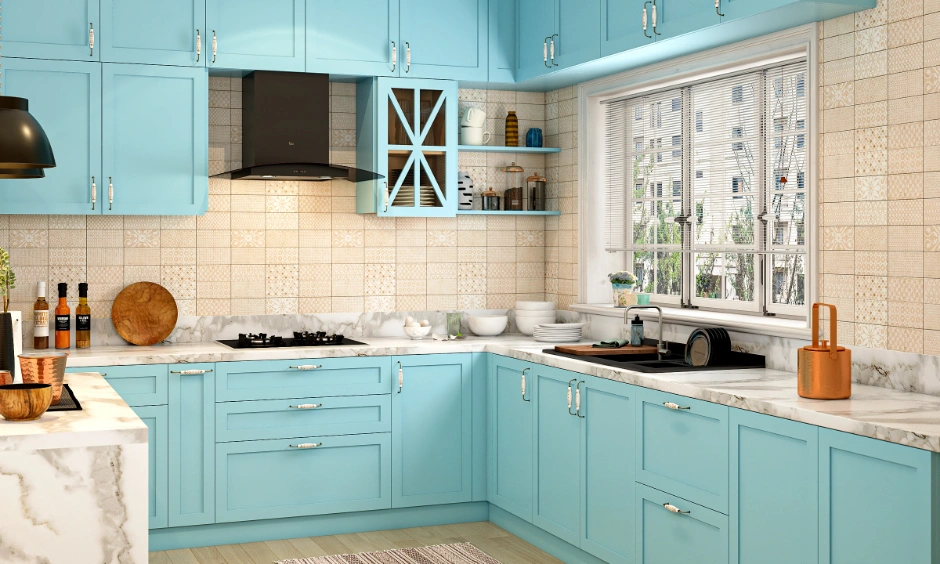
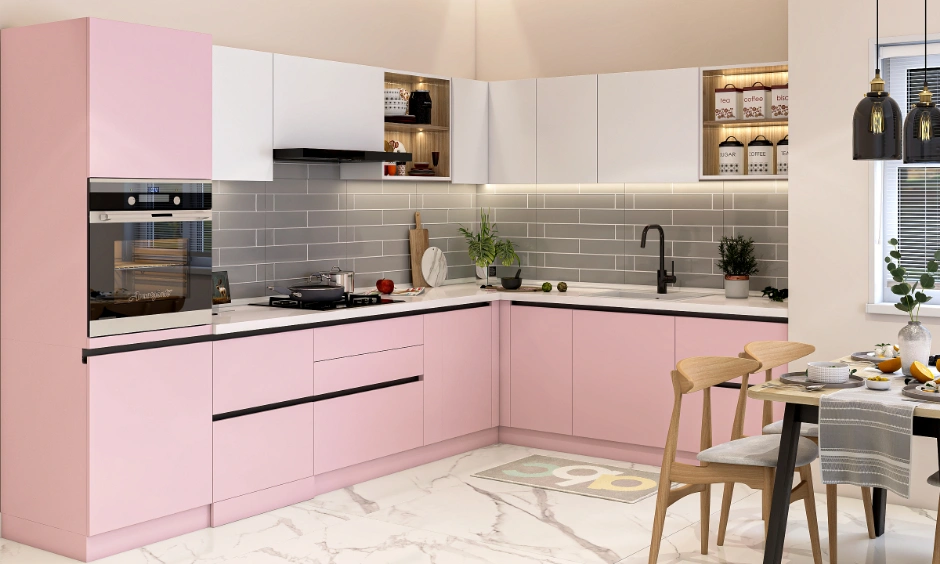
Playful Kids Interior Design Ideas

Kids Playroom Flooring And Mats
The floor takes the most abuse in a playroom, so choose something safe and easy to clean.
- Interlocking foam tiles: Cushioned, removable and easy to clean.
- Anti-skid vinyl: Practical over existing tile and handles spills well.
- Avoid: Glossy vitrified floors and deep-pile rugs, which can be slippery or difficult to clean.
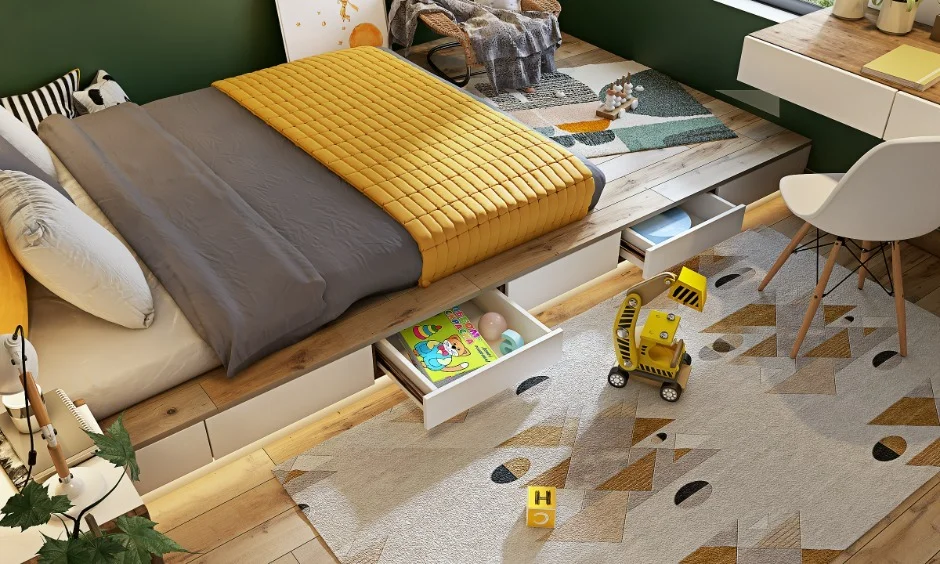
Kids Room Wall Design With Paint, Decals And Pegboard
A good kids room wall design should do more than add colour.
Washable mid-tone paint is more forgiving of fingerprints than white or very dark shades. A chalkboard panel creates a drawing surface without taking up floor space.
Pegboards are especially useful because you can move hooks, baskets and shelves as your child’s needs change. Decals are another easy way to update the theme without repainting.
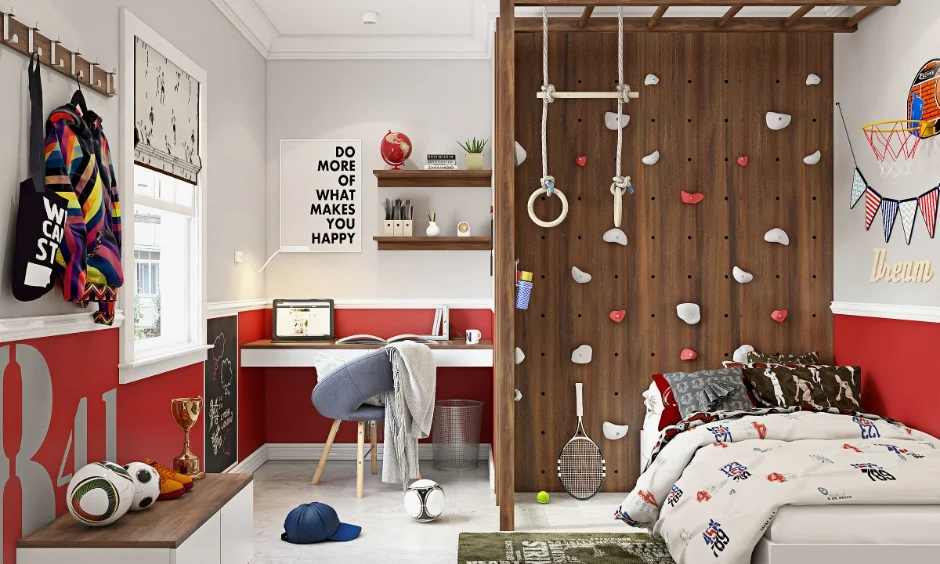
Reading Nooks And Activity Tables Every Kids’ Playroom Needs
A playroom also needs a place to slow down.
Create a reading nook with a cushion, soft light and front-facing book storage. Keep it away from the main play area so the two zones do not compete.
For drawing, blocks and homework, a 45-50cm-high activity table with two chairs can work for years. Choose a wipeable surface over one that needs delicate care.
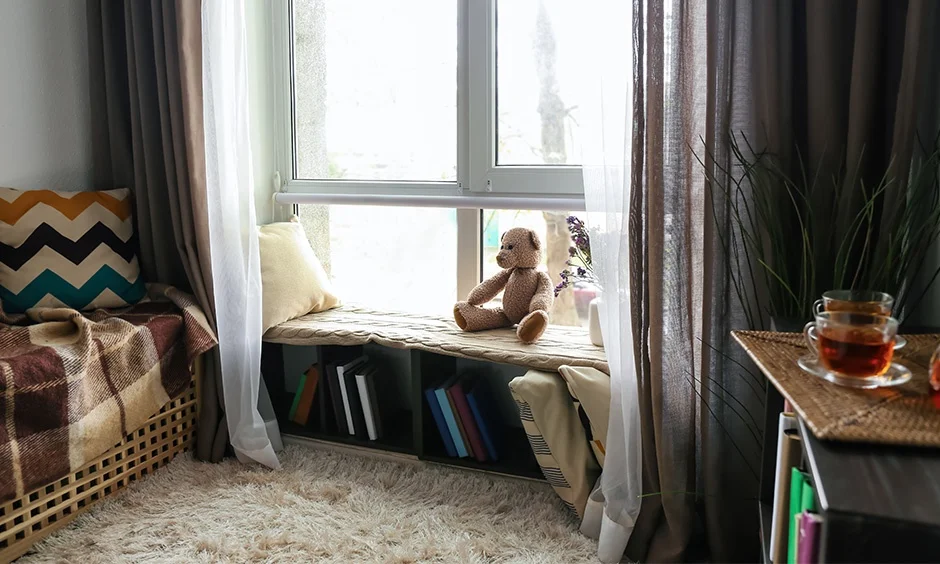

Kids Room Furniture That Grows With Your Child
The biggest mistake with kids’ room furniture is buying for the child’s current age.
Instead, choose:
- Height-adjustable tables and chairs
- Wardrobes with adjustable hanging rails
- Beds and storage that can serve more than one stage
Skip heavily themed beds shaped like cars or castles. They can become difficult to reuse once the novelty wears off.
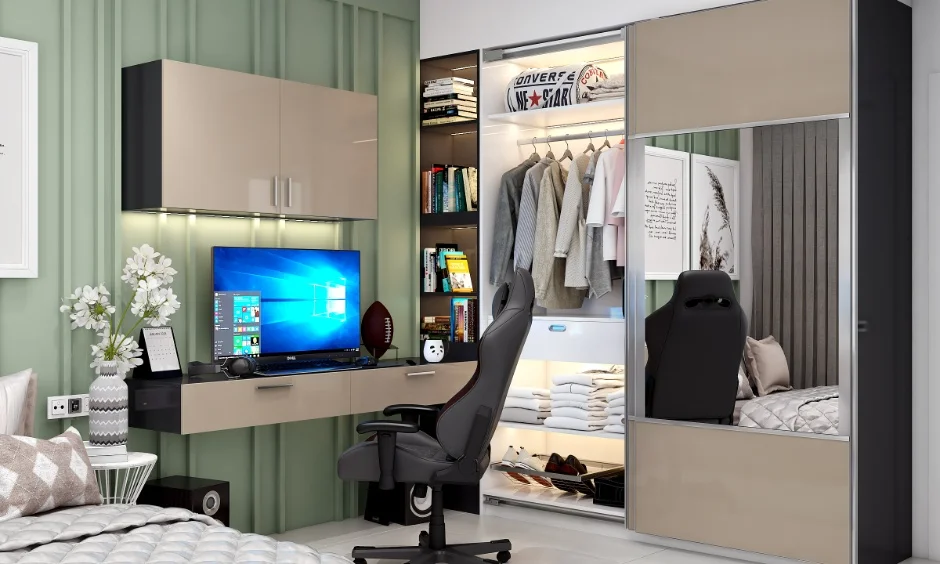
Kids Playroom Safety Essentials
Safety matters more than style when designing a child’s room.
- Anchor tall units and bookshelves to the wall.
- Round or cushion sharp corners within reach.
- Use cordless blinds instead of looped cords.
- Cover accessible electrical sockets.
- Keep small parts and craft supplies out of reach of young children.
Recheck furniture anchors whenever you move a unit.
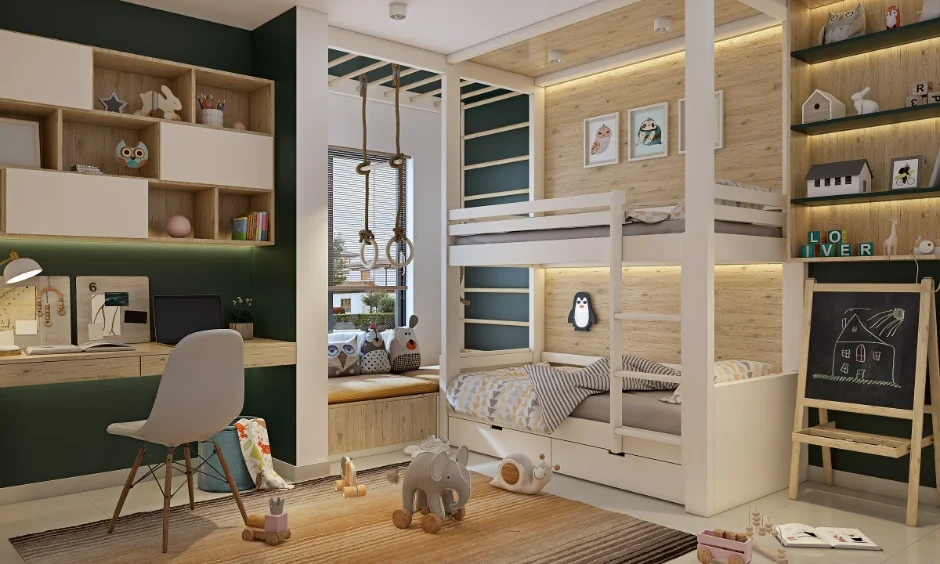
Kids Room Design For Two Kids Sharing One Space
A shared room works best when each child has some personal space.
Give each child their own shelf and storage bin, while sharing the floor, table and books. There is no need to duplicate everything. If the children are different ages, keep the younger child’s toys low and store small-part games higher up.
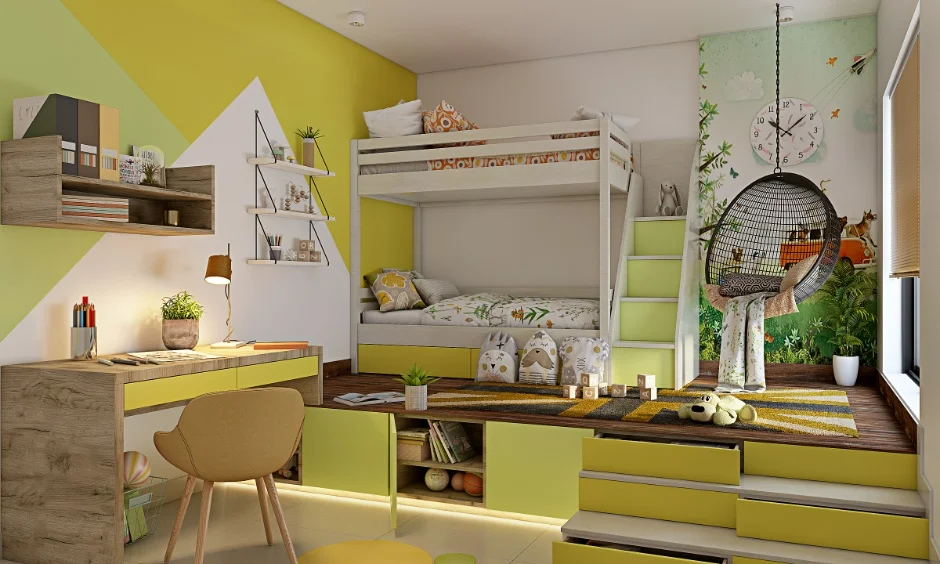
Small Kids Room Ideas When Floor Space Is Tight
Small kids room ideas mostly focus on going vertical and keeping the floor clear.
- Use a wall-mounted fold-down table.
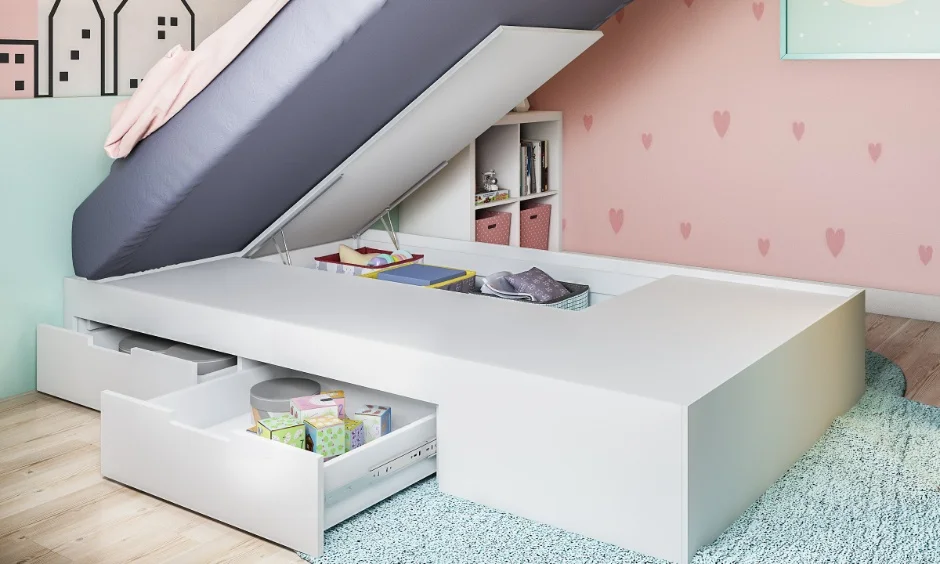
- Add drawers under the bed.
- Use over-door organisers for soft toys.
- Keep everyday items within easy reach.
The goal is simple: protect the open floor. In a small room, that is the most valuable play space you have.
Kids Playroom Ideas On A Budget
Budget kids’ playroom ideas start at about ₹8,000 and caps at about ₹40,000.
| Item | Indicative cost |
|---|---|
| Foam floor tiles, 25 sq ft | ₹4,000-10,000 |
| Low open shelf unit | ₹6,000-14,000 |
| Activity table and two chairs | ₹4,000-9,000 |
| Pegboard wall, 4×3 ft | ₹3,000-6,000 |
| Storage bins, set of six | ₹1,500-3,000 |
You can pick and choose from these elements. Spend on the floor and the storage. DIY kids room decor can come later, and children don’t notice the difference.
How DesignCafe Plans Your Kids’ Playroom?
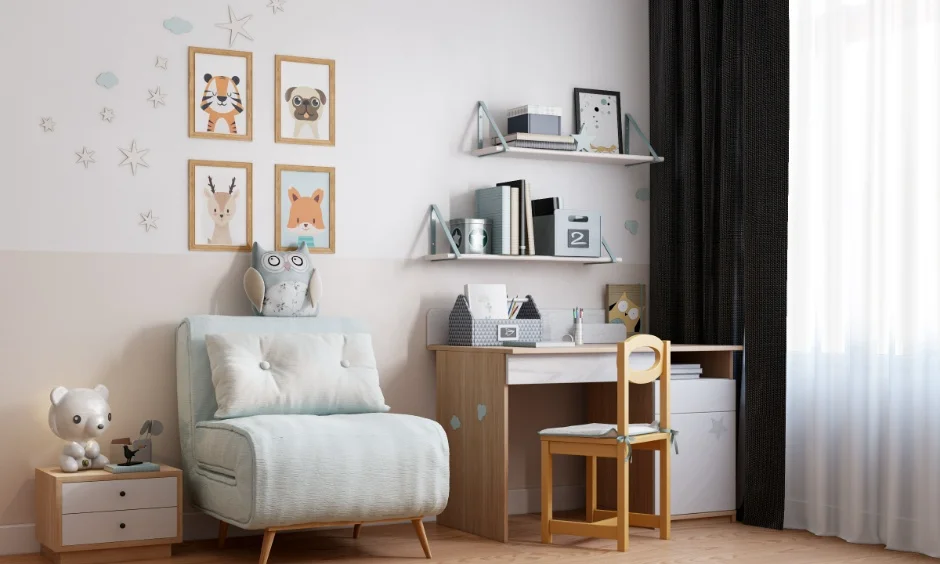
Our designers plan the play zone as part of the room layout, rather than squeezing it in afterwards.
That helps decide where storage goes, which areas stay open and how the room can adapt as your child grows. See finished spaces in our kids bedroom design gallery, or explore our guide to kids room storage for practical ways to keep the space tidy.
Final Thoughts
The best kids playroom is not necessarily a separate room. A well-defined 25 sq ft zone can be enough.
Keep the floor soft, storage low and accessible, and tall furniture securely anchored. After that, leave some room for your child to make the space their own – because no matter how carefully you design it, they will.
Ready to take the next step? Book a free consultation.
Still need more time to think? Explore our blog section for more design inspirations.
FAQs
1. How do you create a play area without a separate room?
Define a corner with a rug or paint block, add low open storage and a soft floor. About 25 sq ft is enough for a child under eight.
2. What is the best toy storage for a kids’ playroom?
Shallow open bins on low shelves, sorted by toy type and labelled with pictures. Deep toy boxes get emptied rather than searched.
3. Which flooring is safest for a playroom?
Interlocking foam tiles or anti-skid vinyl. Both cushion falls and clean easily, unlike glossy vitrified tile.
4. How do you design a play space for two children?
Give each child a personal shelf and bin, then share the floor, table and books. Keep small-part toys out of a younger child’s reach.
5. What should a playroom cost?
Between ₹8,000 for a basic corner and ₹40,000 for a fitted zone with custom storage. Flooring and shelving take most of it.
6. How do you make a playroom easy to tidy?
Storage at your child’s shoulder height, one bin per category, and picture labels. If tidying needs an adult, it will not happen daily.