Select Category


AI Summary
4 key insights · 1 expert tipA structured interior design material selection checklist helps homeowners compare finishes, evaluate durability and prioritise high-impact areas before making the purchase decisions. By planning materials in advance, understanding finishes and verifying specifications, you can avoid hidden costs and unnecessary upgrades. This smart guide explains how to strategically select interior materials to achieve a stylish, functional space while keeping your interior design project within budget.
KEY INSIGHTS
What You’ll Read Here:
- Understand differences between common surface finishes to make smart & cost-effective choices.
- Learn how to allocate your interior design budget across categories like carpentry, flooring and finishes.
- Practical strategies you can use to prevent hidden expenses and maintain budget control during interior projects.
- Discover how factors like grade, thickness, durability and maintenance impact both cost and performance.
Best For: First-time homeowners planning their home interior design and comparing material options before starting interior work, apartment interiors where cost control is essential.
 DESIGNCAFE EXPERT TIP
By our design team
DESIGNCAFE EXPERT TIP
By our design team
Craft your living space with an intention by focusing on comfort, functional layouts and most importantly, natural interior design materials that reflect your lifestyle for timeless appeal.
Glance through this smart yet simple interior materials checklist to design your beautiful home interior design without overspending.
Why Does the Material Selection Determine Your Interior Budget?
Without careful planning, modern homeowners often focus only on the aesthetics and overlook the long-term costs. Every element in the interior design – flooring, cabinetry, finishes, hardware, lighting – comes with multiple price levels. Even a small upgrade in the finish or hardware can significantly increase the overall budget when it is applied across large areas. For example, selecting premium plywood and designer wall panels can quickly push a home interior project beyond the initial budget when used in a large living space.

Step-By-Step Interior Design Material Selection Checklist
- Define Budget Allocation by Category: Set a total budget before choosing materials. Allocate funds across major categories to prevent overspending in any one area and ensure balanced spending throughout the project. Early budget allocation helps control design choices and ensures that high-cost interior materials do not dominate the overall project budget.
| Category | Suggested Budget % |
| Modular Furniture (Kitchen, Wardrobes, Storage units) | 45 – 55% |
| Loose Furniture (Sofa, Dining, Chairs, Beds) | 15 – 20% |
| Lighting Fixtures | 8 – 10% |
| False Ceilings & Wall Treatments | 10 – 12% |
| Decor & Accessories (Curtains, Rugs, Artwork) | 5 – 8% |
| Contingency Buffer | 8 – 10% |
- Prioritise High-Impact Areas: Certain areas in your home are visually dominant and should receive closer attention in terms of materials and finishes. Investing in durable, visually appealing and eco-friendly interior design materials can elevate the overall aesthetic, while less visible areas, such as utility storage and internal shelving, can use more budget-friendly materials. By strategically prioritising high-impact areas, modern homeowners can create a premium look without overspending on every element.
- Compare Material Grades, Not Just Brands: Many modern homeowners focus only on brands, but grade and specifications are often more important than the brand name. Comparing these material grades helps ensure that you are paying for the actual performance benefits rather than just branding. In other words, it allows you to choose materials that match the functional requirements of each space without paying unnecessarily for premium options.
- Ask for Material Specifications in Writing: A detailed material specification document helps prevent confusion and unexpected upgrades during the interior design project. This document should clearly specify the type of material, brand, thickness, finish, colour code, and installation method, making it easier to compare quotes from different contractors and ensure the same materials are used. Without written specifications, contractors may substitute materials that look similar but differ significantly in quality.
- Check Durability and Maintenance Needs: Selecting contemporary materials in interior design based solely on appearance can lead to higher maintenance costs later. Some finishes may look luxurious but require frequent cleaning, polishing or careful handling. For example, high-gloss surfaces tend to show fingerprints and scratches more easily than matte finishes. Choosing durable, easy-to-maintain materials ensures your home interior remains attractive without constant upkeep.
- Avoid Over-Customisation: Custom designs can significantly increase costs due to additional labour, specialised tools, and unique material requirements, even if they allow creative freedom. Consider using modular or standard-size furniture and cabinetry wherever possible, as they often reduce material wastage and installation time. Balancing customised elements with standardised components allows homeowners to achieve a personalised look without dramatically increasing the overall project costs.
- Verify Hardware Quality: Hardware components (hinges, drawer channels, handles and sliding mechanisms) play a critical role in the durability of furniture and cabinetry. These small components may seem insignificant individually, but they can collectively impact the total budget. Investing in high-quality hardware ensures smooth operation and reduces the likelihood of future repairs or replacements. Before finalising your materials, always confirm the brand, warranty and quality grade of all hardware components included in the project.
- Understand Finish Upgrades: Understand the finish upgrades and their relative cost differences, as they help modern homeowners decide where upgrades are truly worth the investment and where they are not required at all.
Glance at the table below for clarity:
| Base Option | Premium Upgrade | Cost Impact |
| Laminate shutters | Acrylic finish | 30–40% higher |
| Laminate shutters | Veneer finish | 40–60% higher |
| Standard laminate wardrobe | Glass shutter wardrobe | 35–50% higher |
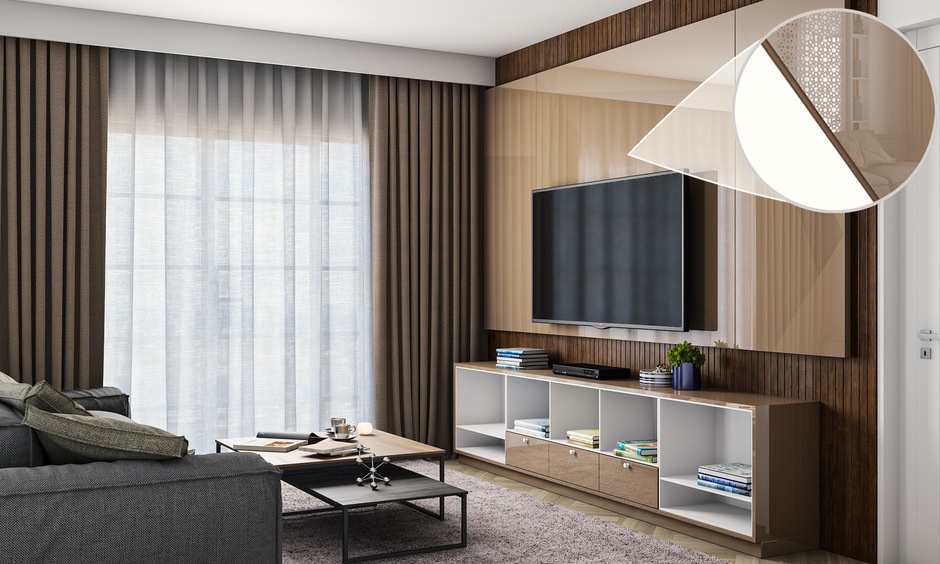
| Basic laminate TV unit | Fluted panels / PU paint finish | 25–45% higher |
| Regular laminate kitchen | High-gloss acrylic kitchen | 30–40% higher |
| Standard lighting fixtures | Designer lighting | 40–70% higher |
- Evaluate Long-Term Value Over Initial Cost: Choosing the cheapest material may save money initially but can lead to higher long-term expenses from repairs or replacements. Evaluating materials based on durability, maintenance requirements and lifespan ensures better overall value rather than focusing only on upfront costs. Materials that are slightly more expensive but highly durable often provide better long-term value. For example, moisture-resistant boards in kitchens and bathrooms prevent damage caused by humidity in the long run.
Space-Saving Interior Designs



Red Flags To Avoid During Material Selection for Interior Design
- Vague quotations from interior designers that lack detailed material specifications.
- Frequent design changes during the project that require additional labour and materials.
- Choosing premium materials for every interior element rather than selectively using them in key areas.
- Lack of proper planning, unclear communication with contractors and failure to compare multiple quotes.
Smart Cost-Control Tips While Choosing the Best Material for Interior Design
- Mix premium materials with budget-friendly alternatives (e.g., a premium finish with standard laminate).
- Select the interior design materials that are locally available to avoid the high transportation costs.
- Order the interior materials in standard sizes to minimise the overall wastage during installation.
- Early material finalisations prevent impulsive upgrades that could increase the project budget.
Sample Material Comparison Table (Decision Aid)
| Material | Best For | Budget Level | Durability | Maintenance |
| Laminate | Wardrobes, TV units, kitchen shutters | Budget-Friendly | High | Very Low |
| Acrylic | Kitchen cabinets, wardrobes | Medium–High | High | Moderate |
| Veneer | Premium furniture, living room units | Premium | Moderate–High | Moderate |
| PU Paint Finish | Luxury wardrobes, panels | Premium | High | Moderate |
| Membrane | Budget wardrobes, kitchen shutters | Budget–Medium | Moderate | Low |
| Glass Shutters | Modern kitchens, display units | Medium–High | High | Moderate |
| Solid Wood | Premium furniture pieces | High-End | Very High | High |

How Can a Structured Design Firm Help With New Materials in Interior Design?
- They prepare detailed material schedules, cost breakdowns, and design drawings before executing the plans.
- They maintain relationships with suppliers/manufacturers, which helps them obtain materials at competitive prices.
- They provide transparent documentation and structured planning that reduces the chances of unexpected expenses.
- They guide clients in selecting interior design materials that balance aesthetics, durability, and long-term cost.
Wrapping Up
Material selection is one of the most critical decisions in any interior design project because it directly influences both the visual outcome and the overall cost. A well-planned material selection process ensures that every choice aligns with the project’s financial limits while still achieving the desired aesthetic and functional goals. In addition, a structured interior design material checklist serves as a roadmap, guiding every decision throughout the project by providing clarity, transparency, and better financial planning.
Whether working independently or with a professional interior design solutions company like DesignCafe, following a smart checklist can help homeowners achieve stylish and functional interiors without exceeding their budget. In this regard, book your free consultation with us today, and our team will guide you through the entire project.
FAQs
1. How do you choose interior design materials without exceeding my budget?
- Set a clear budget and allocate it by room/element (kitchen, wardrobes, flooring).
- Compare at least 2-3 options for each item or material (finish, hardware, panels).
- Prioritise functional materials for high-use areas & decorative ones for visible spaces.
- Choose standard sizes and readily available materials to avoid any customisation costs.
2. What interior materials increase the interior design costs the most?
- Natural materials are more expensive than engineered options.
- Premium surface finishes usually raise costs significantly.
- Custom carpentry, designer hardware and imported fittings can greatly increase budgets.
- Specialised lighting systems and smart home integration can also add significant costs.
- Large wall claddings and decorative panels can quickly escalate the overall project cost.
3. How do acrylic, laminate and polyurethane finishes compare in terms of cost?
- Laminate Finish: Budget-friendly | Easy to maintain | Ideal for wardrobes/cabinets.
- Acrylic Finish: More expensive | Prone to scratches | High-gloss premium look
- Polyurethane finish: Luxury appearance | Requires skilled labour | Accent finish
4. What should be included in an interior design material selection checklist?
- Maintenance needs
- Material type
- Dimensions
- Application area
- Quantity
- Brand names
- Colour codes
- Hardware details
- Finish type
- Warranty
- Installation method
5. How do you avoid hidden interior design material costs while quoting?
- Ask for a detailed ‘bill of quantities’ instead of a lump-sum quote.
- Verify if taxes, fittings, hardware and accessories are also included.
- Confirm whether costs include logistics, installation, polishing and wastage.
- Check if the design revisions and customisations will add additional costs.
- Compare multiple quotations to identify unusual pricing differences.
6. What are the most common interior design material selection mistakes homeowners make?
- Choosing materials based only on looks rather than durability and maintenance.
- Ignoring the long-term maintenance costs of high-gloss and/or delicate finishes.
- Overlooking structural materials (plywood) while focusing only on surface finishes.
- Mixing too many premium materials inflates the overall budget.
- Not checking the actual material samples before giving the final approvals.
7. How can a structured interior material checklist prevent overspending?
- It helps track every material item and its cost before procurement begins.
- It prevents last-minute upgrades or changes that increase the expenses.
- It makes it easier to compare alternative materials within the same budget.
- It ensures transparency between the designer, contractor and homeowner.
- It helps monitor quantities and avoid the ordering of excess materials.