Select Category


AI Summary
5 key insights · 1 expert tipThese real interior design case studies show how Indian families managed storage, budgets, layouts, and everyday living before investing in finishes and decor.
KEY INSIGHTS
- Smart Storage: How small homes added storage without major civil work.
- Budget Splits: Where homeowners saved money and where they spent more.
- Priority Zones: Why kitchens and living rooms got the biggest budgets.
- Material Play: Material choices that balance cost, durability, and maintenance.
- Versatility: Real examples from rentals, apartments, and villas.
 DESIGNCAFE EXPERT TIP
By our design team
DESIGNCAFE EXPERT TIP
By our design team
Good interiors start with identifying the biggest problem in the house first. The design decisions become much easier after that.
5 real home interior case studies. Real budgets. Real decisions. Zero guesswork.
Interior design case studies work like a GPS for your home renovation.
Designers’ renders show the final output, just like a map shows the destination. But GPS shows every turn, shortcut, and pothole. These 5 interior design case studies do the same for your home design project.
They show you real decisions, real budgets, real results across different home sizes and family needs in Indian cities. Read them before you commit to a single tile or wardrobe.
What Makes Interior Design Case Studies Valuable For Homeowners?
- Beyond Inspiration: Learning From Real Projects: Design renders rarely show the real material costs or what the designer had to skip. Interior design case studies show the problem, the fix, and the trade-off in every decision.
- Understanding Design Decisions And Trade-Offs: Every home interior case study involves trade-offs. If you spend more on the kitchen, the bedroom budget needs to be adjusted. These case studies show you the logic behind every decision made and how interior designers balance priorities.
- Applying Case Study Insights To Your Home: Case studies offer a reality check before you get carried away with design inspiration. They show how similar homes were transformed, the solutions designers used, and what those decisions actually cost.
Interior Case Study 1: Compact 2BHK Apartment Transformation
Project Overview (Size, Budget, Family Needs)
Size: 850 sq ft.
Family: Couple + one school-going child.
Budget: ₹7–10 lakhs.
Need: They wanted a functional kitchen, two full wardrobes, a child’s study corner, and a living area that did not feel cramped.
Key Challenges (Space Constraints, Storage Issues)
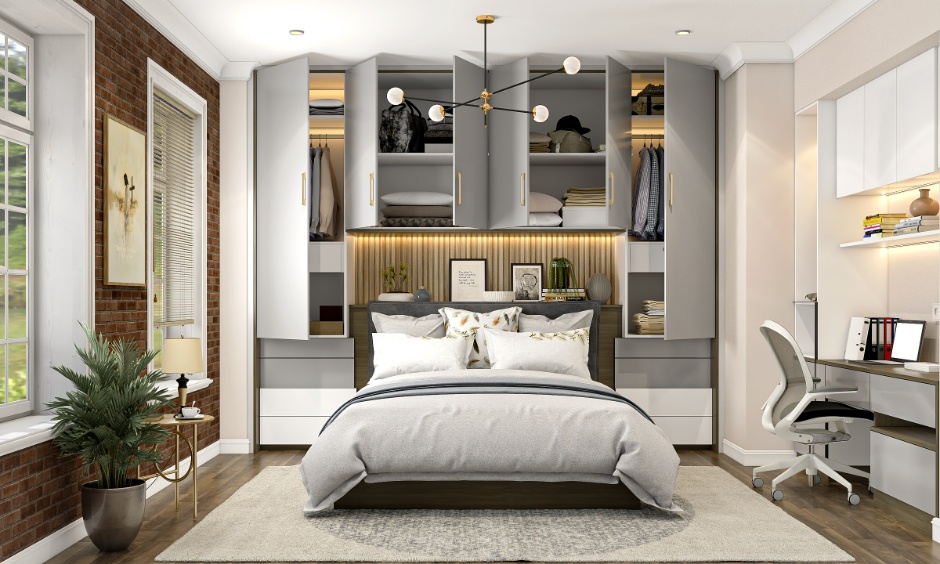
Storage was the biggest problem in a home this size. Clothes, kids’ books, and kitchen items clutter every surface. But breaking walls was beyond the budget.
Design Solutions Implemented
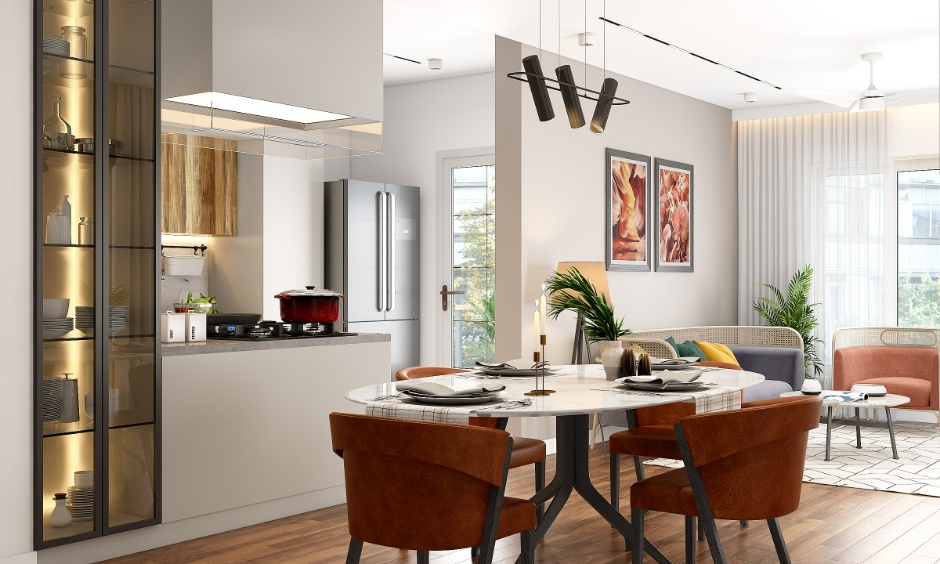
- Floor-to-ceiling loft-style wardrobes maximised storage in both bedrooms.
- G-shaped kitchen packed in pull-outs, carousel units, open shelves, and an appliance garage for better organisation.
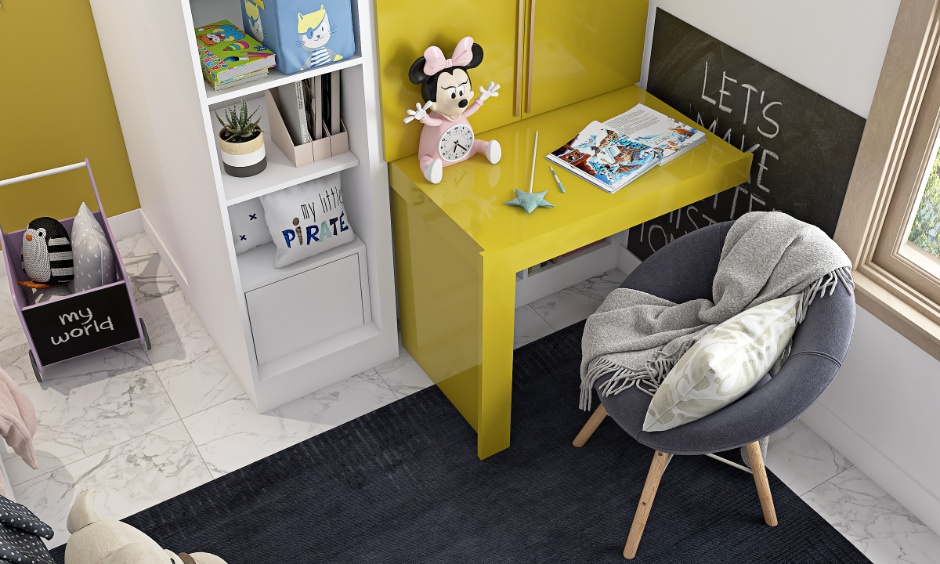
- A pull-out study desk created a portable study corner in the kids’ bedroom.
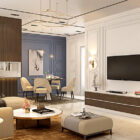
- The living room got extra storage with a sleek TV unit with push-to-open drawers and wall cabinets.
Before vs After Impact
Before: Cluttered space with mismatched furniture and no workable storage.
After: Every corner had a job. The home did not get bigger. It got smarter.
Key Takeaways
- Vertical space is free real estate that most homeowners waste.
- Light colours help to expand a room without structural changes.
- A G-shaped kitchen adds more storage than an L-shaped kitchen in the same footprint.
2 BHK Interior Design Ideas




Interior Case Study 2: Modern 3 BHK for a Growing Family
Project Overview
Size: 1,350 sq ft.
Family: A couple with two children.
Budget: ₹12–15 lakhs.
Functional Requirements (Storage, Multi-Use Spaces)
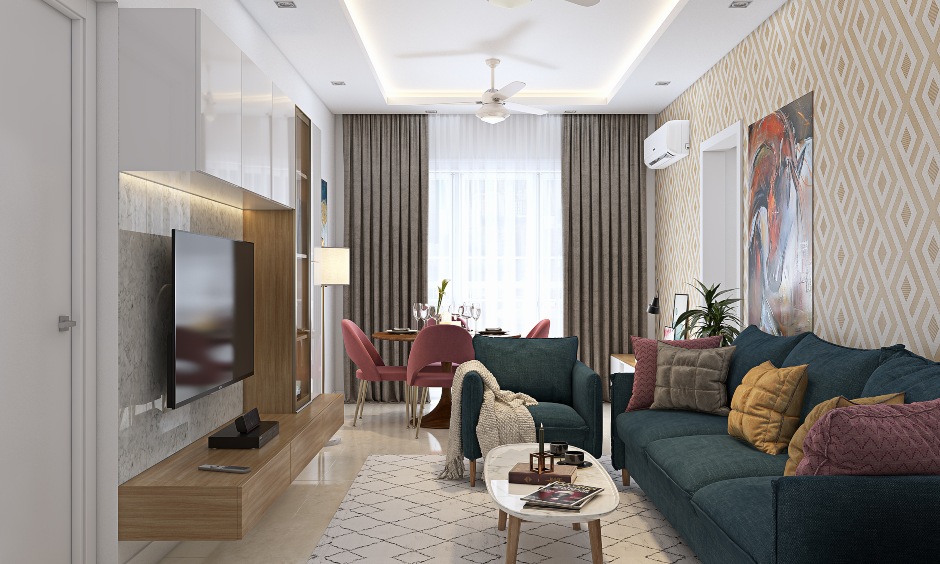
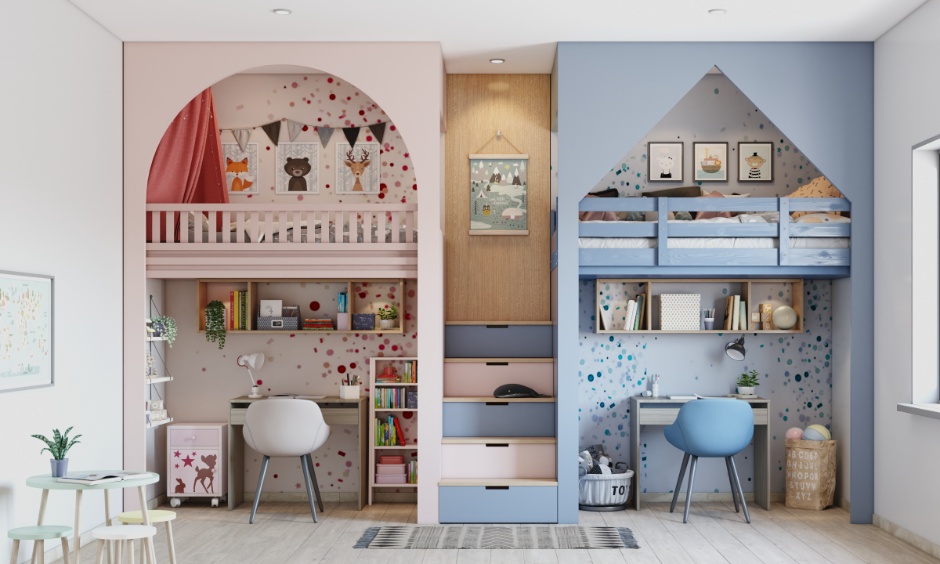
The kitchen needed overhead and base cabinets. The living room needed a TV unit with hidden storage. The children’s room could use a bunk bed with individual study zones.
Material And Layout Decisions
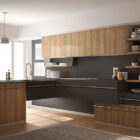
- The kitchen used a parallel layout. White cabinets above, warm wood finish below.
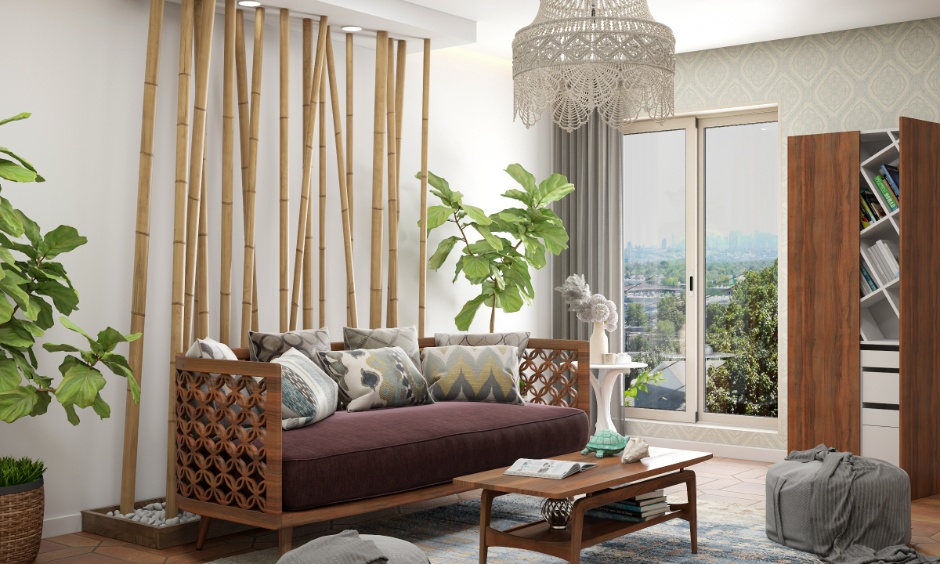
- The living room got a TV unit with vertical wood strips for texture.
- A modular bunk bed with hidden storage and separate study corners were added in pastel colours.
Cost Optimisation Strategies
They skipped false ceilings in the bedrooms to avoid additional cost and keep the ceilings high, and chose laminate over veneer on wardrobe shutters. These two moves saved ₹1.5-2 lakhs that went into a better kitchen and sofa.
Key Takeaways
Skipping false ceilings in bedrooms is a clean saving. A parallel kitchen layout adds counter space at no extra cost. Laminate wardrobes are a considered choice, not a compromise.
Interior Case Study 3: Budget-Friendly Rental Home Interiors
Project Overview
Size: 800 sq ft, rented 2BHK
Family: Young professional couple
Budget: ₹3-4 lakhs.
Requirement: No structural changes, no heavy drilling, everything reversible at move-out.
Budget Constraints
Small budget. No built-in joinery or permanent fixtures can be used.
Smart Low-Cost Design Choices
- The bedroom wall used peel-and-stick wallpaper.
- Freestanding open shelving handled storage.
- A daybed replaced the need for both a sofa and a guest bed.
Where They Saved vs Spent
- Saved on permanent fixtures and built-in wardrobes.
- Spent on a good mattress, quality curtains, and statement light fittings.
Key Takeaways
- A rental budget is a design brief in itself.
- Peel-and-stick wallpaper adds drama without permanence.
- Spend on what you use daily: the bed, the curtains, the light.

Home Interior Case Studies 4: Premium Apartment With Luxury Finishes
Project Overview
Size: 1,600 sq ft 2BHK.
Family: Professional couple
Budget: ₹18-22 lakhs.
Design Vision And Aesthetic Goals
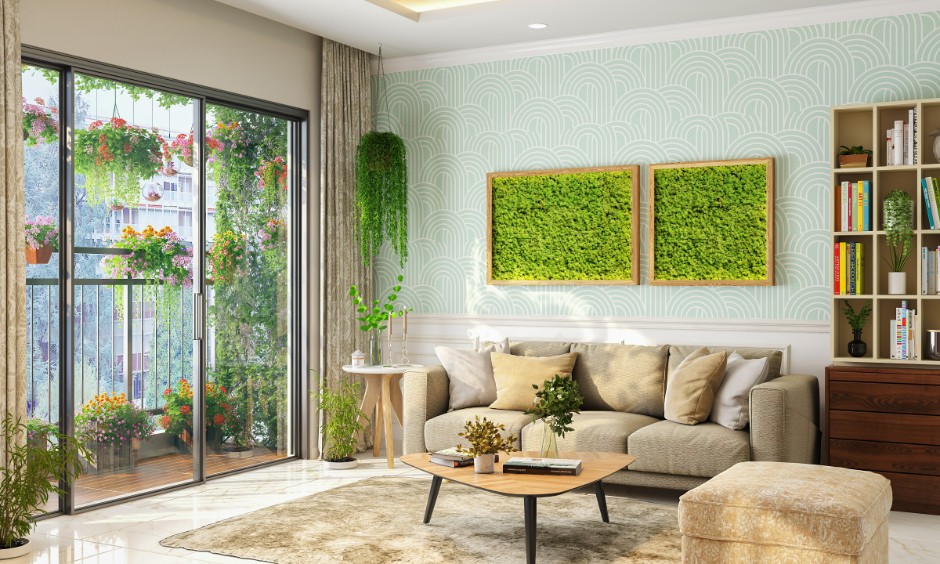
The living room should be centred around a tufted beige sofa and a deep navy geometric rug, while the rest of the space is to be kept intentionally open and airy.
Material Selection And Customisation
The kitchen used full-height cabinets in warm grey with a matt finish. Flooring used large-format marble. Wardrobe shutters used fluted glass for style.
Execution Challenges
- Lead time on custom items tested the timeline.
- Brass hardware took six weeks.
- The designer front-loaded civil work and painting to keep everything on track.
Key Takeaways
Premium interiors are built on restraint: fewer, better things placed well. Matt finished kitchen cabinets need less maintenance than their glossy counterparts. Large-format marble gives an upscale vibe effortlessly and makes the space feel bigger.
Interior Design Transformations 5: Villa Interior With Custom Design Elements
Project Overview
Size: 3,200 sq ft across three floors
Family: 6 members across three generations
Budget: ₹35-45 lakhs
Requirement: Every floor had different daily needs
Large Space Planning Challenges
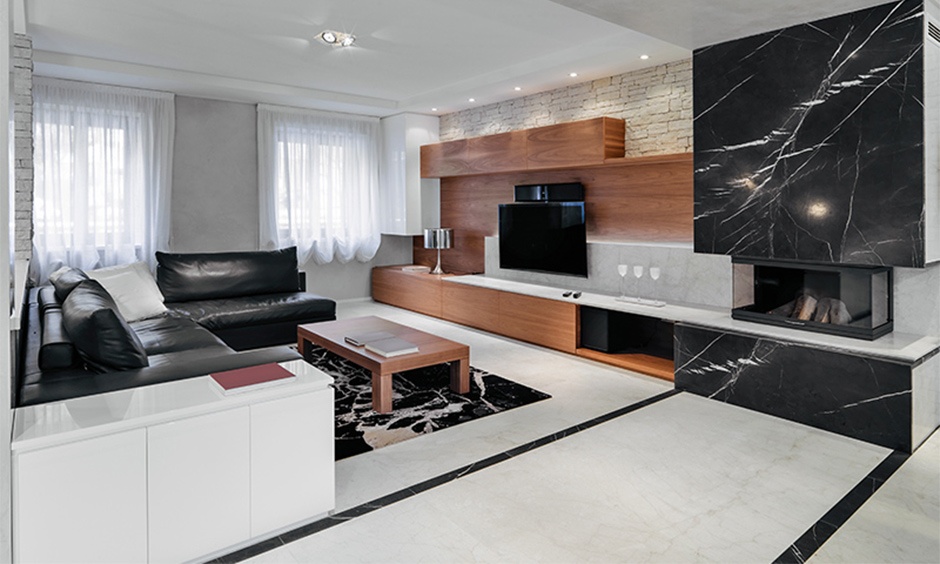
Corridors felt too long. Rooms disconnected. The designer created a visual flow so that the living, dining, kitchen, and pooja room felt connected.
Custom Furniture & Layout Solutions
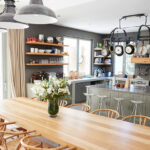
The dining table was built 2.4 metres long to seat 8. The grandparents’ bedroom had a wider doorway and a grab bar in the bathroom. Children’s zone used bunk beds with study nooks.
Integration Of Indoor-Outdoor Spaces
The ground-floor sit-out is connected to the living room through a sliding glass door. Weather-resistant furniture turned it into the go-to space for weekend relaxation.
Key Takeaways
Multi-generational homes need customisation for every user. In larger layouts, visual continuity matters just as much as functionality, and thoughtfully designed furniture often has a bigger impact than expensive finishes.
Common Patterns Across All Interior Design Case Studies
| Common Pattern | Key Insight |
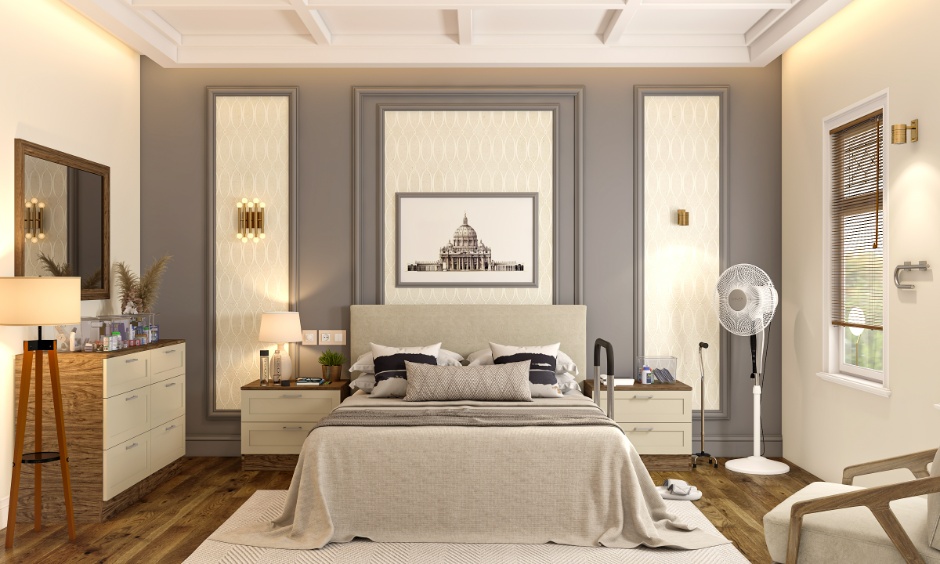
| Space Optimisation | Floor-to-ceiling storage and multi-use furniture maximised space without looking cluttered. |
| Budget Allocation | Higher budgets were allocated to kitchens, living rooms, and master bedrooms, while secondary spaces remained practical. |
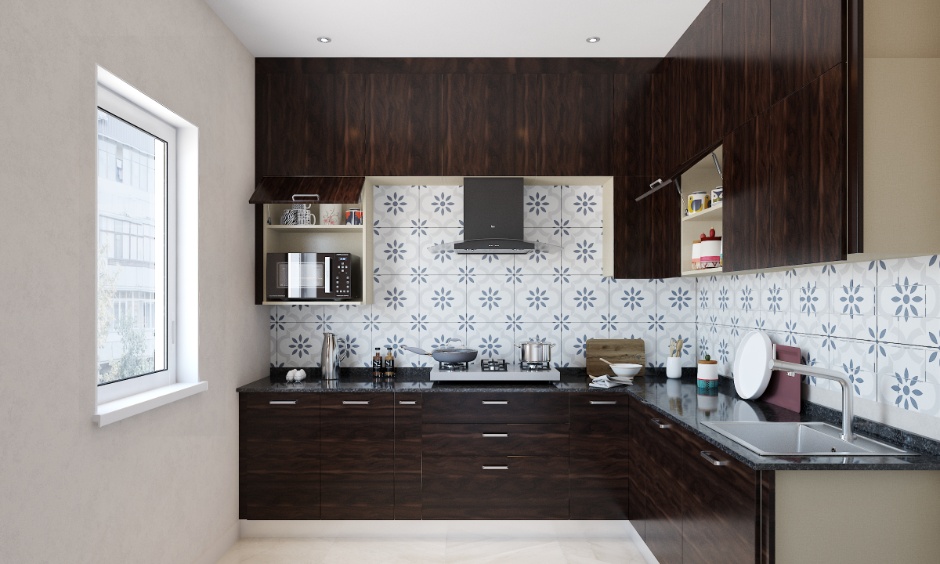
| Material Choices | Vitrified tiles, laminates, veneer finishes, and glossy cabinets balanced durability, upkeep, and cost. |
| Mistakes Avoided | Finalising the floor plan before furniture selection prevented blocked layouts and sizing issues. |

What You Can Learn From These Interior Design Case Studies?
How To Define Your Priorities?
Ask yourself what your home needs beyond aesthetics. Families with kids need durable materials. A renter needs flexibility and easy-to-move items.
Balancing Budget, Aesthetics, And Functionality
Most homeowners often end up prioritising one area over another. These case studies show how balanced looks, practicality, and budget can make a home feel more meaningful and intentional.
Importance Of Professional Planning
Professional planning reduces rework and wrong purchases. A free consultation with an interior designer during the initial planning stage saves money later.
How To Apply These Case Study Insights To Your Own Home?
Reading interior design case study examples is easy. But applying the learnings to the design plan is tricky.
Start with what your home lacks, not just how you want it to look. Maybe you need more hidden storage, better mood lighting, or a layout that works for a growing family.
Look for a case study that matches your home size, budget, or family setup. Use it as your reference to understand what is realistically possible, where compromises can be made, and which upgrades matter the most.
When you meet your designer, these references can help them understand your needs far better than a folder full of random inspo images.
Final Thoughts: Turning Inspiration Into Action With Interior Design Solutions
Interior design transformations look simple once finished.
The families shown in these real home interiors succeeded because they made decisions in the right order: brief first, floor plan second, materials third, furniture last. The difference is rarely the money. It is how early the planning started.
Use DesignCafe’s free cost calculator. Then book a free consultation and turn your ideas into a real plan that works for your family.
FAQs
1. What are interior design case studies?
They are documented records of real home projects. They cover the brief, problems, design decisions, and the final outcome.
2. How can case studies help in home design?
They give you real reference points for budgets, layouts, and material choices instead of guessing.
3. What should I look for in a case study?
Look for a project that matches your home size, budget range, or family profile. Pay attention to the challenges solved.
4. Can I replicate designs from case studies?
You can adapt the principles. A designer can take the ideas and fit them to your exact space and budget.
5. How do designers solve space problems?
They reorganise what already exists first. Vertical storage, multi-use furniture, and better lighting fix most issues without touching walls.