Select Category

What is Feng Shui and Why Does It Matter In Your Home? Unlock the secrets to a balanced and harmonious living space with our simple guide.
This blog introduces the ancient art of Feng Shui and explains its importance in modern interior design. It breaks down core principles into actionable tips, showing how to create a balanced, harmonious home by optimising the flow of energy, or ‘Chi’. The guide demystifies Feng Shui, presenting it as a practical tool for improving well-being through mindful design choices.
What You Will Read Here:
- An explanation of Feng Shui and its core principles.
- Practical tips on decluttering, furniture placement, and balancing the five elements.
- Guidance on using colour, light, and room-specific layouts to enhance positive energy.
- Simple, actionable steps to apply Feng Shui concepts to any home.
Best For: Homeowners and renters interested in creating a more positive and harmonious living environment, and anyone curious about how ancient design principles can be applied to modern life.
Expert Tip: As shared by Uthra Sheshadri, Deputy Manager, DesignCafe Experience Centre, MG Road, Bangalore, “Feng Shui isn’t just about superstition; it’s about the flow of energy, or ‘Chi’, within your home. A practical place to start is your entryway, as it represents how energy enters your life. Keep this area distinct, bright, and clutter-free to welcome positive opportunities.”

Ever walk into a room and just feel good, as if the space is giving you a high-five? Or maybe you’ve felt a room was off? That’s the subtle power of energy flow, also known as Feng Shui. This ancient Chinese art arranges your environment for balance and harmony. Think of it as interior design with a soul.
This isn’t about spooky superstitions or turning your home into a temple (unless you want to). It’s about choosing your home decor & furniture placement mindfully to improve the flow of ‘Chi’ (life force energy). Good Chi flow brings better health, happiness, and prosperity. Bad Chi leads to stubbed toes and discomfort. We’ll explore core feng shui principles, why they matter, and how you can use them to turn your home into a harmonious haven.
What is Feng Shui?
At its heart, Feng Shui is the practice of arranging your environment to allow for the optimal flow of positive energy. The words ‘Feng’ (wind) and ‘Shui’ (water) are two natural elements in Chinese culture associated with good health and fortune. The practice is rooted in the idea that our homes are a mirror of what’s happening inside us. By improving our surroundings, we can improve our lives. Essentially, feng shui interior design means mindfully shaping your space to support the life you want.
While some people compare feng shui & Vastu Shastra, another ancient architectural science from India, the two have distinct origins and methods. The debate of comparison is complex, but both share the goal of creating harmonious living spaces.
Declutter Your Space With Feng Shui Principles
Before you can even think about balancing elements or choosing a feng shui door colour, you must face the ultimate boss level: clutter. In the world of Feng Shui, clutter is more than just a mess; it’s stuck, stagnant energy that clogs up your life. It represents postponed decisions and an inability to move forward.
Getting rid of stuff you don’t need or love is like an energetic detox for your home. Start small, one drawer or one corner at a time. A clutter-free space allows Chi to flow freely, making your entire feng shui home feel lighter, brighter, and more positive. It’s the foundation for any good design.
Optimise Furniture Placement is Essential in Feng Shui Interior Design
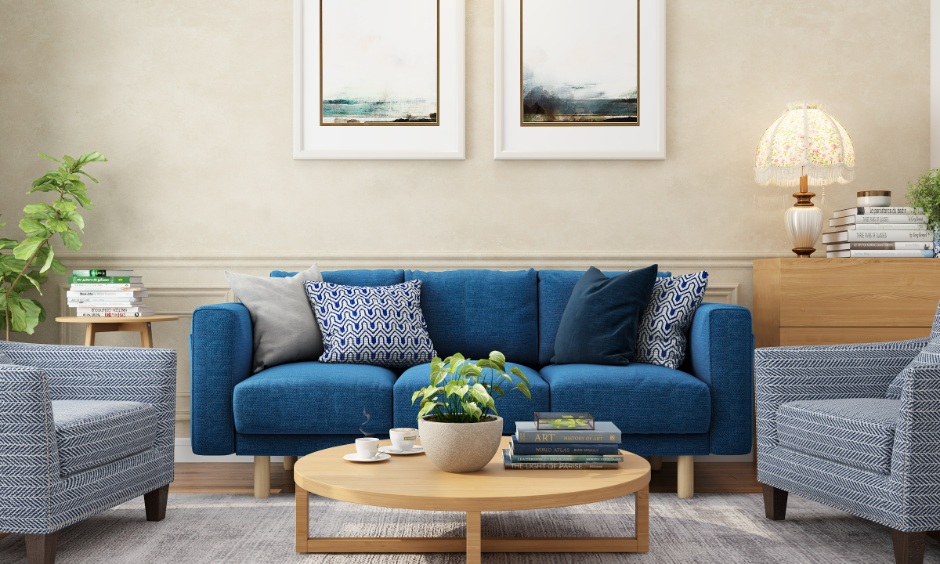
Have you ever sat in a chair with your back to the door and felt vaguely uneasy? That’s your ancient survival instincts kicking in. A key aspect of Feng Shui is placing furniture in the ‘command position’. This applies everywhere, from your couch in the feng shui living room to your bed. This means you should be able to see the door from your seat (or bed, or desk) without being directly in line with it.
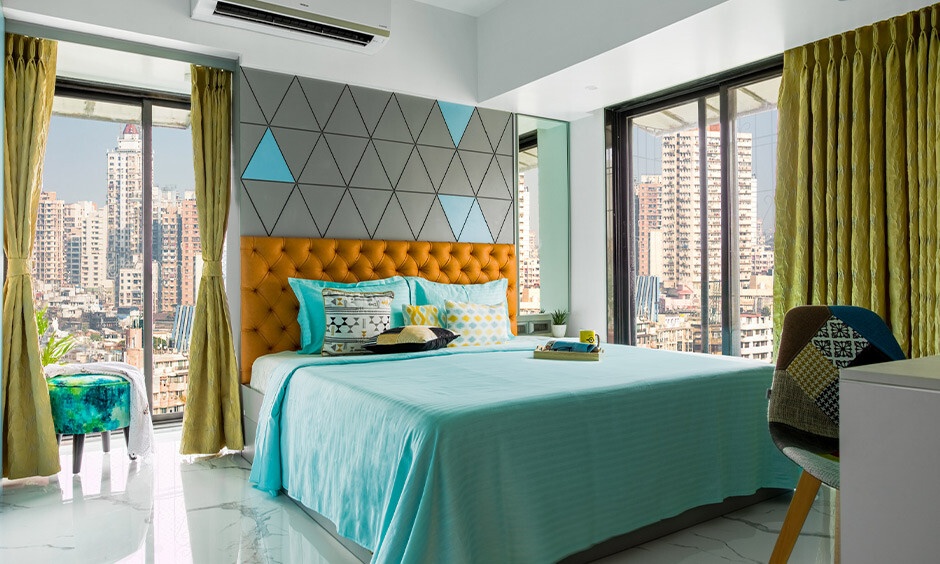
Proper feng shui bed placement is crucial for restful sleep. Your bed should have a solid headboard against a wall and a clear view of the room’s entrance. This positioning gives you a sense of security and control, allowing you to relax fully.

Balance the Five Elements for a Feng Shui Home
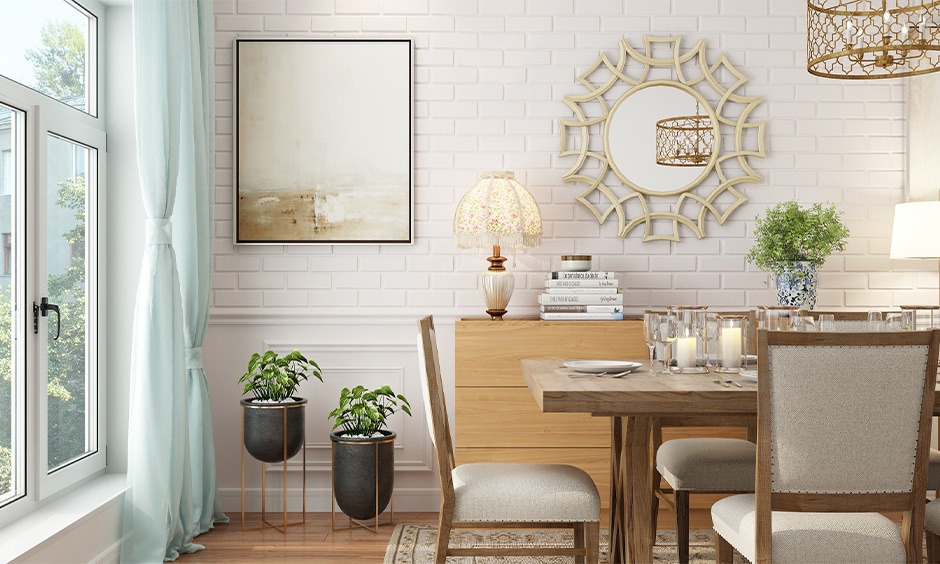
According to Feng Shui, the world is made up of five core elements: Wood, Fire, Earth, Metal, and Water. A harmonious space balances all five.
- Wood: Represents growth and creativity (e.g., plants, wooden furniture).
- Fire: Represents passion and energy (e.g., candles, warm red/orange colours).
- Earth: Represents stability and nourishment (e.g., pottery, earthy tones).
- Metal: Represents logic and clarity (e.g., metal frames, round objects).
- Water: Represents wisdom and flow (e.g., mirrors, wavy patterns, dark blues).
You can incorporate these elements into your feng shui decor to create a specific feeling. Want more passion in your life? Add a pop of ‘Fire’. Feeling scattered? Bring in more Earth elements to ground you.
Feng Shui Home Decorating: Use Colours Wisely
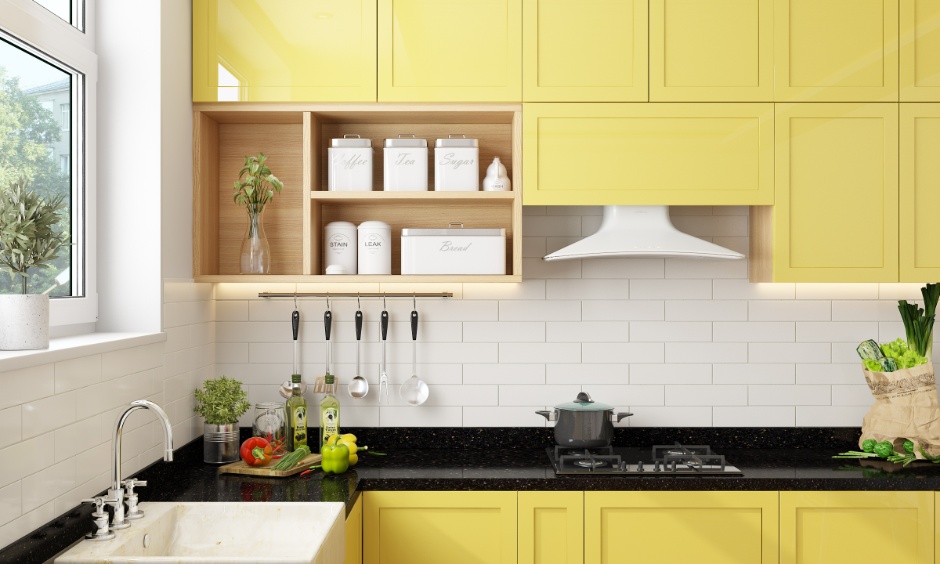
Colour is a powerful tool in both Feng Shui and Vastu Shastra. Each shade corresponds to one of the five elements and can dramatically affect the mood of a room. For example, the right feng shui door colour can attract positive energy. A red door (Fire) is welcoming and bold, while a black door (Water) is calming and introspective.
Inside, calming blues and greens are perfect for the bedroom, promoting rest and tranquillity. In social spaces like the living room, warmer tones such as yellows and earthy browns can create a welcoming, cosy atmosphere. It’s all about using colour with intention to support the room’s purpose.
Enhance Natural Light in Feng Shui Decor
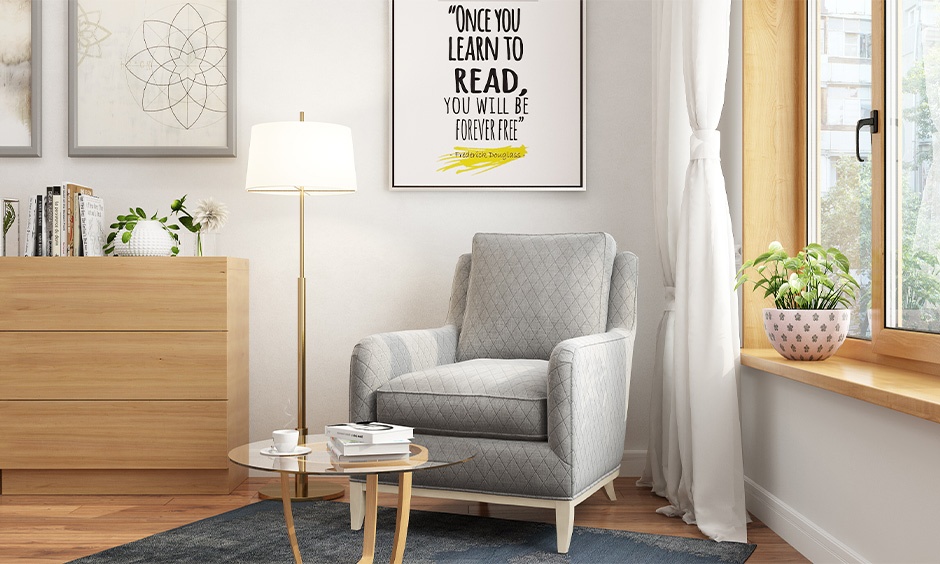
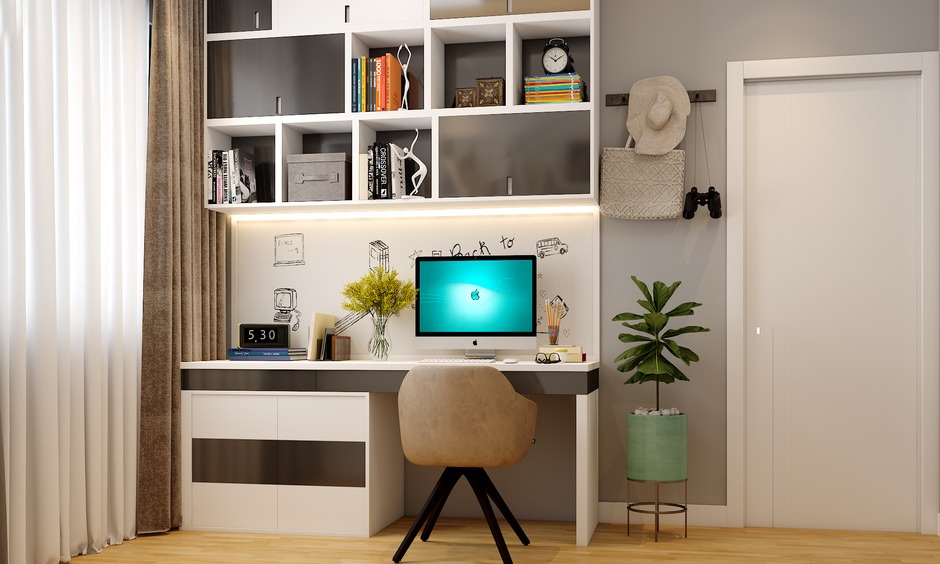
Light is one of the most powerful manifestations of energy. A bright, well-lit home is a happy home. Maximising natural light is a cornerstone of good feng shui interior design. Keep your windows clean (to let the good vibes in!) and use sheer curtains that allow sunlight to filter through.
If a room lacks natural light, you can fake it ’til you make it. Use a combination of ambient, task, and accent lighting to create a bright and airy feel. Mirrors are another fantastic tool; placing a mirror to reflect a window can double the amount of light and energy in a space.

For a Feng Shui Home, Create Harmony in Each Room
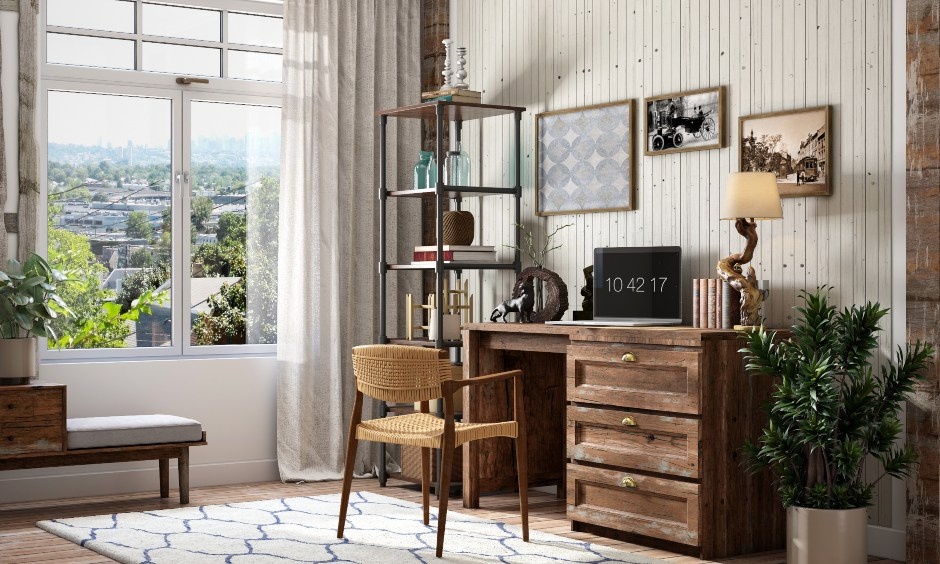
Every room has a purpose, and following energy principles can enhance it. In the feng shui bedroom, the focus is on rest and romance. This means removing distractions like TVs, exercise equipment, and work-related clutter. Optimal bed placement is key here.
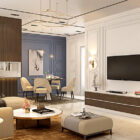
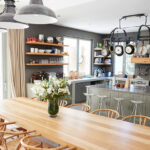
In the living room, arrange furniture to encourage conversation, with seats facing each other. The kitchen, the heart of the home in feng shui vastu, should be clean and bright to promote health and nourishment. By tailoring the design to each room’s function, you create a more supportive and harmonious home.
Practical Feng Shui Tips You Can Follow
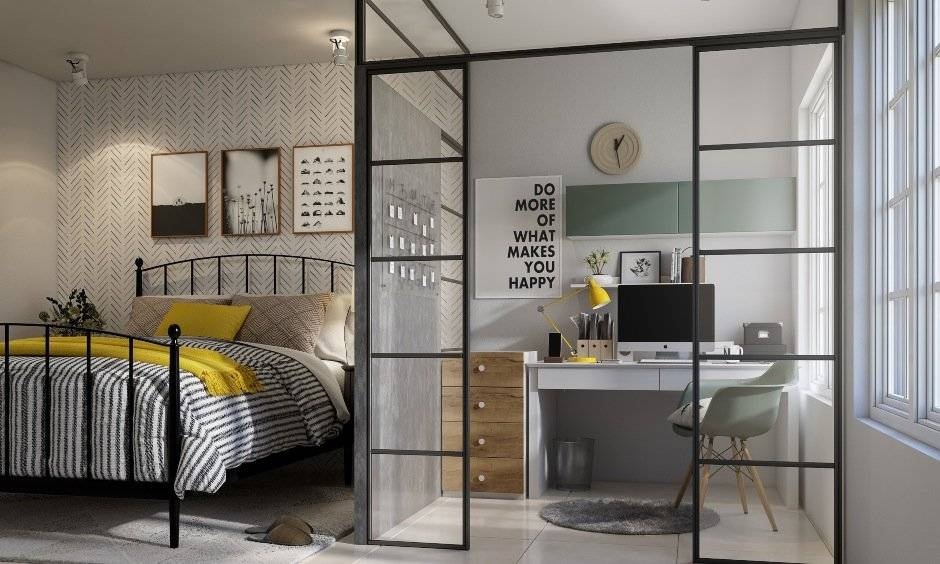
Ready to get your Chi flowing? Here are some simple tips to start:
- Fix Leaky Faucets: In Feng Shui, leaking water symbolises the loss of wealth.
- Keep the Path to Your Front Door Clear: This makes it easier for opportunities to find you.
- Put the Toilet Seat Down: This prevents positive energy (and wealth) from being flushed away.
- Bring in Plants: Live plants bring vibrant Wood energy into your space, but avoid spiky ones like cacti in living areas.
- Use Mirrors, But Wisely: Mirrors can expand a space and circulate energy, but never place one directly facing your bed, as it can disrupt sleep. This is an important rule in both feng shui and vastu shastra.
Start Your Journey to a Harmonious Home Now!
Is Feng Shui the magical solution to all your problems? Probably not. But can it make your home feel more balanced, supportive, and joyful? Absolutely. It’s a practice that encourages you to be more intentional with your surroundings. When you look at the core ideas of both feng shui vs vastu, the goal is universal: to create a home that nurtures your well-being.
Curious about how to apply Feng Shui principles to transform your space? Visit DesignCafe for a free consultation today! Our experts are here to help you craft a home that feels as good as it looks.
Get Inspired Here
FAQs
1. Do I have to buy expensive Chinese statues to “do” Feng Shui?
No, Feng Shui isn’t about buying expensive items. It’s about arranging spaces to promote energy flow and balance, using meaningful, practical items you already own.
2. Why is a mirror facing the bed considered bad Feng Shui?
A mirror facing the bed can disrupt energy flow, causing restlessness. It’s thought to reflect and amplify energy, potentially disrupting a calm, restorative sleep environment.
3. Can Feng Shui really improve my life?
Yes, creating balanced, clutter-free spaces can promote better energy circulation, reduce stress, and improve your mental, emotional, and physical well-being.
4. What is a Bagua Map?
A Bagua Map is a Feng Shui tool that overlays a space to identify areas linked to aspects of life, like health, wealth, and relationships, for balanced design.
5. What is Feng Shui in home design?
Feng Shui in home design is about aligning your space to enhance energy flow, improve harmony, and create a positive, peaceful living environment.
6. Which rooms benefit most from Feng Shui?
Bedrooms, kitchens, and living rooms benefit most as they are key energy centres in your home, promoting relaxation, nourishment, and connection.