Select Category


AI Summary
3 key insights · 1 expert tipSurface texture defines a material's look and feel, impacting a space's depth, mood, and light interaction for enhanced comfort and aesthetic appeal.
KEY INSIGHTS
- Interior design doesn’t use engineering’s micron measurements for surface finish; the focus is visual appeal and touch.
- Rough textures like brick or concrete can collect dust, while smooth, glossy surfaces are easiest to clean.
- Combining matte walls, wood panels, and soft fabrics creates layered, richer, and visually balanced interior spaces.
 DESIGNCAFE EXPERT TIP
By our design team
DESIGNCAFE EXPERT TIP
By our design team
Layering varied textures, such as matte walls with wood and soft fabrics, creates richer, warmer, and more visually balanced interiors.
Surface texture shapes how interiors look, feel, and interact with light. Learn how textures and finishes influence design, comfort, and atmosphere in modern spaces.
Surface texture refers to the physical characteristics of a material, how a surface looks and feels when touched or seen. In interior design, texture works alongside surface finish and interior texture to create depth, mood, and visual balance. Understanding these nuances helps designers choose materials that enhance comfort, durability, and aesthetic appeal while shaping the overall atmosphere of a room.
What You Will Read Here
- What does surface texture mean in interior design
- How it differs from surface finish
- Types of textures used in modern interiors
- How texture design influences mood and atmosphere in interior design
- Visual vs tactile texture explained
- How to choose surface textures for different rooms
Best For
- Homeowners planning interior renovations
- Architects and interior designers
- People exploring modern interior wall texture ideas
- Anyone wanting to understand texture in interior design
Expert Tip: As shared by Aditi Shetkar, Design Manager, DesignCafe Experience Centre, Pune, “Texture is one of the most powerful but often overlooked elements in interior design. By combining different surface textures like matte walls, wooden panels, and soft fabrics, designers can create layered spaces that feel richer, warmer, and visually balanced.”
When designing a space, colour and furniture usually receive the most attention. However, surface texture often plays a far more subtle yet powerful role in shaping how a room feels.
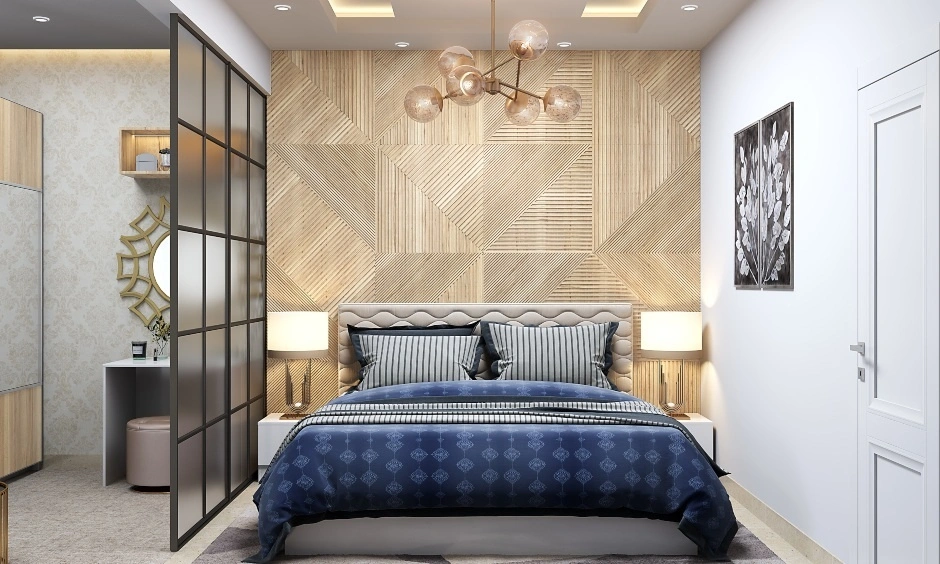
Texture determines how surfaces interact with light, how materials feel to the touch, and how visually layered an interior appears. Whether it’s the rough grain of exposed brick, the smooth sheen of marble, or the softness of upholstery fabrics, texture in interior design adds character and depth.
Understanding the difference between surface texture, surface finish, and interior texture helps designers and homeowners choose materials that not only look beautiful but also perform well in everyday use.
What is Surface Texture?
Surface texture describes the physical characteristics of a surface, what you see and feel when touching a material. It can be:
- Smooth
- Rough
- Hard
- Soft
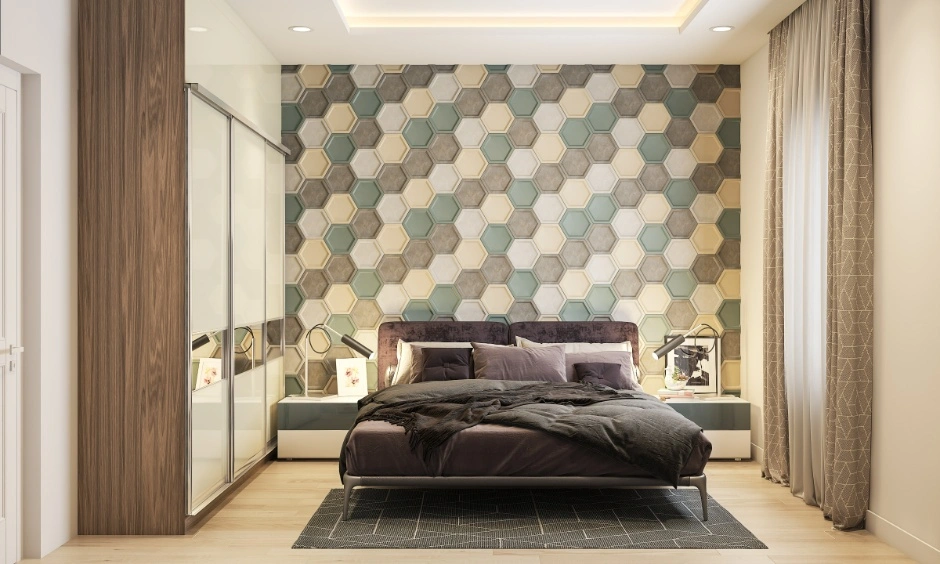
- Patterned
- Raised
- Ribbed
- Woven
In simple terms, it refers to the tactile or visual pattern of a material.
Examples of Surface Texture
| Material | Surface Texture Example |
| Marble | Smooth and polished |
| Concrete | Rough and grainy |
| Wood | Natural grain patterns |
| Textile | Woven or soft |
| Brick | Coarse and textured |
Each textured surface interacts differently with lighting and surroundings, influencing the mood of the space.
What is Surface Finish?
Surface finish refers to how the material is treated or coated. It determines how reflective, smooth, or protective a material becomes.
Types of Surface Finishes
| Type | Description | Common Use |
| Matte Surface Finish | Non-reflective and soft appearance | Walls, laminates |
| Gloss Finish | Highly reflective | Cabinets, tiles |
| Satin Finish | Slight sheen | Furniture |
| Brushed Finish | Fine directional texture | Metals |
| Polished Finish | Extremely smooth | Marble floors |
It also influences durability, maintenance, and stain resistance.
1. What are Surface Finish Units?
In engineering and manufacturing, surface finish units measure roughness in microns. In interior design, however, the focus is more on visual appeal, tactile experience, and practical usability rather than numerical measurement.
Trending 2BHK Interior Designs




2. What is Interior Texture?
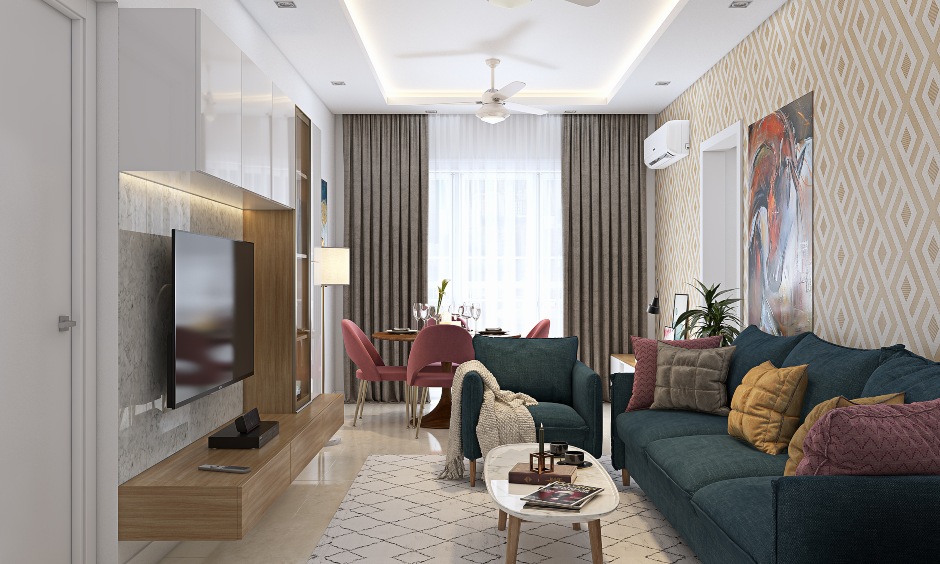
Interior texture refers to the combined use of textures within a space. It includes materials used in:
- Walls
- Flooring
- Furniture
- Fabrics
- Decorative elements
A well-designed texture design creates contrast and visual interest.
For example:
- Smooth marble floors
- Textured wall panels
- Soft upholstered furniture
- Woven rugs
Together, these layers create a dynamic interior environment.
Expert Tip: As shared by Ishwarya Subramanian, Studio Manager, DesignCafe Experience Centre, Coimbatore, “Texture is what makes a space feel layered and inviting. Combining matte surface finishes with natural materials like wood or stone adds depth without overwhelming the design.”
Types of Surface Texture
These can be broadly categorised based on how they appear and feel.
| Type | Description | Example |
| Smooth | Even and flat | Glass, polished marble |
| Rough | Uneven or coarse | Concrete, exposed brick |
| Hard | Solid and dense | Granite |
| Soft | Cushioned surface | Upholstery fabrics |
| Patterned | Repeating shapes | Decorative tiles |
| Raised | 3D texture | Fluted wall panels |
| Ribbed | Linear grooves | Wooden wall cladding |
| Woven | Interlaced fibres | Rattan, textiles |
Each type contributes to the overall visual and tactile experience of a room.
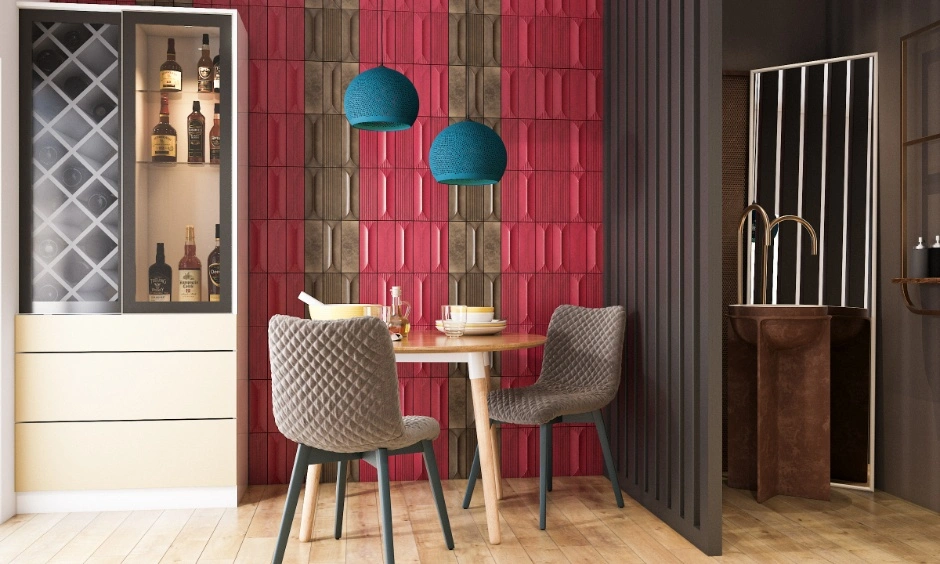
1. Textured Surface by Material
Different materials naturally produce different textures.
| Material | Texture | Interior Application |
| Wood | Natural grain | Wall panels, furniture |
| Stone | Rough or polished | Flooring, walls |
| Fabric | Soft and woven | Upholstery, curtains |
| Metal | Smooth or brushed | Fixtures and accents |
| Concrete | Raw or industrial | Modern interiors |
Selecting the right texture by material ensures durability while maintaining aesthetic appeal.
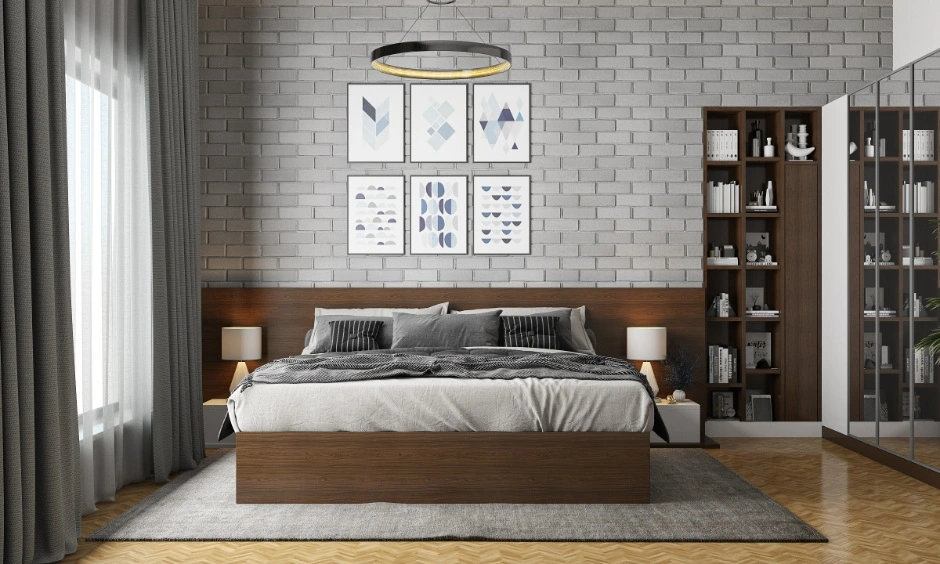
2. Visual vs Tactile Texture
In interior design, textures can be visual or tactile.
a. Visual Texture
Visual texture refers to surfaces that appear textured but may feel smooth to the touch.
Examples:
- Printed wallpaper
- Laminates mimicking wood grain
- Decorative tiles
b. Tactile Texture
Tactile texture can be physically felt.
Examples:
- Brick walls
- Textured plaster
- Woven fabrics
Both types play important roles in modern interior wall-texture design.
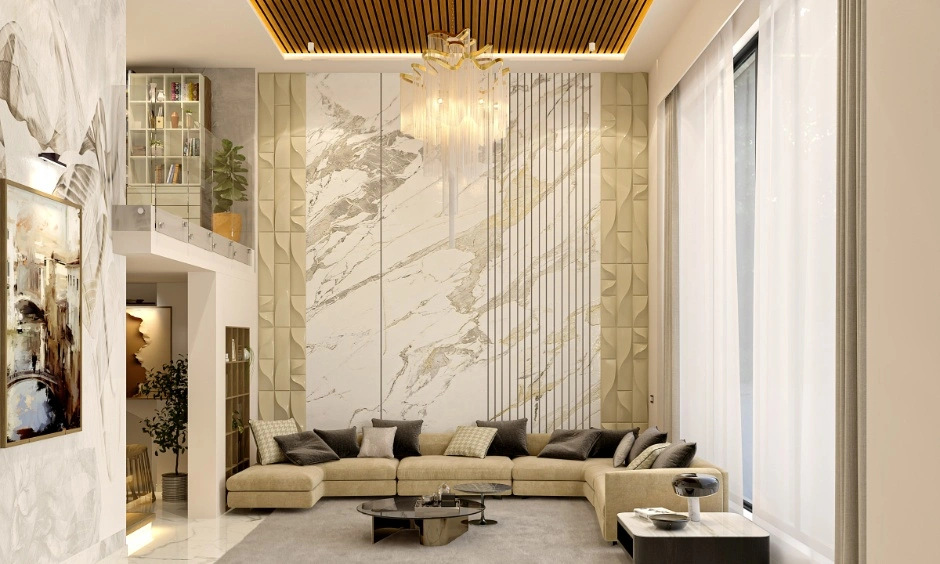
Choosing Surface Texture by Room Type
Different rooms require different types of texture based on functionality.
| Room | Recommended Texture | Reason |
| Living Room | Mixed textures | Adds visual interest |
| Bedroom | Soft textures | Creates comfort |
| Kitchen | Smooth surfaces | Easy cleaning |
| Bathroom | Non-slip textures | Safety |
| Dining Area | Balanced textures | Enhances ambience |
Choosing appropriate textures ensures both comfort and practicality.
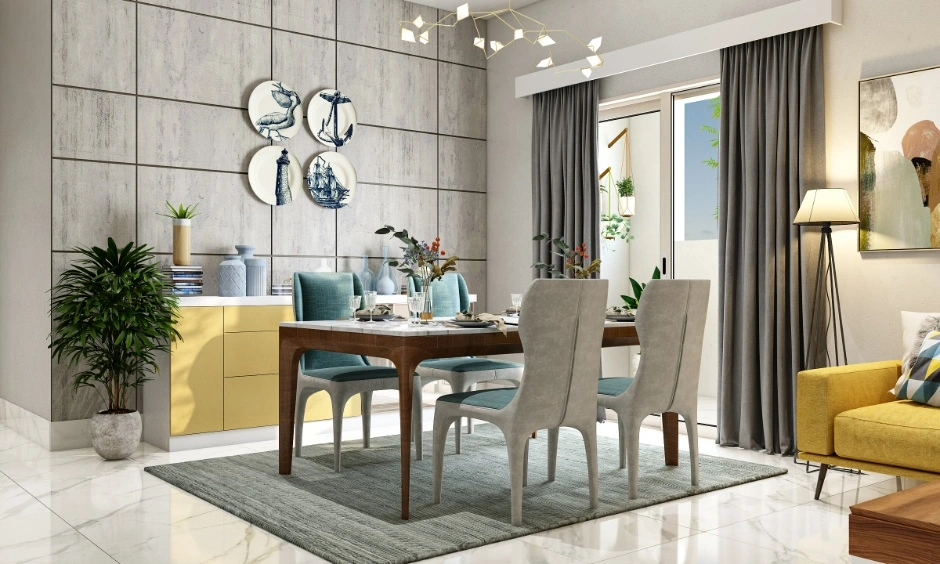
Surface Texture Trends in 2026
Interior design trends continue to evolve, and texture is becoming more prominent in Indian homes. Smooth marble, rough concrete, ribbed wood panels, and woven textiles are all examples of textured surfaces that influence how light interacts with a space. Surface finish, such as matte, glossy, or brushed, determines how a material reflects light and feels to the touch.
Some emerging trends include:
- Fluted wooden wall panels
- Microcement wall finishes
- Textured stone cladding
- Fabric-panel walls
- Matte surface finish cabinetry
- 3D wall textures
These trends reflect a growing preference for natural materials and layered interior texture design.
Lighting and Surface Texture
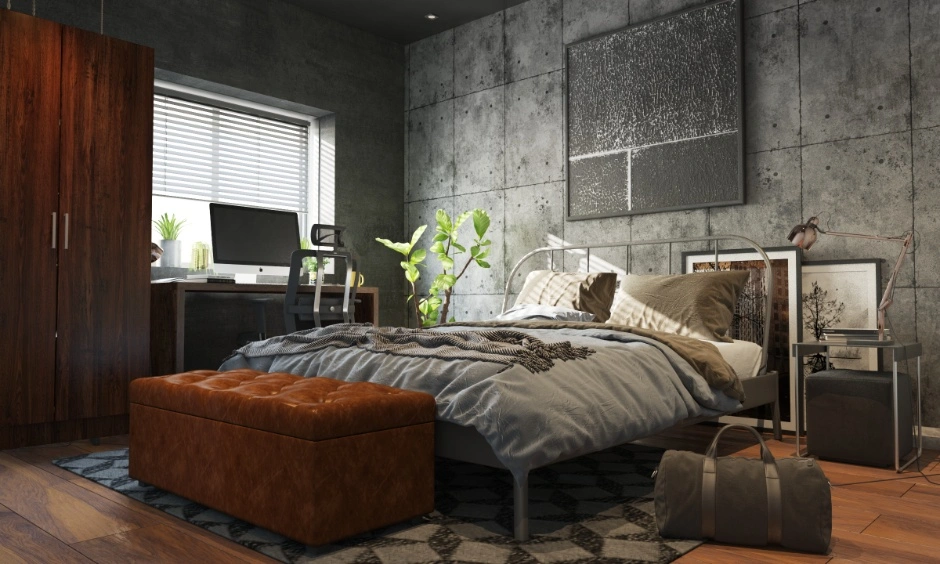
Lighting dramatically affects how surfaces appear in a room.
For example:
- Rough textures create dramatic shadows.
- Smooth surfaces reflect light evenly.
- Matte finishes diffuse lighting softly.
- Glossy surfaces create highlights.
Proper lighting enhances the depth and character of textured surfaces.
Maintenance and Durability Considerations in Surface Texture
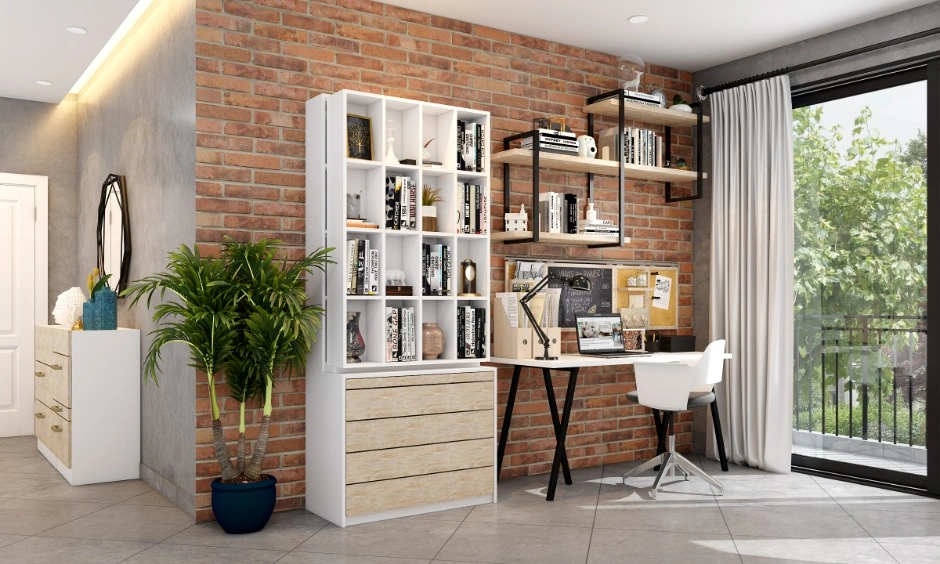
Not all surface textures are equally easy to maintain.
| Texture Type | Maintenance Level |
| Smooth glossy surfaces | Easy cleaning |
| Matte surface finish | Hides fingerprints |
| Rough textures | May collect dust |
| Raised textures | Requires occasional deep cleaning |
Selecting textures with practical maintenance requirements ensures long-term durability.

Common Mistakes in Using Surface Texture
Despite its benefits, texture must be used carefully in home interiors so as not to overwhelm the space..
Common mistakes include:
- Overusing too many textured surfaces.
- Mixing incompatible materials.
- Ignoring lighting effects.
- Choosing rough textures for high-traffic areas.
- Not balancing smooth and textured elements.
Successful interior design depends on achieving a balance between different textures and finishes.
Conclusion
Surface texture plays a crucial role in shaping the atmosphere and visual depth of an interior space. From smooth marble floors to rough concrete walls and woven textiles, they influence how rooms feel both visually and physically.
Understanding the relationship between different interior elements helps homeowners and designers make better material choices. The right combination of textures can create warmth, contrast, and character while improving durability and usability.
When thoughtfully integrated, surface textures transform interiors from flat and ordinary into spaces that feel layered, inviting, and visually engaging. If you are planning to upgrade your home interiors and want expert guidance on choosing the right materials, finishes, and textures, talk to a Designer today and explore how thoughtful design can elevate your living space.
FAQs
1. How are surface texture and surface finish related?
Surface texture refers to the physical pattern or feel of a material, while surface finish describes the treatment applied to that surface, such as matte, glossy, or brushed.
2. How does texture affect interior design?
Texture adds depth, visual interest, and contrast. It also influences lighting, mood, and the tactile experience of a space.
3. Can surface finish influence interior texture?
Yes. A matte surface finish can soften the appearance of textures, while a glossy finish highlights patterns and reflections.
4. What are common types of surface finishes used in interiors?
Matte, satin, glossy, brushed, and polished finishes are commonly used in interior design.
5. What’s the difference between tactile and visual texture?
Tactile texture can be physically felt, while visual texture only appears textured but may feel smooth.
6. Why is understanding texture important in design?
Texture helps designers create balanced spaces that feel layered, comfortable, and visually appealing.
7. Are surface texture and surface finish technical terms only used in engineering?
No. While used in engineering and manufacturing, these concepts are equally important in interior design for selecting materials and finishes.