Select Category


AI Summary
3 key insights · 1 expert tipThoughtful space planning in interior design organises furniture and flow to maximise functionality and comfort, creating intuitive, balanced living spaces.
KEY INSIGHTS
- Clear traffic paths require a minimum of 30–36 inches for comfortable movement.
- Prioritise function over aesthetics and scale furniture to room size for optimal balance.
- Layout drafts and circulation paths are finalised before furniture selection to ensure efficiency.
 DESIGNCAFE EXPERT TIP
By our design team
DESIGNCAFE EXPERT TIP
By our design team
Start space planning by identifying the room's primary function and natural movement paths to create clarity and comfort before selecting furniture.
Planning a great interior starts with layouts that understand how you live, move, and use your space, functionally and aesthetically.
A room can have stunning furniture, perfect lighting, and beautiful finishes, yet still feel uncomfortable. If something feels ‘off’, the issue usually isn’t style. It is layout.
Interior design space planning is the foundation that determines how a room functions long before decor enters the picture. It defines movement, comfort, and usability. Even the most expensive interiors can fail without a proper plan.
Understanding the importance of planning space in interior design allows you to create rooms that feel effortless and intuitive. When layout and flow are thoughtfully considered, every square foot works smarter.
If you want to design spaces that are functional and visually harmonious, this guide will walk you through the essential space-planning concepts that professionals use every day.

What is Space Planning in Interior Design?
Many homeowners ask this question. In simple terms, space planning interior design is the process of organising furniture, circulation paths, and functional zones within a room to maximise efficiency and comfort.
It ensures that:
- Movement feels natural.
- Furniture fits proportionally.
- Pathways remain clear.
- The room supports its intended purpose.
Interior design and space planning go hand in hand. One shapes the layout; the other enhances it visually.
Well-planned interiors are built around lifestyle. A family living room requires a different layout than a formal sitting area. A compact bathroom needs strategic allotment of space, while open-concept homes demand careful zoning.
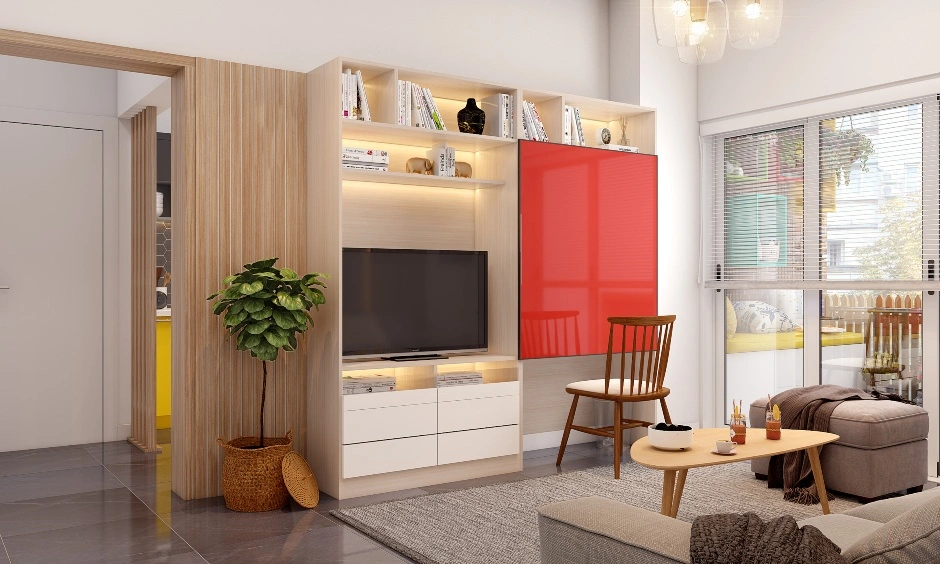
Key Principles of Space Planning In Interior Design
Professional interior design space planning relies on several core principles:
1. Function Before Aesthetics: The first rule is identifying how the room will be used. A living room for entertaining looks very different from the one designed for quiet relaxation.
2. Circulation & Flow: Clear walkways are essential. Designers typically allow 30–36 inches for primary traffic paths to maintain comfort.
3. Scale & Proportion: Oversized furniture in a small room disrupts movement. Undersized furniture in large rooms feels disconnected.
4. Zoning: Dividing rooms into purposeful areas creates clarity, especially in open layouts.
5. Focal Points: Every successful layout supports a focal feature, such as a fireplace, window, or statement wall.
These simple concepts ensure rooms function as beautifully as they look.
Trending 2 BHK Interior Designs


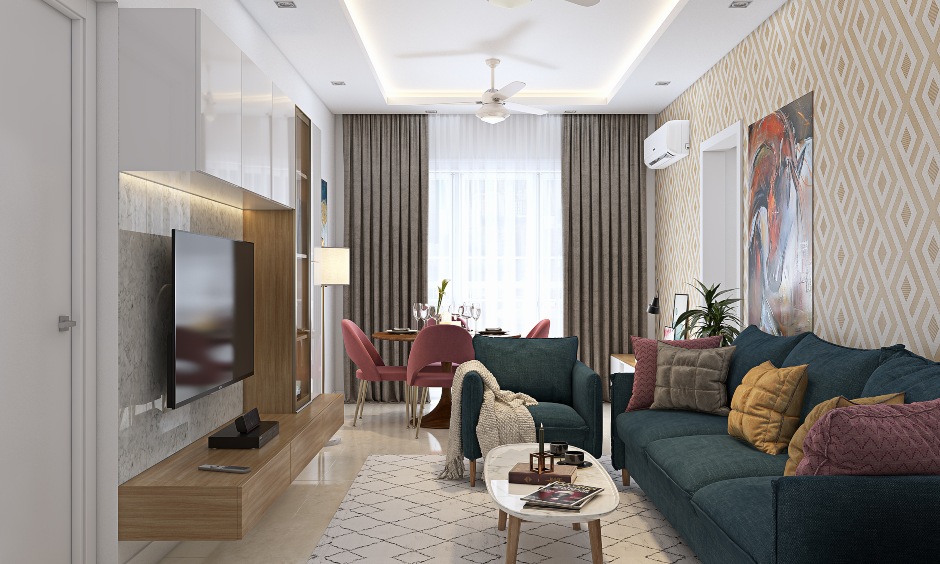


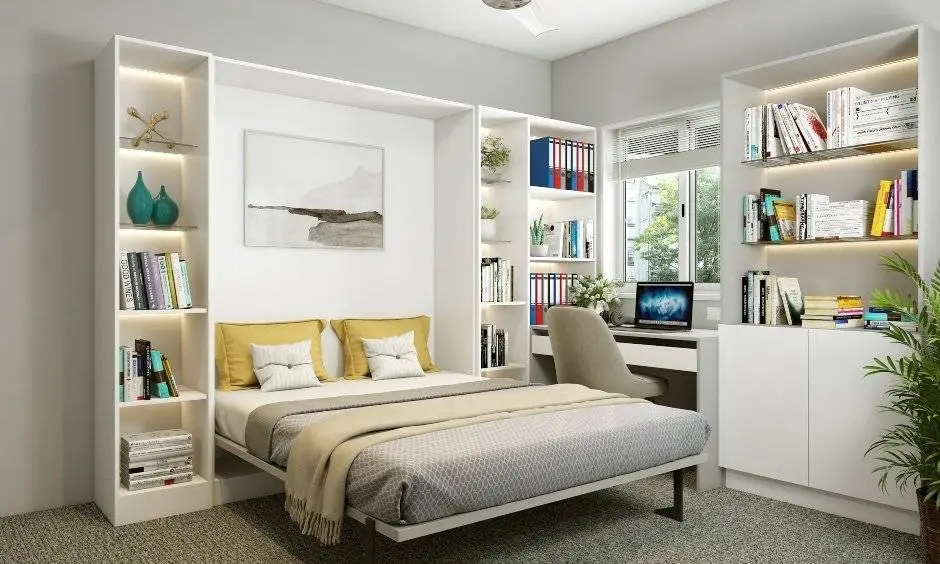
What Space-Planning Process Do the Designers Follow?
All interior designers follow a systematic process:
- Step 1: Measure Precisely: Walls, doors, windows, ceiling height, and built-in features are documented carefully.
- Step 2: Understand Lifestyle Needs: How many occupants use the room? Is it high traffic? Are children or pets involved?
- Step 3: Draft Multiple Layout Options: Professionals rarely settle on the first layout. They test variations to find the most efficient solution.
- Step 4: Define Circulation Paths: Traffic flow is prioritised before furniture placement is finalised.
- Step 5: Finalise Furniture Placement: Only after confirming movement and balance do designers select exact pieces.
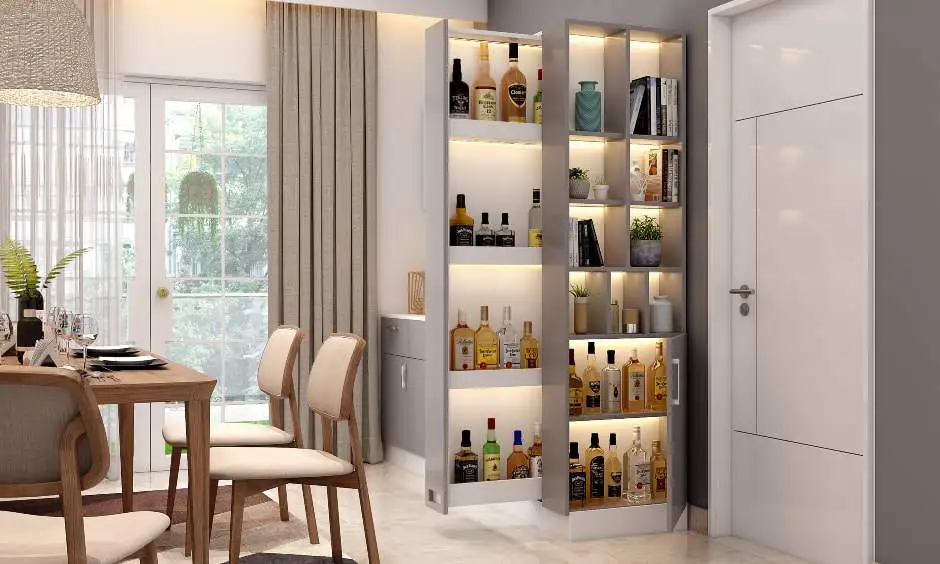
Standard Room Sizes & Circulation Rules: Important Space Planning Concepts
While every home varies, these general guidelines improve comfort:
1. Living Room
- Main walkway: 36 inches minimum
- Sofa to coffee table: 14–18 inches
- TV viewing distance: 1.5–2.5 times screen size
2. Dining Room
- Clearance behind chairs: 36 inches
- Space per diner: 24 inches wide
3. Bedroom
- Clearance around bed: 24–30 inches
4. Bathroom
Bathroom space planning requires particular attention:
- Minimum 30 inches of clearance in front of fixtures
- At least 15 inches from the toilet centerline to the side wall
- 30×30 inches is the minimum shower interior space
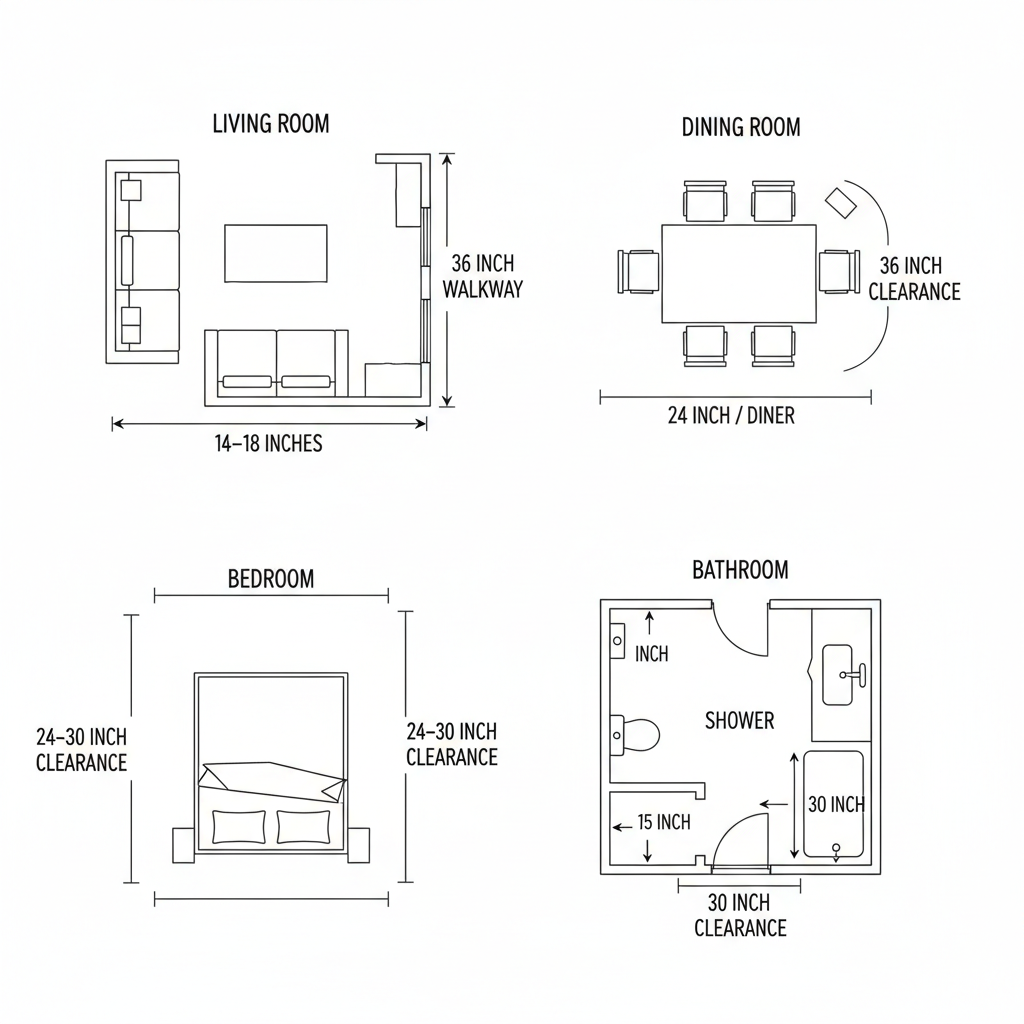
These measurements protect circulation and comfort- two pillars of effective interior space planning.
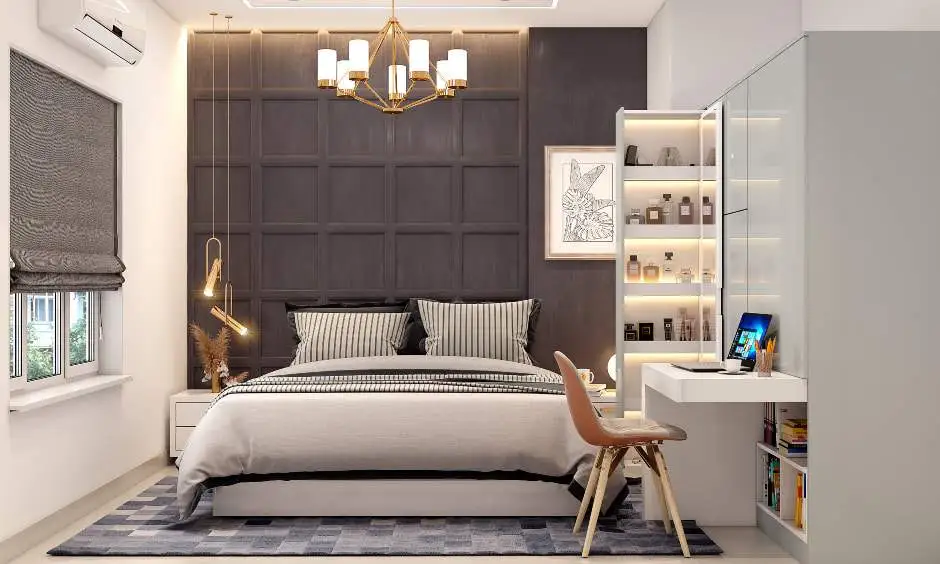
Furniture Spacing Mistakes That Ruin Good Designs
Even well-designed interiors can fail due to poor space planning. Some common mistakes include:
- Pushing all furniture against the walls, weakening conversation areas
- Blocking natural walking paths
- Choosing oversized sectionals for compact rooms
- Ignoring scale relationships between rugs and seating
- Overcrowding small spaces
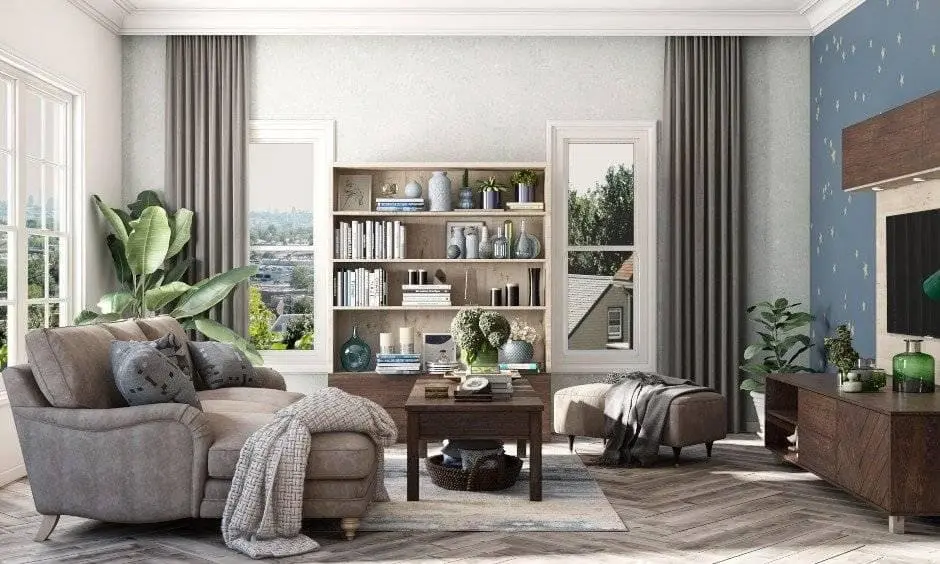
How Experts Plan Interior Design Space Planning Layouts Before Choosing Furniture?
Professionals begin with layout frameworks before selecting decor.
Methods include:
- Scaled floor plans
- Graph paper sketches
- Digital 2D layouts
- 3D room visualisation tools
The layout determines:
- Seating arrangement
- Focal point alignment
- Traffic flow
- Functional zones
Furniture selection comes afterwards—not before.
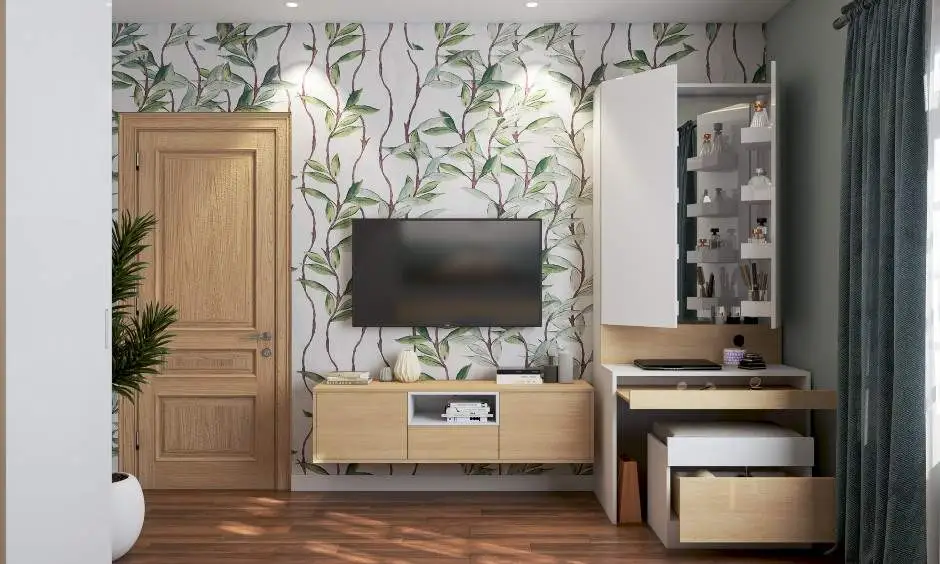
Space Planning for Different Room Types
Each room requires tailored space planning interiors:
- Living Rooms: Emphasise conversation grouping and clear sightlines.
- Bedrooms: Focus on bed placement and surrounding clearance.
- Kitchens: Follow workflow-efficiency principles (the sink, stove, and refrigerator triangle).
- Bathrooms: Require careful bathroom space planning to ensure usability in limited square footage.
- Home Offices: Prioritise ergonomic positioning and access to lighting.

Zoning: Organising Spaces Without Walls
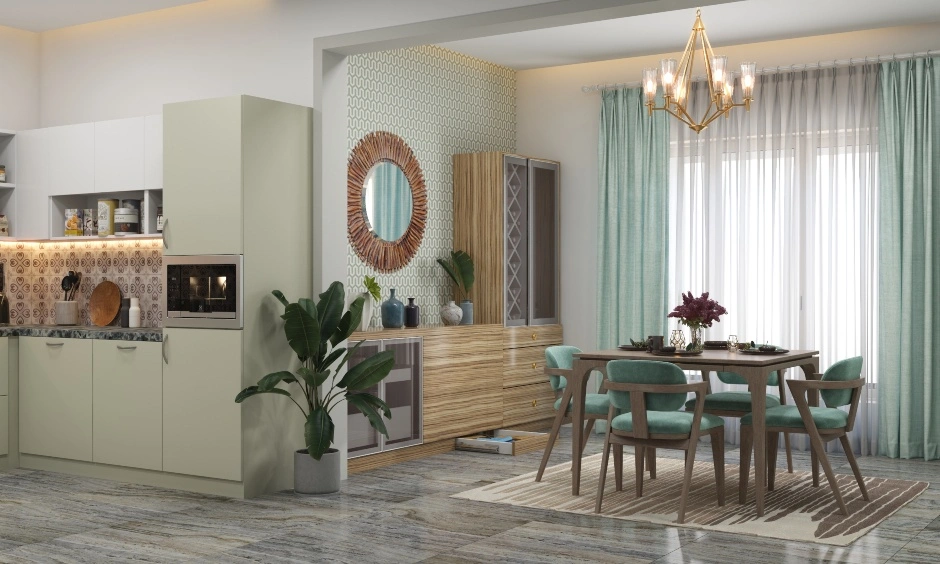
Open layouts require creative zoning techniques. Instead of walls, designers use:
- Area rugs to define seating zones
- Lighting fixtures to mark dining areas
- Furniture placement as subtle dividers
- Console tables or shelving units
- Ceiling variations
Zoning strengthens space planning interior design strategies, especially in open-plan homes.
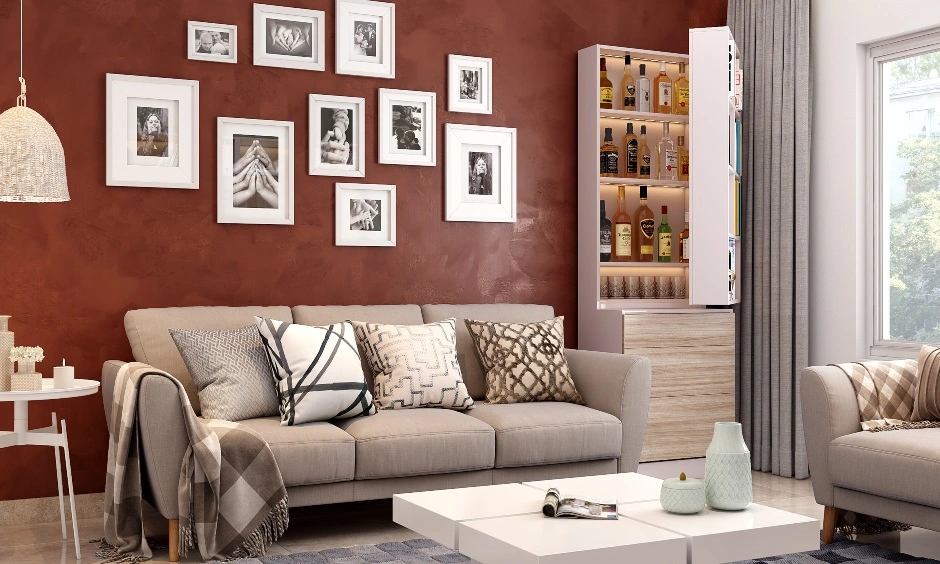
Open Plan vs Closed Plan — When Each Works
Open Plan – Best for:
- Social interaction
- Visual spaciousness
- Modern lifestyles
Challenges include noise travel and limited privacy, requiring stronger space planning concepts.
Closed Plan – Best for:
- Privacy
- Noise control
- Defined room purposes
Choosing between them depends on lifestyle priorities rather than design trends.
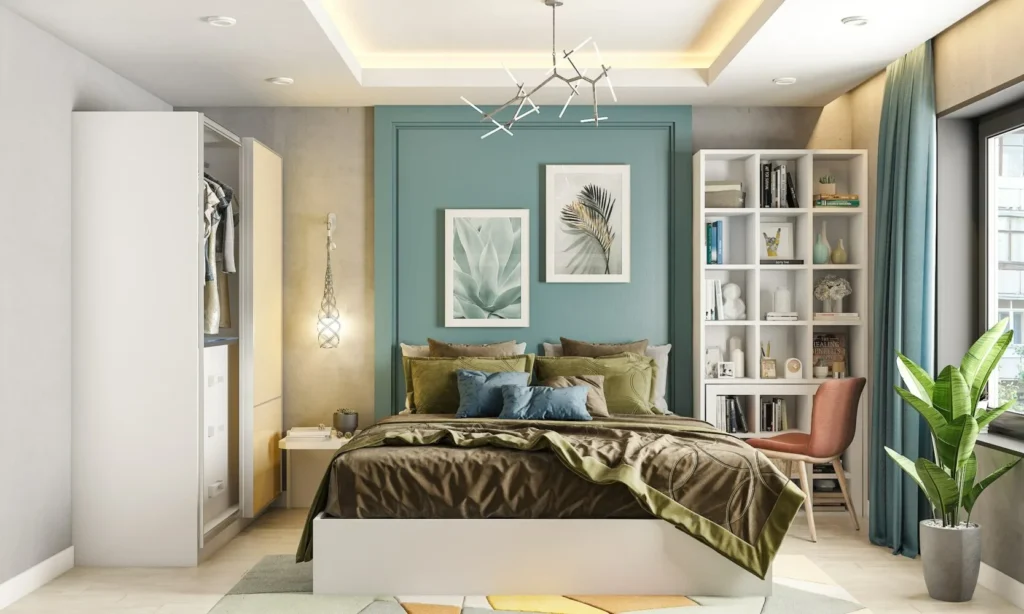
Common Space Planning Mistakes in Interior Design
Many homeowners underestimate the importance of space planning in interior design. Frequent errors include:
- Skipping measurements
- Prioritising déeor over layout
- Ignoring storage needs
- Overlooking the circulation space
- Failing to test multiple layouts
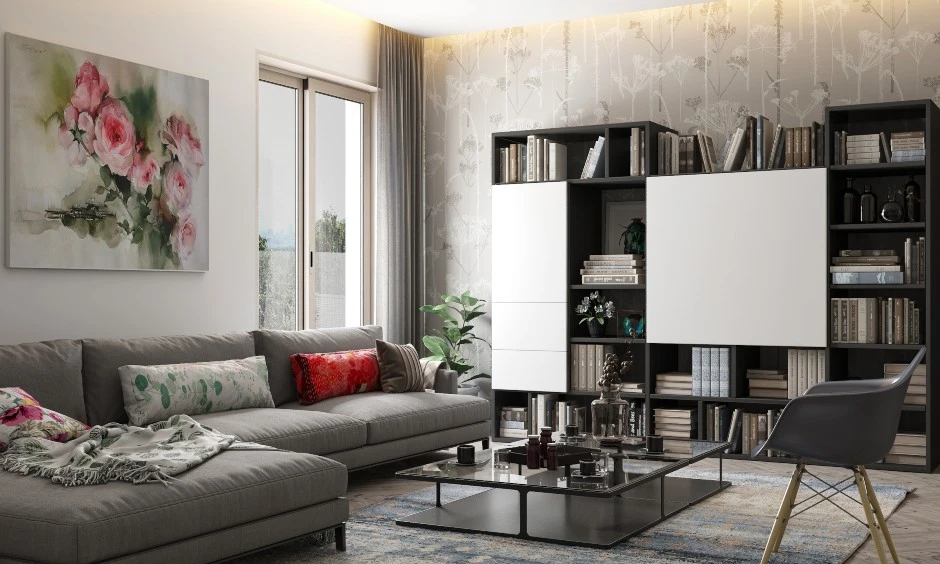
Tools & Techniques Used in Space Planning
Designers use both traditional and modern tools:
Traditional
- Tape measures
- Scaled templates
- Graph paper
Digital
- Floor planning software
- 3D visualization platforms
- Augmented reality room planners
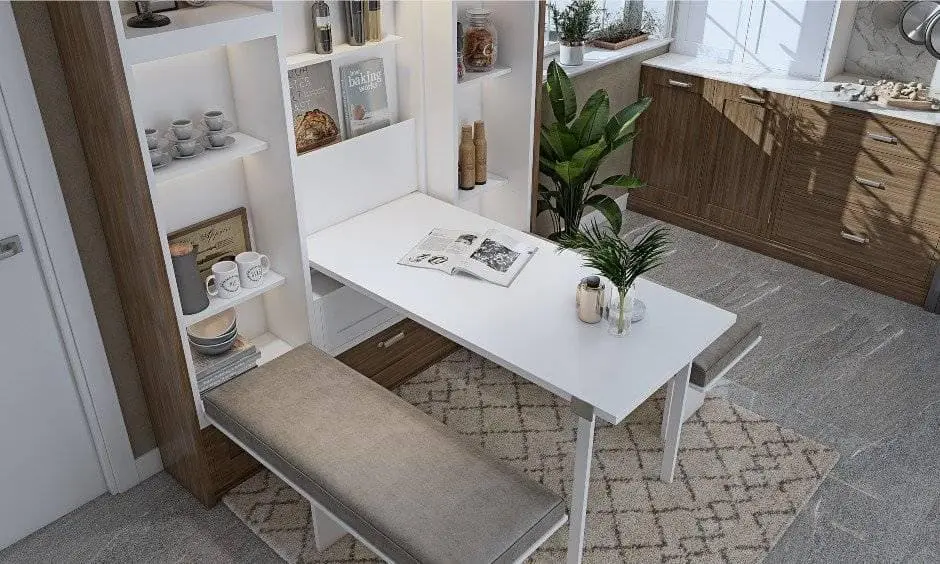
Beautiful interiors begin with thoughtful space allocation. Layout is the silent structure behind every successful design. When interior design space planning is done correctly, rooms feel balanced, practical, and inviting.
Understanding what space planning is and applying its principles helps prevent costly mistakes and creates environments that truly support daily life.
Whether you are redesigning a single room or planning an entire home, remember: Interior design and space planning must come before decor. Because great design isn’t just about how a space looks; it’s about how it works.
Our experts at DesignCafe can help maximise every aspect of your interiors. Call us today or book a free consultation now!
FAQs
1. Is space planning only for large spaces?
No. Smaller homes often benefit most from careful interior space planning because every square foot matters.
2. Can space planning improve resale value?
Yes. Thoughtful layouts increase functionality, which buyers highly value.
3. Do I need a professional for space planning?
Simple layouts can be done independently, but complex renovations benefit from expert interior design space planning guidance.
4. What comes first: space planning or decor?
Space planning always comes first. Decor enhances a layout, but it cannot fix a poor one.