Select Category

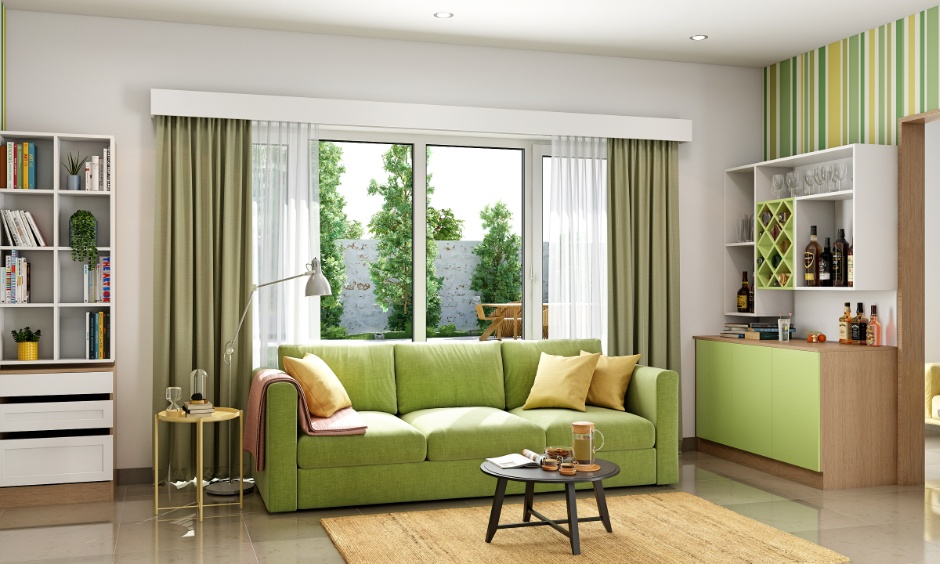
Check out how the psychology of interior design affects mood and behaviours at home. Read more here.
This blog explores the psychology of interior design and how your home quietly shapes mood, behaviour and everyday wellbeing. It shows how colour, light, layout, textures, clutter control and personal touches can make you feel calm, focused or stressed, and how wellbeing interior design supports a healthier lifestyle at home.
What You Will Read Here:
- What the psychology of interior design means in simple terms.
- How interiors influence mood, comfort and mental health.
- Ideas on colour, lighting, layout, texture and storage for wellbeing.
- Practical tips to reduce clutter and visual noise.
- How to personalise spaces so they feel emotionally grounded.
- Future trends in human-centred, wellbeing-focused interiors.
Best For: Homeowners who want a beautiful home that also supports mental health, focus, rest and everyday comfort.
Expert Tip: Says Jessica, Studio Manager, DesignCafe, “Start with three basics for a calmer home: light, colour and clutter. Let in as much natural light as possible, choose soft, balanced colours and keep everyday mess hidden. When these three feel right, the mind relaxes much faster”.
“Your home does more than look good, it quietly shapes how you feel, think and live every single day.”
Some rooms make you feel calm the moment you walk in. Others leave you feeling restless, distracted, or tired without you even knowing why. That quiet shift in how you feel is where the psychology of interior design comes in. In this blog, we will keep things simple and show you how small choices in colour, layout, light, and materials can change your mood, comfort, and wellbeing at home. You can use these ideas to plan interiors that look beautiful and also feel good to live in.

Understanding the Psychology of Interior Design
The psychology of interior design is about how design choices affect human behaviour and emotional response. In simple terms, it is how your room looks, feels, and functions, and how that changes how you act and feel in it.
As interior design firms, we often use this psychology on purpose, like soft lighting in a bedroom to help you relax. Sometimes it happens by accident, like picking bulky furniture that makes a room feel cramped or tense.
There is also a big difference between interiors that are purely aesthetic and interiors that are psychologically informed. Aesthetic design focuses on how things look. Psychologically informed design also thinks about how you move, rest, work, and feel in that space.
This matters because your home is not just a backdrop. It can support your mood, focus, and wellbeing every day, or slowly drain you without you realising it. Our aim is to create spaces that look beautiful and also feel right for your mind and lifestyle.
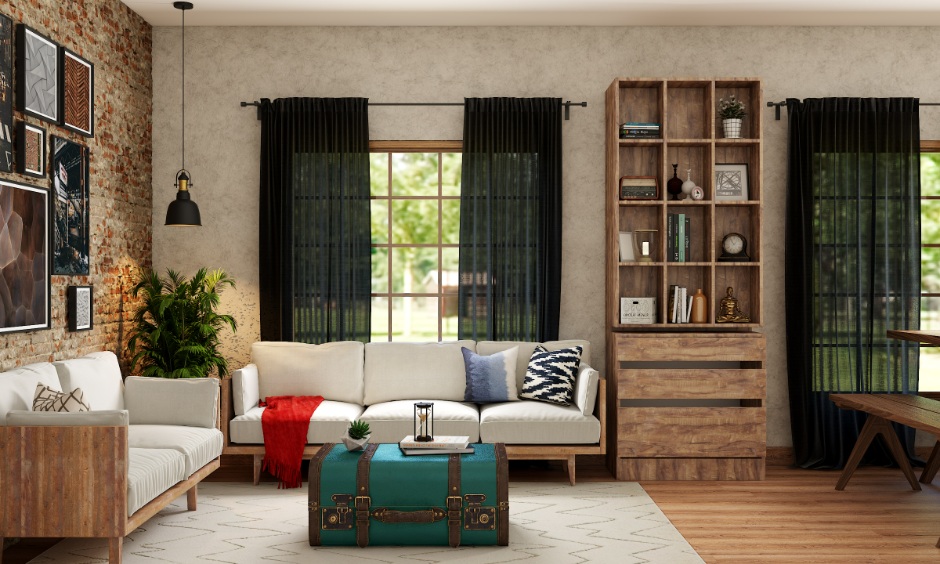
Wellbeing Interior Design for Mental and Emotional Health
Wellbeing interior design focuses on creating spaces that support your body, mind, and emotions. It is not just about style, but about helping you feel calmer, safer, and more balanced at home.
Here are some simple principles we keep in mind when we design:
- Natural light and good ventilation to lift your mood.
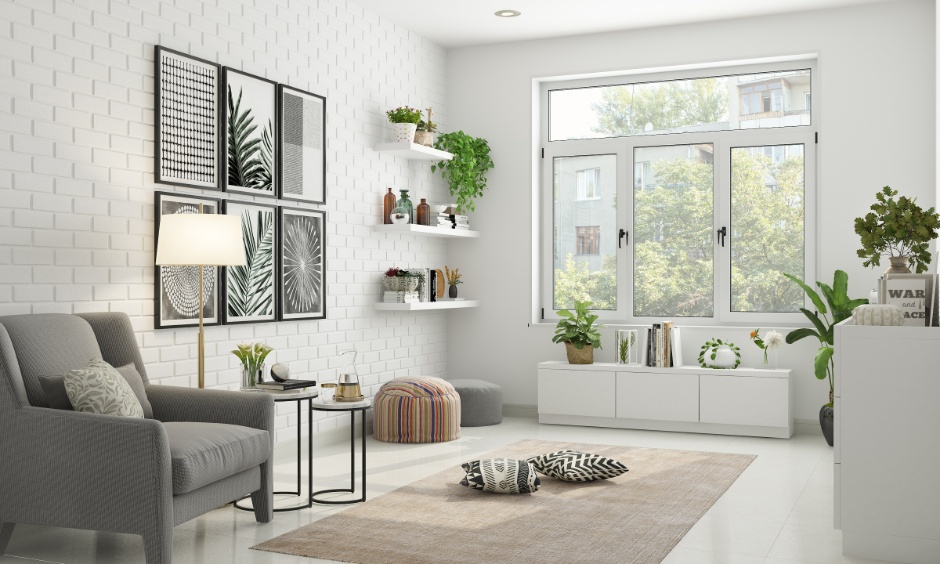
- Biophilic elements like plants, wood, stone, and nature-inspired prints.
- Ergonomic, comfortable furniture that supports your posture.
- Smart storage to control clutter and visual noise.
- Personal touches like photos, art, and décor that mean something to you.
When these pieces come together, your home starts working like a quiet support system. It can lower stress, improve focus, and make your routines feel smoother and more peaceful.
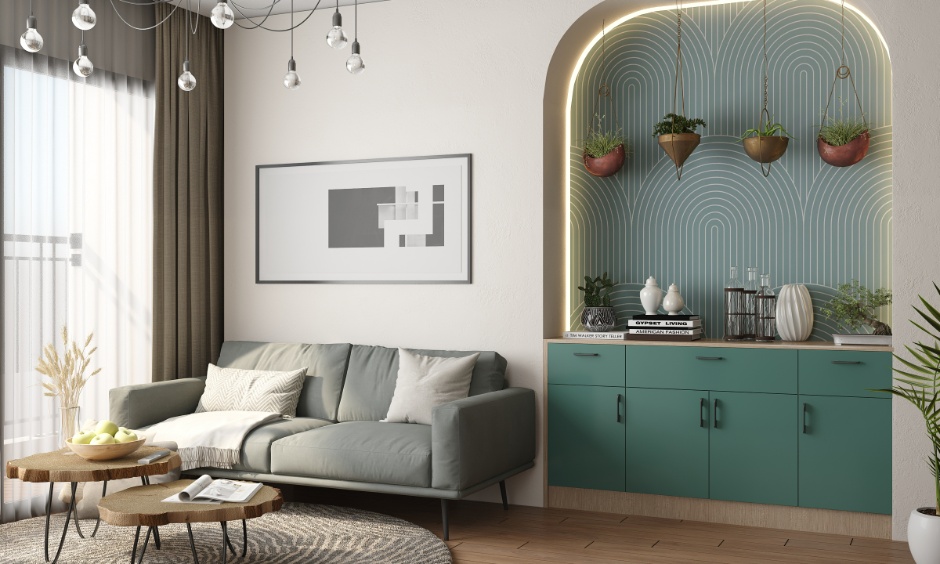
Psychological Effects of Interior Design on Mood
The psychological effects of interior design appear in how quickly a room can cheer you up, calm you down, or leave you feeling flat. Small design choices quietly guide your emotions every day.
Here is how different elements affect mood:
- Colour: Warm colours feel cosy and lively. Cool colours feel calm and soothing. Neutrals create balance and help other pieces stand out.
- Lighting: Natural light lifts energy. Warm lighting feels relaxing in living and bedroom spaces. Focused task lights keep you alert in work or study zones.
- Layout and flow: Clear walking paths and well-spaced furniture make a room feel open and easy to use. Blocked routes and tight corners can feel stressful.
- Materials and Textures: Soft fabrics, rugs, and cushions add comfort and warmth. Hard, glossy surfaces feel sleek but can look cold if overused.
- Personalisation: Photos, art, books, and décor you love create an emotional connection. They help a space feel like yours, which is key for comfort and happiness at home.
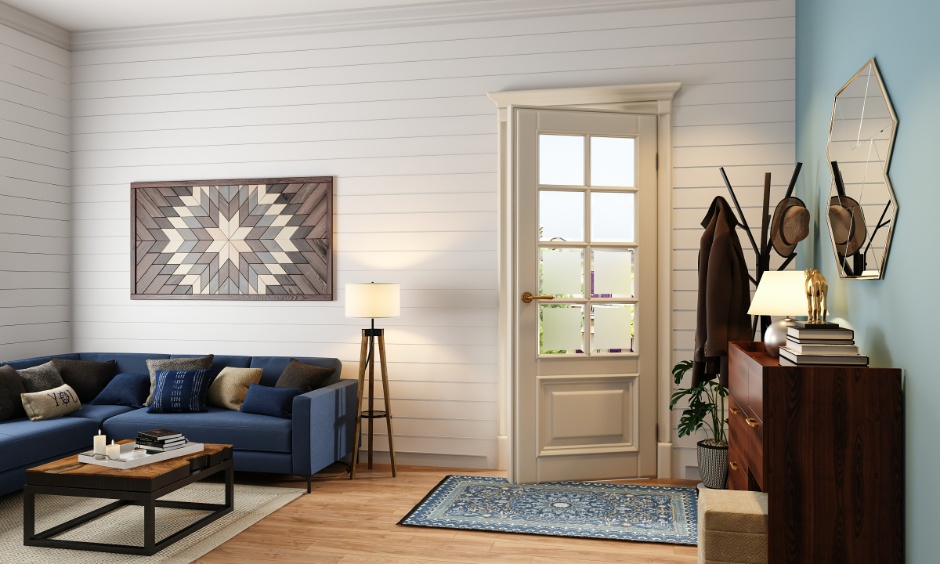
Living Room Interior Design Ideas


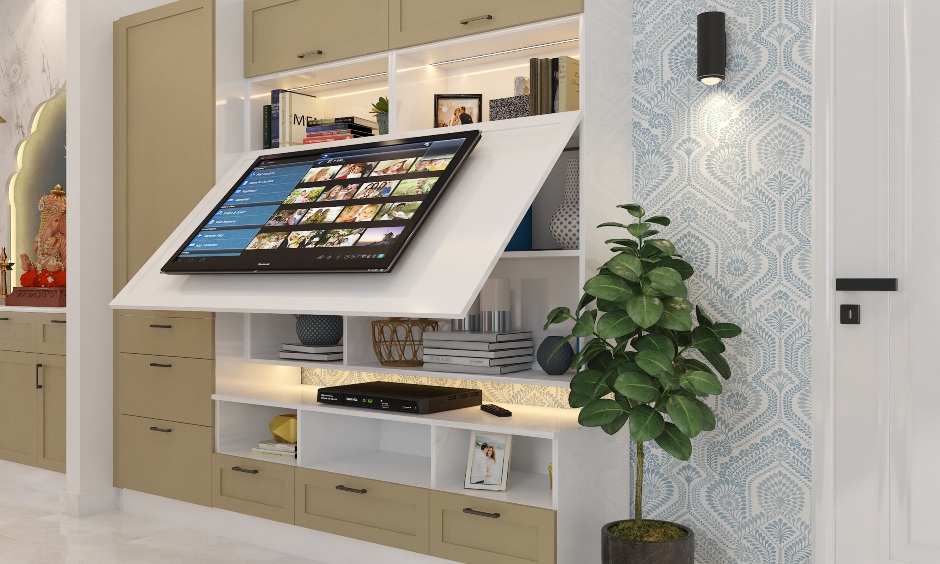
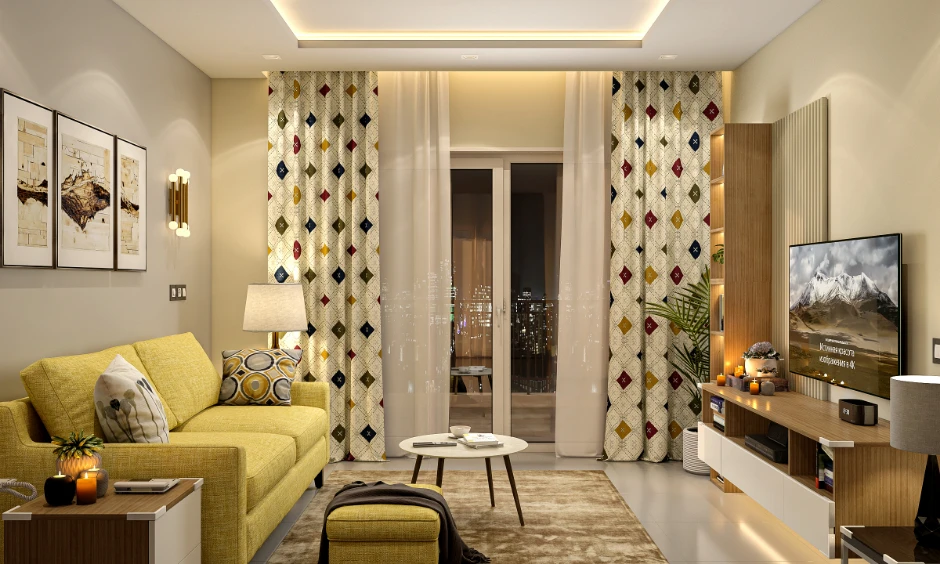
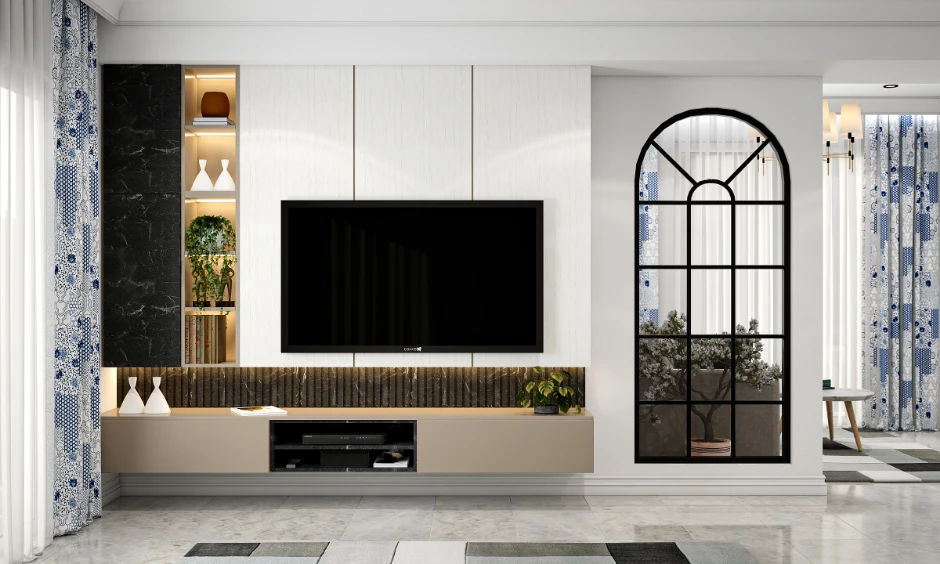
Psychology of Space in Interior Design and the Human Brain
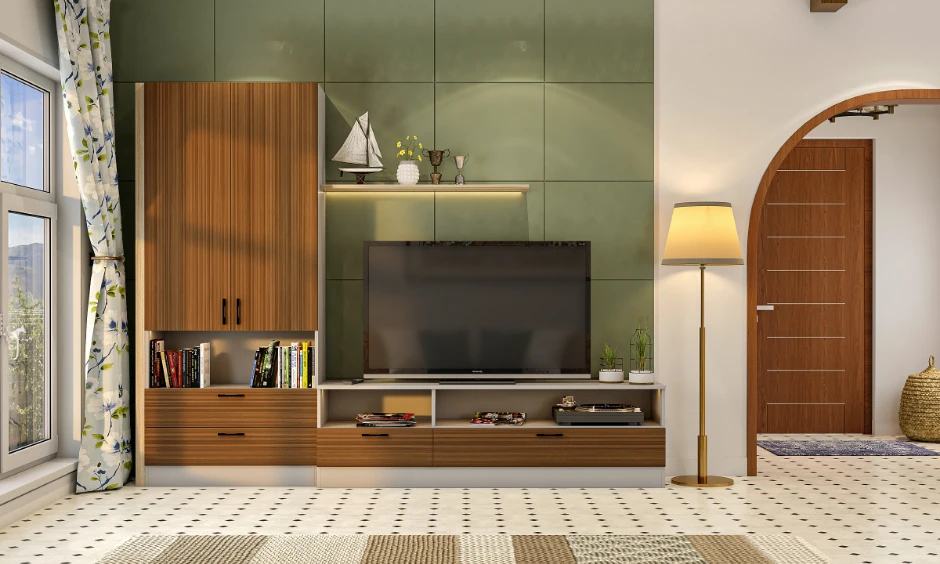
The psychology of space in interior design examines how your brain interprets a room through your senses. What you see, touch, hear, and how you move in a space all send signals that say ‘safe’, ‘busy’, ‘cosy’, or ‘overwhelming’. Your brain prefers spaces where it feels safe, comfortable, and in control. Too many patterns, objects, or tight corners increase mental load and can feel tiring. Clear layouts, soft acoustics, and a welcoming first view help your mind relax and settle more easily.
Interior Design and Psychology in Everyday Spaces
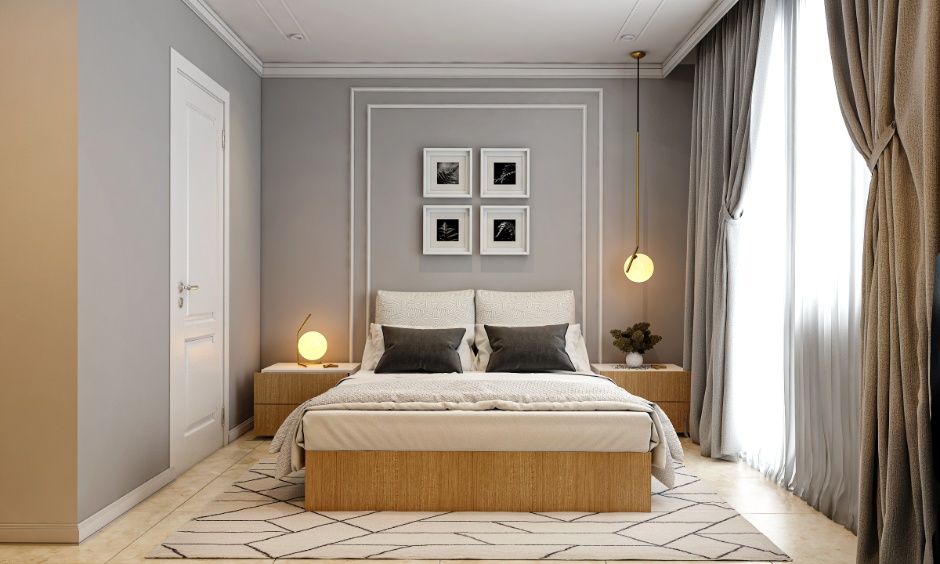
This is where interior design and psychology meet your daily routine. We look at how each room should feel and function, then design accordingly.
- Living Room – Warm lighting, comfortable seating, and easy conversation zones for bonding and relaxation.
- Bedroom – Soft colours, cosy textures, and clutter-free layouts for rest and emotional comfort.
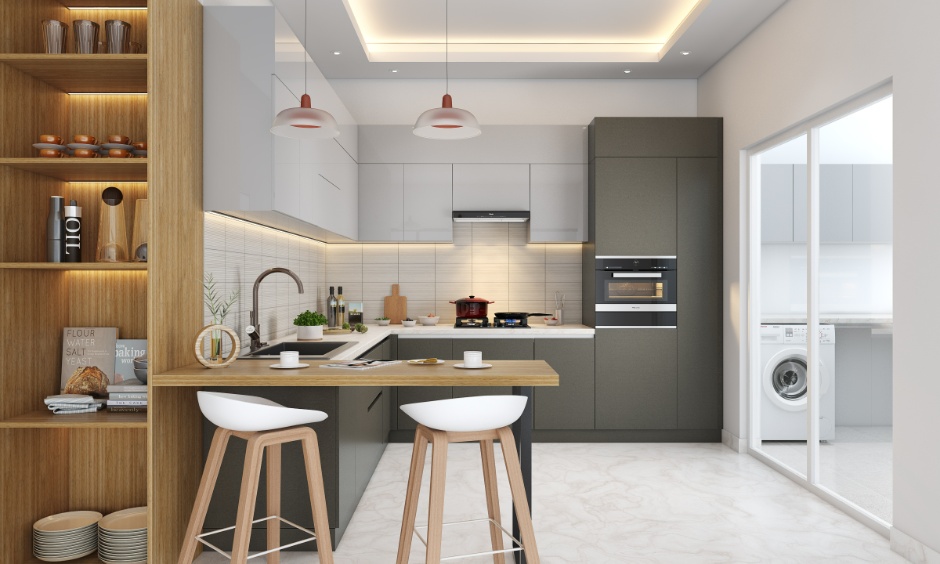
- Kitchen and Dining – Practical layouts, good lighting, and clear surfaces to make cooking feel smoother and less stressful.
- Work or Study Corner – Supportive chair, focused lighting, and minimal distractions to help you stay alert and productive.
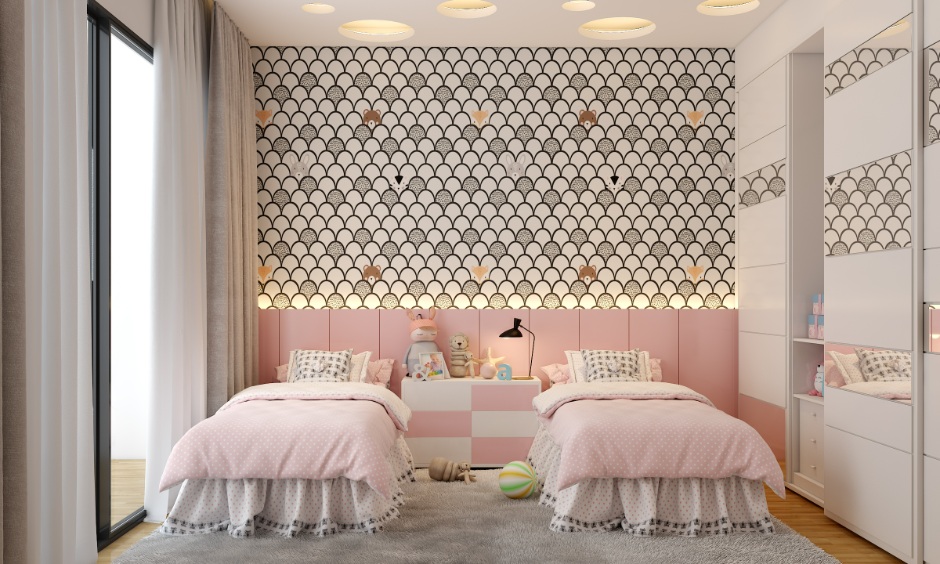
- Kids’ Room – Safe layouts, cheerful accents, and smart storage that balance play, learning, and rest.
By tailoring each space, you ensure your home consistently supports your mood and activities throughout the day.
Clutter Or Organisation: The Psychology of Interior Design at Play
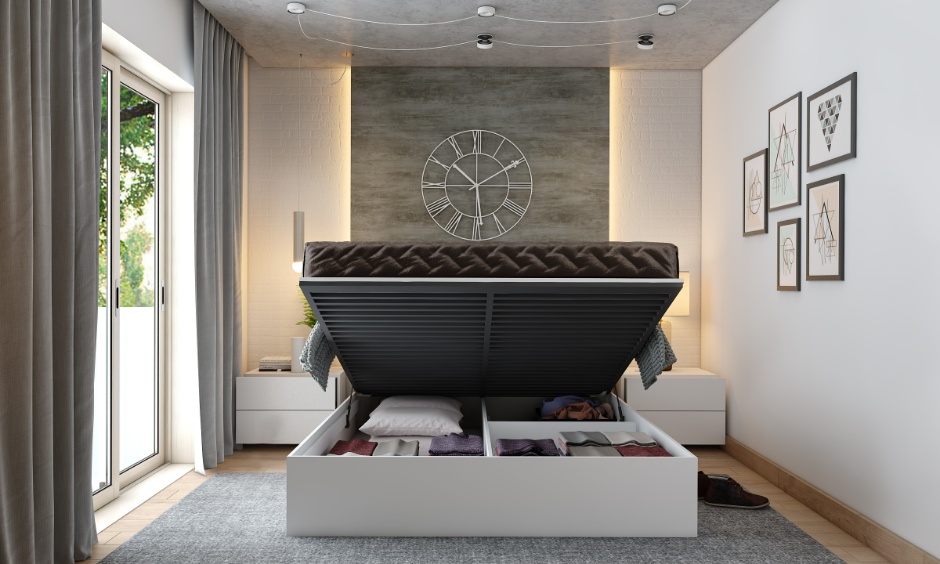
Clutter is not just ‘stuff’. It is visual noise. Too many open items, colours, or mismatched pieces can make a room feel busy and mentally tiring. When we design homes, we balance what you need, what you love, and what fits. This is where interior design and mental health overlap most.
A few simple ideas you can use at home:
- Use closed storage to hide daily mess and create calmer surfaces.
- Keep everyday items within easy reach so you are not constantly searching.
- Mix minimalism with personal pieces rather than stripping the room of all character.
- Give every item a ‘home’, so tidying feels quick, not overwhelming.
When clutter is controlled, you feel more in charge of your space. That sense of control often brings better focus, lighter moods, and a soothing home.
Texture, Materials: Environmental Psychology and Interior Design
In environmental psychology and interior design, texture and materials play a quiet but powerful role. They shape how safe, cosy, or formal a room feels the moment you touch or see a surface.
Here is how we like to think about it when we design homes:
- Soft vs Hard Surfaces: Soft fabrics, rugs, and cushions create warmth and emotional comfort. Too many hard, shiny surfaces can feel cold or harsh.
- Natural vs Synthetic Materials: Wood, cane, jute, stone, and cotton add a grounded, calming feel. Synthetic, glossy finishes work well in small doses for a modern look.
- Tactile Comfort and Emotional Safety: Materials you enjoy touching make you feel more at ease. Scratchy, slippery, or sharp edges can make you subconsciously tense.
- Acoustic Comfort: Curtains, rugs, and upholstered furniture help absorb sound. This reduces echoes and creates a quieter, more peaceful space.
When we balance textures and materials well, the room not only looks stylish, it also feels gentle on your senses and comforting to live in.
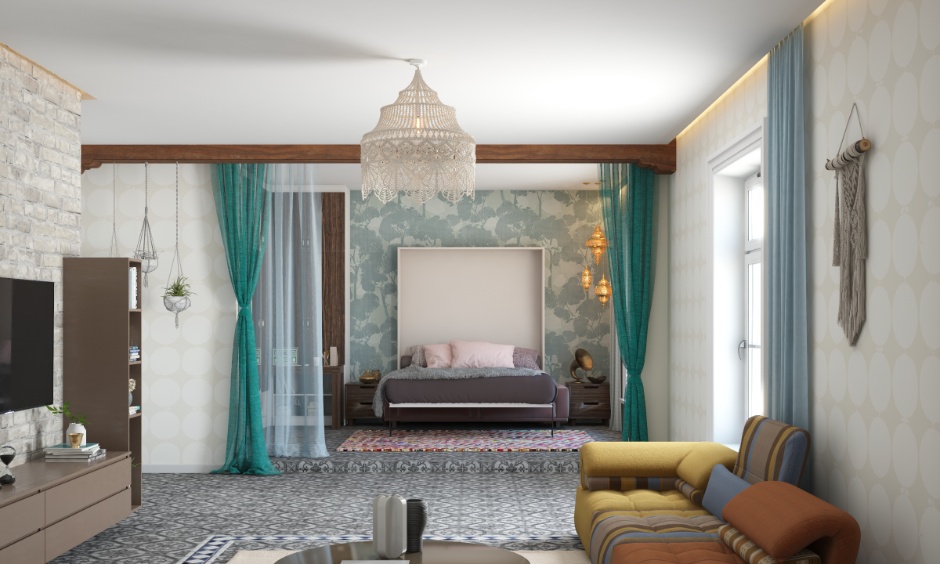

Colour Psychology in Interior Design and Lighting
Colour and light are two of the biggest mood shifters at home. Colour psychology in interior design helps us choose shades that support how we want to feel in a room.
- Colour: Soft neutrals for calm. Warm tones for cosiness and energy. Cool tones for focus and relaxation. A touch of black can ground the space and add depth when used carefully.
- Lighting: Natural light in the day to keep you alert. Warm, layered lighting in the evening to help you unwind. Task lights near worktops, study desks, and wardrobes so you can see clearly without straining.
When colour and lighting work together, your home feels balanced, comfortable, and naturally in tune with your daily rhythm.
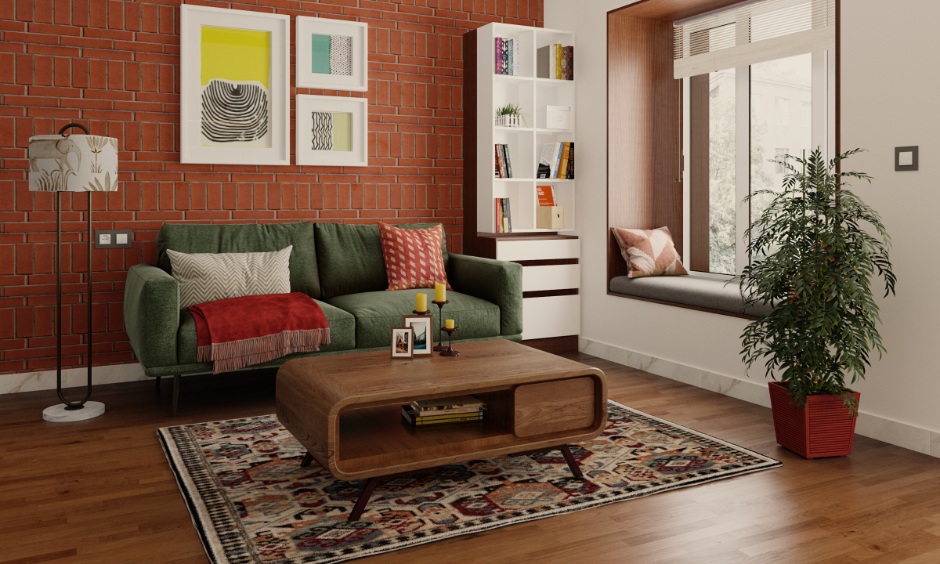
Personalisation, Identity and the Psychology of Interior Design
In the psychology of interior design, personal items are not just decor. They are anchors. They remind you who you are, what you love, and what feels like home to you. We always encourage clients to mix good design with a personal touch.
Family photos, travel souvenirs, books, art, a favourite colour or pattern. All of these build an emotional connection with your space. When your home reflects your identity, you feel more relaxed, secure, and confident in it. It is not just a styled room. It becomes your space, your story.
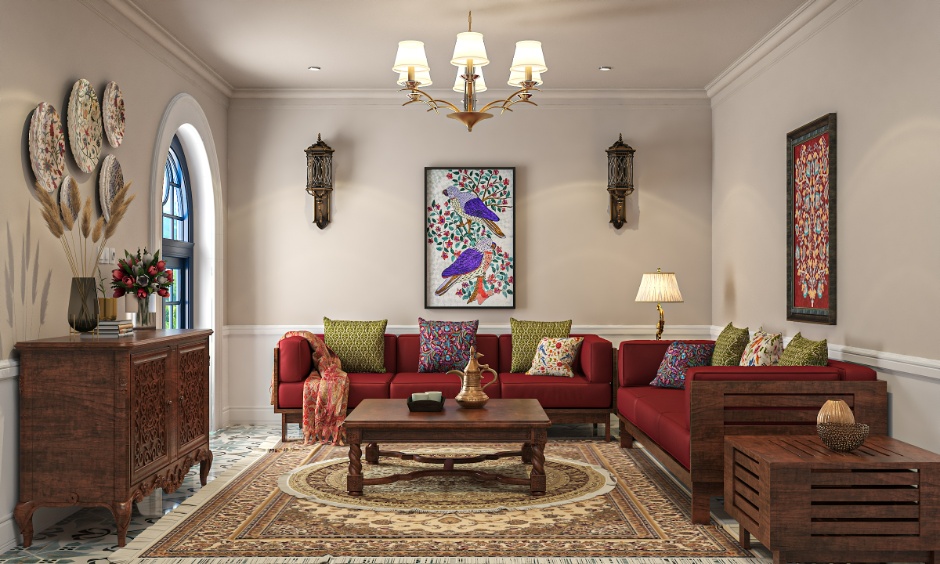
Common Behavioural Health Interior Design Mistakes
Even the best-looking homes can quietly work against your wellbeing. Many of these slips are simple behavioural health interior design mistakes that are easy to fix once you spot them.
Some common ones we see:
- Ignoring lighting and relying on one harsh tube light or downlight.
- Using colours that are too bright or too dull for how the room is used.
- Filling every wall and surface, so the space feels busy and tiring.
- Designing only for trends, not for your daily habits and routines.
- Skipping personal touches, so the home looks styled but does not feel like you.
Expert Tip: Before you finalise any design choice, ask yourself, “Will this make my day feel calmer, easier, or more joyful?” If not, it is worth changing.
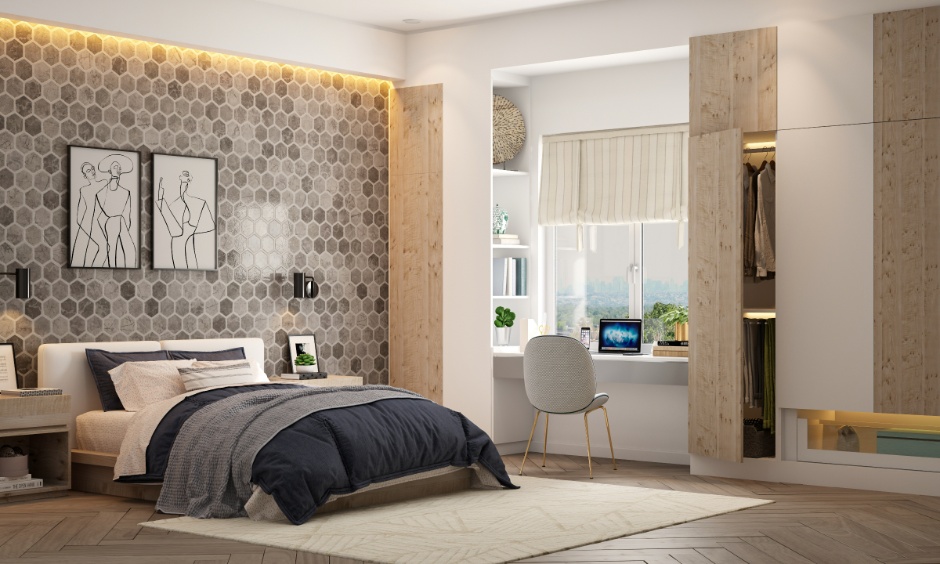
How to Use the Psychology of Interior Design at Home?
You do not need a full makeover to feel a difference. You can use the psychology of interior design in simple, budget-friendly ways.
Try these small changes with big impact:
- Colour: Soften one wall with a calm neutral or pastel. Add cushions, rugs, or curtains in colours that relax you.
- Lighting: Use warm lamps in the living room and bedroom. Keep bright task lights only where you work, cook, or get ready.
- Layout: Clear walking paths. Pull furniture slightly away from the walls. Create cosy zones for reading, TV, dining, or work.
- Organisation: Add closed cabinets, baskets, or boxes to hide daily clutter. Keep only a few items on open shelves.
- Personal Touches: Use photos, art, souvenirs, or books that make you smile. A few meaningful pieces are better than many random décor items.
You can start with one room at a time. The goal is simple: your home should look good, feel calm, and support the way you live every day.
The Future of Wellbeing Interior Design
The future of wellbeing interior design is all about homes that care for you, not just look stylish in photos. Spaces will be designed more around how you sleep, focus, relax, and connect, rather than only trends.
We are already seeing:
- Wellness-focused interiors with calming colours, improved air quality, and daylight planning.
- Human-centred, sustainable materials that feel good and are kind to the planet.
- Smart, adaptive lighting and temperature that change with your routine.
- Growing use of neurodesign and behavioural research to shape truly comforting spaces.
In simple words, your home will slowly become more like a partner in your wellbeing, gently supporting your body and mind every day.
The psychology of interior design reminds us that a home is not only about good looks. It is about how every room makes you feel, behave, and live each day. Small choices in colour, lighting, layout, materials, and personal touches can gradually shape your mood, focus, and wellbeing. If you are looking for a home that feels beautiful and also supports your wellbeing, we can help you plan it. Book your home interiors with DesignCafe now or call us to start designing your home with psychology-led, wellbeing-friendly interiors.
FAQs
1. What is psychology in interior design?
It is how design choices such as colour, lighting, layout, and materials affect your behaviour, emotions, and comfort at home.
2. How does home interior design affect mental health?
A bright, organised, comfortable home can calm your mind, while dark, cluttered, or cramped spaces can increase stress and irritation.
3. Which colours are best for a calm home?
Soft neutrals, gentle blues, greens, and muted pastels usually feel the most soothing and restful.
4. Why is lighting important in interior psychology?
Good lighting supports your mood and routine. Natural light energises you, while warm, layered lighting helps you relax in the evening.
5. Can decluttering really reduce stress?
Yes. Less clutter means less visual noise, which helps your mind feel clearer, calmer, and more in control.
6. How can I apply interior psychology on a budget?
Rearrange furniture for better flow, let in more light, add a few cushions or curtains in calming colours, declutter, and display only décor you truly love.