Select Category

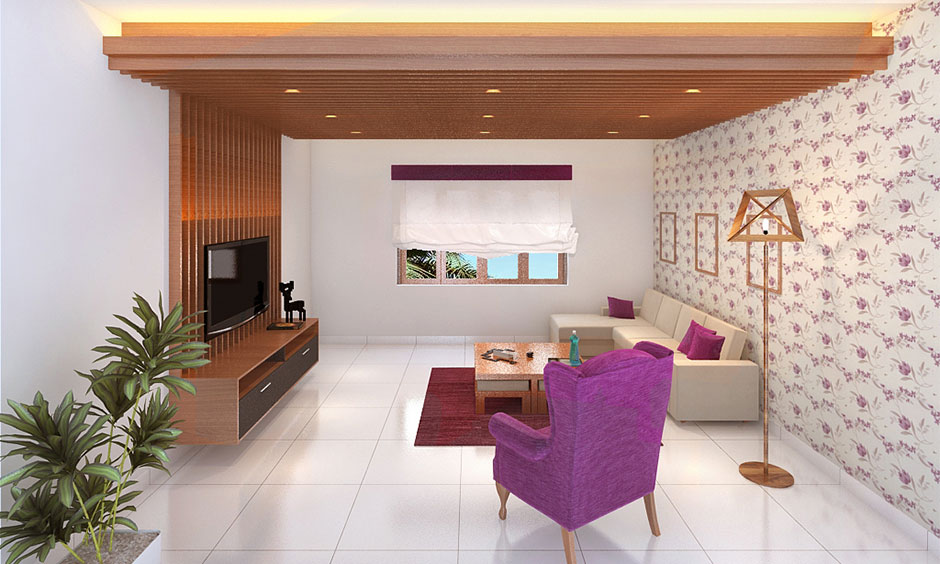
Low ceiling? No problem. Discover how clever false ceiling designs and lighting tricks can make your room look taller, brighter, and effortlessly modern.
A false ceiling design can instantly add polish and structure to any room – concealing wiring, improving acoustics, and elevating the overall aesthetic. But when your room has limited height, the challenge is real: you want the elegance of a ceiling design without losing precious headroom.
The secret lies in design balance, using light materials, subtle recesses, and the right lighting layout to create an illusion of height. Whether it’s your living room, bedroom, or home office, these false ceiling design ideas prove that small spaces can still look spectacular.

Challenges of False Ceilings in Low-Height Rooms
Designing a false ceiling for low-height rooms requires a delicate balance between function and proportion. Common challenges include:
- Reduced vertical clearance, which can make rooms feel compact.
- Bulky ceiling layers that overpower the space.
- Inconsistent lighting that makes the ceiling appear lower.
The goal is to craft a false ceiling that feels visually light, evenly illuminated, and perfectly proportioned for compact homes.
Best False Ceiling Design Ideas for Low-Height Rooms
a) Simple and Minimalistic False Ceiling Designs
Keep it sleek and straightforward. A single-level false ceiling design with a clean finish helps maintain openness while adding sophistication. Use materials like gypsum or PVC for lightweight construction and smooth edges.
Design Tip: A slim recessed light strip around the ceiling’s border adds depth without clutter.
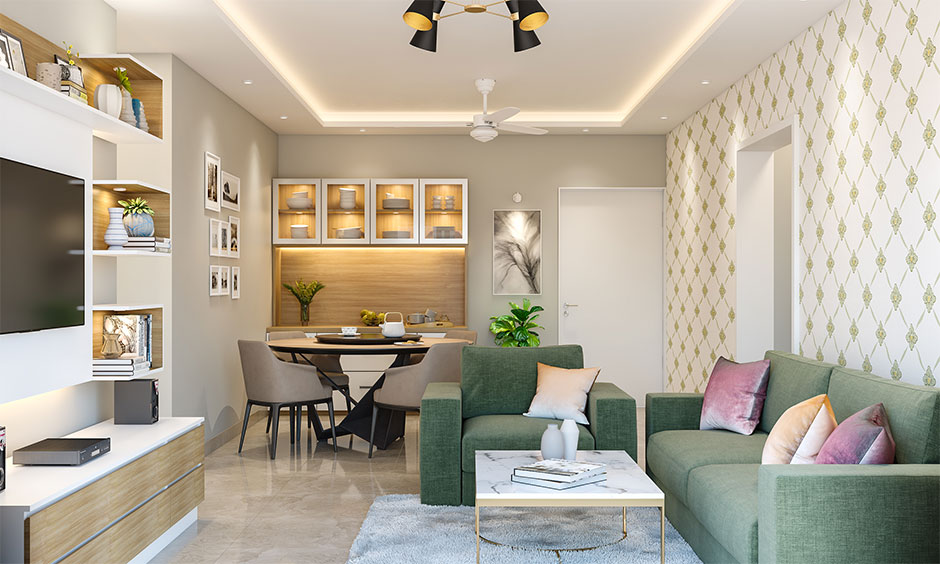
b) Cove Lighting & Simple False Ceiling Design
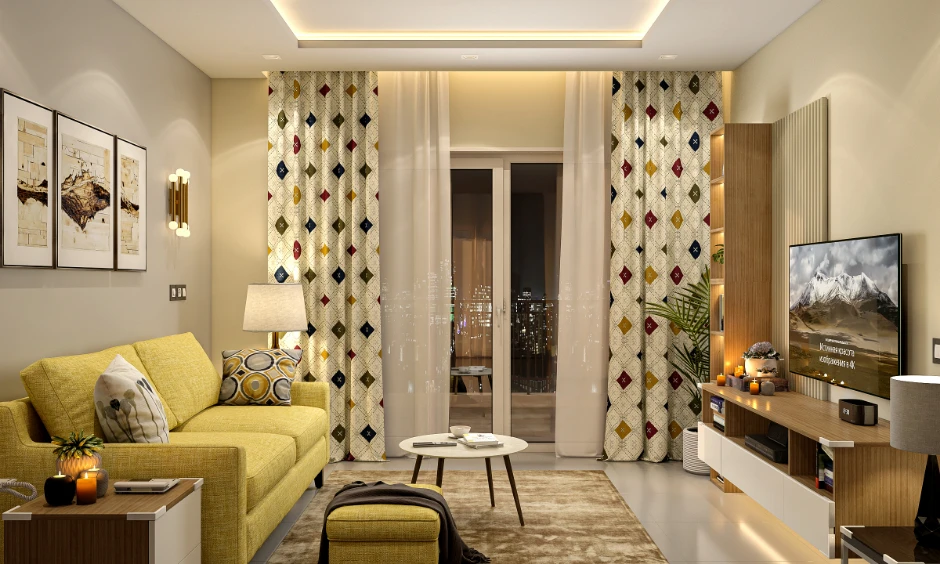
Cove lighting is a game-changer for small rooms. It diffuses light across the ceiling, creating an airy and elevated effect. This design with cove lighting enhances ambience while making the room feel taller.
Pro Tip: Use warm white LEDs (3000K) for a soft, hotel-like glow that feels expansive yet inviting.
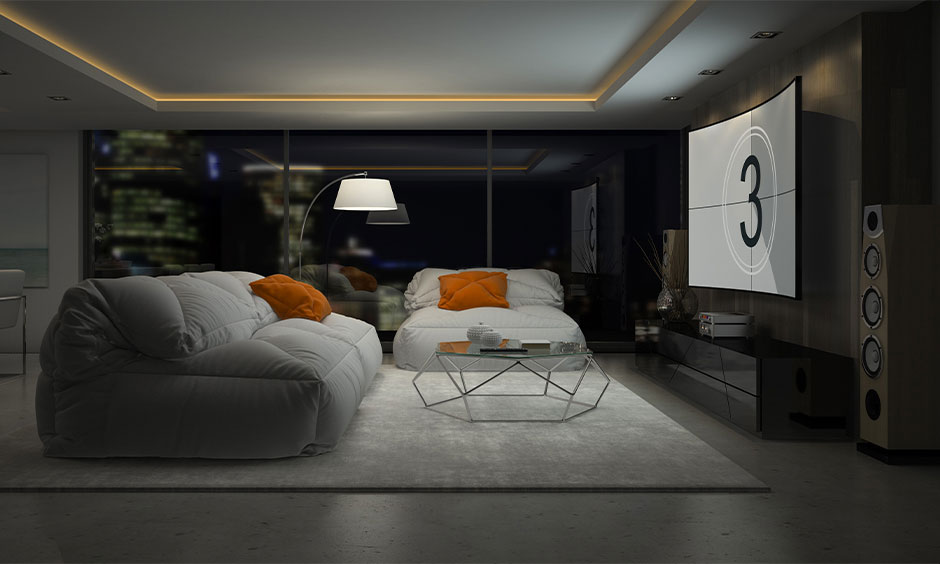
c) POP Borders for the Latest False Ceiling Designs
A full-panel ceiling can visually lower the height. Instead, go for POP false ceiling borders that outline the room’s perimeter. This gives definition and lighting flexibility without compromising headroom.
Design Tip: Pair POP borders with concealed strip lighting for a modern floating effect, perfect for bedrooms or lounges.
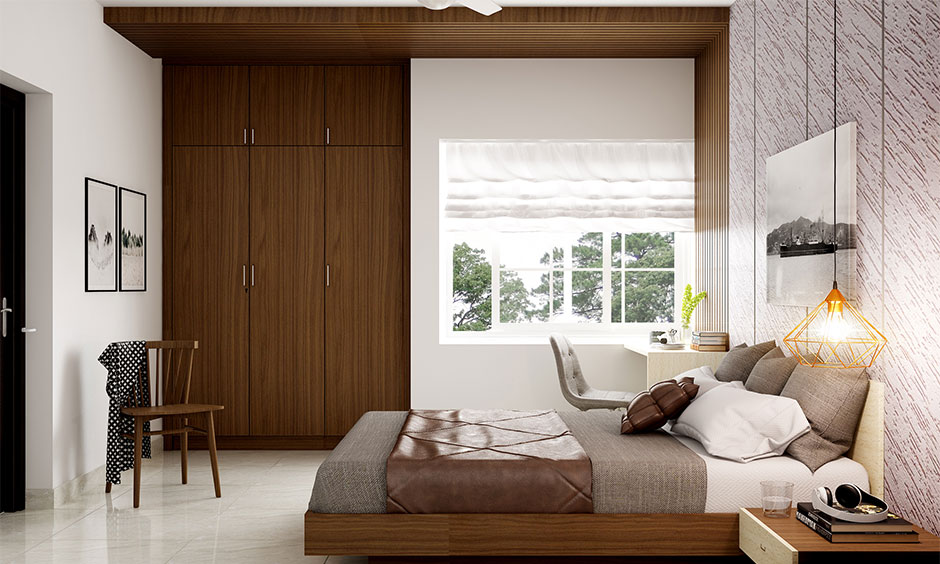

d) Mirror or Glossy Look? New False Ceiling Finishes
Reflective surfaces are an optical trick every designer loves. Adding mirror-finished panels or high-gloss laminates on parts of your false ceiling helps bounce light, making low ceilings appear higher.
Style Note: Soft neutrals like ivory or pearl grey reflect light beautifully without harsh glare.
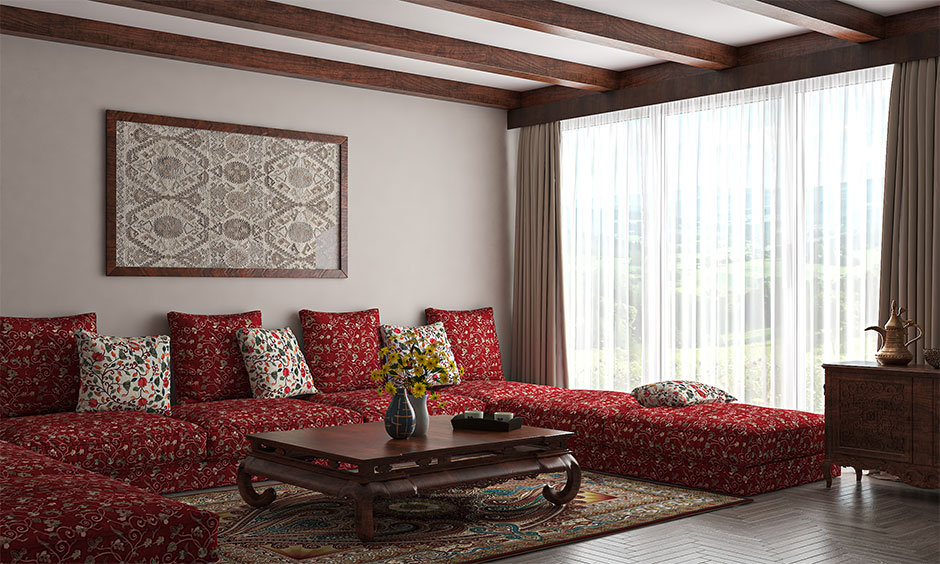
e) Tray False Ceiling Design with Shallow Depth
Tray ceilings add dimension without the bulk. Keep the drop depth under four inches for a subtle layered look. The centre remains elevated, while the edges feature sleek lighting and a smart false ceiling design for low-height living rooms.
Pro Tip: Highlight the recessed perimeter with LED cove lighting to give a ‘floating’ illusion.
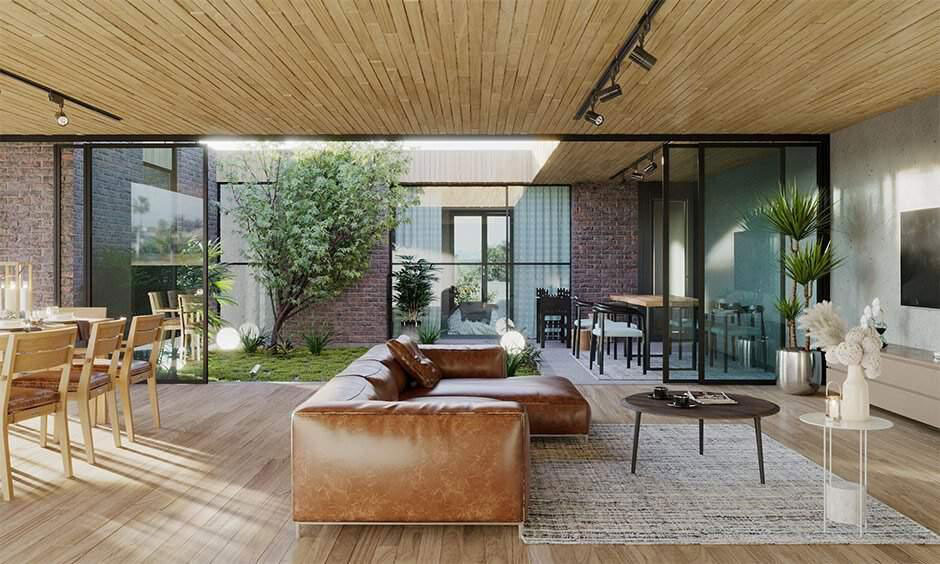
f) Opt for Lighter Colours in Your False Ceiling Design
Colour psychology plays a big role in ceiling perception. Light shades reflect brightness, while darker tones close in the space. For a low-height room, always choose pale hues for your false ceiling – think white, cream, or powder grey.
Design Tip: Match your ceiling tone with the wall’s upper section for seamless flow.
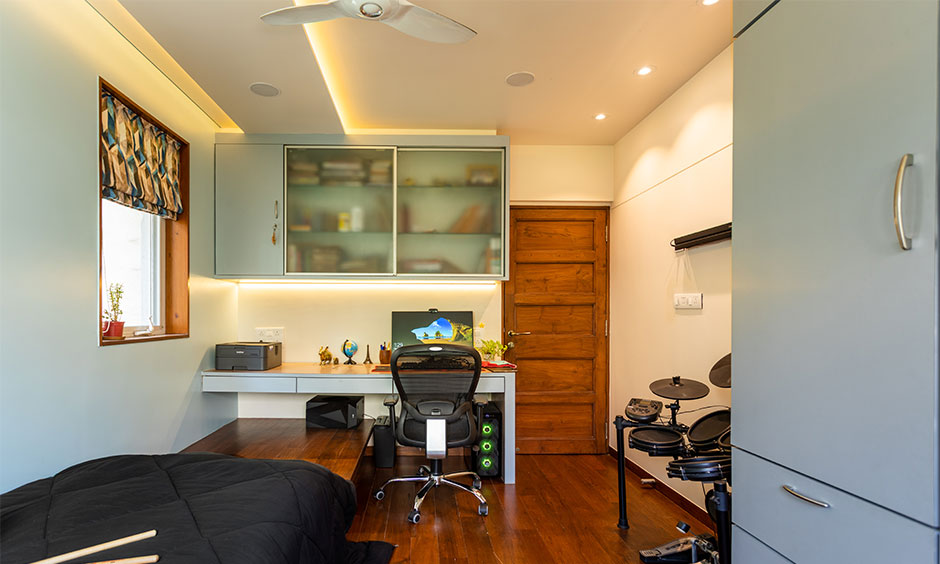
Lighting Tips for Low-Height Rooms with False Ceilings
Lighting can make or break your false ceiling. Here’s how to get it right:
- Choose recessed or strip lights over hanging fixtures.
- Spread illumination evenly to avoid dark corners.
- Use dimmable LEDs for mood versatility.
- Avoid bulky chandeliers; they instantly reduce perceived height.
Pro Tip: Backlighting or perimeter lighting creates an upward glow, drawing attention away from the ceiling height.
Materials & Finishes to Consider for False Ceiling Designs
Selecting the right materials ensures your false ceiling design remains both durable and lightweight:
- Gypsum Board: Perfect for sleek, minimal layouts.
- PVC Panels: Affordable, moisture-resistant, and easy to install.
- POP (Plaster of Paris): Great for detailed edges and borders.
- Laminate or Veneer: Adds warmth and texture – use sparingly in low ceilings.
- Glass or Acrylic Sheets: Reflective, airy, and visually expanding.
Smart Design Hacks to Maximise Space Perception
Make your false ceiling work harder with these space-enhancing tricks:
- Extend ceiling paint slightly onto walls to blur visual boundaries.
- Use vertical wall panelling or drapery to draw the eye upward.
- Keep furniture low-profile for contrast.
- Stick to consistent lighting temperature (warm white or neutral).
- Use mirrors or reflective decor to amplify openness.
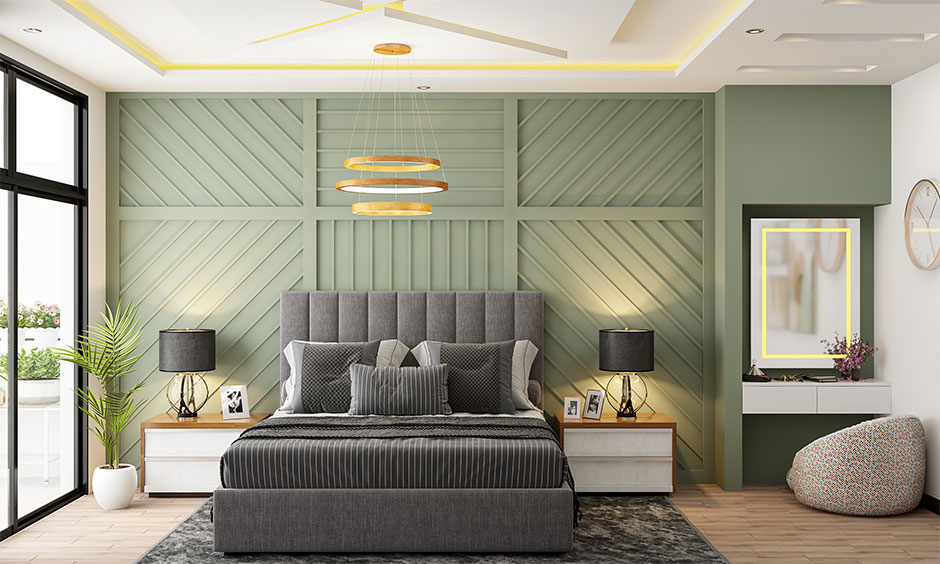
Luxury Living Room Interior Designs


Mistakes to Avoid in Low-Height False Ceiling Designs
Even the most creative false ceiling can fall flat if not planned well. Avoid:
- Deep recesses or multiple-layered panels.
- Heavy wood or dark finishes overhead.
- Uneven lighting layouts that create shadows.
- Hanging fixtures that visually compress the ceiling.
Conclusion
A well-planned false ceiling doesn’t just elevate your interiors, it redefines proportion, light, and comfort. In low-height rooms, the key is subtlety: clean lines, bright tones, and layered lighting that opens up the space.
At DesignCafe, our design experts specialise in crafting space-smart false ceiling designs that look stylish, functional, and perfectly tailored for Indian homes. Book your free consultation today and reimagine how beautiful your ceiling can be.
FAQs
1. Is a false ceiling suitable for a low-height room?
Yes, with minimal depth and clever lighting, a false ceiling design can make your space appear taller.
2. What is the minimum height required for a false ceiling?
Ideally, 9 feet, but with slim gypsum or POP layouts, you can achieve a great look in 8-foot ceilings too.
3. Does a false ceiling make a small room look smaller?
Not if you choose light colours, cove lighting, and minimal recesses.
4. Which false ceiling colours make a low-height room look bigger?
Soft whites, pastels, and warm neutrals enhance brightness and height perception.
5. Can I use wood in a low-height false ceiling design?
Yes, but restrict it to trims or linear panels to avoid heaviness.
6. How can lighting improve a false ceiling in a low room?
Indirect cove or recessed lighting uplifts the space and creates a seamless, elevated look.