Select Category

Planning your home interiors is exciting, but choosing the full-service interior design & e-design packages is hard. Here’s how to make the best choice.
With options like full-service interior design and e-design now widely available, homeowners often struggle to understand what they truly need. Is hands-on, in-person support worth the investment, or can a virtual approach deliver equally beautiful results?
Knowing the real differences between the two design services helps you avoid costly mistakes and choose an option that gives you exactly what you need.
We’ll break down the difference between the two packages, compare costs, timelines, and benefits, and help you confidently decide which option is right for your home.

Understanding Full-Service Interior Design
Full-service interior design is a comprehensive, start-to-finish solution where a professional designer manages every aspect of your project.
This service typically includes:
- In-person consultations and site visits
- Concept development and space planning
- Material, furniture, and finish selection
- Vendor coordination and order management
- On-site supervision and final installation
Whether it’s full home interior design or room-by-room design, the expert takes full ownership of the project.
Who Benefits Most From Full-Service Interior Design?
- Homeowners undertaking full home design or renovations
- Clients with limited time to manage decisions and vendors
- Projects that require customisation, coordination, and execution
- Anyone seeking a stress-free, professionally managed experience
In short, this interior design service works best when you want expert guidance and execution handled for you.
Understanding E-Design Packages
E-design, also known as virtual interior design, is a remote interior design service delivered entirely online. Instead of in-person visits, designers work with:
- Client questionnaires
- Room measurements
- Photos or videos of the space
Deliverables usually include:
- Mood boards and colour palettes
- Space layouts
- Furniture and décor shopping lists
- Styling instructions
This model is also referred to as:
- Interior decorator virtual
- Virtual home design
- Virtual home interior design
Who Benefits Most From E-Design Best For?
- DIY-friendly homeowners
- Smaller projects or single-room updates
- Clients working within a tighter budget
- Those who are comfortable implementing designs themselves
Interior e-design focuses on guidance, making the client responsible for purchases and setup.
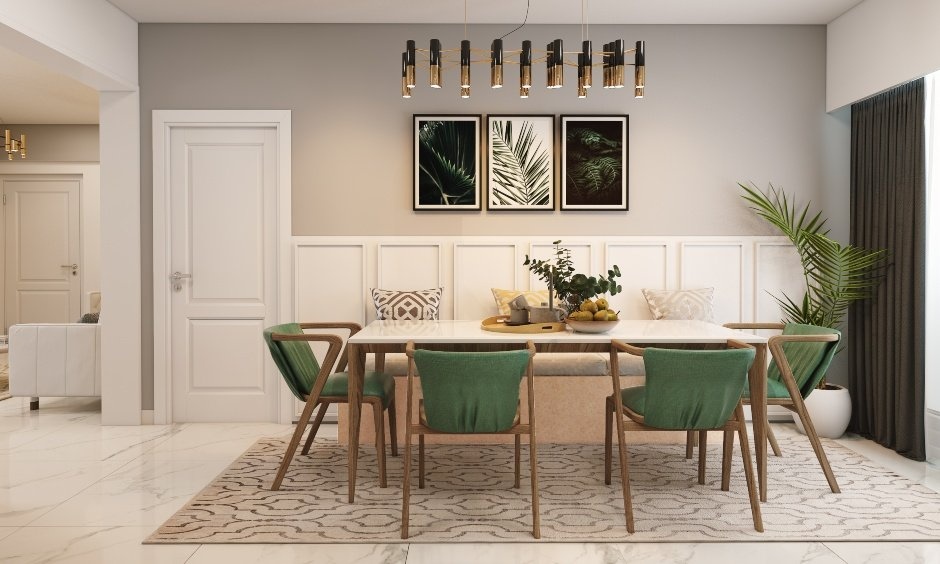
Key Differences Between Full-Service and E-Design Packages
| Aspect | Full-Service Interior Design | E-Design Packages |
| Designer Involvement | Hands-on, end-to-end | Limited, advisory |
| Site Visits | Included | Not included |
| Customisation | Highly tailored | Semi-custom |
| Execution | Managed by designers | Managed by clients |
| Timeline | Longer, structured | Faster turnaround |
| Best For | Full interior design projects | DIY-friendly updates |
The biggest difference lies in responsibility. In a full-service interior design project, the designer leads the project. With e-design, the homeowner does.
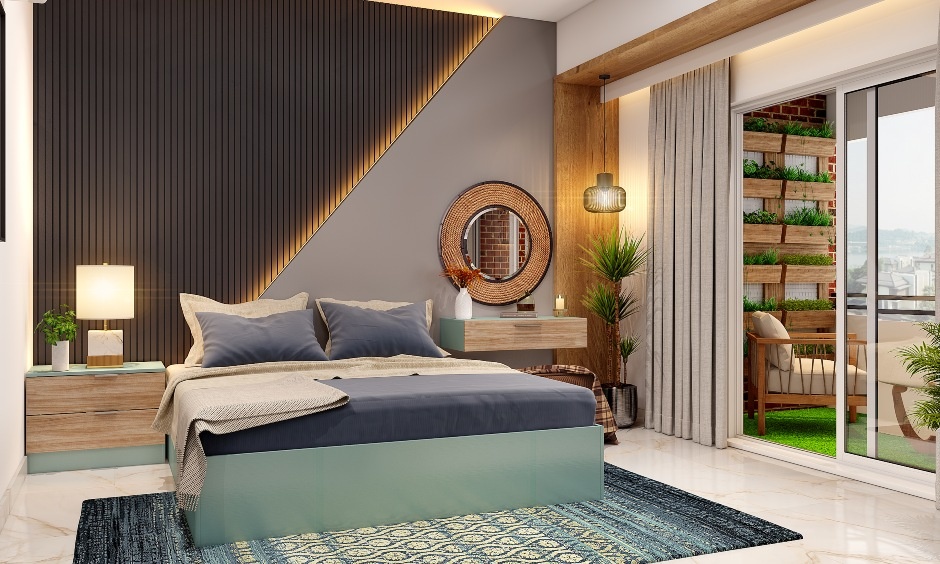

Pros and Cons of Full-Service Interior Design
Pros
- Complete Project Management: Your designer oversees everything, from planning and sourcing to execution, so you don’t have to coordinate multiple vendors or timelines.
- High Level of Customisation: Every detail is tailored to your space, lifestyle, and preferences, making it a good option for those who want specific changes in their space.
- Professional Coordination With Contractors and Vendors: Designers handle communication, orders, and on-site coordination. It reduces costly errors and miscommunication.
- Reduced Stress and Decision Fatigue: With expert guidance at every stage, you avoid overwhelm and make confident decisions faster.
- Best for Full Home Interior Design and Complex Layouts: This service works best for large-scale projects, renovations, or homes that require structural planning and detailed execution.
Cons
- Higher Investment: Full-service interior design involves a greater upfront cost due to hands-on involvement and comprehensive management.
- Longer Timelines: Projects typically take longer to complete due to customisation, approvals, and execution phases.
- Less Hands-On Involvement for Clients Who Enjoy DIY: If you prefer managing details yourself, the full-service approach may feel less interactive.
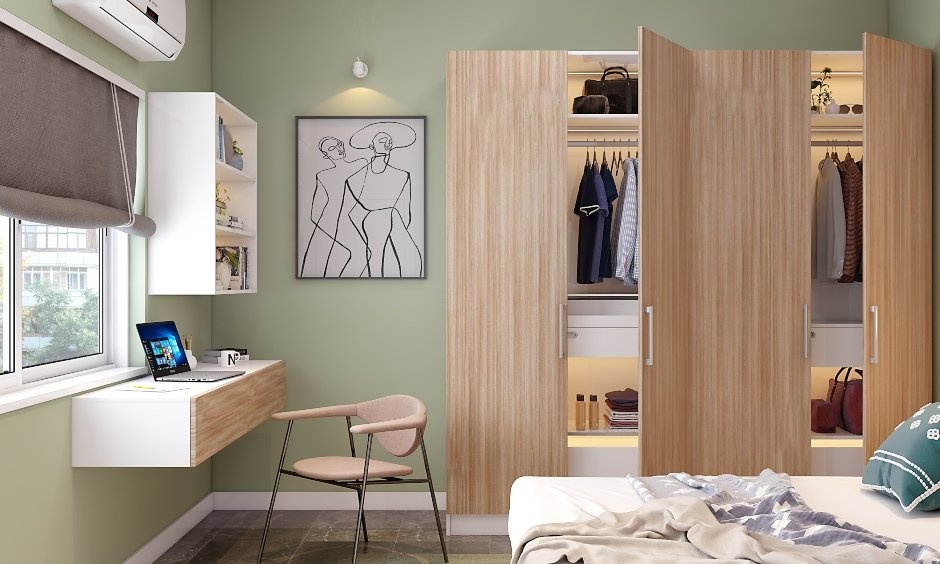
Luxury 2BHK Interior Designs


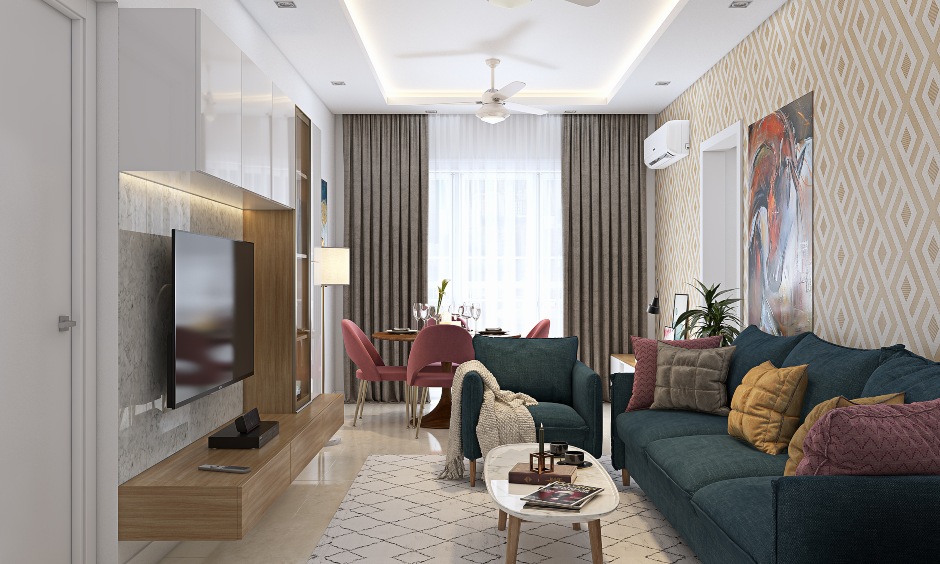


Pros and Cons of E-Design Packages
Pros
- More Affordable Than Full Service: E-design offers professional design guidance at a lower price point, making it accessible to more homeowners.
- Faster Design Delivery: Without site visits or execution phases, design plans are delivered more quickly.
- Flexible and Accessible From Anywhere: Since everything is done remotely, you can work with designers regardless of location.
- Perfect for Renters or Temporary Spaces: E-design works well for spaces that don’t require permanent changes or major renovations.
Cons
- Limited Customisation: Designs are based on provided measurements and photos, which can restrict how tailored the final result is.
- No On-Site Problem Solving: Any implementation challenges must be handled by the client without in-person designer support.
- Success Depends Heavily on Client Execution: The outcome relies on how accurately the client follows the design plan.
- Not Ideal for Large-Scale Renovations: Complex projects with construction or layout changes are better suited to full-service interior design.
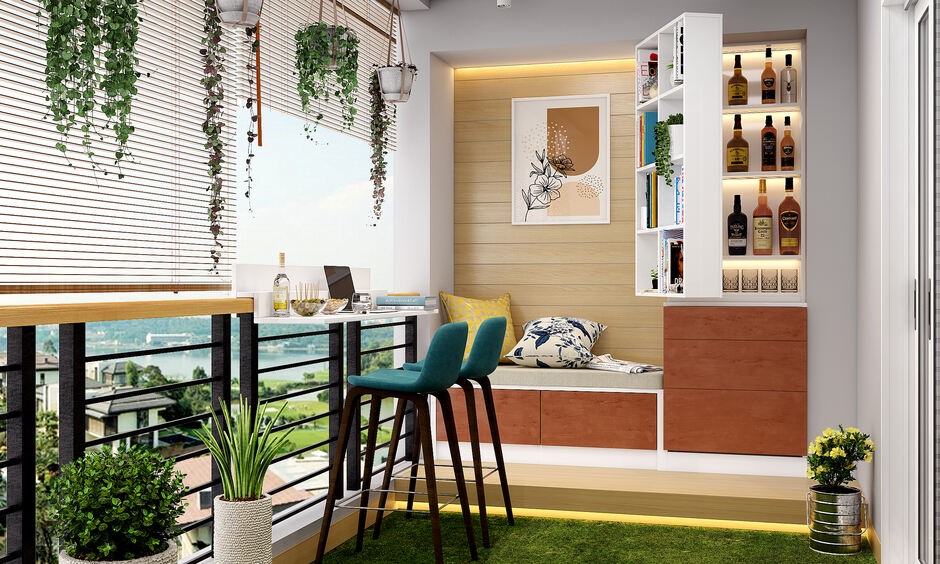
Which Service Is Right for You?
Ask yourself these questions before deciding:
- Am I redesigning one room or my entire home?
- Do I have time to manage purchases and installations?
- Is my project straightforward or complex?
- Do I want professional execution or just design guidance?
Choose Full-Service Interior Design If:
- You are planning a full home design.
- You want expert oversight.
- Your space requires structural or layout changes.
Choose E-Design If:
- You are updating a single room.
- You enjoy hands-on implementation.
- You want professional direction at a lower cost.
There’s no one-size-fits-all answer; only the right fit for your needs.
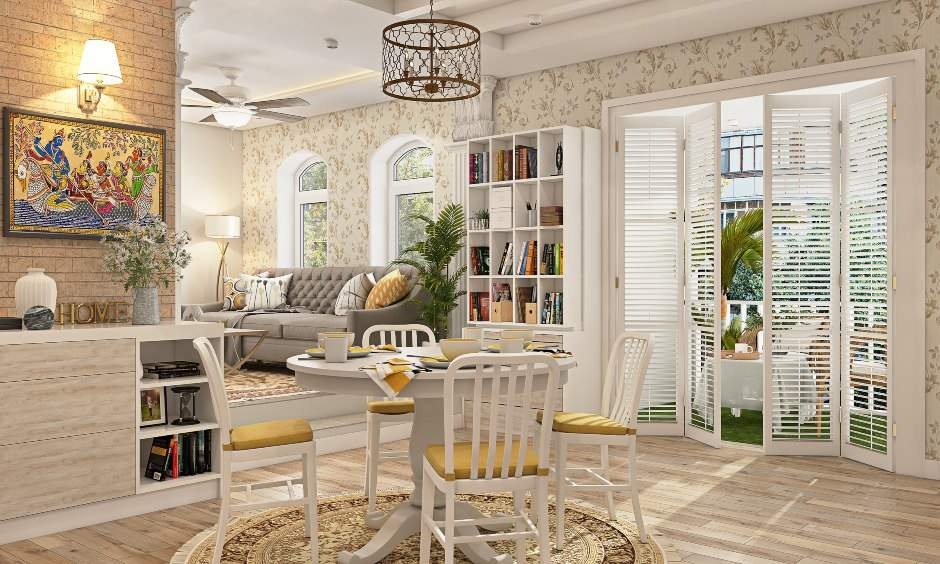
Cost Comparison: Full-Service Design vs E-Design
Full-Service Interior Design Costs
- Often charged as a flat fee, an hourly rate, or a percentage of project cost.
- Higher upfront investment.
- Includes design, sourcing, and project management.
E-Design Costs
- Fixed package pricing.
- Significantly more affordable.
- Covers design deliverables only.
While e-design saves money upfront, full-service interior design often delivers greater long-term value through professional execution and fewer costly mistakes.
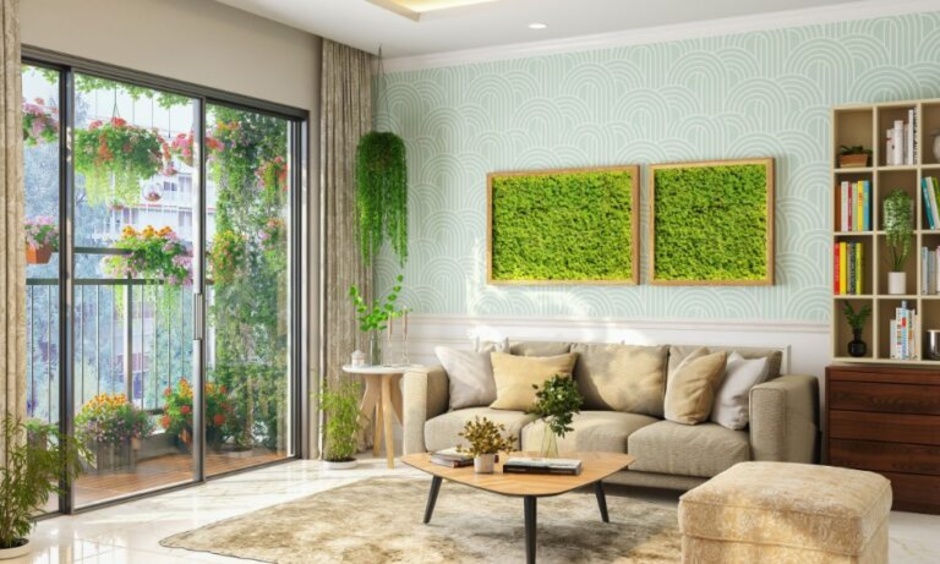
How to Choose the Right Design Service for Your Project?
When selecting any design service:
- Review portfolios carefully
- Understand what’s included (and what’s not)
- Clarify timelines and revisions
- Communicate expectations upfront
A good designer, whether virtual or in-person, will help you choose the service that best supports your goals, not upsell you unnecessarily.
Choosing between full-service interior design and e-design comes down to your project size, budget, timeline, and level of personal involvement.
If you want a fully managed, customised experience for full interior design, full-service is the right choice. If you are confident in executing ideas yourself and need professional direction, interior design virtual solutions offer flexibility and affordability.
The best interiors are well-planned and perfectly aligned with how you live.
Confused about where to start? Talk to the experts at DesignCafe for more.
FAQs
1. What is the difference in turnaround time between full-service and e-design?
E-design projects are typically faster, while full-service design follows a longer, phased timeline.
2. Can I switch from e-design to full-service during a project?
Yes, many designers allow upgrades, depending on availability and scope.
3. Are e-design packages effective for large-scale projects?
E-design works best for smaller spaces. Large or complex projects benefit from full-service interior design.
4. How do I communicate with my designer during an e-design project?
Communication usually happens via email, video calls, and shared documents.
5. Can e-design work for custom or unique spaces?
It can, but customisation is limited compared to full-service solutions.