Select Category


AI Summary
3 key insights · 1 expert tipUnderstanding how architecture shapes interior spaces is key to creating functional and beautiful homes, ensuring design decisions work harmoniously with the structure.
KEY INSIGHTS
- Early collaboration between architects and interior designers can prevent costly rework, potentially saving 3-4 times the cost of late changes.
- Architectural elements like load-bearing walls, window placement, and ceiling height directly influence layout, natural light, and overall room feel.
- Understanding structural limitations from the start prevents issues with furniture placement, cabinet heights, and the integration of services like lighting.
 DESIGNCAFE EXPERT TIP
By our design team
DESIGNCAFE EXPERT TIP
By our design team
Prioritize architectural elements like ceiling height, window placement, and wall alignments with your architect before finalising layouts or finishes for a more balanced outcome.
Walls, light, and heights quietly shape architecture in interior design. Read our blog to learn how to use them in your home.
Before colours, furniture, or decor enter the picture, a home already has a structure that quietly dictates what is possible inside it.
Interior architecture builds the skeleton of a home — directing how spaces connect, how rooms flow, and how comfortably they function. Interior design then layers materials, furniture, and atmosphere onto that structure.
Interior design may be what we see and experience, but architecture sets the rules of the game. When the structure works well, interiors flow effortlessly. When it doesn’t, designers spend most of their time working around limitations.
This is why architecture in interior design is not a background detail. It is the framework on which every well-designed space depends.

Architecture in Interior Design: What It Really Means for Your Space
Architecture defines the physical DNA of a space — walls, floors, structural columns, slabs, and openings like doors and windows. These elements determine the boundaries, proportions, and structural logic of the interior environment.
A common question homeowners ask is whether interior design falls under architecture. Technically, the two disciplines operate at different stages. Architecture shapes the building shell, while interior design shapes the experience within that shell.
But in practice, the relationship is far more intertwined. Every architectural decision — from the width of a window to the position of a structural column — directly influences what an interior designer can achieve once the structure is complete.
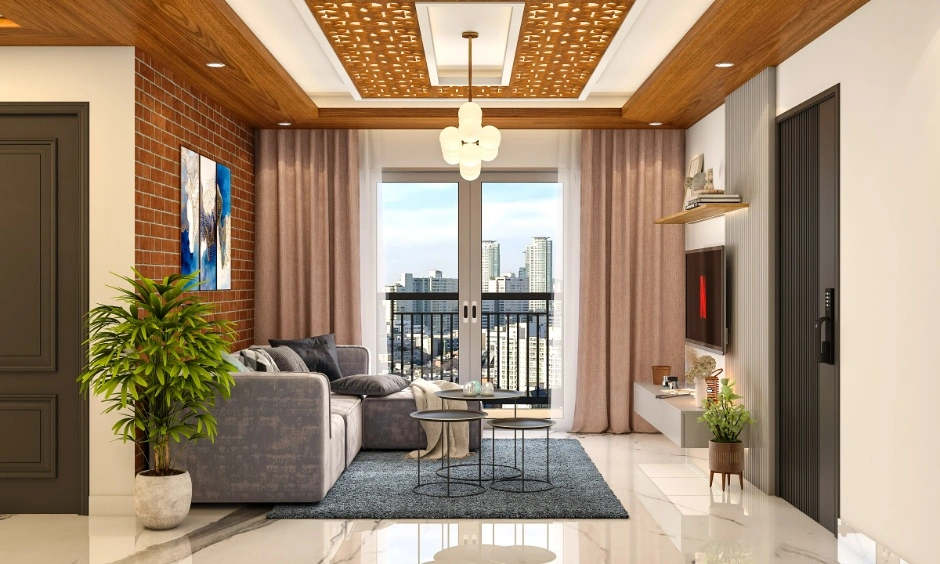
How Architecture and Interior Design Work Together to Shape Every Room
1. Space Planning & Layout
Space planning begins with architecture. Load-bearing walls, structural cores, and column grids determine how rooms can be organised.
Unlike partition walls, load-bearing walls cannot simply be moved or removed without structural intervention. Their placement becomes the biggest constraint in layout planning.
When architectural layouts are thoughtfully planned, interior designers can create natural spatial zones — dining areas, lounge spaces, work corners — without forcing awkward furniture arrangements or circulation paths.
2. Natural Light & Ventilation
Light enters a home long before furniture does.
Window size, orientation, and placement are fixed during the architectural stage. A south-facing living room may receive strong afternoon sunlight, while a north-facing study might have soft, diffused light throughout the day.
These light patterns influence almost every interior decision — paint colours, material finishes, fabric choices, and even the placement of mirrors and artwork. Interior design in architecture works best when it embraces these light conditions rather than trying to correct them later.
3. Structural Limitations
Beams, columns, and slabs are non-negotiable elements in any building.
A beam running across a kitchen ceiling may limit cabinet heights. A structural column in a living room may interrupt furniture layouts. Even slab drops can affect false ceiling designs.
Good interior designers begin every project by mapping these structural realities. Only after understanding these limitations do they develop design concepts that work with the structure rather than against it. They understand that interior and architecture design are two sides of the same coin.
Trending Space Saving Interior Designs



4. Ceiling Heights and Spatial Volume
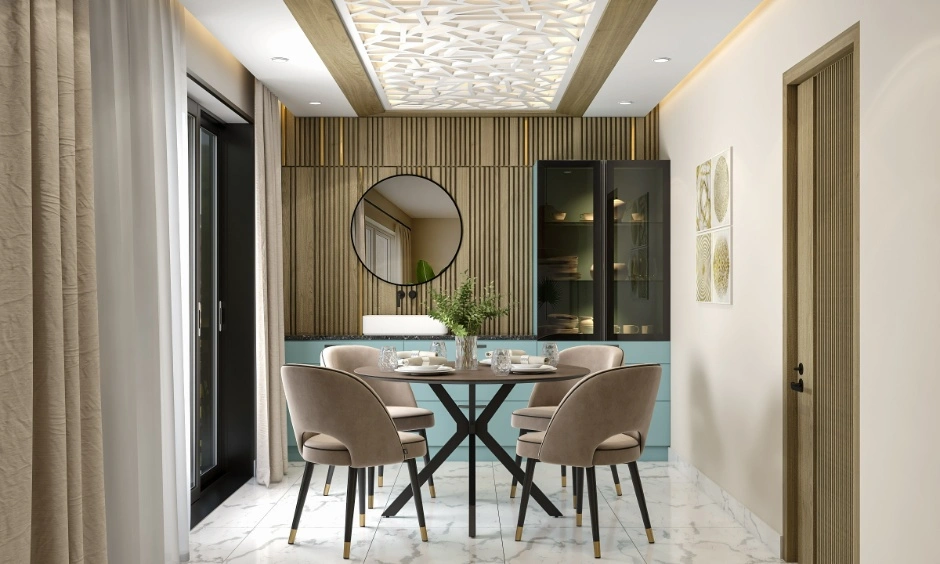
Ceiling height defines how a room feels before anything else is added.
An 8-foot ceiling encourages cosy, intimate interiors — perfect for bedrooms or reading nooks. A double-height space, on the other hand, demands vertical layering, tall curtains, statement lighting, and carefully scaled furniture.
From pendant light drops to wardrobe heights to curtain tracks, almost every vertical design decision responds to the architectural volume of the room.
Architecture & Interior Design: Key Differences
Understanding the difference between architecture and interior design helps homeowners know who to involve and when during a project.
| Aspect | Architecture | Interior Design |
| Primary Focus | Structure, safety, building shell | Aesthetics, function, human experience |
| Scope | Entire building lifecycle | Interior spaces post-construction |
| Licensing | Mandatory in most countries | Varies by region |
| Key Deliverable | Floor plans, structural drawings | Mood boards, material palettes, 3D renders |
| Works With | Civil & MEP engineers | Architects, contractors, vendors |
| Timing | Pre-construction phase | Post-structure or concurrent |
| Structural Changes | Yes — walls, slabs, beams | Limited to non-load-bearing elements |
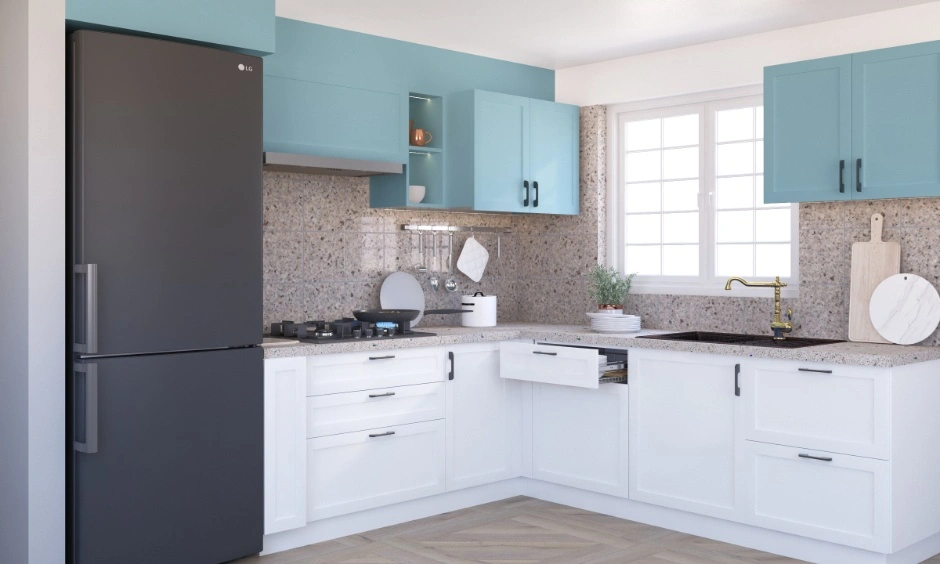
Why Architects and Interior Designers Must Collaborate?
The best residential projects rarely treat architecture and interiors as separate stages. When both disciplines collaborate from the schematic design phase, the outcome improves dramatically.
Consider something as simple as concealed lighting. If an interior designer plans for indirect cove lighting, the architect must allow sufficient structural depth above the false ceiling at the slab stage.
If this coordination happens late — after construction — retrofitting becomes expensive and often compromises structural clarity. In many cases, correcting such issues can cost three to four times more than planning them early.
Early collaboration not only protects budgets but also ensures the structure supports the intended design vision.
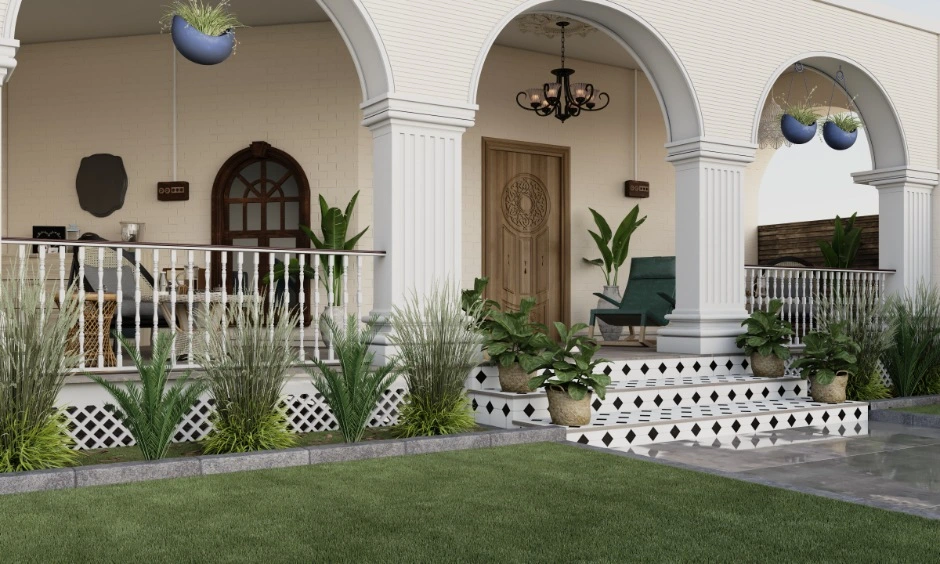
The Role of Interior Design in Architecture: Where the Lines Blur Beautifully
Interior architecture sits at the intersection of architecture and interior design.
An interior architect operates within an existing structure but has the expertise to modify spatial configurations when required. This may involve removing non-load-bearing walls, redesigning staircases, adjusting floor levels, or restructuring circulation patterns.
Unlike traditional interior design, which focuses primarily on finishes and furniture, interior architecture reshapes the spatial framework itself.
The overlap between interior design and architecture becomes most visible during renovation projects, where an existing structure must first be understood — and sometimes partially transformed — before new interiors can emerge.
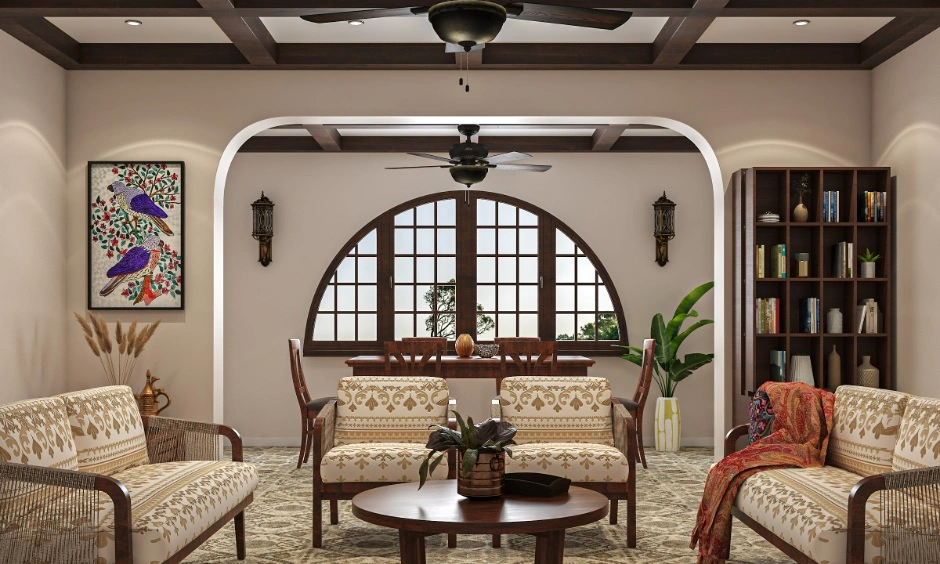
Why the Importance of Interior Design in Architecture Goes Beyond Just Aesthetics
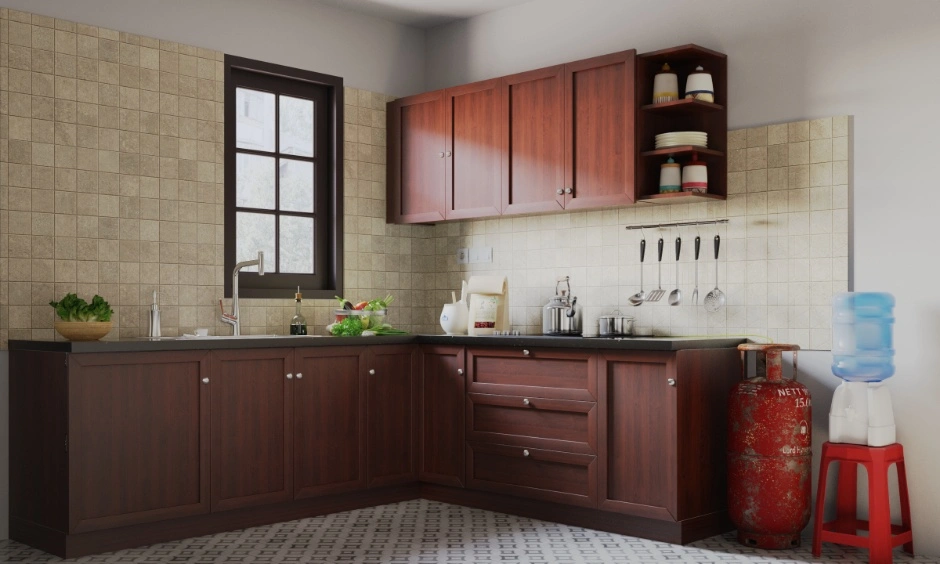
1. Modular Kitchens
Kitchen layouts are heavily shaped by architectural infrastructure.
Plumbing shaft positions, window placements, exhaust openings, and slab penetrations determine where sinks, cooktops, and appliances can be placed. When these elements are resolved early, modular kitchen designs integrate seamlessly into the space.
2. Wardrobes & Storage
In bedrooms, beam drops and wall offsets often dictate wardrobe possibilities.
A structural beam above a wardrobe niche may reduce cabinet height. Irregular wall projections can limit storage depth. Accurate architectural drawings allow designers to plan the space to maximise every available centimetre.

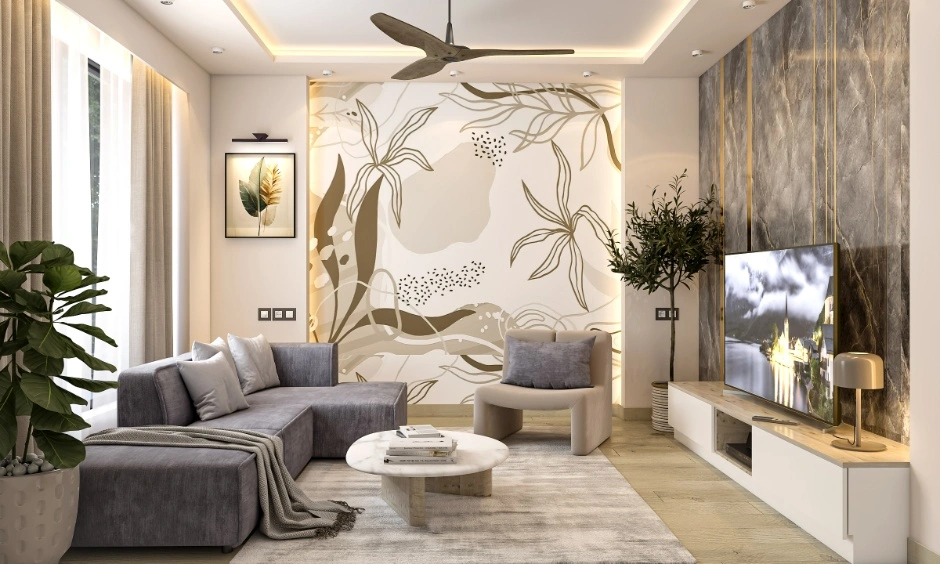
3. Living Rooms
Living room layouts respond strongly to architectural anchors.
The position of the main door, balcony openings, ceiling height, and structural columns all influence furniture placement, TV unit alignment, and visual balance within the space.
4. Bathrooms
Bathrooms are among the most architecture-driven spaces in a home.
Drain slopes, plumbing shaft locations, and waterproofing zones are determined during construction. Ignoring these factors can lead to awkward tile layouts, poorly positioned shower niches, or drainage that runs counter to the tile pattern.
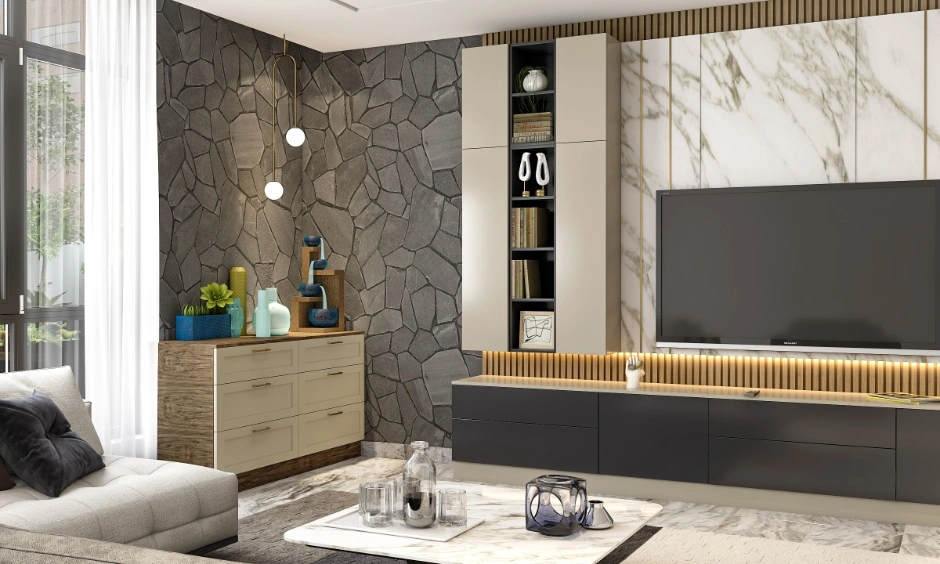
The Real Difference Between Architecture and Interior Design (And Why It Matters)
Many design problems arise simply because architecture and interiors were planned independently.
Common examples include:
- Sockets placed without referencing furniture layouts — ending up hidden behind beds or sofas.
- False ceilings installed without lighting coordination — leaving no depth for fixtures.
- Tile sizes chosen without considering room dimensions — resulting in awkward edge cuts.
- AC duct routes not aligned with cabinetry or joinery — causing visible ducts or costly rerouting.
- Windows positioned without considering furniture scale — disrupting visual balance.

Architect vs Interior Designer: Who Should You Hire and When?
The stage of your project usually determines the professional you need.
If you are building a home from scratch or undertaking structural renovation, an architect should be involved from the start. They develop the structural framework and building envelope.
For apartments where the structure is fixed, an interior designer can typically manage the transformation.
However, if walls need to be relocated, staircases modified, or ceiling heights adjusted, the project may require an interior architect or a structural engineer to work alongside the designer.
Benefits of Integrating Architecture with Interior Design Early
The importance of interior design in architecture becomes most evident when both disciplines evolve together from the beginning.
MEP routes can be planned around interior zones. Facade materials can complement interior palettes. Curtain pockets, lighting niches, and storage recesses can be built into the structure rather than improvised later.
Projects where architecture and interior design function as a single integrated process consistently deliver better spatial quality, smoother execution, and fewer surprises during construction.
Conclusion
Architecture in interior design is not a background layer — it is the starting point.
The most successful interiors share one defining characteristic: the architecture and the design language feel inseparable. Proportions, light, materials, and spatial flow all work together instead of competing.
Treat architecture and interior design as an ongoing conversation rather than a sequential handover—and start it as early as possible. Talk to the experts at DesignCafe to effortlessly design your dream home.
FAQs
1. What is the role of architecture in interior design?
Architecture establishes the structural framework of a space — including wall positions, ceiling heights, and light entry points. Interior design then humanises that framework through materials, lighting, furniture, and spatial experience.
2. How does architecture affect interior layout planning?
Architectural elements such as load-bearing walls, plumbing shafts, window placements, and structural columns directly shape furniture layouts and circulation paths. Interior designers must map these elements before finalising any spatial plan.
3. Can interior designers modify architectural elements?
Interior designers can modify non-load-bearing partitions, flooring levels, and ceiling treatments. Structural elements such as beams, columns, and slabs require the intervention of a licensed architect or structural engineer.
4. What is the difference between architecture and interior architecture?
Architecture encompasses the entire building lifecycle. Interior architecture focuses on restructuring and transforming interior spaces within an existing building shell.
5. Why should architects and interior designers collaborate?
Early collaboration aligns structural planning with interior intent. It prevents costly rework, ensures better integration of lighting and MEP systems, and produces spaces with greater functional and visual coherence.
6. Can interior design fix poor architectural planning?
Interior design can mitigate some issues through smart furniture placement, layered lighting, and custom joinery. However, fundamental problems such as low ceilings, poor ventilation, or inadequate natural light are difficult to resolve once the architecture is already built.