Select Category

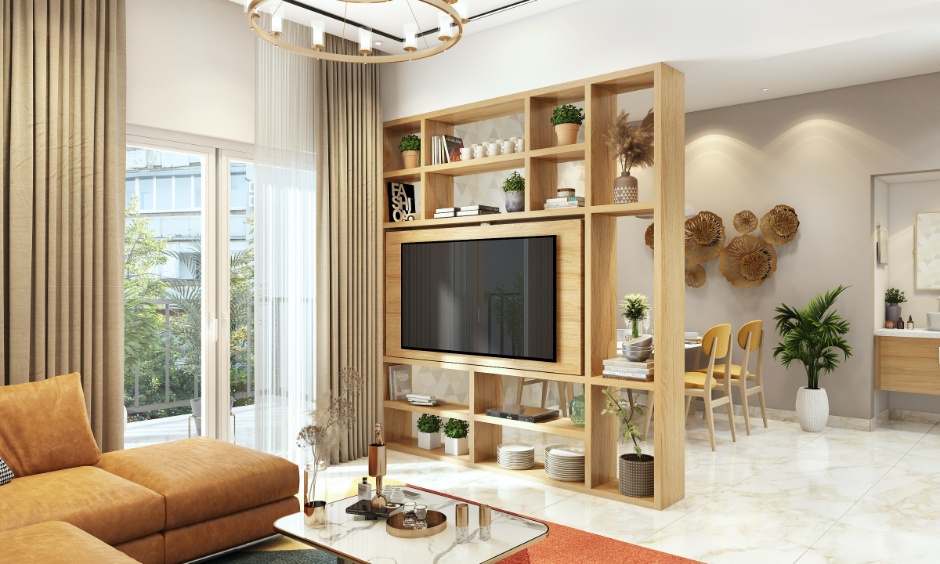
Elevate your home with natural vs engineered materials for Interiors. Learn the differences, pros, cons and how to combine them for beautiful and functional home design. Read more here!
Choosing the right materials for your interiors, whether natural or engineered, is essential for creating spaces that are both functional and visually appealing. This decision impacts the aesthetic value, durability, and maintenance of your home. A thoughtful approach ensures a balance between timeless beauty and practical performance, tailored to your needs and lifestyle.
What You’ll Read Here:
- The key differences between natural and engineered materials
- Discover how to effectively use these materials in various design projects.
- Insights on common pitfalls to steer clear of when working with these materials
- Frequently Asked Questions about choosing the right materials for your home.
Expert Tip:
According to Ishwarya Subramanian, Studio Manager, DesignCafe Experience Centre, Coimbatore, “When deciding between natural and engineered materials, consider the purpose and usage of the space. Natural materials like wood and stone bring timeless beauty but may require more upkeep. Engineered materials often offer greater durability and affordability while mimicking natural aesthetics. A careful blend ensures both functionality and visual appeal.”

Choosing materials for your home can be confusing. You walk into a showroom, and suddenly you are bombarded with terms like ‘solid hardwood’, ‘engineered quartz’, ‘veneer’, and ‘laminate’. You just wanted a kitchen counter, not a degree in material science.
In most cases, you encounter the classic battle between natural vs engineered materials. On one side, you have Mother Nature, offering unique, imperfect beauty. On the other hand, you have human ingenuity, offering durability and consistency. Which one wins?
Well, that depends on whether you prefer “character” (scratches easily) or “indestructible” (might look a bit too perfect).
Let’s carve out the truth and see which contender deserves a spot in your living room.
Why Understanding the Difference Between Natural Vs. Engineered Material Matters?
Mistaking a natural material for an engineered one can lead to tragic (and expensive) realisations later, like when you place a hot pan on a surface that melts rather than handling the heat.
Understanding the distinction between natural material vs engineered material is crucial for three main reasons:
- Maintenance: Some materials need daily pampering; others thrive on neglect.
- Longevity: Will it last 50 years or 5 years?
- Vibe: Does your home feel organic and warm, or sleek and modern?
What are Natural Materials?
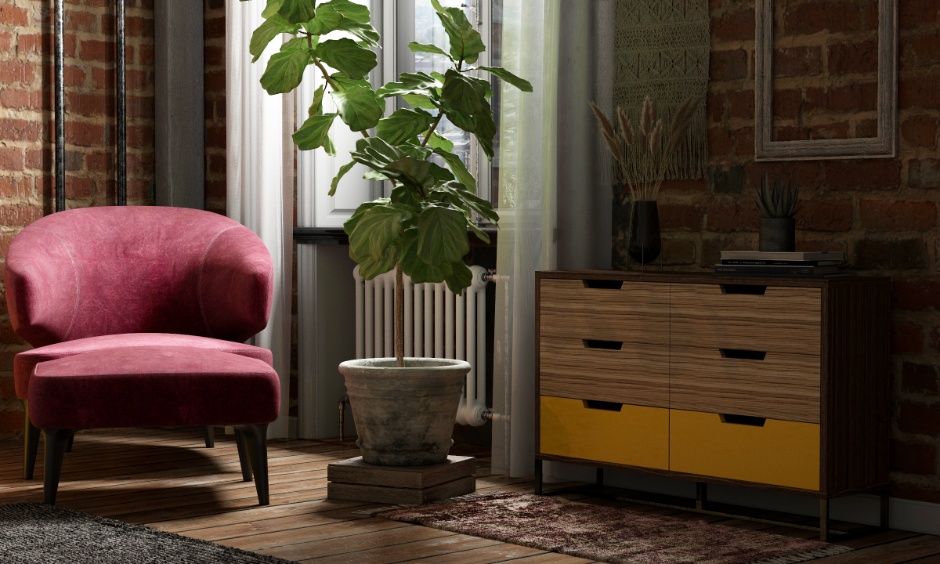
Let’s start with the OGs. A natural material is exactly what it sounds like: stuff we found in nature, cleaned up a bit, and stuck in your house. We’re talking about solid wood, marble, granite, leather, and wool.
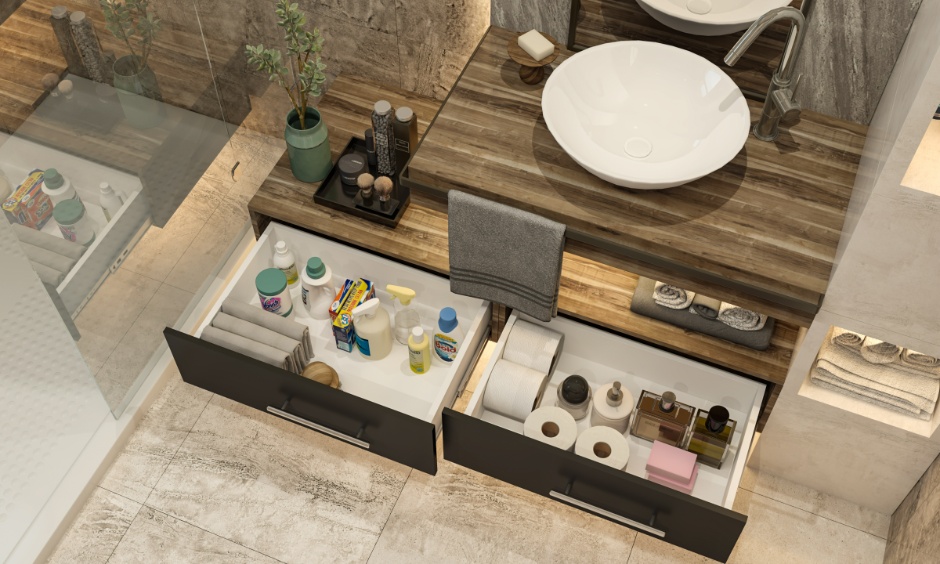
The beauty of natural material lies in its imperfection. No two slabs of marble are the same. No two planks of walnut have the same grain. When you buy natural, you are buying a piece of history. However, you are also buying something that reacts to its environment. Wood expands when it’s humid. Marble stains with regular food items.
What are Engineered Materials?
Now, let’s talk about the challengers. An engineered material is an artificial product designed to improve upon nature’s flaws. Humans looked at wood and said, “I like you, but stop warping.” They looked at the natural stone and said, “You’re pretty, but you stain too easily.”
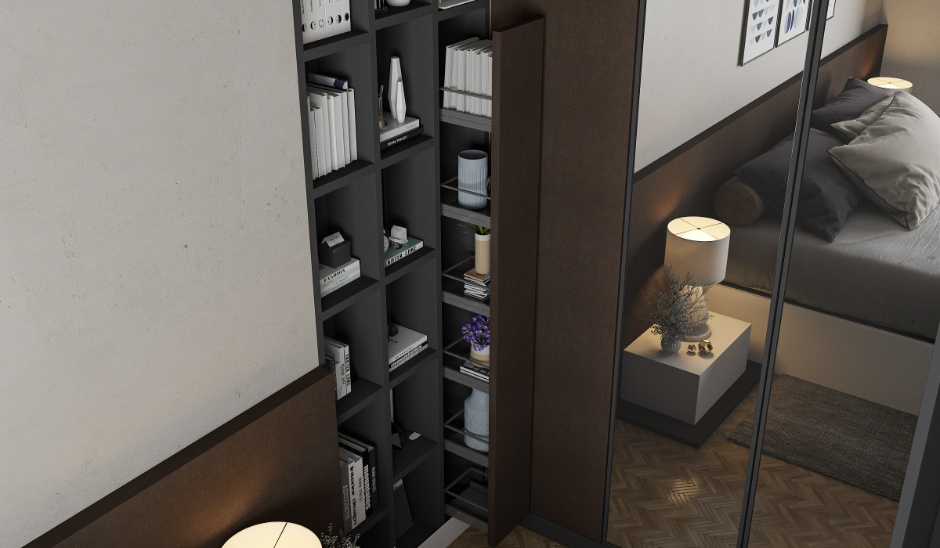
So, we have different types of engineered materials like plywood, MDF (Medium Density Fiberboard), quartz, and porcelain tiles. These are often composites, mixtures of natural particles and resins, adhesives, or other binders. They are cooked up in factories to be stronger, straighter, and more predictable than their wild counterparts.

Natural vs Engineered Materials: Pros and Cons
When weighing natural material vs engineered material, it helps to see them head-to-head.
| Feature | Natural Materials (The Divas) | Engineered Materials (The Workhorses) |
| Aesthetics | Unique, organic, warm. ‘Wabi-sabi’ vibes. | Consistent, uniform, sleek. Can mimic nature perfectly. |
| Durability | Prone to scratches, stains, and warping. | Generally resistant to moisture, heat, and scratches. |
| Maintenance | High. Needs sealing, polishing, and TLC. | Low. Wipe it down and forget about it. |
| Price | Expensive | Moderate to Affordable |
| Lifespan | Can last centuries if cared for. | Lasts a long time, but hard to refinish. |
Expert Tip: If you have toddlers, pets, or a clumsy spouse, engineered material is usually the safer bet.
Applications of Natural Material Vs. Engineered Material in Interior Design
Where should you use what? The suitability of engineering materials for design, compared with natural ones, depends entirely on the room’s function.
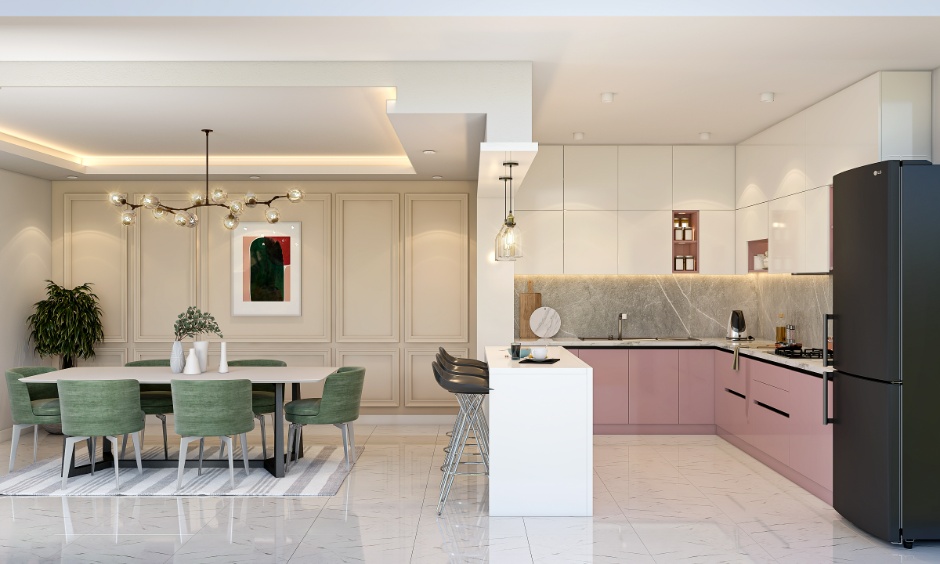
- Kitchen Countertops: This is the hottest debate between natural and engineered materials. Granite (natural) is heat-resistant but needs sealing. Quartz (engineered) is non-porous and requires zero maintenance. Quartz usually wins for busy families.
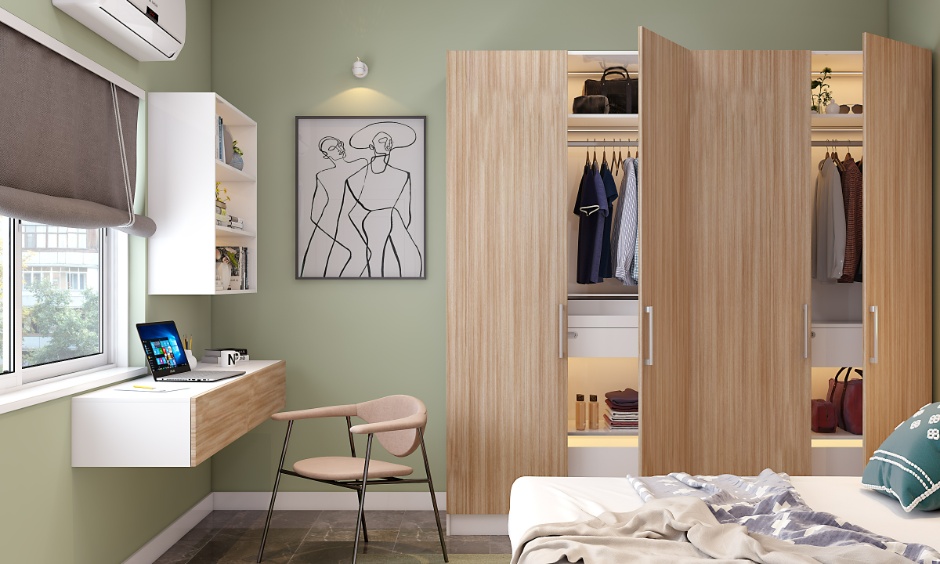
- Flooring: Solid hardwood is the dream, but engineered wood (a layer of real wood over plywood) handles humidity better. If you live in a humid city, opt for engineered wood.
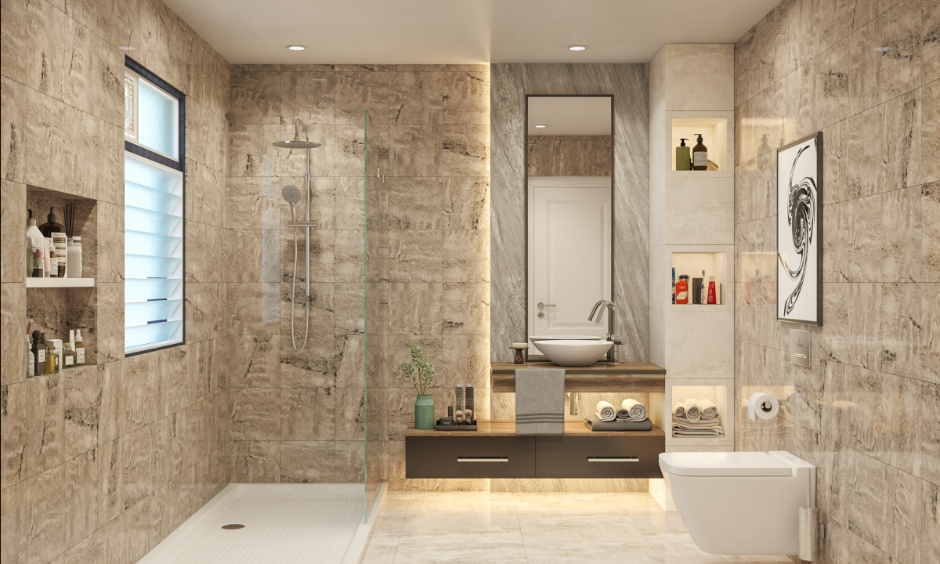
- Bathroom Vanity: Water is the enemy of wood. In bathrooms, different types of engineered materials like marine-grade plywood or porcelain are your best friends.
Sustainability and Environmental Considerations Regarding Engineered Material
Here is where things get tricky. You’d think natural is always more eco-friendly, right? Not always. Chopping down rare rainforest timber isn’t exactly winning you any environmental awards.
When comparing natural and manufactured materials, consider the lifecycle:
- Natural: Renewable (if sourced responsibly), biodegradable, but resource-intensive to extract and transport.
- Engineered: Often uses waste products (like wood chips for MDF), which is great, but uses glues and resins that might off-gas chemicals (VOCs).
If you are looking for sustainable engineering materials for design, look for materials with recycled content or low-VOC certifications.

Natural Vs. Engineered Materials: Budget Considerations
Generally speaking, natural materials command a premium price tag. You are paying for rarity, extraction costs, and the transport of heavy slabs or logs.
At the same time, engineered materials are typically friendlier to the wallet. Because they are manufactured in factories, supply is consistent, keeping their prices stable. However, high-end engineered quartz or luxury vinyl tile can sometimes rival natural stone in price. Don’t assume ‘artificial’ always means ‘cheap’.
Common Mistakes When Choosing Materials
Don’t be the person who installs marble in a kids’ bathroom. Avoid these blunders by following our tips:
- Ignoring Lifestyle: Choosing white marble when you love cooking with turmeric and red wine. That’s a recipe for a permanent stain.
- Fearing the ‘Fake’: Some people turn their noses up at natural and man-made materials mixing. But modern technology is amazing. Some porcelain tiles look more like wood than wood does.
- Forgetting Climate: Installing solid wood in a basement or a beach house where moisture levels fluctuate wildly. It will warp faster than you can say ‘humid’.
Pro Tip: Always get a sample. Never pick a material based on a picture online. Touch it, feel it, and see how it looks in your lighting.
Budget, Beauty, or Both? You Can Have It All!
The debate of natural vs engineered material isn’t about one being better than the other; it’s about which one is better for you. Whether you choose the raw beauty of nature or the refined durability of engineering, just make sure it’s a choice you can live with (and clean) for years to come.
Roll up your sleeves (and put down those heavy samples)! Book your free consultation with DesignCafe, and let’s create your perfect blend of gorgeous and practical, engineered and natural.
Get Inspired Here
- Engineered Wood vs Plywood: Which Is Right for You?
- Engineered Wood Vs Solid Wood – Which is Better?
- The Ultimate Guide To Engineered Wood Flooring
FAQs
1. Can natural and engineered materials be combined?
Yes. You can blend natural and engineered materials for style and durability. Many modern designs combine both for a custom look that maximises performance in daily use.
2. Are engineered materials less durable than natural ones?
Not always. High-quality engineered materials are made to be strong and moisture-resistant. When well-manufactured, they can last as long as many natural options and require less maintenance.
3. Which is better for small apartments?
Engineered materials are often better for small spaces. They are lightweight, customizable, and easy to install, making them ideal for compact layouts without sacrificing style or function.
4. Do engineered materials look fake compared to natural ones?
Today’s engineered materials mimic natural finishes so well that most people can’t tell the difference. They offer a real-wood look and feel, but with added durability and easier care.