Select Category

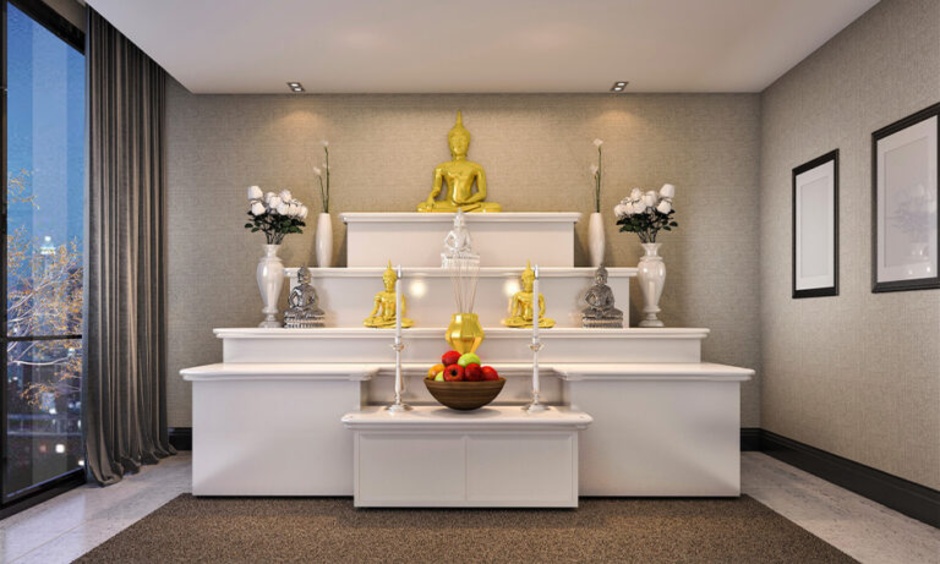
Altars have been around for centuries, and these design ideas are your best bet for a renewed look in 2026.
In modern homes filled with constant movement and digital noise, a dedicated spiritual corner can feel like a quiet anchor. A thoughtfully planned home altar design creates a space for pause, prayer, and personal reflection. Altars are no longer hidden away; they are becoming intentional, design-forward spaces.
From elegant Catholic wall altars to compact mini designs for apartments, homeowners today are bringing faith into contemporary interior design. We explore some ideas, setup principles, modern inspirations, and practical tips—helping you design an altar that feels visually harmonious.

Purpose and Significance of a Home Altar
An altar at home represents devotion, gratitude, and spiritual grounding. Across faiths, it serves as a space to disconnect from daily stress and reconnect with belief and intention.
In Catholic homes, the home altar designs often centre on Christ, the cross, or saints, offering a place for daily prayer and reflection. Similarly, the pooja altar design in Indian households creates moments of calm and continuity.
Beyond faith, a home altar:
- Encourages mindful living.Establishes a daily ritual.
- Adds emotional warmth to interiors.
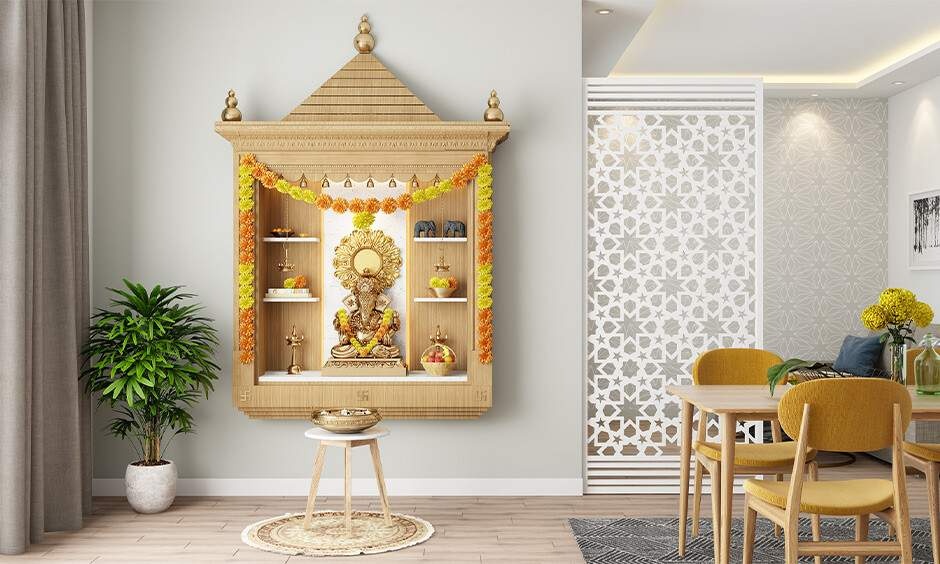
Key Principles of a Well-Planed Altar Design for House
A successful altar design balances spirituality with aesthetics. Keep these principles in mind:
- Minimalism: Avoid overcrowding the altar with decorative excess.
- Visual Focus: The central symbol should immediately draw attention.
- Harmony: Match materials and colours with surrounding interiors.
- Respect: Placement and maintenance should reflect reverence.
A simple altar design often feels more peaceful than an elaborate one.
Types of Home Altars
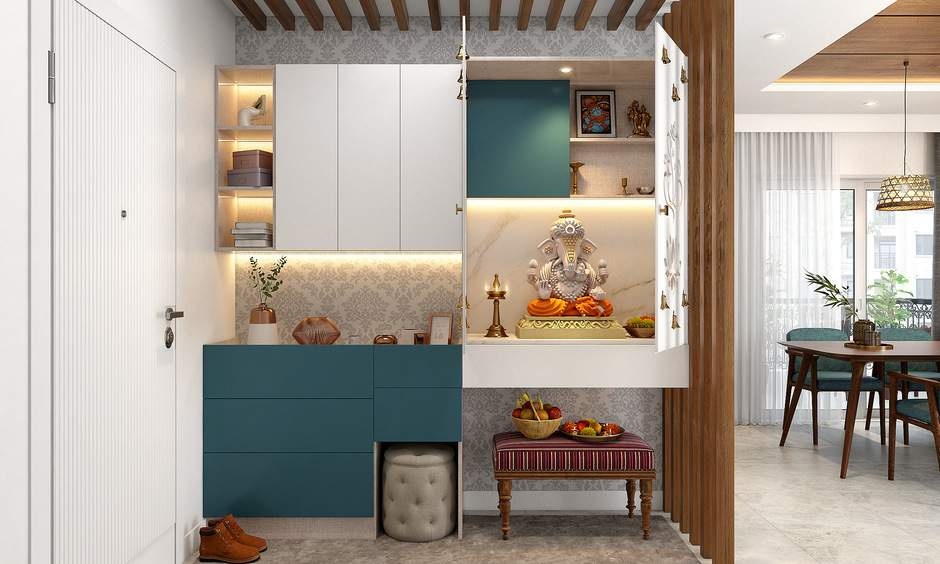
Homeowners can choose different altar formats depending on their space and lifestyle:
- Wall-mounted Altars: Popular for urban homes and apartments
- Floor-based Altars: Traditional and grounded in form
- Built-in Niches: Seamless and architectural
- Portable Altars: Flexible and renter-friendly
Wall-mounted altar designs are especially favoured for their clean look and space efficiency.
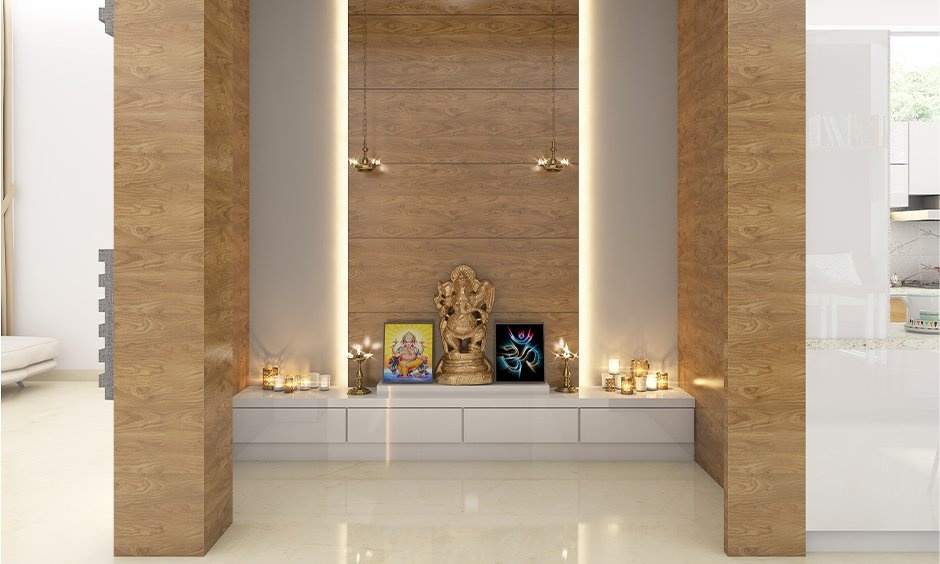
Choosing the Right Location for Your Home Altar Design
Placement directly impacts the energy and usability of your altar.
- Living Room: Ideal for shared prayer and visibility.
- Bedroom: Suitable for personal devotion.
- Dedicated Prayer Room: Best for larger homes.
Many homeowners opt for home altar design for living room setups, as they integrate spirituality into everyday family life. Avoid placing altars near bathrooms, storage areas, or directly under staircases.
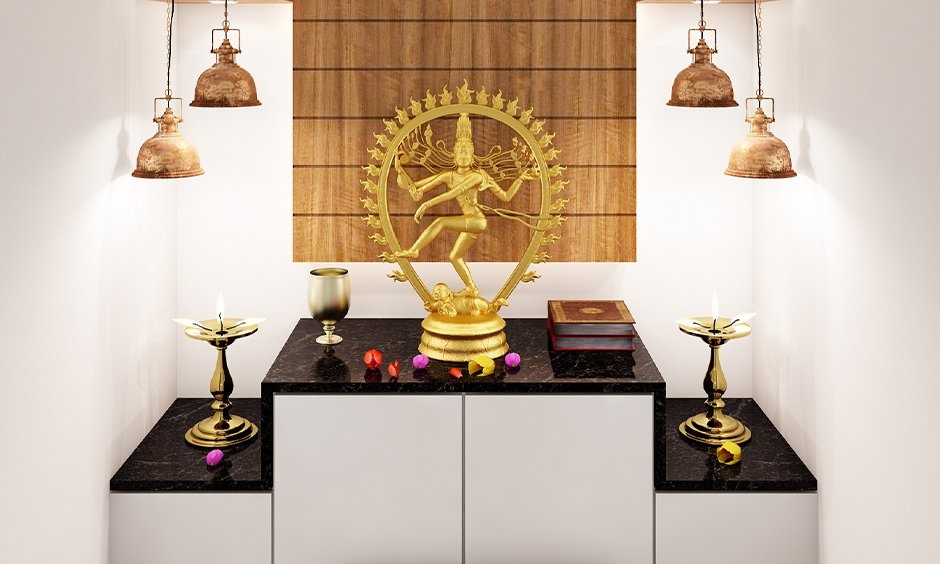
Design Elements of a Beautiful Home Altar Idea
The beauty of an altar lies in thoughtful detailing:
- Materials: Solid wood, MDF, marble, or metal
- Colours: White, beige, earthy browns, soft golds
- Backdrop: Textured panels, stone cladding, or subtle wallpaper
- Accessories: Candles, lamps, flowers, scripture frames
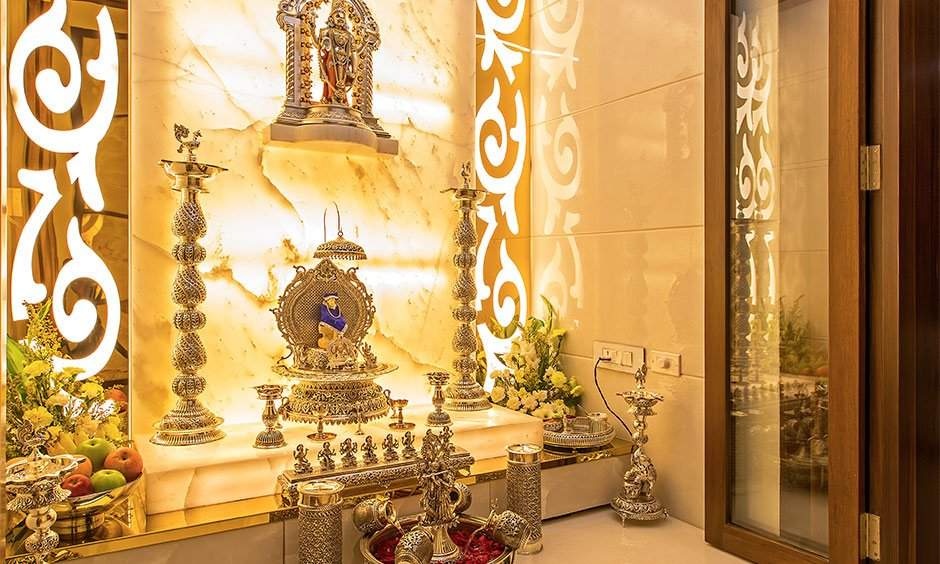
Home Altar Design Ideas by Style
- Traditional Designs: Carved wood, ornate details, and symmetrical layouts suit heritage homes and classic interiors.
- Modern Altar Designs for Home: Floating shelves, backlit panels, neutral palettes, and clean lines define modern altar designs for the home, making them ideal for contemporary apartments.
- Christian and Catholic Altar Designs: A Christian altar design for the home typically includes:
1. A crucifix or statue of Christ
2. Candles or lamps
3. Bible or rosary placement
Altar design ideas now range from classic wooden cabinets to sleek wall-mounted installations.
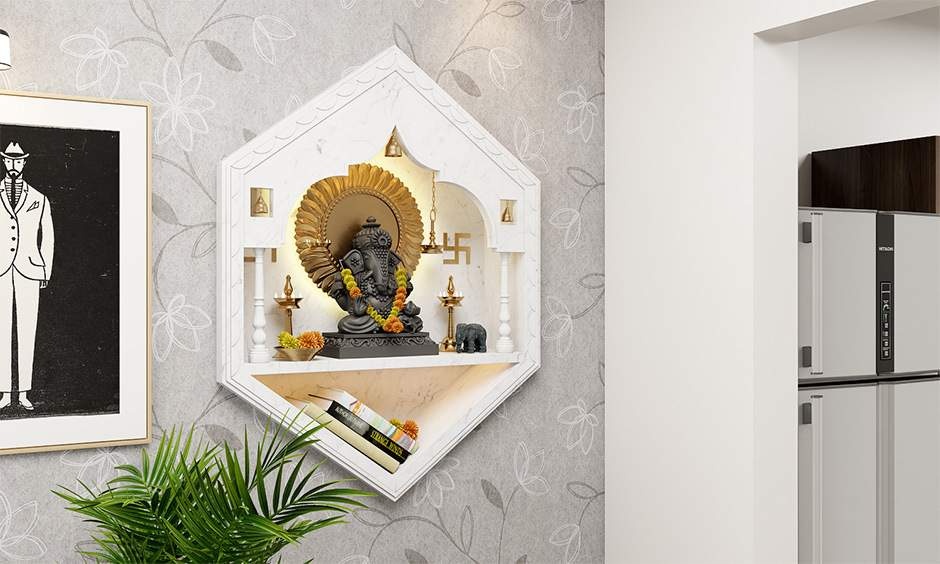
DIY Home Altar Setup: Step-by-Step Guide
You don’t need an elaborate setup to begin—what matters most is intention and consistency. Even a small, thoughtfully arranged space can feel deeply sacred.
- Choose a Quiet, Respectful Location: Select a spot away from distractions where you can pray or reflect comfortably. A peaceful corner helps maintain focus and reverence.
- Install a Shelf, Cabinet, or Wall Niche: Use a sturdy base that suits your space and interior style. Wall-mounted options work especially well in small homes or apartments.
- Place the Main Icon at Eye Level: Position the central symbol or deity where it naturally draws attention. This creates a balanced, respectful focal point for prayer.
- Add Supporting Elements Like Lamps or Flowers: Candles, diyas, or fresh flowers enhance the spiritual atmosphere without overwhelming the space. Keep additions purposeful and minimal.
- Keep the Layout Clean and Uncluttered: Avoid storing unrelated items on or near the altar. A tidy setup supports calm energy and makes daily rituals more meaningful.
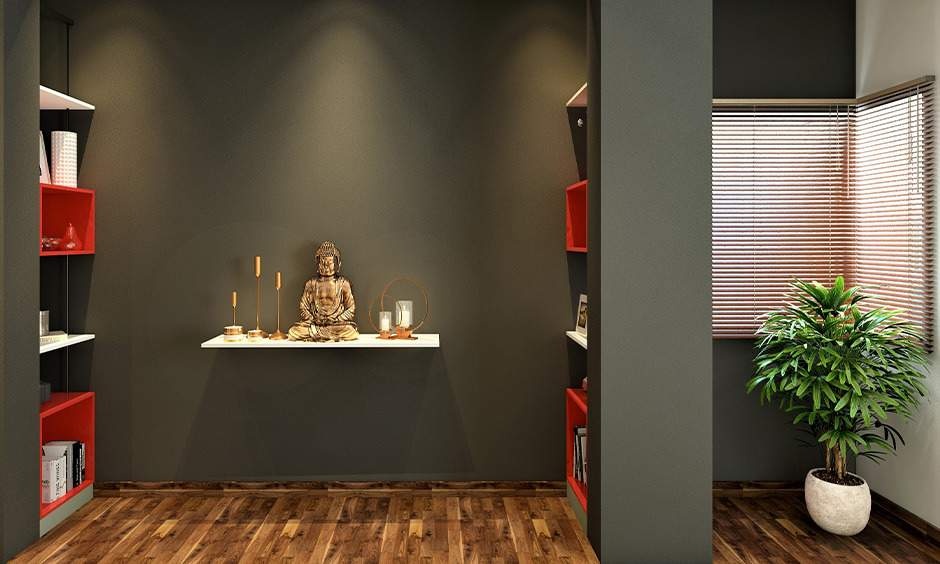
Innovative Pooja Room Designs


Small Space Home Altar Design Ideas
Limited space doesn’t limit devotion. Here are some creative ideas you can use for your homes:
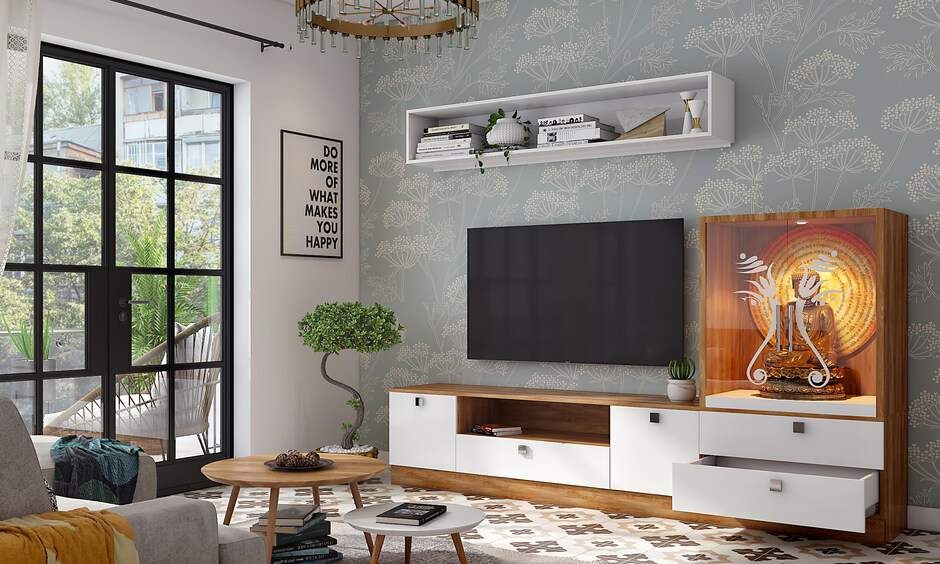
- Mini altar design at home using floating shelves.
- Vertical designs that save floor space.
- Corner-mounted or foldable altars.
- Hidden cabinets that open during prayer.
Lighting Ideas for Your Home Altar
Good lighting highlights the altar without overwhelming it. Discover some lighting that sets the spiritual mood:
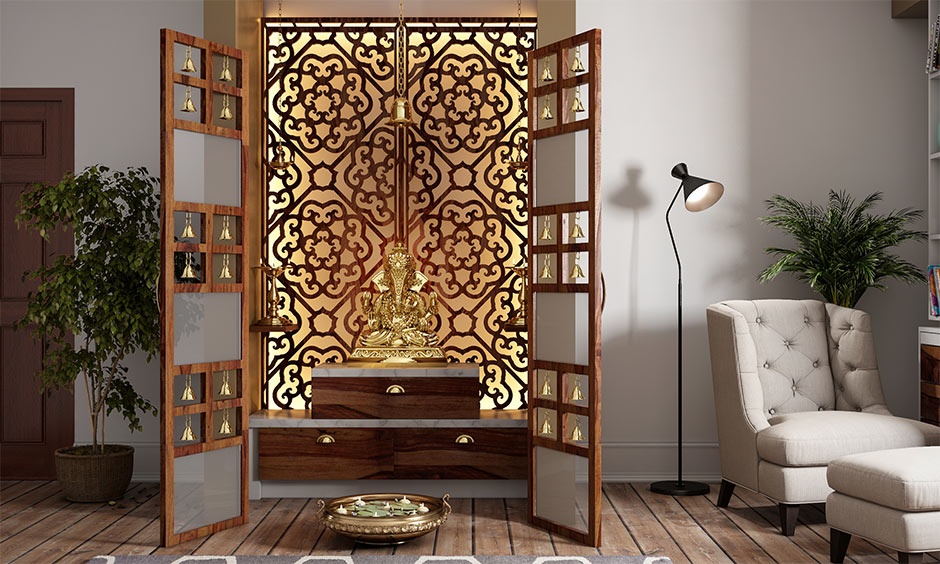
- Warm LED backlighting for modern designs
- Traditional diyas or oil lamps
- Soft spotlights for wall-mounted altars
Maintenance and Care of a Home Altar Design
A clean altar supports focus and reverence. Maintaining an altar is an act of devotion itself:
- Clean surfaces regularly.
- Refresh flowers or clothes weekly.
- Avoid placing unrelated items nearby.

Home Altar Trends for 2026
Some of the upcoming trends include:
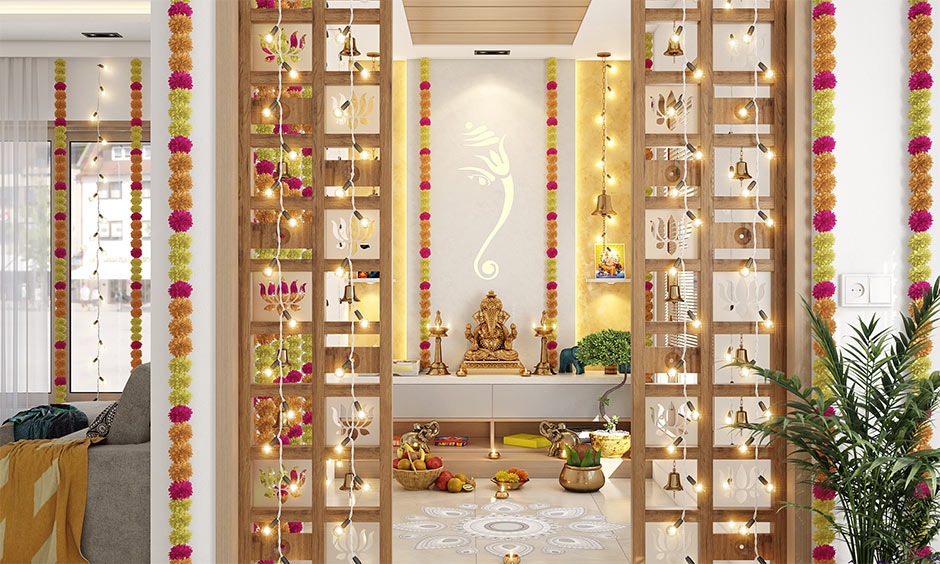
- Sustainable and Natural Materials: Homeowners are increasingly choosing eco-friendly woods, stone, and natural finishes for altar designs. These materials add warmth while aligning with mindful, sustainable living.
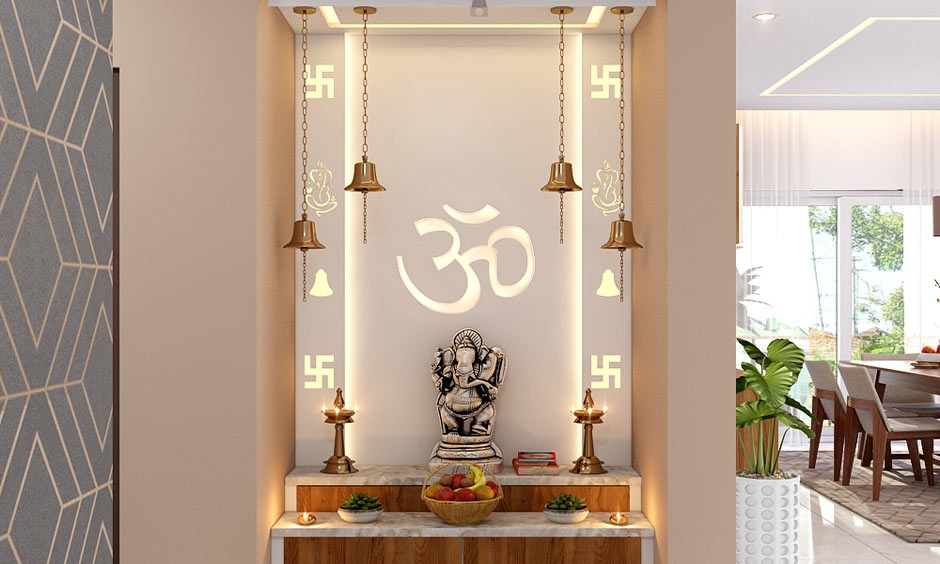
- Minimalist Wall-Mounted Designs: Sleek, space-saving wall-mounted styles are gaining popularity, especially in modern apartments. They offer a clean look while keeping the altar visually prominent.
- Soft Ambient Lighting: Warm, diffused lighting, such as backlit panels or gentle LEDs, creates a calm and contemplative atmosphere without overpowering the space.
- Blending Traditional Symbolism With Modern Interiors: Future altar designs will seamlessly blend sacred icons with contemporary materials and layouts, allowing faith to coexist harmoniously with modern home aesthetics.
Start small, design with care, and create a sacred space that feels deeply personal—one that quietly supports your daily moments of reflection. Over time, this sacred corner becomes a quiet constant in your home; a place where the day can begin with clarity and end with gratitude. A thoughtfully created home altar design brings peace and balance to your living space.
Wondering how to begin this important project? Talk to the experts at DesignCafe for more!
FAQs
1. What is the ideal location for a home altar?
The living room or a quiet corner of the home is a great spot. Many prefer home altar design for living room setups for easy access and shared prayer.
2. How tall should a home altar be?
The main icon or deity should be at eye level when standing or sitting comfortably during prayer.
3. What items should be placed on a home altar?
Essential items include the main religious symbol, candles or lamps, and a few meaningful accessories.
4. Can a home altar be in the bedroom?
Yes, a bedroom altar is suitable for personal devotion, provided the space remains respectful and uncluttered.
5. How to design a home altar for a small space?
Opt for a mini altar design, floating shelves, or a small wall altar for home solutions that save space.
6. What colours are best for a spiritual altar?
Neutral tones like white, beige, soft browns, and subtle golds promote calm and focus.