Select Category

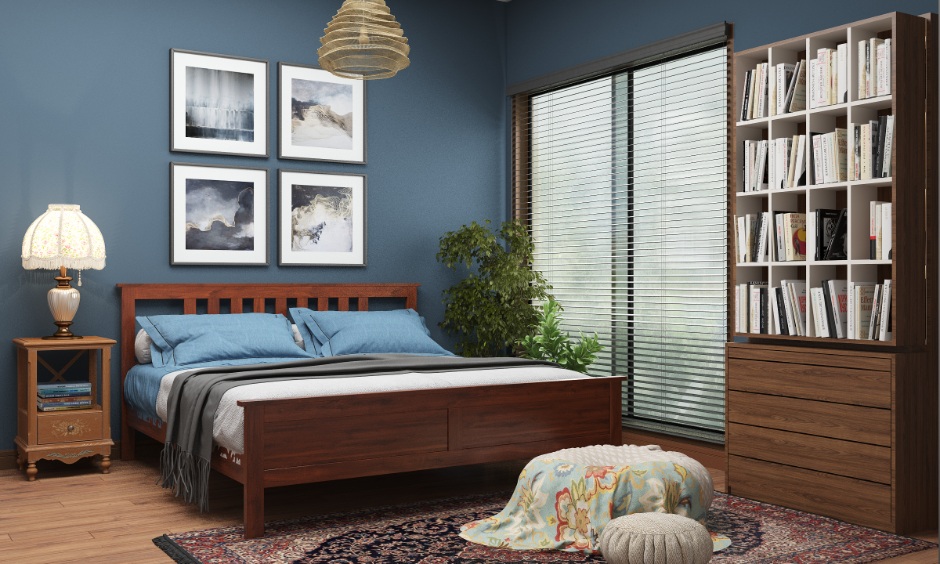
The ultimate guide to choosing between plywood and solid-wood beds, based on budget and lifestyle, is here. Read more here.
This blog compares plywood vs solid wood beds to help you choose the right material based on your budget, lifestyle, and long-term needs. It covers construction differences, durability, cost analysis, aesthetics, maintenance, and suitability—showing why solid wood represents generational value while plywood offers modern versatility and affordability.
What You Will Read Here:
- How do solid wood and plywood beds differ in construction and material composition?
- Lifespan comparison.
- Real price ranges: why plywood costs 40-60% less than solid wood alternatives.
- Aesthetic differences between natural wood grain and uniform plywood finishes.
- Maintenance needs, repair challenges, and weight considerations for each material.
- Environmental impact and sustainability factors for both options.
- Which bed type suits renters, homeowners, budget buyers, and long-term investors?
Best For: Homeowners, renters, and first-time furniture buyers planning to purchase a new bed and wanting to make an informed choice between plywood and solid wood based on budget, durability needs, and lifestyle requirements.
Expert Tip: Komal Mittal, Studio Manager, at DesignCafe says, “Calculate cost-per-year, not just sticker price. A ₹50,000 solid wood bed that lasts 25 years costs ₹2,000 annually. A ₹20,000 plywood bed lasting 12 years? ₹1,667 annually. Factor in your moving plans. If you’ll relocate within 5 years, plywood wins. Settling permanently? Solid wood pays for itself.”
There’s an age-old rivalry that quietly plays out in Indian homes, especially when it comes to building home furniture like beds – Plywood vs Solid Wood Beds.
Solid wood beds are what our parents and grandparents trusted—heavy, sturdy, and built to be heirloom pieces. You know your furniture won’t need replacing anytime soon.
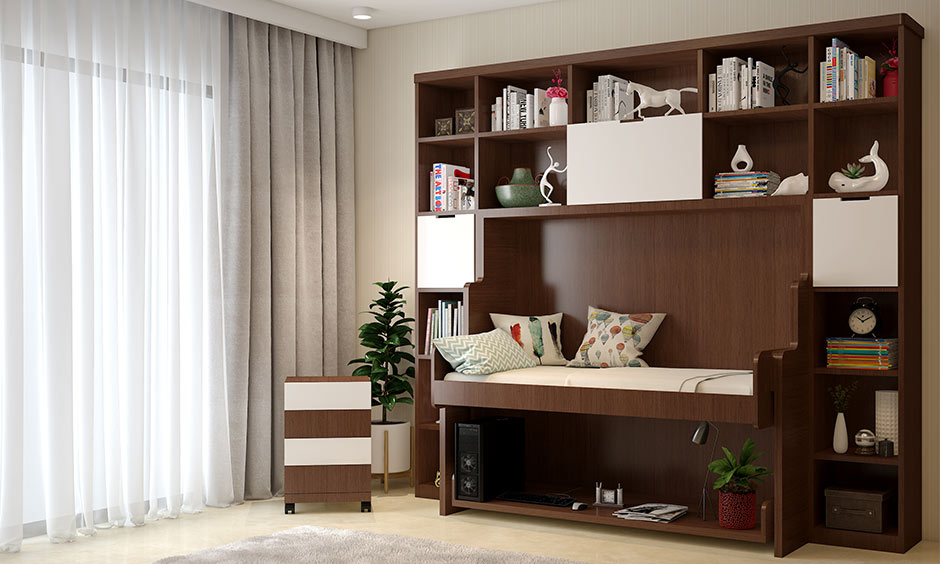
Plywood beds, on the other hand, are designed for modern living. Today’s homes need versatility, smart storage, cleaner finishes, and sensible pricing. Plywood makes it easier to customise designs and add hydraulic storage while staying within budget.
The real choice isn’t about which material is ‘better’. It’s about understanding generational value versus modern utility, and choosing a bed that’s worth the investment. This guide breaks down the key differences in plywood vs solid wood beds to help you decide.

Material Composition and Construction Differences: Plywood vs Solid Wood Beds
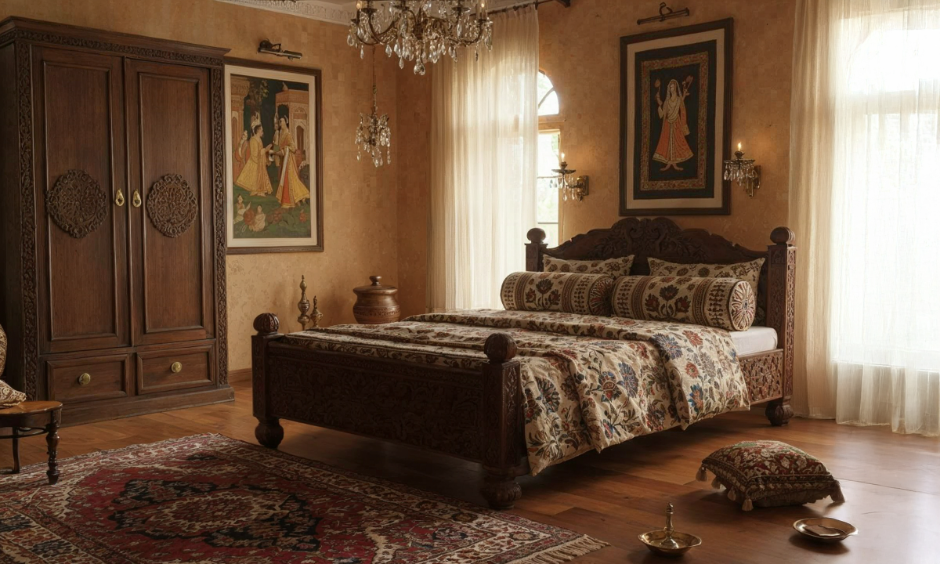
A solid wood bed is crafted from natural timber like teak, oak, or mango wood—tree trunks cut, shaped, and joined together. Whereas plywood uses thin wood veneer layers glued together under pressure to create strong engineered sheets. A plywood sunmica bed adds a protective laminate layer for scratch and stain resistance.
Plywood vs Solid Wood Beds: Durability and Longevity Comparison
A solid wood queen-size bed or a wooden bed with hydraulic storage lasts 20-30 years with proper care, developing character as it ages. However, wooden furniture is susceptible to environmental changes such as humidity and temperature fluctuations.
On the other hand, a quality plywood bed reliably lasts for 10-15 years. Its cross-laminated form resists warping and cracking. A solid-wood king-size bed is definitely an heirloom. Plywood varieties perform well during their lifespan, but won’t necessarily be passed down to future generations.
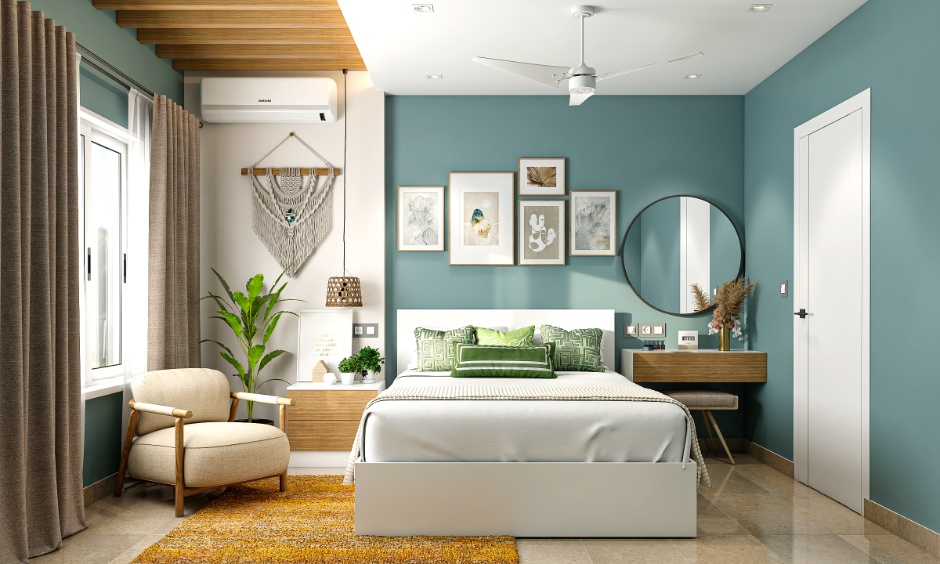
Plywood vs Solid Wood Beds: Cost Analysis and Budget Considerations
With the growing scarcity of good-quality solid wood, plywood beds are in tremendous demand. Furthermore, they cost 40-60% less than solid wood alternatives.
You can get a folding bed with plywood for ₹8,000-15,000, while a solid-wood single bed starts at ₹20,000-25,000. A wooden double bed or queen bed ranges from ₹35,000-70,000, while comparable plywood options cost ₹15,000-30,000.
If hydraulic storage is chosen, then the cost is driven up further. They are a popular option for new homeowners because they offer better value per year when longevity is considered.
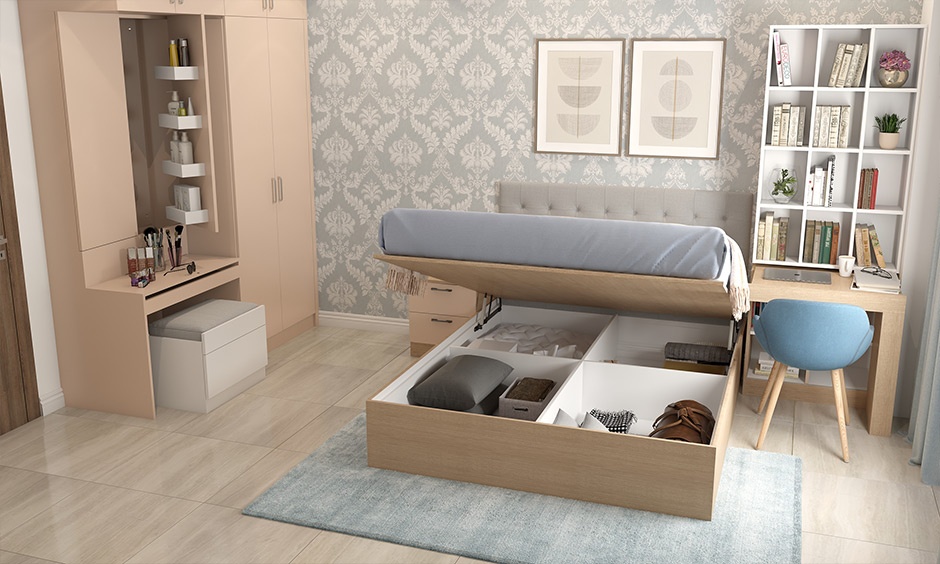
Aesthetic Appeal and Finish Options in Plywood vs Solid Wood Beds
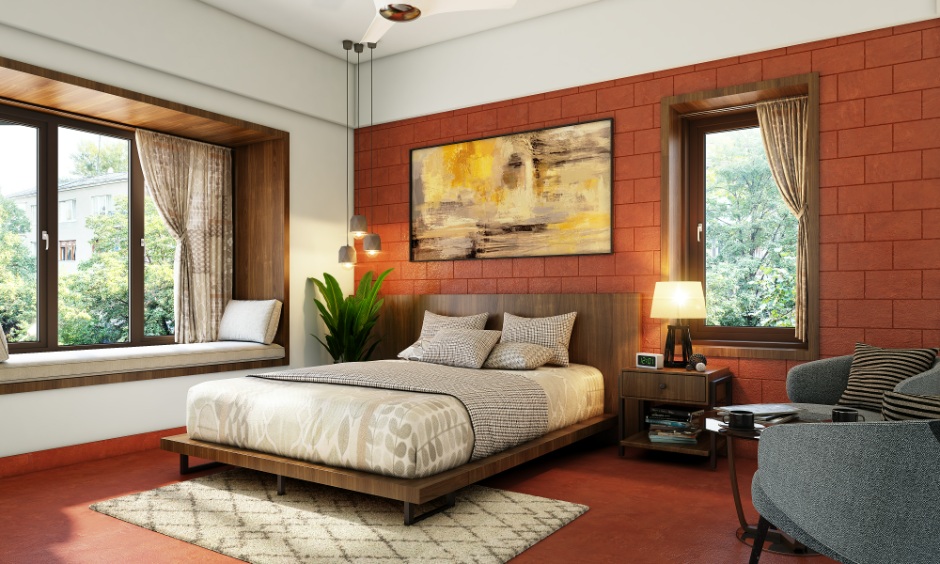
A solid wooden bed showcases natural grain patterns, knots, and unique variations. No two beds made of solid wood look the same. Each one brings a unique charm to your bedroom.
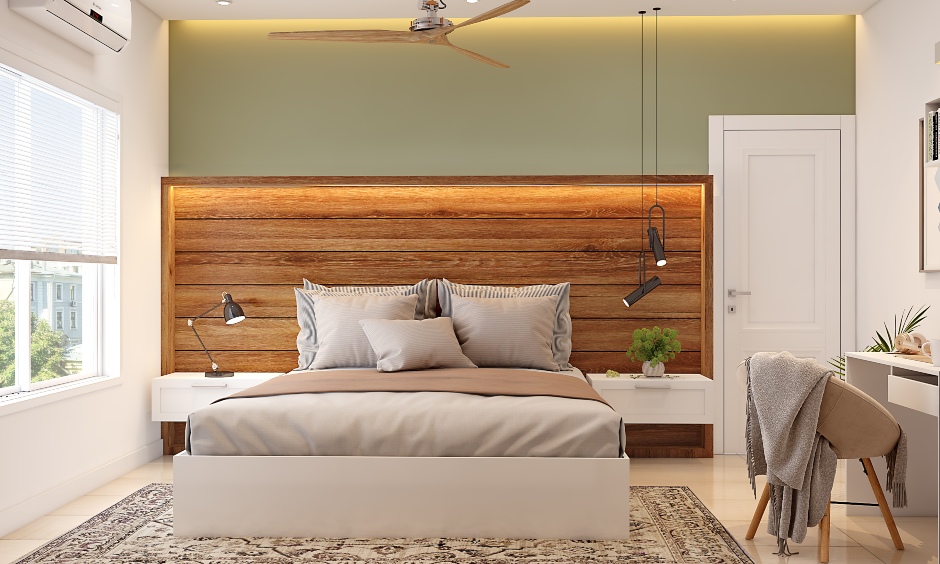
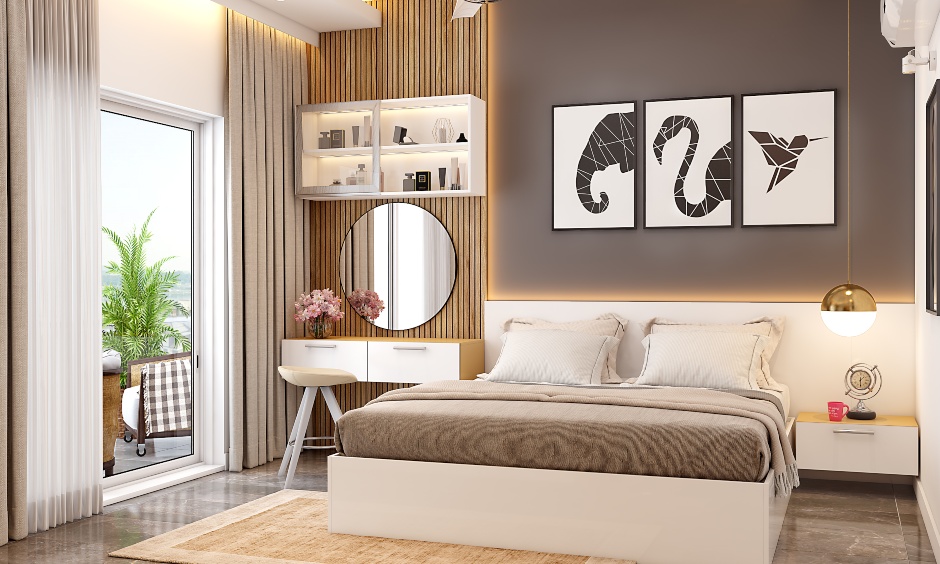
Whereas plywood offers a uniform appearance with consistent panels, perfect for modern aesthetics. Also, plywood can be easily veneered or laminated, making it ideal for modern, minimalist designs.
Luxury Bedroom Interior Designs




Maintenance and Repair Factors: Plywood vs Solid Wood Beds
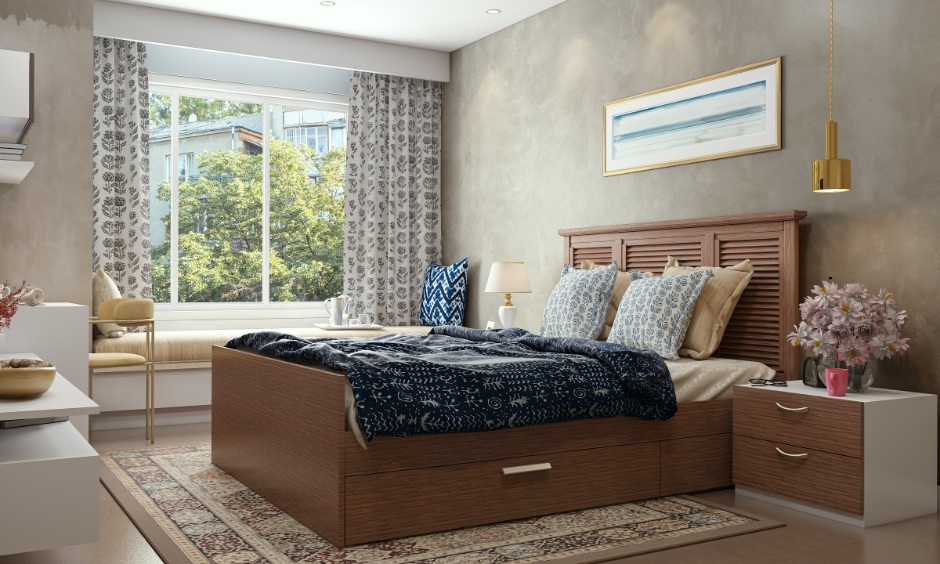
A solid wood bed needs regular dusting and occasional polishing. Keep it away from moisture, or it gets warped. The advantage? Scratches sand out and refinish easily. Plywood beds require simple damp-cloth cleaning, but damaged edges or peeling laminate are harder to repair.
While a wooden bed with storage can be restored well, a water-damaged plywood one requires replacing the entire panel.
Weight and Portability Considerations
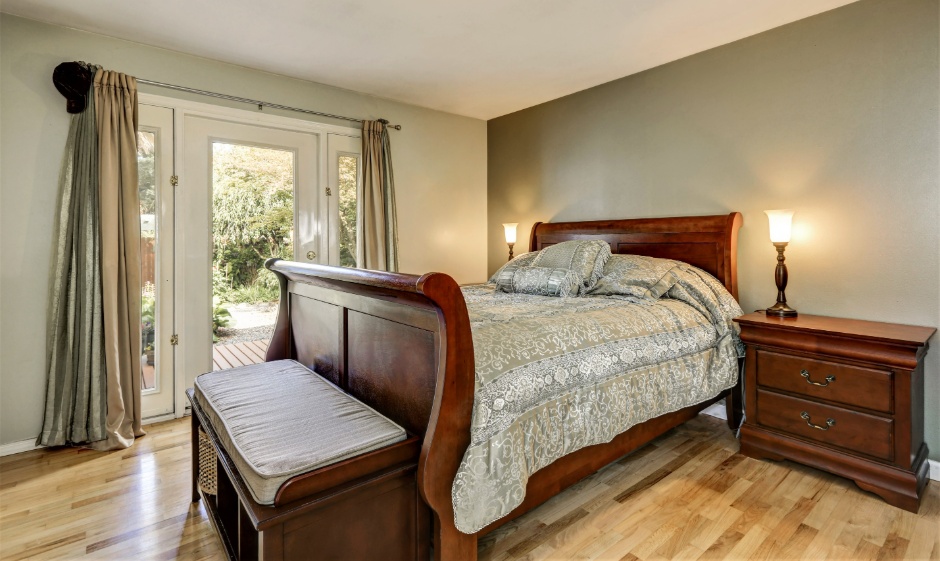
A solid wood queen-size bed is heavy. A king-sized one, even heavier. It may require at least four adults to move, complicating frequent rearrangement. Plywood beds are significantly lighter and ideal for renters or those who frequently update rooms. A folding bed with plywood works perfectly for guest rooms or multi-purpose spaces.
Plywood vs Solid Wood Beds: Environmental Impact and Sustainability
Solid wood beds from certified forests support sustainable forestry. Responsibly sourced wood represents a renewable resource. Meanwhile, the plywood bed manufacturing process is sustainable. It minimises waste by using thin veneers from logs that might otherwise be discarded. However, adhesives may contain chemicals—look for low-VOC or formaldehyde-free options.

Plywood vs Solid Wood Beds: Suitability for Different User Needs
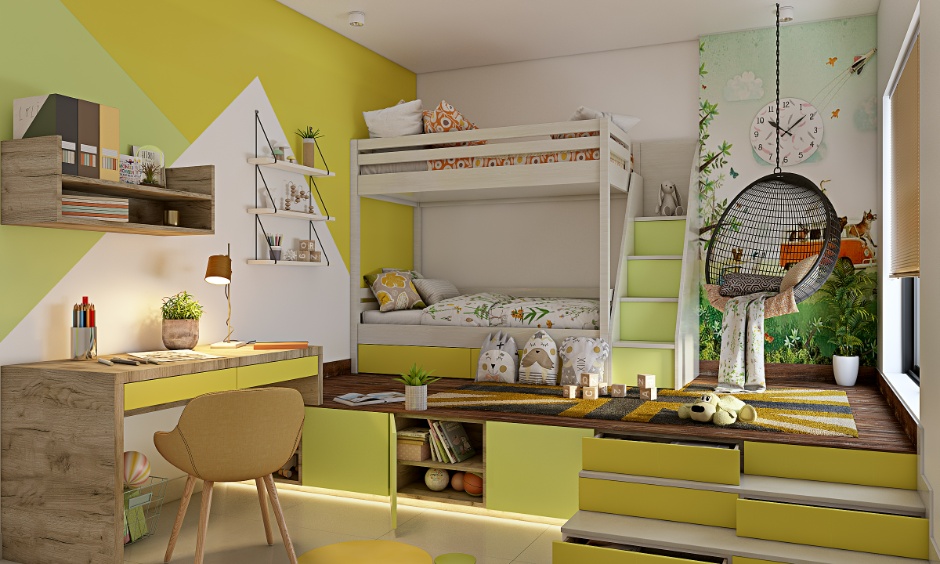
Choose a solid wood bed with or without storage for your permanent homes, where you value lasting quality and craftsmanship. Budget-conscious buyers, renters, or those furnishing temporary spaces find excellent value in plywood beds. Students and young professionals benefit from reliable, affordable plywood designs.
For storage needs, both options perform well, though solid wood handles repeated stress from hydraulic mechanisms better over decades.
Verdict
Plywood vs solid wood beds isn’t about universal superiority—it’s about matching material to your needs. Choose solid wood for long-term investment, natural beauty, and heirloom potential. Choose plywood for affordability, practicality, and modern aesthetics.
Both materials earn their place in bedrooms. Decide based on usage duration, budget, and lifestyle priorities. The best bed helps you wake up refreshed and ready for each day. Looking for more inspiration? Explore our blog for more plywood and solid-wood bed design ideas. Need personal guidance? Book a free consultation and let’s design a bed that matches your personal values and budget.
FAQs
1. Are solid wood beds more durable than plywood?
Yes. Solid wood beds are generally more durable and can last 20–30 years or more with proper care, making them ideal for long-term use.
2. Which is more affordable, plywood or solid wood?
Plywood beds are more affordable. They usually cost 40–60% less than solid wood beds, making them a budget-friendly option for most homes.
3. Can plywood beds match the look of solid wood?
Yes. With high-quality laminates or veneers, plywood beds can closely resemble solid wood and suit modern interiors well.
4. Is solid wood heavier than plywood?
Yes. Solid wood is much heavier, which adds stability but makes moving or rearranging the bed more difficult.
5. Which material is better for moisture resistance?
Plywood with proper treatment handles moisture better than solid wood. Solid wood can warp if exposed to damp conditions, while moisture-resistant plywood performs more consistently.