Select Category

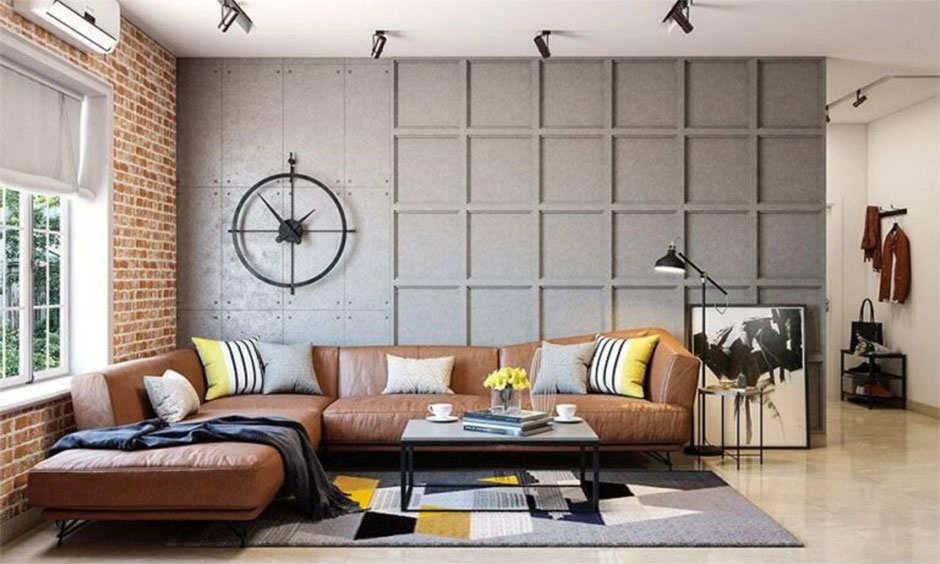
Starting with your home’s interiors? Let these moodboard ideas come in handy. Read along.
Designing your dream home can feel overwhelming at times. There are so many colours, textures, and furniture options which can leave you stuck at square one. That’s where an interior design mood board helps you. An interior design mood board provides clarity by bringing together colours, materials, furniture, and decor inspirations in one place. It helps you visualise your ideas before making any decisions.
Continue reading to discover how creating a mood board can transform your inspiration into a beautifully designed, cohesive space.

What is an Interior Design Mood Board?
An interior design mood board is a visual collage that represents the style, colour palette, textures, materials, and furniture for a space. Think of it as a map for your interior design journey; it clearly communicates your aesthetic preferences.
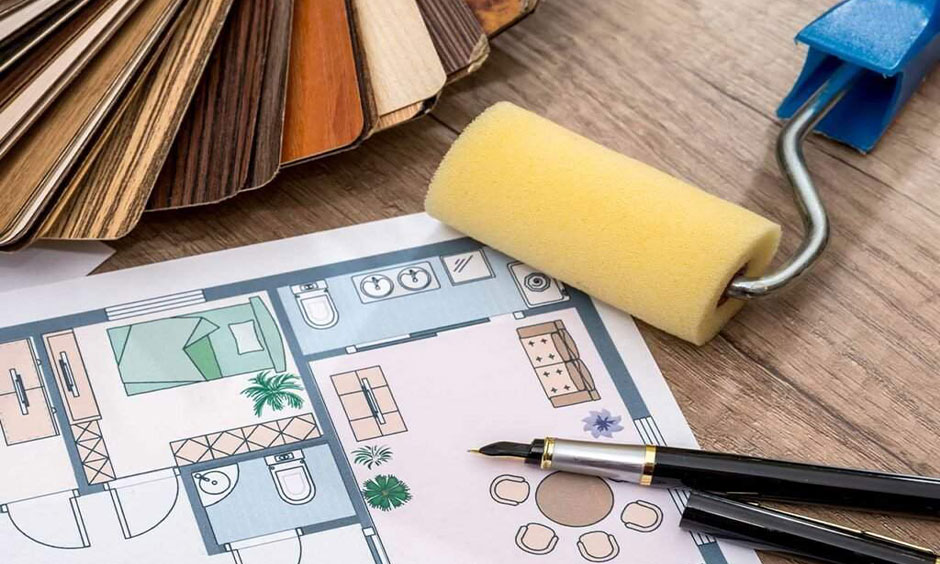
Mood boards can be physical, using magazine cutouts, fabric swatches, and paint samples, or digital, through platforms like Pinterest, Canva, or DesignCafe’s interior mood board tools.
They serve as the foundation of your project, organising the ideas that have been moving around in your head.

Why Mood Boards are Essential in Interior Design?
An interior design mood board is a practical planning tool for design. Here’s why it’s essential:
- Clarify Your Vision: Easily visualise the colour palette, furniture style, and decor elements.
- Experiment Safely: Try different combinations of textures, colours, and layouts before implementation.
- Communicate Ideas: Help designers and homeowners align on the project vision.
- Plan Effectively: Anticipate design challenges related to lighting, space, or materials.
You are testing your ideas in a low-risk, high-impact way by creating a mood board first.
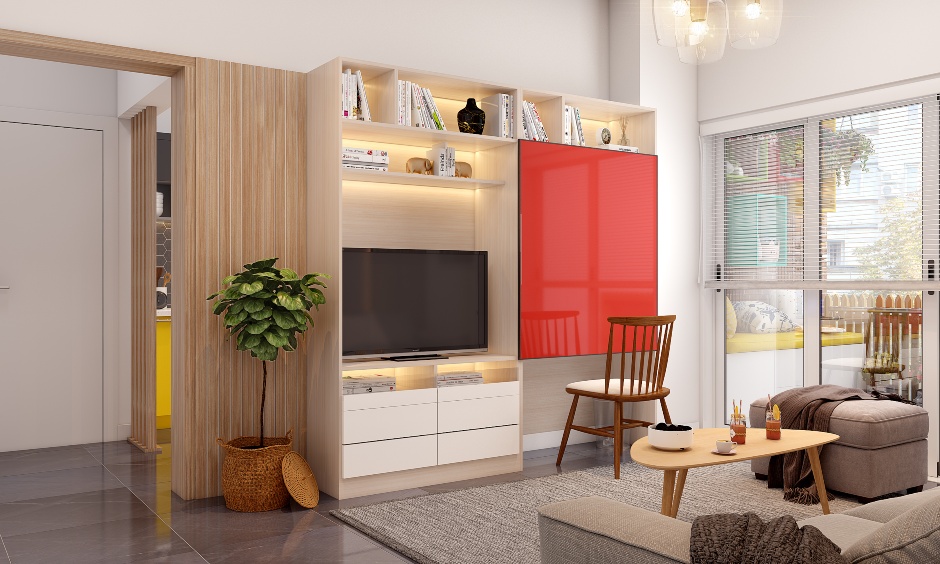
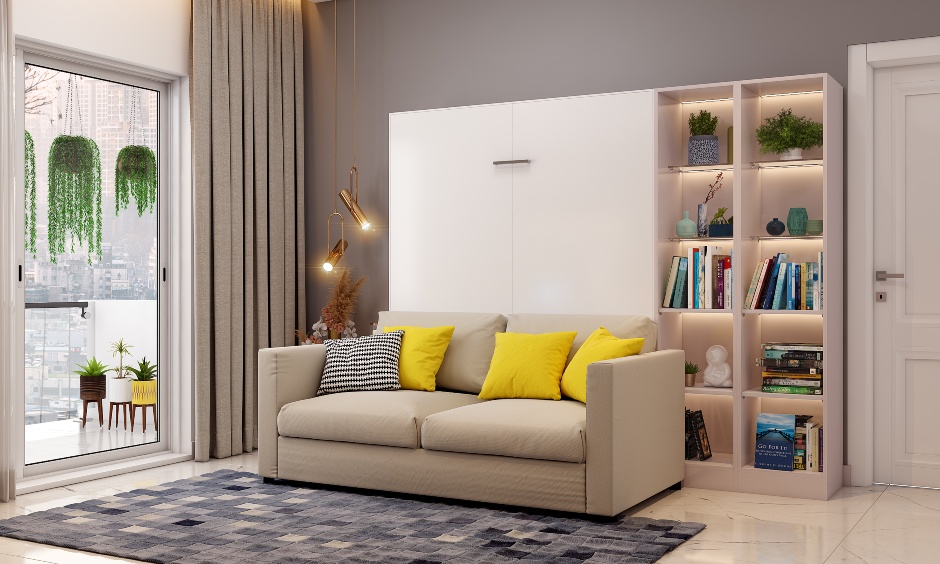
Modern Space-Saving Designs



Types of Mood Boards for Your Dream Home
Depending on your project, mood boards can take various forms:
- Digital Mood Boards: Created with apps like Pinterest or Canva, or through DesignCafe’s interior design mood board template.
- Physical Mood Boards: Tangible boards featuring real fabrics, paint swatches, and textures.
- Style Boards: Focus on a particular aesthetic like modern, minimalist, or bohemian.
- Colour Mood Boards: Concentrate solely on colours to set the tone of your room.
Choosing the right type depends on your comfort level, project size, and whether you are collaborating with a designer.
Key Elements of an Interior Mood Board
You can find several things on a strong interior design mood board template, which include:
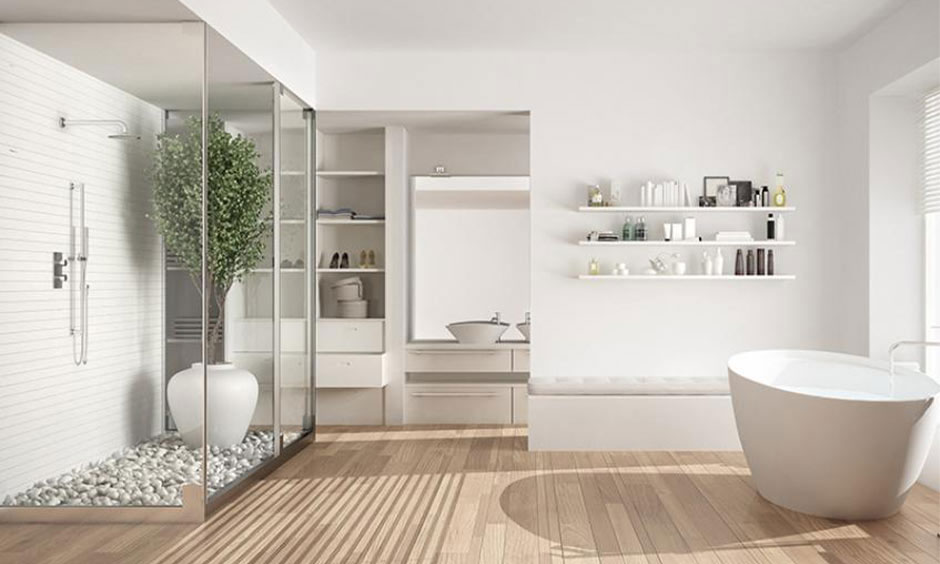
- Colour Palette: Wall shades, accent tones, and complementary hues.
- Textures & Materials: Wood, metal, fabric, glass, and stone elements.
- Furniture & Decor: Key pieces like sofas, tables, rugs, and lighting.
- Inspirational Images: Photos, sketches, or references to convey the desired mood.
These elements work together to create a rounded-up vision of your space, making decision-making simpler for you.
DesignCafe Mood Board Template: How do We Use Mood Boards in Our Interior Design Process?
At DesignCafe, mood boards are the starting point for every interior design project. Here’s how we use them:
- Understand Client Needs: Gather preferences, lifestyle requirements, and functional necessities.
- Curate Design Elements: Collect colour palettes, furniture options, textures, and inspirational imagery.
- Present the Mood Board: Share a visual representation to get client feedback.
- Refine and Finalise: Adjust colours, textures, or layouts until the board aligns with your thinking.
From Mood Board to Masterpiece: Real Project Showcase
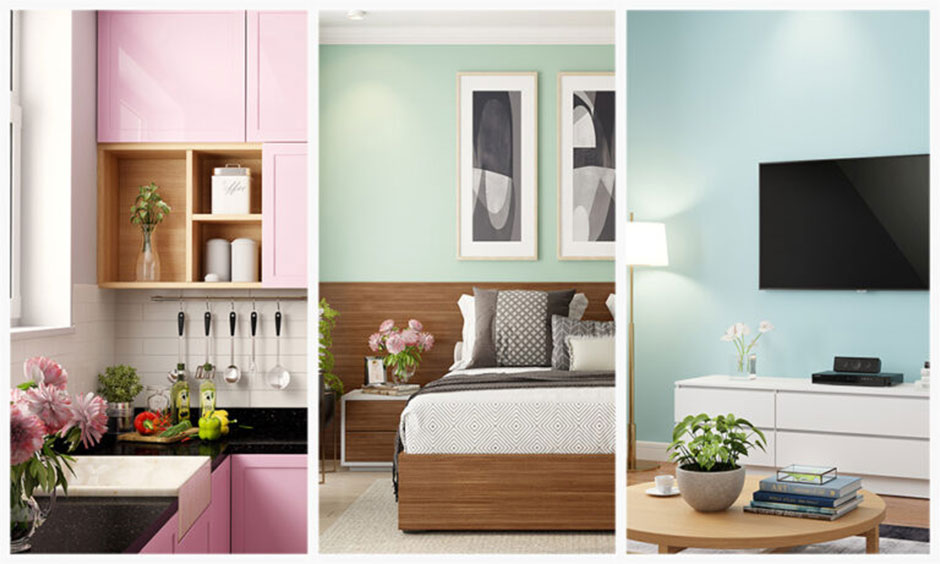
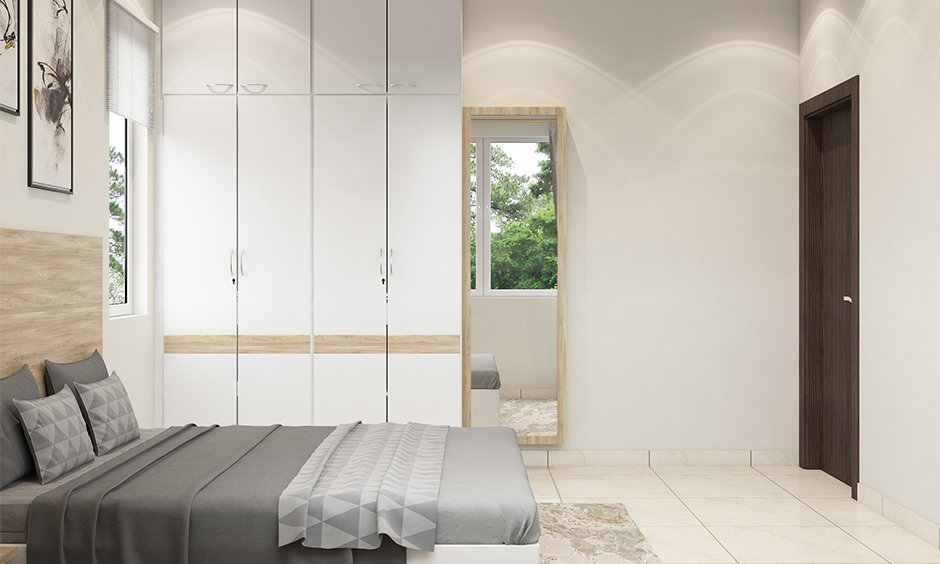
Consider a recent project in which we created a bedroom mood board featuring muted pastels, natural wood textures, and modern furniture pieces. Following this inspiration, the final room perfectly reflected the intended vibe: cosy and visually harmonious.
Similarly, kitchen mood boards and living room mood boards help clients visualise layouts, cabinet finishes, countertops, and furniture arrangements. A mood board makes sure that every detail complements the overall design.


5 Tips for Creating Your Own Mood Board (DIY Style)
You don’t have to be a professional designer to create an interior design mood board. Here are some DIY tips:
- Start With Inspiration: Browse magazines, Pinterest, or Instagram for ideas.
- Define Your Colour Palette: Pick 3–5 primary colours.
- Include Textures and Materials: Fabric swatches, paint chips, tile samples.
- Add furniture and Decor Visuals: Include key pieces for your bedroom, kitchen, or living room.
- Edit and Refine: Remove elements that clash or overcrowd the board.
Using a mood board template can simplify this process, helping you organise your ideas well.
Common Mood Board Mistakes to Avoid
Even DIY enthusiasts can make mistakes when creating interior design mood boards. Watch out for these pitfalls:
- Overcrowding the board with too many ideas.
- Ignoring functionality in favour of aesthetics.
- Failing to maintain a cohesive colour palette.
- Forgetting to consider lighting and spatial constraints.
Avoid these, and your interior mood board becomes a practical guide rather than just a collection of images.
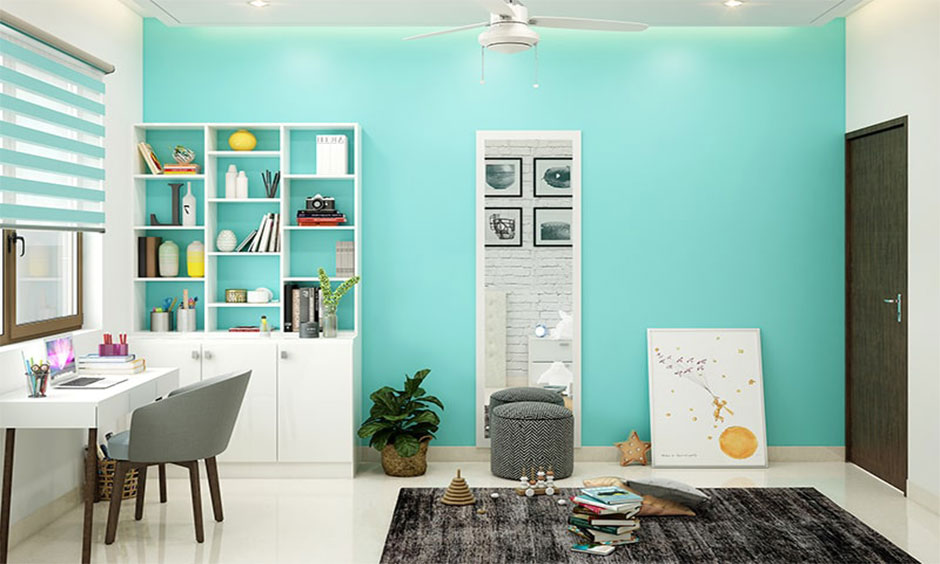
At DesignCafe, we work closely with you to capture your inspirations, your favourite colours, materials, furniture styles, and decor ideas. We take all that and turn it into a visual story for you.
Share your ideas with us, explore creative combinations, and watch your dream interiors come to life; one thoughtful mood board at a time. Mood boards are essential planning tools that help you see colours and designs before making any purchase.
Create your own or collaborate with DesignCafe to bring your dream home to life. Start using a mood board template today and turn your inspiration mood board into a beautifully designed space!
FAQs
1. What is a mood board in interior design?
A visual tool showcasing colours, textures, materials, furniture, and décor for a space.
2. Why is a mood board important before starting an interior project?
It clarifies your vision and prevents costly mistakes. It lets you see what you are thinking about.
3. How is a mood board different from a design board or concept board?
Mood boards focus on aesthetics and style, while design/concept boards include technical plans and layouts.
4. How do interior designers use mood boards during a project?
There are many ways interior designers use the board:
- To present ideas
- Get feedback
- Maintain aesthetic consistency
- Guide implementation
5. What does a mood board include?
Colour palettes, textures, furniture, décor, and inspirational images.
6. Is a mood board the same as a floor plan?
No. A floor plan shows dimensions and layout; a mood board shows style and visual mood.
7. Do mood boards help with budgeting?
Yes, by visualising selections upfront, you can plan purchases and avoid unnecessary expenses.